NFL Expands to Australia: Rams vs. 49ers in Historic Melbourne Game
The NFL plays its first game in Melbourne, Australia, as part of a record 2026 international slate. Learn about the league's global strategy, the Global Markets Program, and what it means for fans.
Source: CNBC
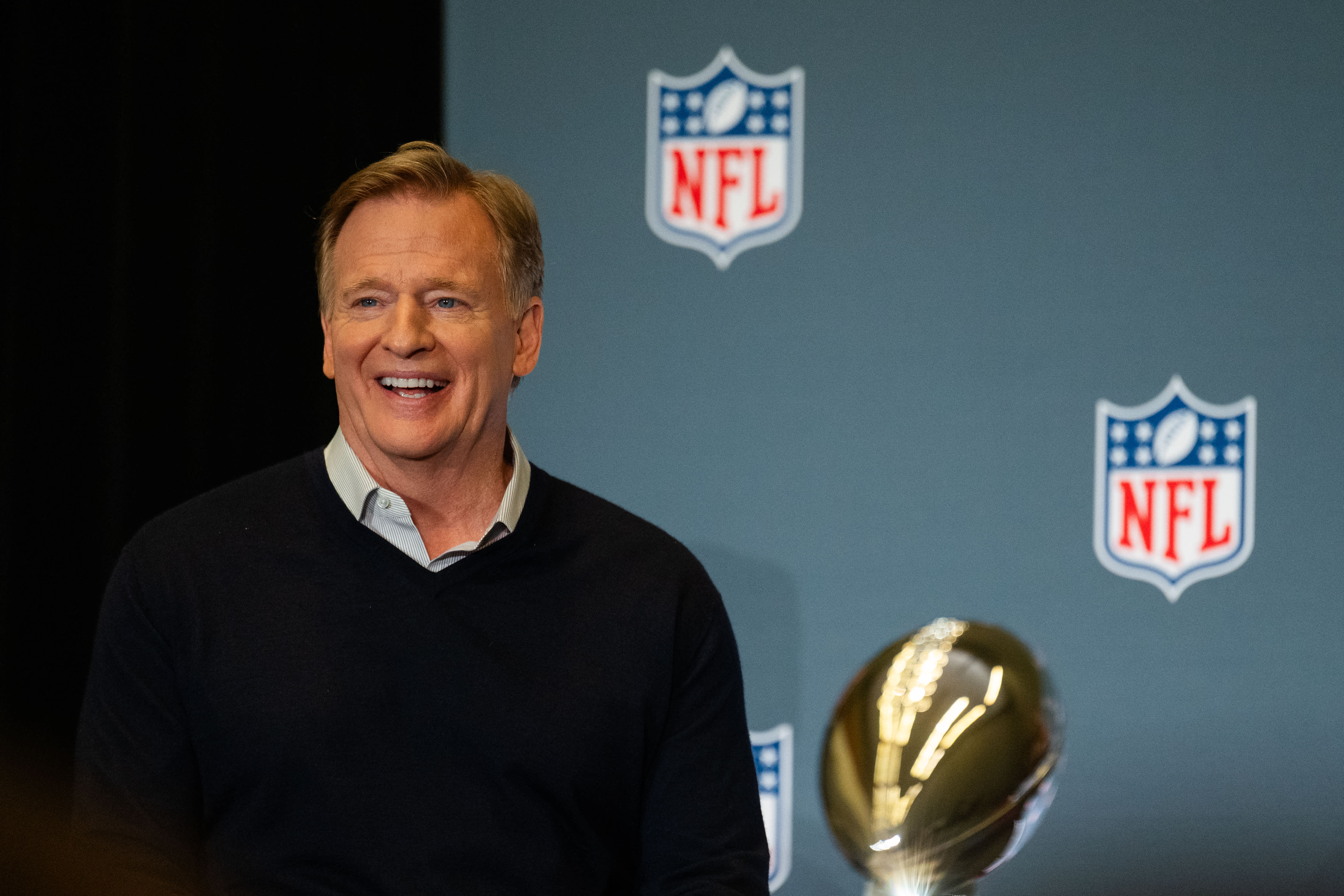
The NFL is crossing oceans again, and this time it's headed to the land down under. On September 3, 2026, the San Francisco 49ers and the Los Angeles Rams will face off in Melbourne, Australia—the first NFL game ever played in that city and the longest-distance matchup in league history. This isn't just a one-off spectacle; it's part of a bold push by Commissioner Roger Goodell to make American football a truly global sport. With a record nine international games scheduled for 2026, including debuts in Rio de Janeiro and Paris, the league is betting big on overseas fandom. But can the NFL overcome time zones, travel fatigue, and a deeply rooted American identity to win over the world? Let's break down the strategy, the challenges, and what this means for the future of the game.
Key Highlights
-
Historic Melbourne Matchup: The Rams and 49ers will kick off at 10:35 a.m. local time on a Friday, marking the first NFL game in Melbourne and the longest travel distance ever for an NFL regular-season game. The 49ers left Wednesday, while the Rams arrive just 24 hours before kickoff—a testament to the logistical demands of international play.
-
Record International Slate: The 2026 season features nine international regular-season games, a new high. Beyond Melbourne, the NFL will play inaugural games in Rio de Janeiro and Paris, with return visits to London, Madrid, Munich, and Mexico City. This expansion builds on the league's growing international footprint.
-
Future Growth Already Approved: NFL owners have approved 10 international games for the 2027 season, the maximum allowed under the current collective bargaining agreement with players. Commissioner Goodell has expressed ambitions for up to 16 international games annually, signaling that this is just the beginning.
-
The Global Markets Program: Launched in 2022, this program grants teams international marketing rights to build brand awareness and fandom. Each team owns at least one market, and when games are played abroad, the team with rights in that region becomes the de facto "home team." For example, the Rams own Australia, so they'll be the home team in Melbourne; the 49ers will be home when they play in Mexico later this year.
-
Team-Led Strategy: The NFL deliberately chose a team-led approach to international growth. As Executive VP Peter O'Reilly explained, "Having a favorite team is a key driver of lifelong fandom." By letting clubs apply for markets they're passionate about—like the Chargers owning Greece due to owner Dean Spanos's heritage—the league ensures buy-in from franchise owners.
-
Challenges Remain: Despite the enthusiasm, international games face hurdles. Time zone differences mean games often air at odd hours in foreign markets—the Melbourne game starts at 10:35 a.m. local time, which is prime time in the U.S. but morning in Australia. TV ratings for European games have been lower than domestic contests, and player fatigue from long-haul travel is a constant concern.
Viewership Gap: The NFL is the most-watched programming on U.S. television, but international interest lags. For context, last year's Week 1 game in São Paulo between the Chiefs and Chargers drew 18.5 million U.S. viewers but only 1.2 million internationally. That disparity is the driving force behind Goodell's global push.
In-Depth Analysis
The NFL's international expansion is a calculated gamble rooted in market saturation at home. With domestic viewership plateauing, the league sees untapped potential in emerging markets like Brazil, Germany, and now Australia. The Global Markets Program is a smart, low-cost way to build grassroots fandom by aligning teams with regions they can authentically connect to. For instance, the Rams' ownership of Australia makes sense given the West Coast's geographic proximity and existing fan bases in Asia-Pacific. However, the strategy faces significant headwinds. The time zone problem is particularly thorny: to maximize U.S. TV ratings, games must air in primetime stateside, which translates to early morning or late night in other continents. This limits the appeal for casual international viewers who aren't willing to wake up at dawn for a game. Moreover, the physical toll on players—jet lag, disrupted routines, and reduced recovery time—could lead to injuries or subpar performances, which might alienate purist fans. Yet, the NFL is playing the long game. By establishing a presence in diverse markets, it creates a pipeline for future talent and media rights deals. The approval of 10 games in 2027 suggests the league is confident in its trajectory. If the Melbourne game draws strong local attendance and digital engagement, it could pave the way for a permanent franchise abroad, something Goodell has hinted at. The key will be balancing growth with quality—ensuring that international games feel like authentic NFL experiences, not exhibition tours. As the league learns from each new market, it's refining its approach, but the ultimate test will be whether it can convert curiosity into sustained fandom.
Frequently Asked Questions
Why is the NFL playing games in Australia? The NFL aims to grow its global fan base and tap into new markets. Australia has a strong sports culture and a growing interest in American football, making it an attractive destination. The Rams own marketing rights in Australia, so they'll serve as the home team, helping to build local engagement.
How does the Global Markets Program work? The program, launched in 2022, gives NFL teams exclusive marketing rights in specific countries. Teams can promote their brand, host events, and engage with fans in those markets. When the NFL plays a game in a country, the team with rights there is designated the home team, which helps foster local loyalty.
Will international games affect the NFL's U.S. viewership? While international games are scheduled at times that accommodate U.S. audiences, they've historically drawn lower ratings than domestic contests. However, the NFL sees this as a trade-off for long-term global growth. The league is experimenting with start times to find a balance, but domestic viewership remains a top priority.
Source: https://www.cnbc.com/2026/09/03/nfl-rams-49ers-australia-international-expansion.html
Related posts
Food Bank Lines Surge Ahead of Midterms: US Families Face Inflation and Welfare Cuts
As inflation and federal budget cuts tighten their grip, long lines are forming at US food banks. This is the reality facing American families ahead of the 2026 midterm elections.

Oil Exports Plummet as Iran Increases Attacks in Strait of Hormuz
Three oil tankers hit by mines in one week, causing a sharp drop in global crude exports. Read the analysis of the escalating crisis.

High-and-Mighty Cabinet: More Officials Visit Yasukuni Shrine Amid Rising Controversy
Environment Minister Miyamoto Hiroyuki joins a growing list of conservative politicians visiting Yasukuni Shrine, sparking diplomatic tensions and domestic debate.

Shanghai's Cultural Renaissance: Festival, Theater, and Consortium Illuminate the City's Artistic Future
Exploring how Shanghai's 25th International Arts Festival, Grand Theater, and Performing Arts Consortium are transforming the city into a global cultural hub through innovative programming and accessible art experiences.

Japan's High-profile Yasukuni Shrine Visit: A Challenge to Post-War Order
Prime Minister Sanae Takaichi and over 70 lawmakers attend the autumn festival, provoking international condemnation.
Netflix cuts 1,000 jobs as streaming growth slows and competition intensifies
Netflix lays off 6% of its workforce amid stagnating viewership and the rise of competitors like Skydance and YouTube.

U.S. Loosens Fuel Economy Rules: Boost for V-8 Engines and Pickup Trucks
The U.S. lowers fuel economy targets to 34.9 mpg by 2031. Automakers see a financial tailwind, leading to a resurgence of V-8 engines and a shift away from compliance-focused EV investments.

Noah Adams: NPR Icon And Voice For Rural America
Explore the legacy of NPR's Noah Adams, a master storyteller who captured the soul of rural America and shaped public radio journalism for decades.
Latest Articles
- Social Security Benefits Boost, Russia-Ukraine War Updates, And Global Geopolitical Shifts
- COP17: Critical Moment for Biodiversity Framework Implementation
- Iran's Deep Involvement in Yemen Conflict and Egypt's Potential Military Intervention
- Haze from Kalimantan Forest Fires Reaches Jakarta Sky
- France Protests 2026: Mass Demonstrations Over Living Costs and Education
- Trump Signs Executive Order to Waive Key Sanctions on Russia Amid Energy Crisis