Venezuela's 100-Year Oil Deal: What Did the Country Really Gain?
A deep dive into the controversial US-Venezuela oil agreement, the mysterious NABEP company, and the broader geopolitical and humanitarian implications.
Source: thepaper.cn
In a move that has sent shockwaves through the global energy sector, the White House announced on September 2 a landmark oil agreement with Venezuela's interim government—a deal that President Trump has touted as the "largest in world history." But beneath the grandiose rhetoric lies a complex web of geopolitical maneuvering, corporate intrigue, and humanitarian crisis. As a mysterious private firm secures rights to Venezuela's vast oil reserves and the US government takes an unprecedented direct stake, questions abound: What does this mean for the Venezuelan people, the global oil market, and the future of international energy politics?
Key Details of the Deal
- The Agreement: A company named North American Blue Energy Partners (NABEP) has been granted concession rights to 17 core oil fields in Venezuela, containing an estimated 65 billion barrels of reserves. This is not just a commercial venture—the US government will directly hold a 35% stake, receive a 20% guaranteed share at cost, and hold priority purchase rights on remaining production.
- The Mysterious Player: NABEP is led by Alejandro Betancourt, a businessman with a controversial past, including money laundering charges in multiple countries. His rise from alleged corruption to a key figure in White House negotiations raises serious questions about the deal's transparency and motivations.
- The Absence of Major Oil Companies: Notably, established energy giants like ExxonMobil, Chevron, and Shell are conspicuously absent from this deal. This suggests that the agreement may be more about political strategy than purely commercial interests, or that these companies were unwilling to take on the risks associated with Venezuela's volatile political climate.
- The Context of Crisis: Venezuela is currently grappling with a staggering inflation rate of 576%, widespread shortages of basic goods, and a humanitarian crisis that has forced millions to flee the country. The deal is being framed by some as a lifeline, but critics argue it may deepen the country's dependency and fail to address immediate needs.
- The Legal Drama: In parallel, Venezuelan leader Nicolás Maduro is facing what has been dubbed a "trial of the century" in New York, where he has attempted to use claims of head-of-state immunity to have charges against him dismissed. This legal battle adds another layer of complexity to the already tense US-Venezuela relations.
- The Political Earthquake: The deal has caused political ripples in Miami, a hub for Venezuelan exiles, and has been met with mixed reactions. Some see it as a betrayal of the anti-Maduro cause, while others view it as a pragmatic step toward stabilizing the region.
- The Human Toll: Beyond the high-level politics, ordinary Venezuelans are struggling to survive. The podcast highlights the daily realities of people facing hyperinflation and scarcity, reminding us that the true cost of such deals is often borne by the most vulnerable.
In-Depth Analysis
The US-Venezuela oil deal represents a significant shift in international energy politics, blending geopolitical strategy with corporate opportunism. By bypassing traditional oil majors and engaging with a relatively unknown entity like NABEP, the US appears to be pursuing a more direct and assertive approach to securing energy resources. This could be interpreted as a move to counter the influence of other global powers, such as China and Russia, who have historically had close ties with Venezuela's oil industry. However, the involvement of a figure like Betancourt raises red flags about the deal's integrity and long-term viability. The 100-year concession period is particularly striking—it suggests a level of commitment that goes far beyond typical commercial agreements, hinting at a desire for prolonged geopolitical leverage. Yet, this also locks Venezuela into a relationship that may not serve its people's best interests, especially given the current humanitarian crisis. The lack of transparency in the negotiation process and the absence of major industry players could indicate that this deal is more about political symbolism than practical energy solutions. Looking ahead, the success of this agreement will depend on whether it can bring tangible benefits to the Venezuelan population, such as economic stabilization and social improvements. If not, it risks becoming another chapter in the country's long history of resource exploitation and political turmoil.
Frequently Asked Questions
Q: How will this deal affect global oil prices?
A: The deal could potentially increase global oil supply in the long term, given Venezuela's vast reserves. However, immediate impacts are likely limited due to the need for infrastructure investment and political stabilization. In the short term, market reactions may be driven more by geopolitical tensions than actual production changes.
Q: Is this deal legal under international law?
A: The legality is questionable, particularly because it involves a government that is not universally recognized. The interim government led by Juan Guaidó has been recognized by the US and several other countries, but not by others, including China and Russia. This could lead to legal challenges from other parties claiming rights to Venezuela's oil assets.
Q: What does this mean for the Venezuelan people?
A: The deal's impact on ordinary Venezuelans is uncertain. Proponents argue it could bring much-needed revenue and investment, potentially stabilizing the economy. Critics, however, warn that it may entrench corruption and fail to address the immediate humanitarian needs, as the benefits might not trickle down to the population.
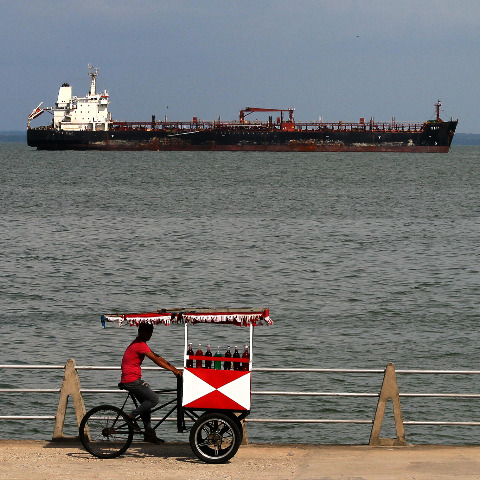
Source: https://www.thepaper.cn/newsDetail_forward_34001863
Related posts
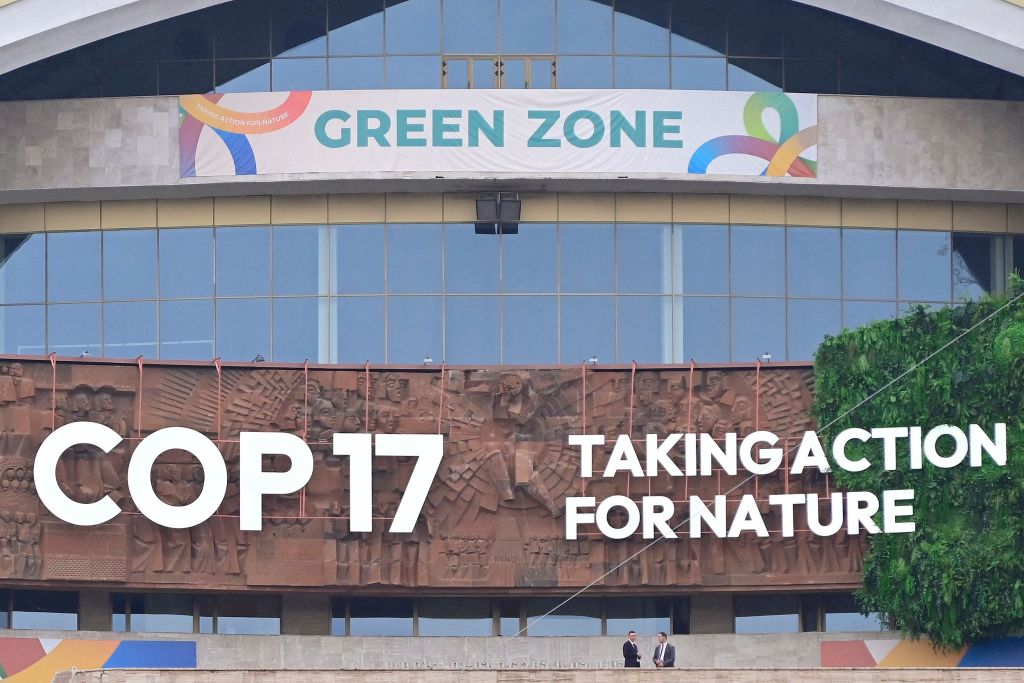
COP17: Critical Moment for Biodiversity Framework Implementation
As the Kunming-Montreal Global Biodiversity Framework faces implementation challenges, COP17 must deliver concrete solutions to address funding gaps, subsidy reforms, and global cooperation.
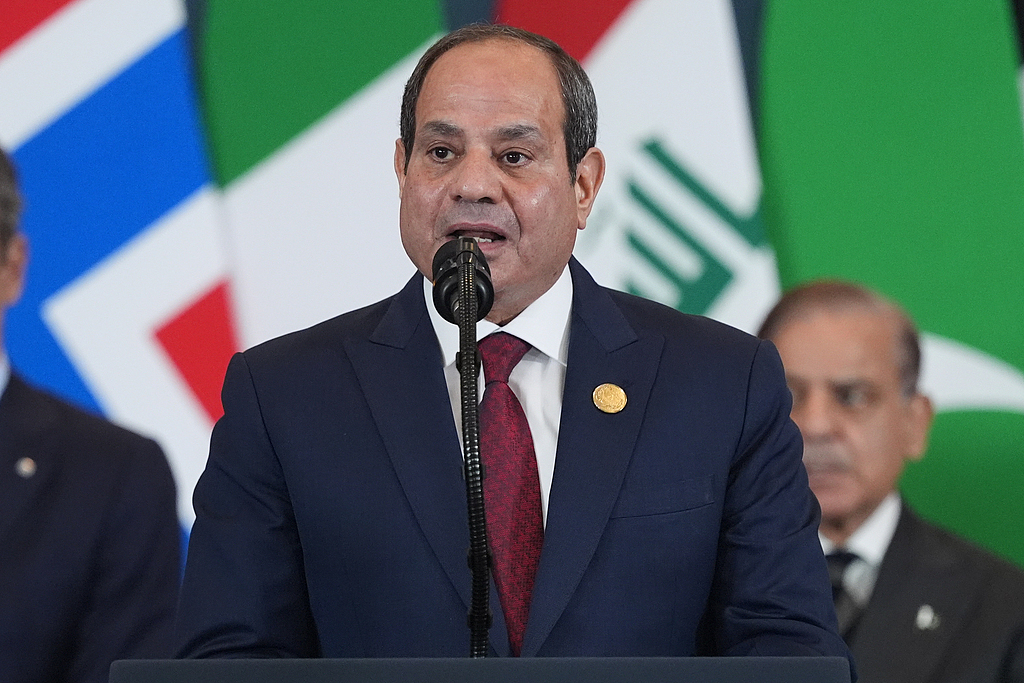
Iran's Deep Involvement in Yemen Conflict and Egypt's Potential Military Intervention
Saudi Arabia faces critical shortages in air defense due to Houthi attacks, prompting urgent requests for help. Reports reveal Iran's intelligence support for Houthi strikes, while Egypt prepares to defend Saudi sovereignty.
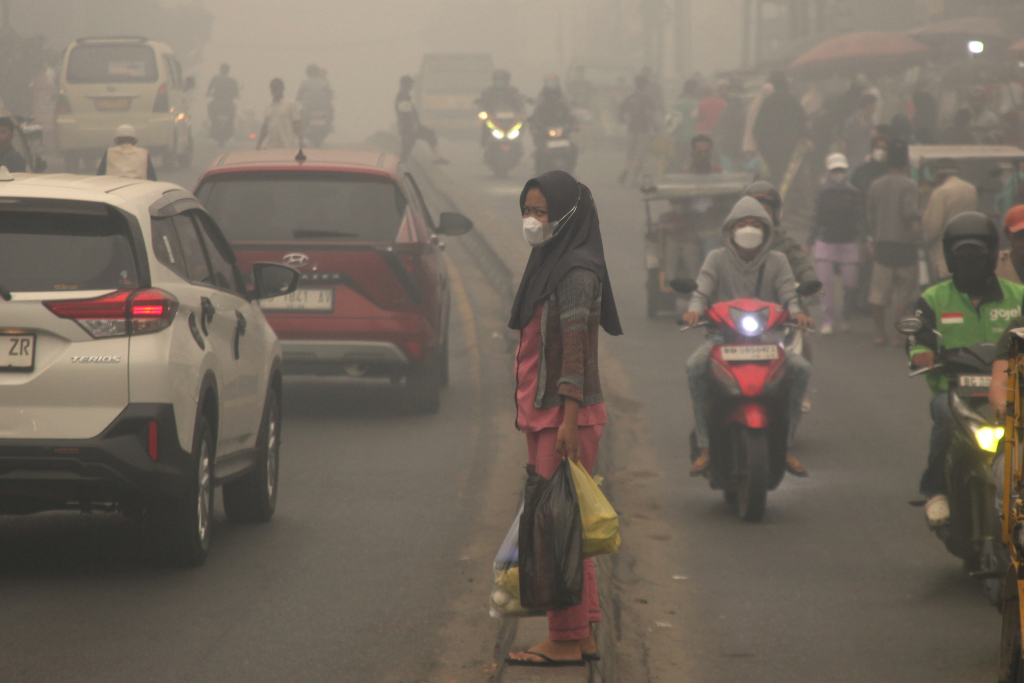
Haze from Kalimantan Forest Fires Reaches Jakarta Sky
Smoke from massive forest fires in Kalimantan, Indonesia, has drifted over the capital, Jakarta, creating hazardous air quality conditions and affecting neighboring Singapore and Malaysia.

France Protests 2026: Mass Demonstrations Over Living Costs and Education
Hundreds arrested in France as millions march against fuel prices, education cuts, and public service reforms. Explore the latest updates.
Trump Signs Executive Order to Waive Key Sanctions on Russia Amid Energy Crisis
Trump administration exempts major parts of the Graham Bill, including 500% tariffs on Russian imports, to stabilize domestic fuel markets.

LDP Senior Official Visits Yasukuni Shrine Amid Rising Regional Tensions
Analysis of the recent high-profile visits to Yasukuni Shrine by Japanese LDP leadership, including Katsunobu Kato and Masako Okada, and their implications for regional diplomacy.
Merck CEO: Cancer Vaccine Production Timeline to Shorten
Merck and Moderna's personalized cancer vaccine is evolving. CEO Rob Davis discusses speeding up the six-week manufacturing process to reach more patients sooner.

Porsche Unveils Mission S Concept: New Flagship Design Direction
Porsche reveals Mission S concept car previewing new design language and positioning above iconic 911 as part of turnaround strategy.
Latest Articles
- AI Startup Bankruptcies: The Reverse Acquihire Trend Explained
- IMF Secretary-General Warns: Strait of Hormuz Risks Remain High Amid Rising Attacks
- Trump's AI to SI Rename: Political Theater or Tech Revolution?
- KFC Switches to Coca-Cola After Decades-Long Partnership with Pepsi
- Netflix Appoints Peter Rice as New Chief Content Officer to Revitalize Strategy
- Nike's India Campus Strategy Amid China Sales Decline