SCO at 25: Why 'Shanghai Spirit' Still Anchors a Changing World
Exploring the SCO's 25-year journey, Xi Jinping's reaffirmation of the founding spirit, and how the bloc navigates security, development, and global governance.
Source: thepaper.cn
When the Shanghai Cooperation Organization (SCO) was born in 2001, few predicted it would evolve into the world's largest regional bloc by geography and population. A quarter-century later, as leaders gathered in Bishkek for the 26th Council of Heads of State, Chinese President Xi Jinping invoked a timeless phrase: "Stay true to the original aspiration; though distant, never slacken." This call to remember the founding spirit comes at a pivotal juncture—not just for the SCO, but for a global order increasingly fragmented by geopolitical rivalry. Why does this ethos matter now more than ever? The answer lies in how the SCO has defied conventional alliance politics to chart a unique path of cooperation.
Key Takeaways
-
From 6 to 27 Members: A Remarkable Expansion — The SCO started with China, Russia, Kazakhstan, Kyrgyzstan, Tajikistan, and Uzbekistan. Today, it spans three continents, encompassing 27 countries that represent over 40% of the world's population. This growth reflects its appeal as a non-Western platform for dialogue, especially for nations seeking alternatives to traditional security blocs.
-
The 'Shanghai Spirit' as a Foundational Principle — At its core, the Shanghai Spirit emphasizes mutual trust, mutual benefit, equality, consultation, respect for cultural diversity, and pursuit of common development. Unlike Cold War-era alliances, it rejects zero-sum thinking and bloc politics, offering a model for international relations based on inclusive cooperation.
-
China's Consistent Role as a Founding Member — Since 2013, President Xi has attended 14 SCO summits, repeatedly stressing the importance of upholding the original aspiration. China's commitment is not just rhetorical; it has spearheaded concrete initiatives, from aligning the Belt and Road Initiative with SCO development strategies to establishing cooperation centers for AI, port economy, and basic education.
-
Expanding Beyond Security into Diverse Fields — Initially focused on regional security, the SCO now operates across more than 50 cooperation areas, including trade, energy, digital economy, and people-to-people exchanges. This diversification has made it a comprehensive platform for addressing modern challenges.
-
New Initiatives Announced at the Bishkek Summit — Xi unveiled plans for an International AI Application Cooperation Center, a China-SCO Port Economy Cooperation Center in Tianjin, and a Basic Education Cooperation Center. These moves signal a forward-looking agenda that leverages technology and education for shared prosperity.
-
Four Pillars for Future Cooperation — Xi proposed prioritizing development, security, people-centered approaches, and dialogue-based consultation. These align with broader global initiatives on development, security, civilization, and governance, positioning the SCO as a contributor to global governance reform.
In-Depth Analysis
The SCO's resilience over 25 years stems from its ability to adapt without abandoning its founding principles. In a world where multilateralism is under strain, the organization offers a counter-narrative to exclusive, value-based blocs. Its expansion—welcoming countries like India, Pakistan, and Iran—demonstrates that geographic and cultural diversity need not be a barrier to cooperation. The Shanghai Spirit, often criticized as vague, has proven pragmatic: it allows member states with differing political systems and interests to find common ground on security and economic issues.
However, the SCO faces significant challenges. The Russia-Ukraine conflict and tensions in the South China Sea test the organization's ability to maintain unity. The emphasis on non-interference and non-alignment can be a double-edged sword, limiting its capacity to address intra-bloc disputes. Moreover, as the SCO grows, decision-making by consensus becomes more complex. Yet, the very fact that it continues to attract new members suggests that many nations see value in a platform that respects sovereignty and promotes mutual benefit.
Looking ahead, the SCO's focus on 'global South' issues—such as development finance, technology transfer, and infrastructure—positions it as a champion for emerging economies. By proposing initiatives like the AI cooperation center, the SCO is not only fostering innovation but also shaping norms for technology governance in the developing world. The challenge will be to translate these proposals into tangible outcomes that benefit ordinary citizens, thereby reinforcing the people-centered rhetoric. If successful, the SCO could serve as a model for regional organizations navigating the complexities of the 21st century.
Frequently Asked Questions
What is the 'Shanghai Spirit'? The Shanghai Spirit refers to the guiding principles of the SCO: mutual trust, mutual benefit, equality, consultation, respect for diverse civilizations, and pursuit of common development. It emphasizes cooperation over confrontation and has been central to the organization's identity since its founding.
How does the SCO differ from NATO or other military alliances? Unlike NATO, which is a collective defense alliance, the SCO is not a military pact. It focuses on security cooperation, confidence-building measures, and counterterrorism, but operates on principles of non-alignment, non-confrontation, and non-targeting of third parties. This makes it more of a consultative and cooperative framework than a traditional alliance.
What new initiatives did China announce at the 2026 summit? China announced plans to establish an International AI Application Cooperation Center for SCO countries, a China-SCO Port Economy Cooperation Center in Tianjin, and a China-SCO Basic Education Cooperation Center. These aim to boost cooperation in technology, trade, and education, aligning with the SCO's broader development goals.
Source: https://www.thepaper.cn/newsDetail_forward_34000305
Related posts

COP17: Critical Moment for Biodiversity Framework Implementation
As the Kunming-Montreal Global Biodiversity Framework faces implementation challenges, COP17 must deliver concrete solutions to address funding gaps, subsidy reforms, and global cooperation.
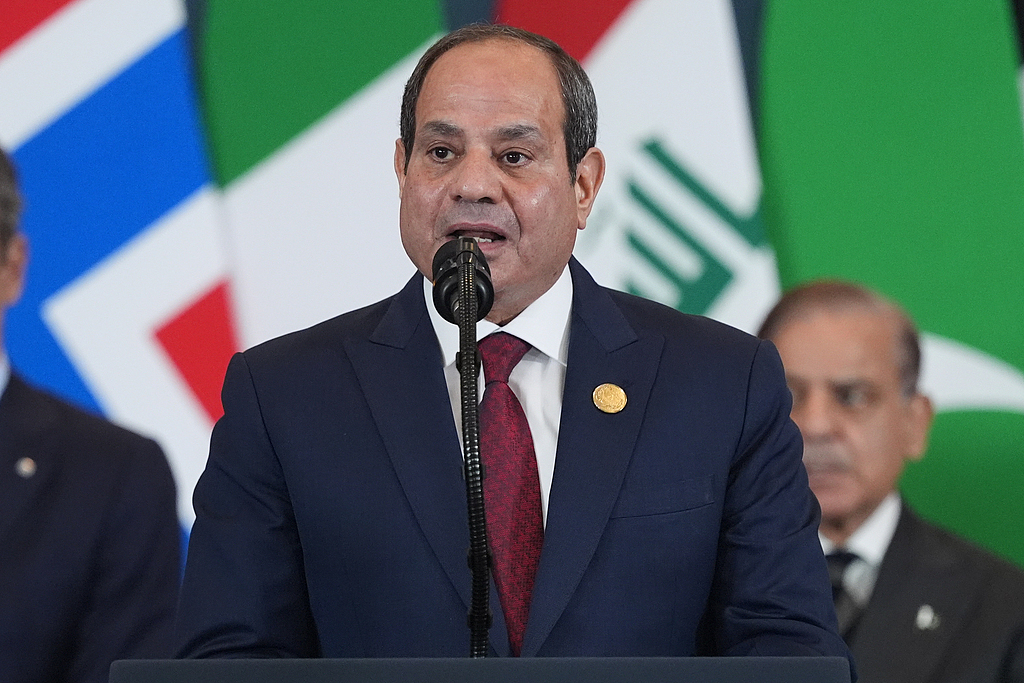
Iran's Deep Involvement in Yemen Conflict and Egypt's Potential Military Intervention
Saudi Arabia faces critical shortages in air defense due to Houthi attacks, prompting urgent requests for help. Reports reveal Iran's intelligence support for Houthi strikes, while Egypt prepares to defend Saudi sovereignty.
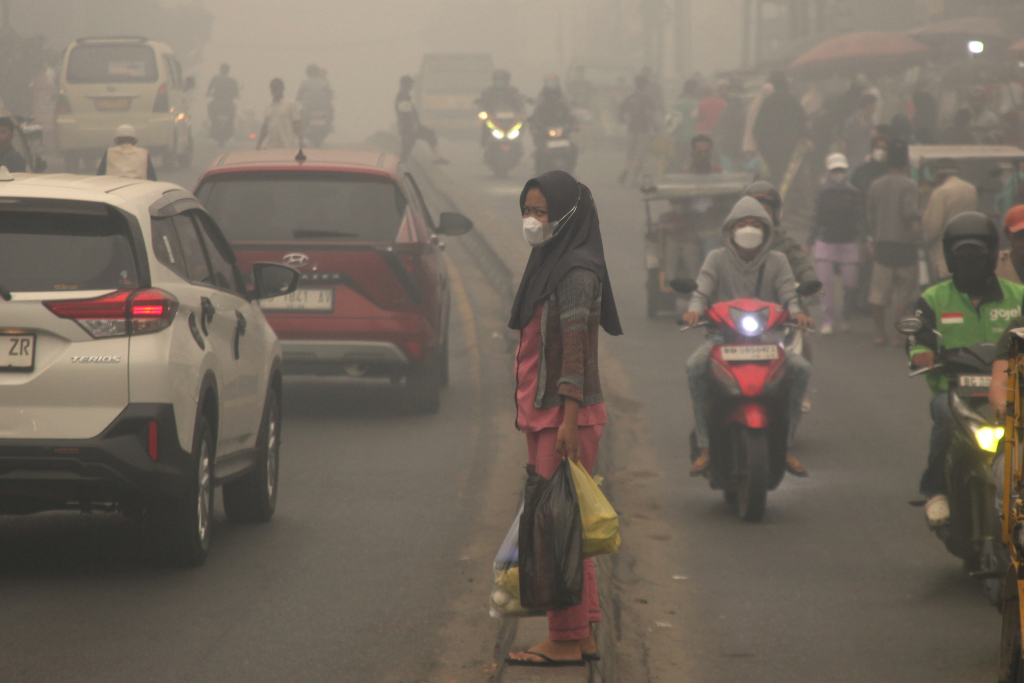
Haze from Kalimantan Forest Fires Reaches Jakarta Sky
Smoke from massive forest fires in Kalimantan, Indonesia, has drifted over the capital, Jakarta, creating hazardous air quality conditions and affecting neighboring Singapore and Malaysia.

France Protests 2026: Mass Demonstrations Over Living Costs and Education
Hundreds arrested in France as millions march against fuel prices, education cuts, and public service reforms. Explore the latest updates.
Trump Signs Executive Order to Waive Key Sanctions on Russia Amid Energy Crisis
Trump administration exempts major parts of the Graham Bill, including 500% tariffs on Russian imports, to stabilize domestic fuel markets.

LDP Senior Official Visits Yasukuni Shrine Amid Rising Regional Tensions
Analysis of the recent high-profile visits to Yasukuni Shrine by Japanese LDP leadership, including Katsunobu Kato and Masako Okada, and their implications for regional diplomacy.
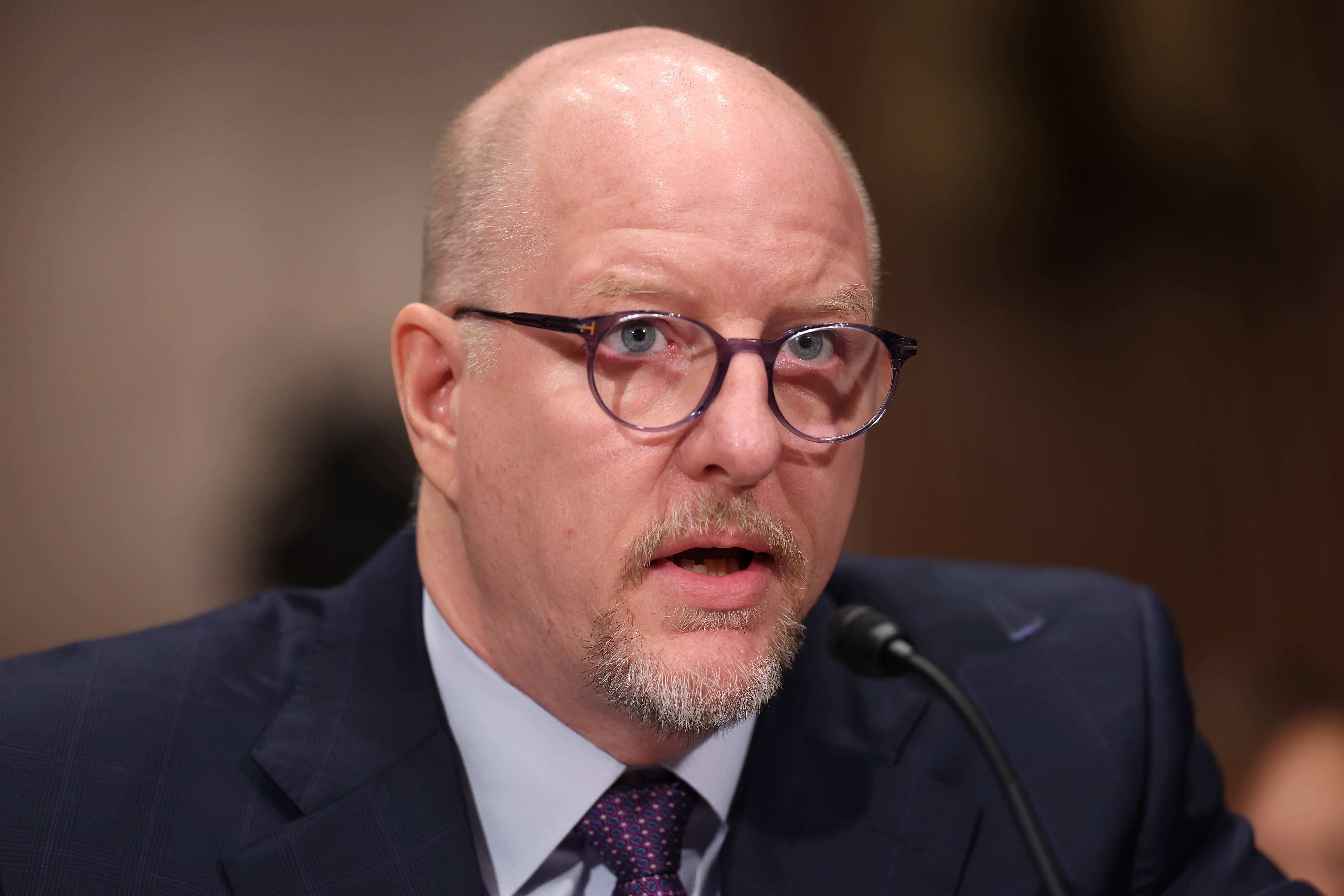
Merck CEO: Cancer Vaccine Production Timeline to Shorten
Merck and Moderna's personalized cancer vaccine is evolving. CEO Rob Davis discusses speeding up the six-week manufacturing process to reach more patients sooner.

Porsche Unveils Mission S Concept: New Flagship Design Direction
Porsche reveals Mission S concept car previewing new design language and positioning above iconic 911 as part of turnaround strategy.
Latest Articles
- AI Startup Bankruptcies: The Reverse Acquihire Trend Explained
- IMF Secretary-General Warns: Strait of Hormuz Risks Remain High Amid Rising Attacks
- Trump's AI to SI Rename: Political Theater or Tech Revolution?
- KFC Switches to Coca-Cola After Decades-Long Partnership with Pepsi
- Netflix Appoints Peter Rice as New Chief Content Officer to Revitalize Strategy
- Nike's India Campus Strategy Amid China Sales Decline