Trump's New Drug Pricing Deals: 9 More Drugmakers Sign On
President Trump announces drug pricing deals with nine mid-sized drugmakers, expanding his 'most favored nation' policy. Learn about the impact on prices, manufacturing, and the industry.
Source: CNBC
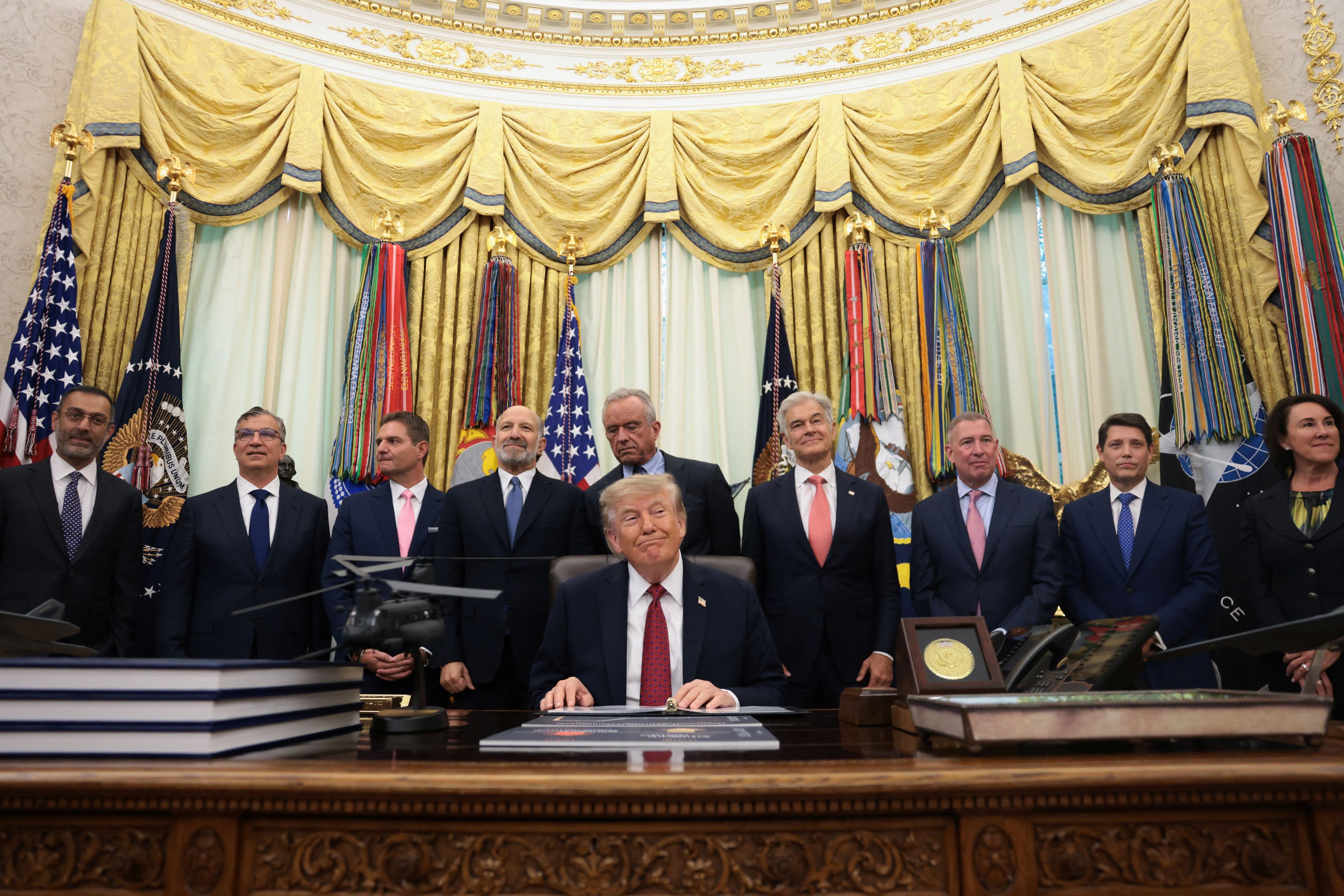
President Donald Trump has announced a new round of drug pricing agreements with nine mid-sized pharmaceutical companies, a move that extends his administration's aggressive push to align U.S. drug prices with lower rates paid abroad. The deals, unveiled on Monday, come as part of the 'most favored nation' policy, which the White House says will save Americans billions and reduce the burden of healthcare costs. With midterm elections on the horizon, these agreements are a key pillar of the administration's strategy to spotlight affordability. But what do these deals actually mean for patients, drugmakers, and the broader pharmaceutical landscape? Let's break it down.
Key Details of the New Deals
- The nine companies involved: Alcon, Astellas Pharma, BeOne Medicines, BridgeBio, CSL, Kyowa Kirin, Sun Pharma, Teva Pharmaceuticals, and UCB. These are primarily mid-sized firms, though some, like Teva and UCB, are global players.
- Discounts for Medicaid: Each company has agreed to provide discounts on outpatient drugs to every state Medicaid program, ensuring that the prices states pay match what the companies charge in foreign markets. This directly addresses the disparity where U.S. prices are often two to three times higher.
- Impact on treatments: The agreements cover drugs for chronic and rare diseases, including hemophilia, liver disease, skin conditions, and certain cancers. This broadens the reach of the policy beyond just blockbuster drugs.
- Manufacturing investment: The companies have committed to invest at least $19.6 billion collectively in U.S. manufacturing in the near term. This is part of a larger trend of reshoring pharmaceutical production to avoid tariff threats and supply chain vulnerabilities.
- Strategic reserves: Astellas, Sun Pharma, Teva, and UCB will donate active pharmaceutical ingredients (APIs) to the federal government's strategic reserve. For example, UCB will contribute 163 tons of levetiracetam, an anticonvulsant used for seizures, to ensure emergency preparedness.
- Total count: With these new agreements, the Trump administration has now signed deals with 26 companies, representing about 90% of the domestic pharmaceutical market. Trump asserted that the remaining 10% 'have no choice' but to join.
- Previous deals: Over the past year, the administration reached similar agreements with 17 other companies, including Pfizer, Eli Lilly, and Novo Nordisk, under the 'most favored nation' policy revived by an executive order in May 2025.
In-Depth Analysis
The expansion of these drug pricing deals signals a significant shift in the U.S. pharmaceutical market. By tying U.S. prices to those in other countries, the Trump administration is attempting to dismantle the longstanding practice where American consumers effectively subsidize global drug development. The 'most favored nation' policy, which Trump has championed as a way to 'end global freeloading,' is a direct challenge to the industry's pricing power. However, the impact is nuanced. On one hand, lower prices could improve access to essential medications for millions of Americans, particularly those on Medicaid. On the other hand, pharmaceutical companies are already feeling the financial strain. For instance, Novo Nordisk has acknowledged that it will take time for prescription volumes to offset the revenue dip from lower prices. This could lead to reduced R&D investment in the long term, potentially stifling innovation. Moreover, the deals are forcing companies to rethink their commercial strategies. Many are now investing heavily in U.S. manufacturing to shield themselves from tariff threats, as seen in the $19.6 billion commitment. This reshoring trend could have positive implications for U.S. job creation and supply chain security. Yet, the industry's trade association, PhRMA, has criticized the policy, arguing that pharmacy benefit managers, not drugmakers, are the primary drivers of high prices. As the midterm elections approach, these deals will likely remain a contentious political issue, with both parties vying to claim credit for lowering drug costs. The long-term sustainability of this approach remains uncertain, but for now, the administration is doubling down on its promise to make drugs more affordable.
Frequently Asked Questions
How will these deals affect my prescription drug prices?
If you are on Medicaid, you may see lower out-of-pocket costs for certain drugs covered under the deals. For those with private insurance, the impact may be indirect, as the deals could influence overall market pricing trends. However, not all drugs are included, so the effect varies.
What is the 'most favored nation' policy?
It's a policy that aims to ensure the U.S. pays no more for prescription drugs than other countries. It was revived by an executive order in May 2025 and involves negotiating voluntary price reductions with drugmakers, tying U.S. prices to lower rates abroad.
Are these deals mandatory?
No, they are voluntary agreements. However, President Trump has suggested that companies that don't participate may face consequences, such as tariffs or other penalties, creating strong incentive to join.
Source: https://www.cnbc.com/2026/08/31/trump-drug-pricing-deals.html
Related posts
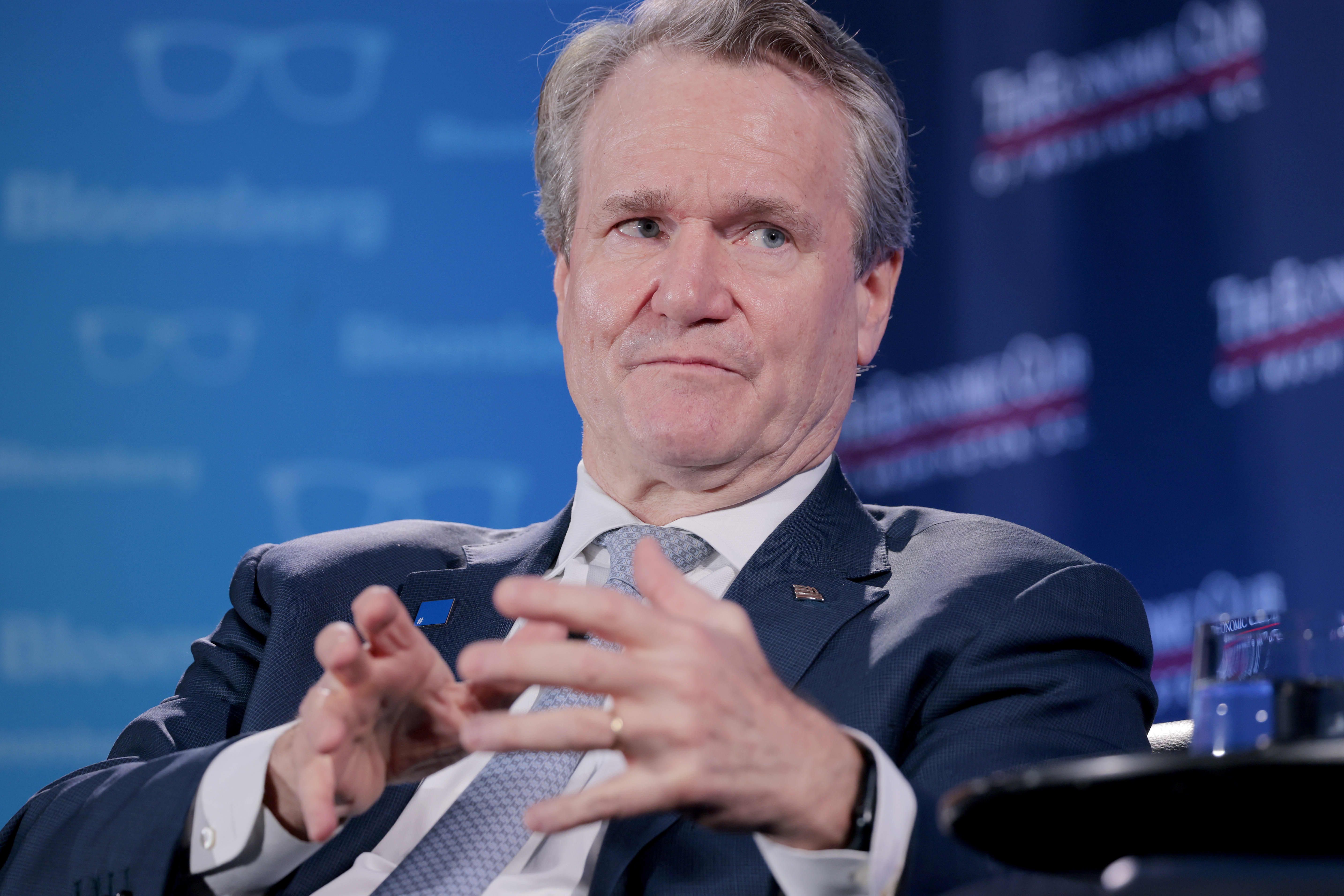
Bank of America Q3 2026: Revenue Miss, Regulatory Penalty, and Stock Drop Analysis
Bank of America's third-quarter earnings reveal a challenging financial landscape marked by a $1.2 billion penalty and disappointing trading results. This analysis explores the implications for the bank's future and the broader market.
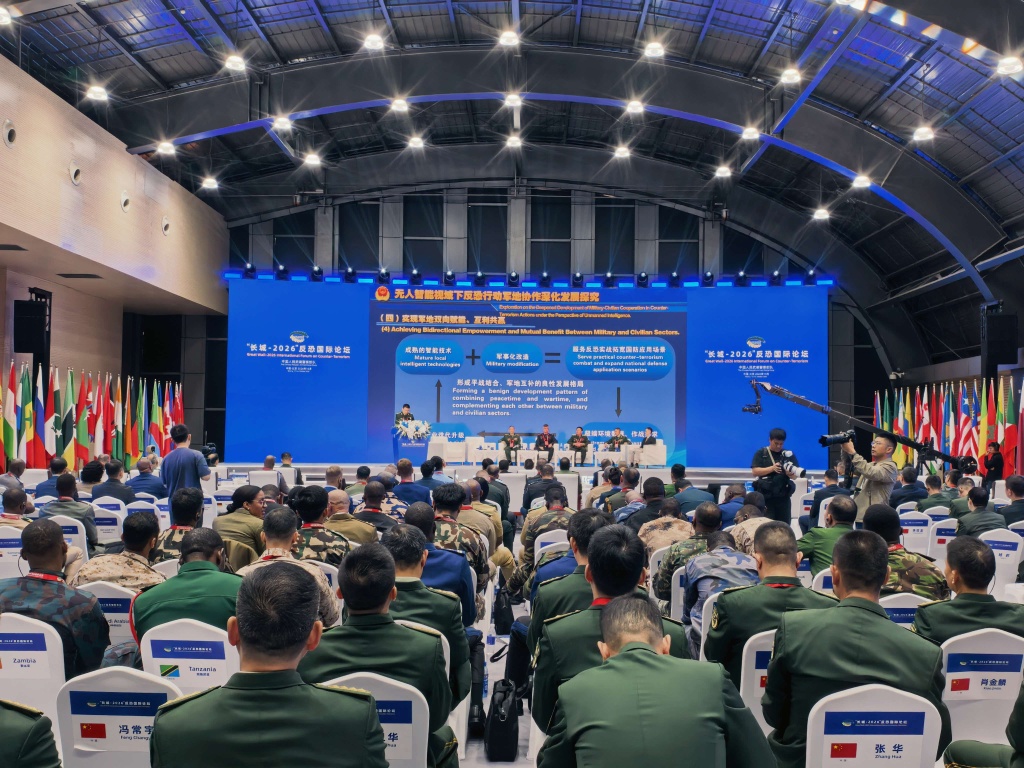
AI-Powered Counterterrorism: New Frontiers in the Fight Against Modern Terrorist Threats
Exploring how artificial intelligence is reshaping counterterrorism strategies worldwide, with insights from the 'Great Wall-2026' forum on emerging threats and defense innovations.
China Upgrades Asia-Africa Pavilion at CIIE to Boost Zero-Tariff Benefits
China's Ministry of Foreign Affairs announces enhanced Asia-Africa product zone at CIIE 2026 to help African nations capitalize on zero-tariff advantages.
Korea's Yoon Suk Yeol Prepares for Trump Golf Meeting
Yoon Suk Yeol's team is setting up a special working group for a potential golf meeting with Donald Trump. Explore the diplomatic strategy, recent controversies, and the political significance behind this high-profile sporting event.
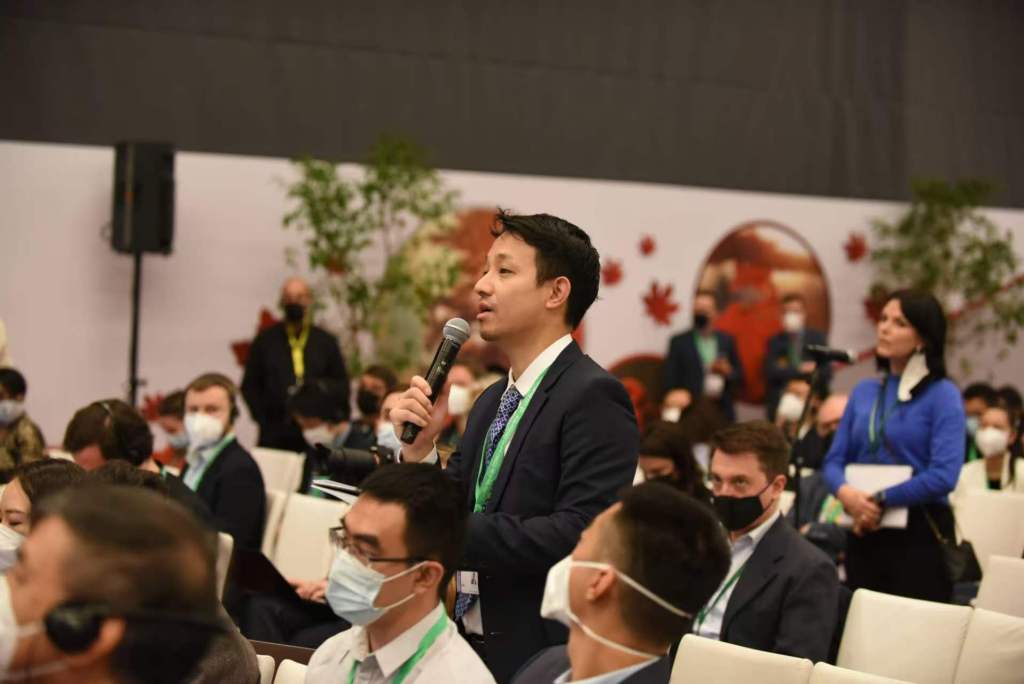
Climate Journalism at the Tipping Point: Finding Action in Environmental Crisis
Exploring climate reporting's critical role in environmental awareness and action amid global climate tipping points.
US Lawmaker: AI Transcends Borders, Urging US-China Cooperation
Washington State Representative Roger Goodman emphasizes that AI risks don't recognize national boundaries, calling for enhanced US-China collaboration to ensure AI benefits humanity.
United Airlines 2027 Status Changes: Why Earning Top Tier is Getting Harder
United Airlines is removing flight segment requirements to reach elite status. Discover how the new points-based system works and what it means for your travel rewards.
US-EU Double Standards Exposed: Trump's Russia Diesel Deal Sparks Global Outcry
Trump's deal to buy Russian diesel while sanctioning others reveals a hypocritical US energy policy amid rising global inflation.
Latest Articles
- Walmart Expands Employee Healthcare: Free GLP-1s, Insulin, and More
- Travelers Beware: How Scammers Impersonate Consular Staff
- Ukraine Claims Drone Attacks Reduced Russian Online Propaganda
- Saudi Crown Prince's Evacuation: Escalating Conflict Threatens Vision 2030
- FAA warns U.S. airlines of safety risks over Saudi Arabia after attacks
- McDonald's Chicken and Beverage Strategy Faces Intense Competition