2026 A-Share Corporate Governance Ranking: Leaders and Laggards Revealed
NetEase Finance and Wind ESG unveil the first A-share corporate governance ranking, spotlighting top performers and warning signs. Key industries, insights, and FAQs.
Source: 163.com
As global sustainability momentum accelerates, ESG has become a critical lens for evaluating corporate value and competitiveness. In a pioneering move, NetEase Finance and Wind ESG have launched an ESG ranking series covering corporate governance, social responsibility, and environmental responsibility. The first of its kind for A-shares, the governance list offers a revealing snapshot of which companies are setting the standard—and which are falling behind.

Key Highlights
-
Comprehensive Assessment: The ranking evaluates 5,390 A-share listed companies on a semi-annual rolling basis, scoring them from 0 to 10 across environmental, social, and governance dimensions. The governance sub-list focuses specifically on governance practices and ESG management, including board effectiveness, executive compensation, and anti-corruption measures.
-
Two Contrasting Lists: The governance ranking is split into a "Pioneer List" (top 20) and a "Disorder List" (bottom 20), providing clear benchmarks for best practices and cautionary tales.
-
Top Performers: Leading the Pioneer List are Zhongyou Capital, Baosteel, Kaiying Network, Ping An Insurance, and Suhao Huihong, representing sectors like specialty finance, steel, interactive home entertainment, diversified insurance, and distribution.
-
Industry Standouts: The oil and gas value chain dominates the Pioneer List, with three companies from different segments—Unified Shares (refining and marketing), PetroChina (integrated oil and gas), and CPEC (equipment and services). The distribution sector also shows strength with two entries.
-
Laggards Exposed: At the bottom of the Disorder List are Xinchao Energy, *ST Cuihua, ST Longyun, ST Haiwang, and Hubei Broadcasting, spanning oil and gas exploration, apparel, advertising, healthcare distribution, and cable/satellite TV.
-
Troubled Sectors: The advertising industry has the most companies on the Disorder List—six in total, including ST Longyun, Fushi Holdings, Yima Media, Zhewen Interactive, Yuanlong Yatu, and Inces Group. Construction and engineering follows with three, highlighting systemic governance challenges.
In-Depth Analysis
The introduction of this ranking marks a significant shift in how corporate governance is perceived in China's capital markets. By making ESG performance transparent and comparable, NetEase Finance and Wind ESG are not just informing investors—they are pushing companies to prioritize long-term sustainability over short-term gains.
The dominance of oil and gas companies in the Pioneer List is particularly noteworthy. This sector, often criticized for environmental impact, appears to be investing heavily in governance structures to offset regulatory and reputational risks. Conversely, the advertising industry's poor showing suggests a lack of internal controls and ethical oversight, which could be a red flag for investors.
Looking ahead, these rankings are likely to influence investment decisions and corporate behavior. As ESG becomes a standard metric in global finance, A-share companies will face increasing pressure to improve their scores. The semi-annual review cycle means that companies on the Disorder List have a chance to rectify issues, while those on the Pioneer List must maintain their standards.
Moreover, the methodology—covering 5,390 companies—provides a comprehensive baseline that can be tracked over time. This will enable stakeholders to identify trends, such as whether certain industries are improving or deteriorating, and to hold companies accountable for their governance promises.
For investors, these rankings offer a valuable tool for risk assessment. Companies with poor governance scores may face higher regulatory scrutiny, legal challenges, or reputational damage, all of which can impact financial performance. Conversely, top-ranked companies may be better positioned for sustainable growth.
In the broader context, this initiative aligns with global efforts to standardize ESG reporting and integrate sustainability into corporate strategy. As China continues to open its capital markets to international investors, transparent ESG data will be crucial for attracting foreign capital.
Frequently Asked Questions
What is the significance of the ESG ranking for A-share investors? The ranking provides a transparent, data-driven assessment of corporate governance, helping investors identify companies with strong management practices and avoid those with potential governance risks. It adds a new dimension to investment analysis beyond traditional financial metrics.
How often is the ranking updated? The ranking is updated semi-annually, using a rolling assessment of the 5,390 A-share companies. This ensures that the data reflects recent changes in corporate behavior and governance practices.
Can companies improve their ranking over time? Absolutely. The semi-annual cycle gives companies the opportunity to address shortcomings and improve their scores. Those on the Disorder List can take corrective actions, such as strengthening board oversight or enhancing anti-corruption policies, to move up in future rankings.
Source: https://www.163.com/money/article/L2RBJQE500259SDO.html
Related posts

Morgan Stanley Q3 2026: AI Boom Fuels Record Equity Trading Revenue
Morgan Stanley beats Q3 estimates with 41% equities trading growth driven by AI and Asia. A deep dive into the bank's record-breaking performance and CEO Pick's outlook.
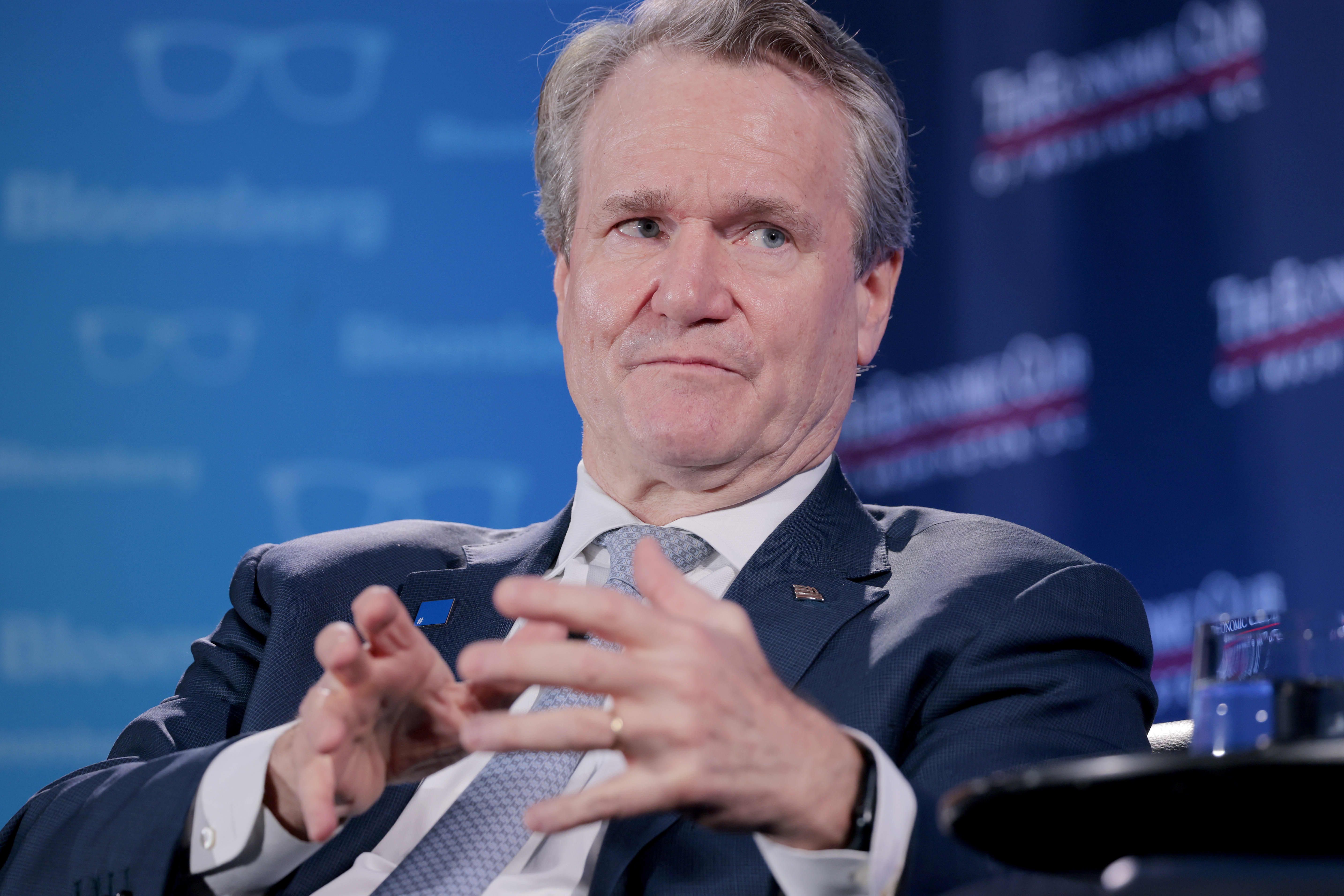
Bank of America Q3 2026: Revenue Miss, Regulatory Penalty, and Stock Drop Analysis
Bank of America's third-quarter earnings reveal a challenging financial landscape marked by a $1.2 billion penalty and disappointing trading results. This analysis explores the implications for the bank's future and the broader market.
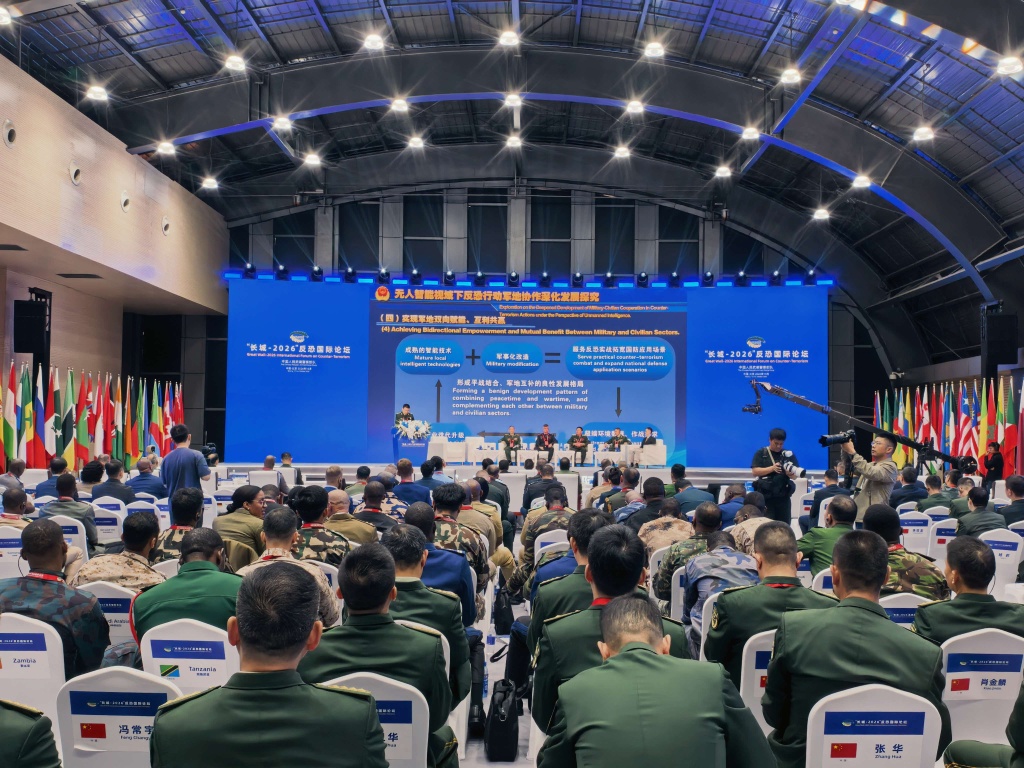
AI-Powered Counterterrorism: New Frontiers in the Fight Against Modern Terrorist Threats
Exploring how artificial intelligence is reshaping counterterrorism strategies worldwide, with insights from the 'Great Wall-2026' forum on emerging threats and defense innovations.
China Upgrades Asia-Africa Pavilion at CIIE to Boost Zero-Tariff Benefits
China's Ministry of Foreign Affairs announces enhanced Asia-Africa product zone at CIIE 2026 to help African nations capitalize on zero-tariff advantages.
Korea's Yoon Suk Yeol Prepares for Trump Golf Meeting
Yoon Suk Yeol's team is setting up a special working group for a potential golf meeting with Donald Trump. Explore the diplomatic strategy, recent controversies, and the political significance behind this high-profile sporting event.

Climate Journalism at the Tipping Point: Finding Action in Environmental Crisis
Exploring climate reporting's critical role in environmental awareness and action amid global climate tipping points.

US Lawmaker: AI Transcends Borders, Urging US-China Cooperation
Washington State Representative Roger Goodman emphasizes that AI risks don't recognize national boundaries, calling for enhanced US-China collaboration to ensure AI benefits humanity.
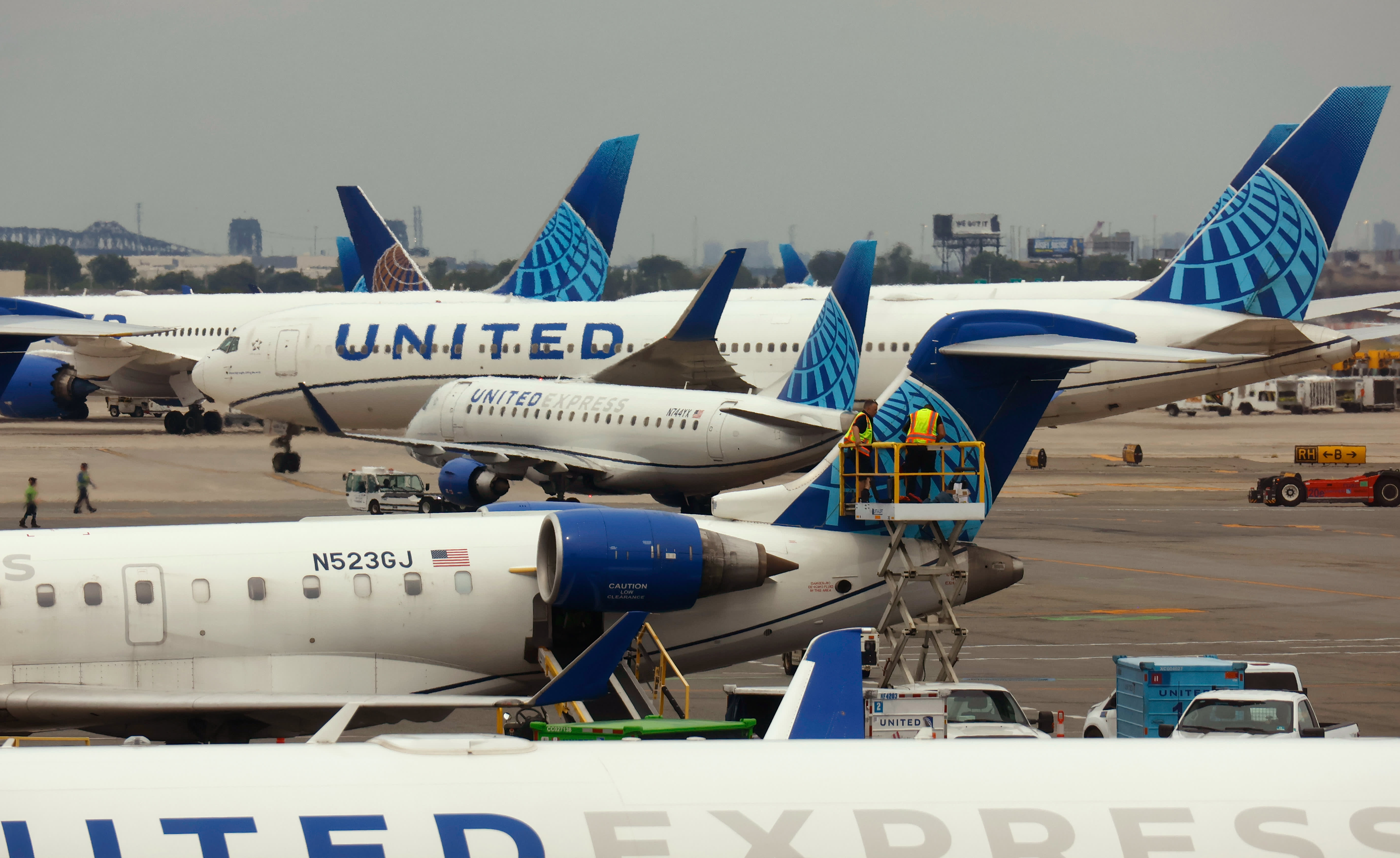
United Airlines 2027 Status Changes: Why Earning Top Tier is Getting Harder
United Airlines is removing flight segment requirements to reach elite status. Discover how the new points-based system works and what it means for your travel rewards.
Latest Articles
- US-EU Double Standards Exposed: Trump's Russia Diesel Deal Sparks Global Outcry
- Walmart Expands Employee Healthcare: Free GLP-1s, Insulin, and More
- Travelers Beware: How Scammers Impersonate Consular Staff
- Ukraine Claims Drone Attacks Reduced Russian Online Propaganda
- Saudi Crown Prince's Evacuation: Escalating Conflict Threatens Vision 2030
- FAA warns U.S. airlines of safety risks over Saudi Arabia after attacks