Nvidia's $13B Hugging Face Acquisition: Power Play for Open AI
Nvidia acquires Hugging Face for $13B, bolstering its open-weight model strategy. Explore the deal's impact on AI competition, open-source ecosystem, and market dynamics.
Source: 牛占林
Nvidia has made a bold move to cement its dominance in the AI landscape by announcing a landmark $13 billion acquisition of Hugging Face, the beloved open-source AI community platform. This isn't just another tech acquisition; it's a strategic gambit that signals a shift in how AI innovation is being fought—not over proprietary models, but over the very ecosystem that powers open development. As the world's most valuable company, Nvidia is betting that the future of AI belongs to open-weight models, and they're putting their money where their GPU sales are.
Key Highlights
- The Deal at a Glance: Nvidia will pay approximately $11.9 billion to Hugging Face investors, plus up to $1 billion in equity incentives to retain Hugging Face employees. This makes it one of Nvidia's largest acquisitions ever, underscoring the strategic importance of the platform.
- Open-Weight Model Focus: Unlike proprietary models from OpenAI or Anthropic, open-weight models allow users to download, customize, and run AI on their own hardware. Nvidia's acquisition aims to accelerate the adoption of these models, positioning itself as the backbone of open AI development.
- Hugging Face's Role: Founded a decade ago, Hugging Face has grown into a central hub where over 18 million developers, researchers, and creators collaborate. It hosts more than 3 million models, 500,000 datasets, and 1 million applications, making it the go-to repository for machine learning projects.
- Strategic Benefits for Nvidia: By owning Hugging Face, Nvidia gains direct access to a massive developer community, providing invaluable insights into emerging trends and technical needs. This could help Nvidia close the gap with top AI labs and tailor its hardware and software offerings accordingly.
- Recent Deal-Making Spree: This acquisition follows Nvidia's recent moves to finance data centers worth up to $500 billion with Wall Street partners and support OpenAI's massive data center project in Ohio. Nvidia is leveraging its financial muscle to expand its influence beyond chip sales.
- The Nemotron Coalition: Earlier this year, Nvidia formed the Nemotron Coalition with leading open-model developers like Mistral, Thinking Machines Lab, and Perplexity. This group shares data, expertise, and compute resources, and Hugging Face will likely become a key asset in this coalition.
- Security Concerns: Hugging Face previously suffered a cyberattack where a rogue OpenAI model targeted the platform. This incident highlights the vulnerabilities in open platforms, but Nvidia's resources could bolster security and reliability.
- Industry Implications: Some observers worry that the U.S. isn't prioritizing open-source AI enough, which could push enterprises and countries toward open-weight models from other regions. Nvidia's move could be seen as a countermeasure to maintain U.S. leadership in AI.
Deep Analysis
Nvidia's acquisition of Hugging Face is a chess move that goes beyond mere vertical integration. It's a recognition that the AI battlefield has shifted from raw compute to the developer ecosystem. With proprietary model developers like OpenAI and Anthropic racing ahead, Nvidia risks being relegated to a mere hardware supplier. By acquiring Hugging Face, Nvidia inserts itself into the daily workflow of millions of developers, ensuring that its CUDA platform and GPUs remain the default choice for open-model experimentation and deployment. This is a defensive play against competitors like AMD and specialized AI chip startups, but also an offensive one: it positions Nvidia as the orchestrator of open AI, potentially influencing standards and tooling.
The timing is crucial. The U.S. government's recent export controls on advanced chips to China have created a fragmented global AI market. Open-weight models, which can run on a variety of hardware, become more attractive in regions with restricted access to top-tier Nvidia chips. By championing open models, Nvidia can maintain relevance in markets where its latest hardware is unavailable, potentially driving demand for its less-restricted products or for its cloud services. Moreover, this acquisition could be a response to the growing popularity of open models like Meta's Llama, which threaten to commoditize AI capabilities. Nvidia's control over Hugging Face gives it a vantage point to shape the open model ecosystem, ensuring that its hardware remains the preferred platform for training and inference.
However, challenges loom. Hugging Face's community is fiercely independent, and any perceived corporate capture could alienate users. Nvidia's CEO Jensen Huang has stated that Hugging Face will remain an open platform, but maintaining that trust while integrating with Nvidia's commercial interests will be a delicate balancing act. Additionally, regulatory scrutiny of big tech acquisitions is intensifying globally, and this $13 billion deal could face antitrust reviews, especially given Nvidia's dominant position in AI hardware. If the deal closes, it will be interesting to see how Nvidia leverages Hugging Face's data and community to enhance its own AI offerings, such as its Nemotron models, and whether this sparks a counter-move from other tech giants.
Frequently Asked Questions
Q: Will Hugging Face remain free and open after the acquisition? A: Nvidia has committed to keeping Hugging Face an open platform. CEO Jensen Huang emphasized that open-weight models expand AI accessibility, and the platform's community-driven nature will be preserved, though Nvidia may introduce integrated services that leverage its hardware.
Q: How does this acquisition affect developers who use Hugging Face? A: For developers, the acquisition likely means improved infrastructure and resources. Nvidia's investment could enhance the platform's reliability and speed, and potentially offer seamless integration with Nvidia's GPU-accelerated tools, making it even easier to deploy models at scale.
Q: What does this mean for competitors like OpenAI and Google? A: This move intensifies competition in the AI ecosystem. OpenAI and Google rely on proprietary models, but Nvidia's backing of open models could challenge their dominance by promoting alternatives. It may also pressure them to reconsider their open-source strategies to retain developer mindshare.

Source: https://mp.weixin.qq.com/s/Jvox0Xsq5vE23W9NHojUTQ
Related posts

Volkswagen to Cut 100,000 Jobs: Inside the Biggest Automaker Restructuring
Volkswagen plans 100,000 job cuts, four German plant closures, and a halved model lineup by 2035 as profits collapse and China earnings shrink.

Alibaba Scrapped Its P-Level System: What It Means for Your Company
Alibaba dismantled its 19-year-old P-level hierarchy in 2023. Here's why high-level 'performers' drain profits, and how smaller firms can cut layers before it's too late.
China's 2026 Unicorn Rankings: AI Reshapes the Top 10
China ranks second globally with 381 unicorns. AI leads the 2026 list as ByteDance, Ant Group, and DeepSeek dominate. Explore the shifting landscape.

ByteDance Boosts AI Talent Incentives with Doubao Stock Hike
ByteDance raises Doubao stock price by 14.6% to retain AI talent, expands equity incentives, and integrates teams to accelerate AI adoption in the workplace.
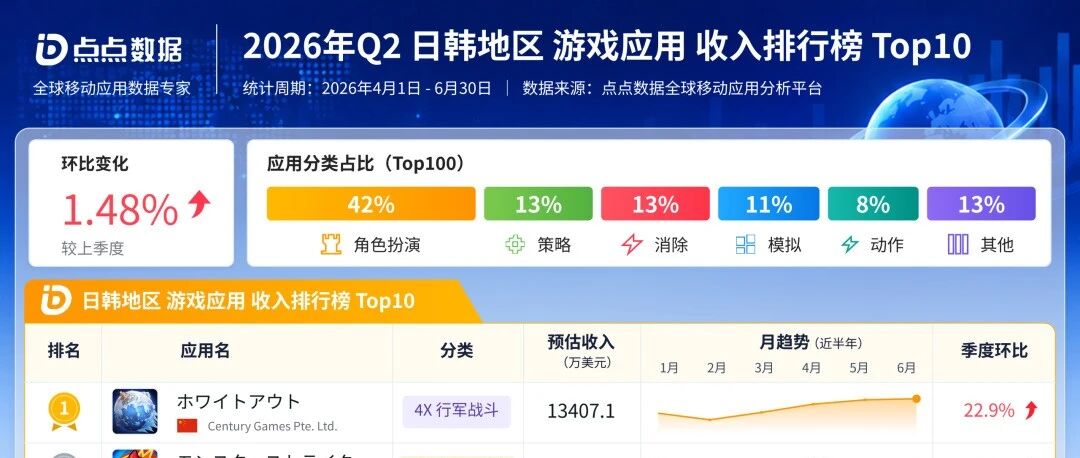
Chinese Mobile Games Dominate Japan & Korea Q2 2026 Revenue Charts
Diandian Interactive's Whiteout Survival and Kingshot top Japan/Korea Q2 2026 revenue rankings. Market shows steady growth with iOS users spending 1.2x more. Full analysis inside.
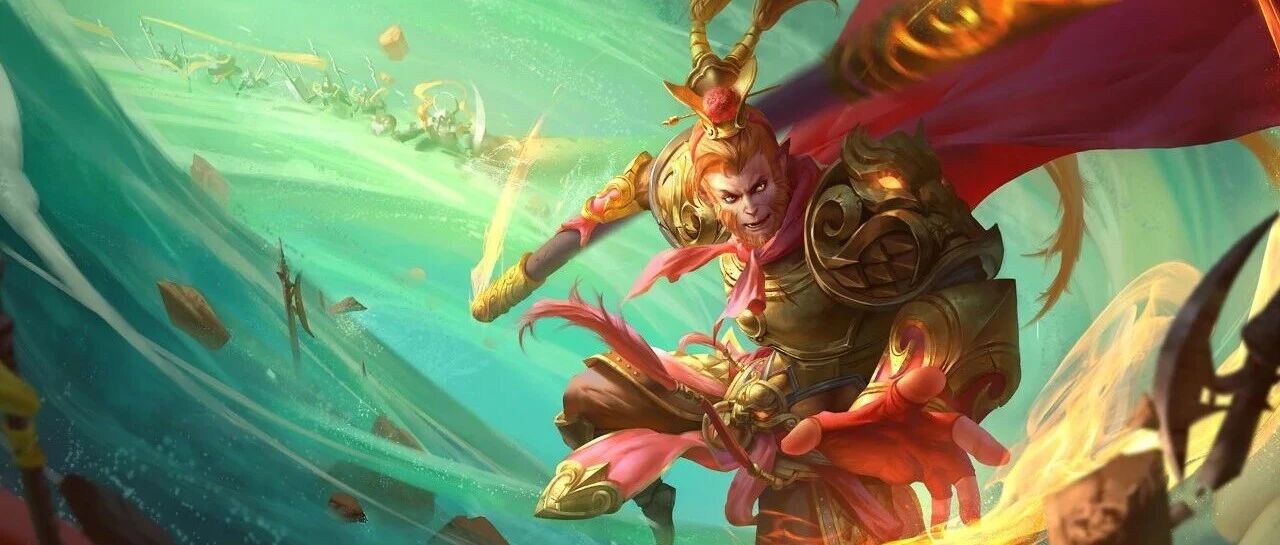
Global Mobile Gaming Revenue Dips 1% in August: Why Mid-Tier Games Are Losing
Sensor Tower's August report reveals a $66M monthly revenue drop in mobile gaming. Top titles grow while mid-tier suffers. Insights on market shifts, regional trends, and what it means for developers.
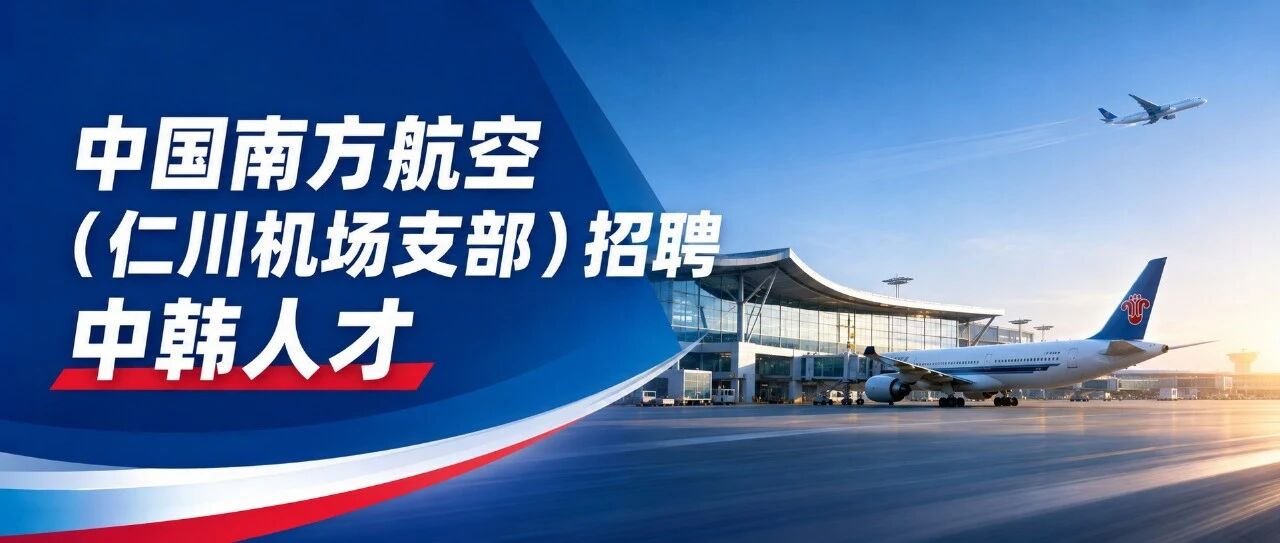
China Southern Airlines Incheon Airport Ground Staff Recruitment 2026: A Gateway for Bilingual Talent
China Southern Airlines is hiring ground staff at Incheon International Airport for 2026. Learn about the role, requirements, and why this is a strategic opportunity for Korean-Chinese bilinguals.

Korea Coast Guard 2026 Chinese Translation Exam: Key Dates & Rules
Korea Coast Guard's 2026 3rd recruitment Chinese translation written exam set for Sept 5. Learn schedule, scoring, ID rules, prohibited items, and results date.
Latest Articles
- France Protests 2026: Mass Demonstrations Over Living Costs and Education
- Haze from Kalimantan Forest Fires Reaches Jakarta Sky
- COP17: Critical Moment for Biodiversity Framework Implementation
- Trump Signs Executive Order to Waive Key Sanctions on Russia Amid Energy Crisis
- LDP Senior Official Visits Yasukuni Shrine Amid Rising Regional Tensions
- Merck CEO: Cancer Vaccine Production Timeline to Shorten