Alibaba Scrapped Its P-Level System: What It Means for Your Company
Alibaba dismantled its 19-year-old P-level hierarchy in 2023. Here's why high-level 'performers' drain profits, and how smaller firms can cut layers before it's too late.
Source: 陈知行
In July 2023, Alibaba's Taotian Group quietly did something most HR departments would never dare: it deleted the P-level system the company had used for nearly two decades. This wasn't a rebrand or a tweak. It was a structural amputation — and it sent a signal to every organization that still believes job titles equal productivity. If your company has managers who write reports about reports while frontline staff do the actual work, this story is about you.

Key Takeaways
- The P-scale is gone, replaced by numbered bands. Alibaba's old P4–P8 tiers became levels 14–28, with every three new levels mapping to one former P rank. Above level 28, no further job grades exist — a deliberate ceiling designed to stop endless ladder-climbing.
- Senior staff now get appointed, not promoted. Employees formerly at P8 and above moved to organizational appointments tied to business scale and team scope, not to a fixed salary band. In practice, this decouples status from compensation.
- The system was introduced in 2004 by the B2B unit. It ran for 19 years with a reasonable original goal: give technical talent a path upward without forcing them into management. Over time, the logic inverted.
- Titles began consuming the business. As the article's author observes, P7s wrote slide decks, P8s reviewed them, and P9s edited them — while P6s did the real work. The higher the rank, the further from customers and the closer to reporting.
- Promotion became the end goal rather than a byproduct. Performance scores were compressed into just a few buckets (3.7, 3.5, 3.25), which paradoxically made internal politics more complex, not less. Some employees spent three months preparing promotion materials while projects slipped.
- Market valuations of former high-P staff dropped sharply. One widely cited case involved a former P8 who left Alibaba and, two years later, received an offer around 700,000 RMB — roughly half the 1.3 million RMB package associated with the old rank.
- Industry observers saw a motivational upside. Retail e-commerce analyst Zhuang Shuai argued the change could energize mid- and lower-level employees, while veteran product manager "Judge" noted that decoupling rank from pay forces small-unit leaders to prove themselves through results.

Deep Analysis
The Alibaba restructuring matters far beyond one company because it exposes a universal organizational failure mode: hierarchies that start as incentives and end as parasites. The original P-scale solved a real problem — engineers needed prestige without becoming managers. But any rank system eventually develops its own survival instinct. People optimize for the metric that governs their paycheck, and when that metric is a number, they optimize for the number. Work becomes theater: decks get polished, alignment meetings multiply, and the person closest to the customer becomes the least powerful person in the room.
What makes Alibaba's move radical is that it attacks identity, not just structure. By removing grades above level 28 and tying pay to business scale, the company forces senior people to answer a blunt question: what did you actually build this quarter? This is the same logic that drives flat-structure experiments at startups and the "player-coach" model in modern engineering teams. The lesson for mid-sized companies — even 50-person firms — is that big-company disease is not about headcount. It is about layers, decision latency, diffused accountability, and long-tenured managers defending turf. A 50-person company with five reporting levels is slower than a 500-person company with two.
Expect this pattern to spread. As growth slows across tech and traditional industries, boards will increasingly question whether internal rank inflation is a retention tool or a cost center. The companies that win the next decade will likely be those that treat responsibility, not title, as the unit of authority — and that rotate experienced people into new battles instead of letting them guard old territory.

Frequently Asked Questions
Did Alibaba simply rename its job levels? No. Renaming would have preserved the same promotion logic. Alibaba removed grades above level 28 entirely, shifted senior staff to appointed roles, and linked compensation to business and team scale rather than to a fixed rank-based salary standard. That changes behavior, not just vocabulary.
Why do high-level employees sometimes become less productive? Because rank changes what feels rational. A senior manager who touches small tasks risks looking diminished, so they avoid execution and gravitate toward coordination and reporting. Over time, the organization accumulates decision-makers and loses doers — a pattern that is especially dangerous when markets reward speed.
What can a small company do without a formal rank system? Cut reporting layers to two or three, replace promotion tracks with project ownership, and move long-tenured managers into new initiatives rather than letting them defend existing turf. Authority should follow the project, and rewards should follow results, not tenure.

Source: https://mp.weixin.qq.com/s/DeJRxWbk2JlFa__Z149mBA
Related posts

Volkswagen to Cut 100,000 Jobs: Inside the Biggest Automaker Restructuring
Volkswagen plans 100,000 job cuts, four German plant closures, and a halved model lineup by 2035 as profits collapse and China earnings shrink.
China's 2026 Unicorn Rankings: AI Reshapes the Top 10
China ranks second globally with 381 unicorns. AI leads the 2026 list as ByteDance, Ant Group, and DeepSeek dominate. Explore the shifting landscape.

ByteDance Boosts AI Talent Incentives with Doubao Stock Hike
ByteDance raises Doubao stock price by 14.6% to retain AI talent, expands equity incentives, and integrates teams to accelerate AI adoption in the workplace.
Chinese Mobile Games Dominate Japan & Korea Q2 2026 Revenue Charts
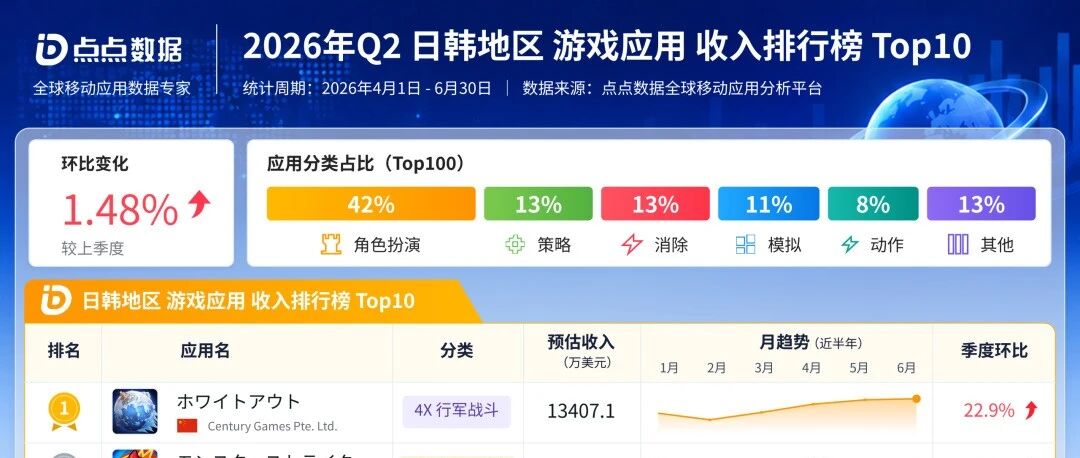
Diandian Interactive's Whiteout Survival and Kingshot top Japan/Korea Q2 2026 revenue rankings. Market shows steady growth with iOS users spending 1.2x more. Full analysis inside.

Global Mobile Gaming Revenue Dips 1% in August: Why Mid-Tier Games Are Losing
Sensor Tower's August report reveals a $66M monthly revenue drop in mobile gaming. Top titles grow while mid-tier suffers. Insights on market shifts, regional trends, and what it means for developers.
China Southern Airlines Incheon Airport Ground Staff Recruitment 2026: A Gateway for Bilingual Talent
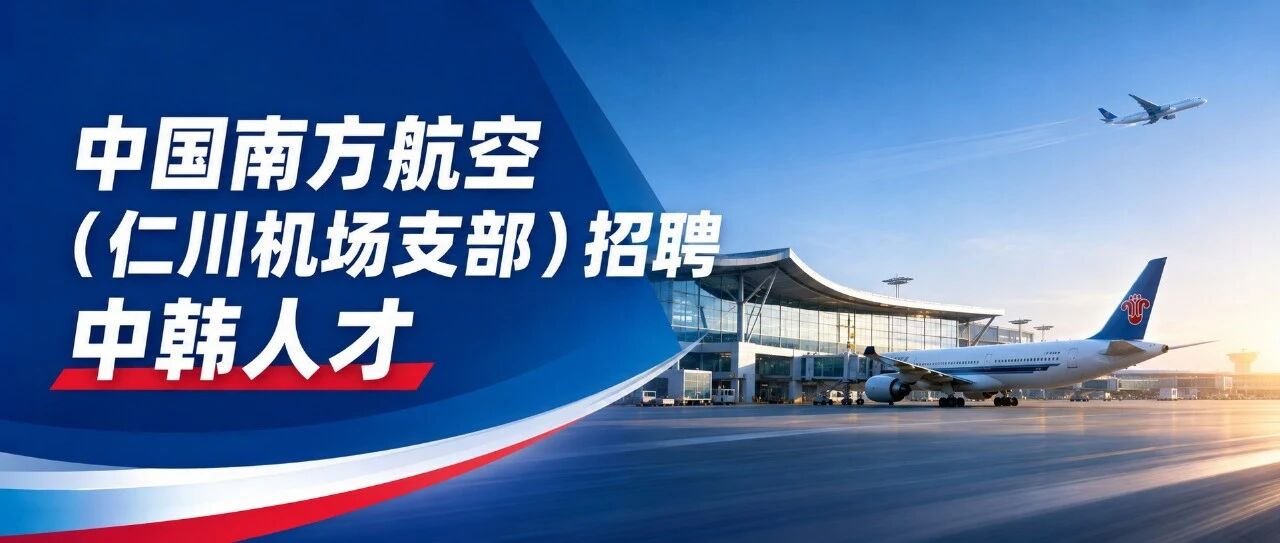
China Southern Airlines is hiring ground staff at Incheon International Airport for 2026. Learn about the role, requirements, and why this is a strategic opportunity for Korean-Chinese bilinguals.

Korea Coast Guard 2026 Chinese Translation Exam: Key Dates & Rules
Korea Coast Guard's 2026 3rd recruitment Chinese translation written exam set for Sept 5. Learn schedule, scoring, ID rules, prohibited items, and results date.
Why Hypergryph Is the Most Desirable Game Studio in Shanghai
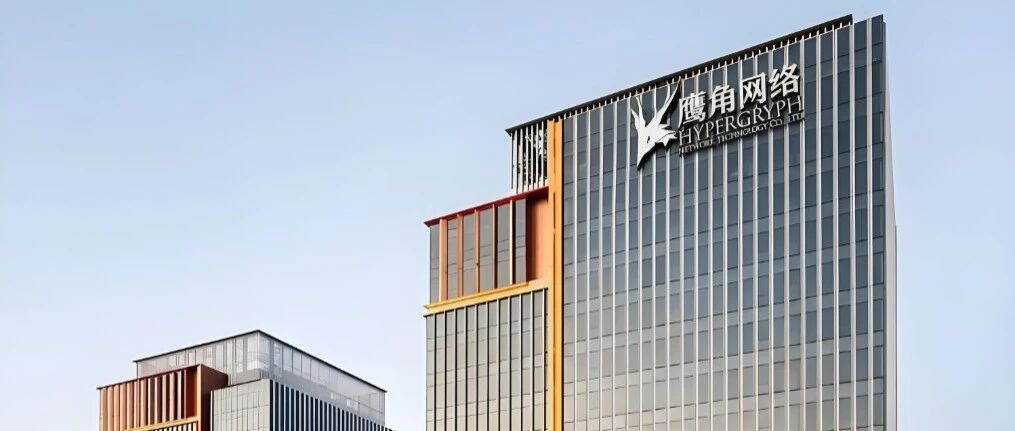
Hypergryph's new office, record-breaking revenue, and employee perks make it a standout in Shanghai's gaming scene. Explore the culture, success, and future of the studio behind Arknights.
Latest Articles
- Serbia Election 2026: Student-led Coalition Wins Majority with 52.7% Vote Share
- Record High Child Casualties in Conflict: UN Warns of New Era of Crisis
- AI Risk and Global Governance: The 20% Probability Dilemma
- FTC Sues Dollar General: Overcharging Shoppers Billions
- JetBlue 3Q 2026 Loss: Fuel Costs Rise 61% Despite Strong Travel Demand
- Anthropic IPO: The $1.5 Trillion AI Giant's Historic Stock Market Debut