US Air Travel Crisis Exposes Aging Air Traffic Control System
Massive flight disruptions reveal critical infrastructure vulnerabilities as US calls for urgent air traffic control modernization.
Source: thepaper.cn
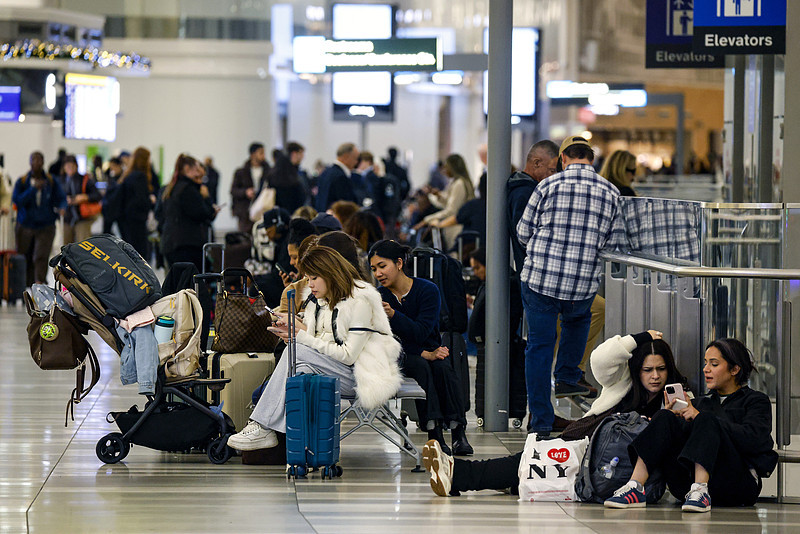
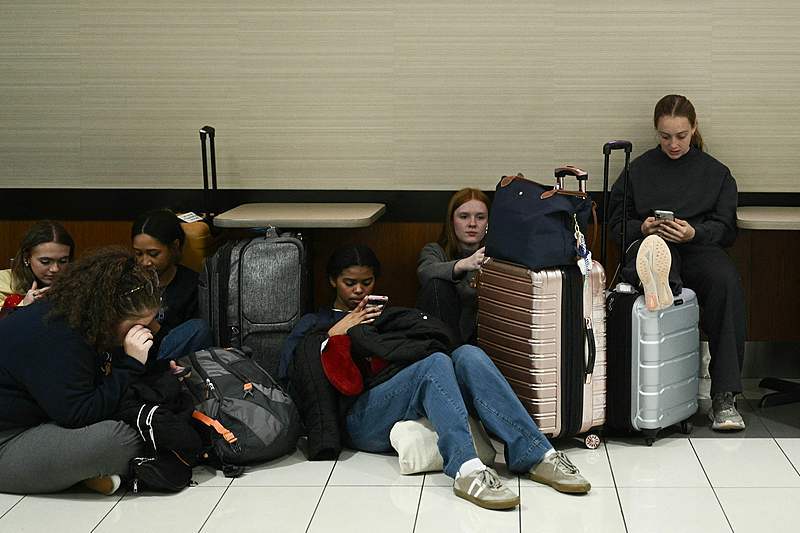
The recent nationwide ground stop in the United States has sent shockwaves through the global aviation industry, highlighting the fragility of critical infrastructure systems. On November 13th, the Federal Aviation Administration (FAA) issued a nationwide ground stop due to a massive communication failure that lasted nearly five hours. This unprecedented event, the longest since the 9/11 attacks, continues to impact air travel days later, with over 5,000 flights canceled or delayed as of November 15th. The incident has not only caused significant disruption to passengers and businesses but has also thrust the aging air traffic control system into the spotlight, raising urgent questions about national infrastructure readiness.
Key Developments
- Gradual Recovery Timeline: U.S. Transportation Secretary Sean Duffy announced that air transportation was expected to gradually resume on November 15th, with full recovery potentially taking until November 16th due to aircraft and crew repositioning challenges.
- Root Cause Investigation: While initial investigations point to a router malfunction at an Arkansas facility during equipment upgrades, authorities have found no evidence of cyberattacks or deliberate sabotage. The faulty router, purchased in 2001 and outdated since 2006, broadcast data across the network, causing cascading failures.
- Widespread Impact: Over 1,600 flights were canceled and nearly 3,800 delayed by midday November 15th. Major carriers including JetBlue (27% of flights canceled), American Airlines (13%), Delta, Southwest, and United all experienced significant disruptions.
- Government Response: President Trump and Secretary Duffy have called on Congress to approve additional funding for a complete air traffic control system overhaul, with the administration seeking $50 billion in total upgrades including the previously approved $12.5 billion.
- Historical Context: This incident represents the most extensive nationwide air traffic shutdown since the 9/11 attacks, exposing vulnerabilities that have been developing for decades in America's aviation infrastructure.
In-Depth Analysis
The recent air traffic control failure is not merely a technical glitch but a symptom of systemic neglect in America's critical infrastructure. The Government Accountability Office (GAO) has long warned that over 75% of the nation's 138 air traffic control systems are "unsustainable" or at risk of becoming so. Controllers managing up to 45,000 flights daily are forced to rely on outdated technology, with some facilities still using computers and telecommunications systems from decades ago that cannot communicate seamlessly with each other. Replacement parts for these obsolete systems are sometimes sourced from online auction sites or require 3D printing—a stark reminder of how far behind modernization efforts have fallen.
The FAA's attempts at modernization since the 1980s have yielded "minimal results," according to the GAO, hampered by bureaucratic complexity, funding inconsistencies, and political infighting. The current $12.5 billion in approved funding is already allocated for specific purposes and cannot be repurposed for the comprehensive network overhaul needed. The proposed new system, if fully funded, would not be operational until at least late 2028 or early 2029, leaving the nation vulnerable to similar disruptions in the meantime.
Beyond the immediate operational impacts, this crisis has significant economic ramifications. Commercial aviation serves as the backbone of long-distance passenger and cargo transportation in the United States. A nationwide ground stop directly disrupts cross-regional travel and freight, affecting business operations, tourism, and time-sensitive industries like fresh food delivery and express logistics. The ripple effects extend to hotels, car rentals, and other related sectors, causing widespread economic paralysis.
The fundamental challenges to modernization extend beyond mere funding and technical issues. The fragmented governance structure involving federal agencies, airlines, and local authorities creates coordination difficulties. Additionally, the air traffic control system requires continuous updates without operational interruption—a complex project management challenge. Political gamesmanship and inconsistent budget approvals have further delayed meaningful progress, creating a vicious cycle of underinvestment and technological obsolescence.
Frequently Asked Questions
What caused the nationwide flight disruption? The FAA attributed the incident to a router malfunction during equipment upgrades at an Arkansas facility. The outdated router broadcast data across the network, causing cascading failures. While investigations continue, there's no evidence of cyberattacks or deliberate sabotage.
How will the US prevent similar incidents in the future? The administration is requesting additional congressional funding to completely overhaul the air traffic control system. This includes replacing obsolete equipment, implementing modern communication networks, and updating software systems. However, even with full funding, the new system won't be operational until at least 2028-2029.
What are the economic impacts of this disruption? The nationwide ground stop has caused significant economic losses estimated in the billions. Beyond direct airline revenue losses, the disruption affects related industries including hotels, car rentals, logistics, and tourism. Business travelers have missed critical meetings, supply chains have been disrupted, and time-sensitive cargo shipments have been delayed, with effects potentially lasting for weeks.
Source: https://www.thepaper.cn/newsDetail_forward_34488036
Related posts

Inside the White House: Biden's Memoir Reveals Trump's Two Faces, Debate Failure, and Forced Exit
Former US President Joe Biden's new memoir details his strained relationship with Donald Trump, the controversy surrounding his 2024 campaign exit, and his defense of the chaotic Afghan withdrawal.

EV CEOs Say They Won't Rely on Democrats for Federal Support After Midterms
Rivian, Lucid, and Scout CEOs reveal they are not banking on new federal EV incentives following the Democratic midterm wins, focusing instead on long-term strategy.

Voyager 1 Reaches 1 Light-Day Distance: A Historic Milestone in Interstellar Exploration
NASA's Voyager 1 spacecraft, launched in 1977, is set to become the farthest human-made object, reaching 1 light-day from Earth on Nov 18, 2026. Explore the mission's legacy.
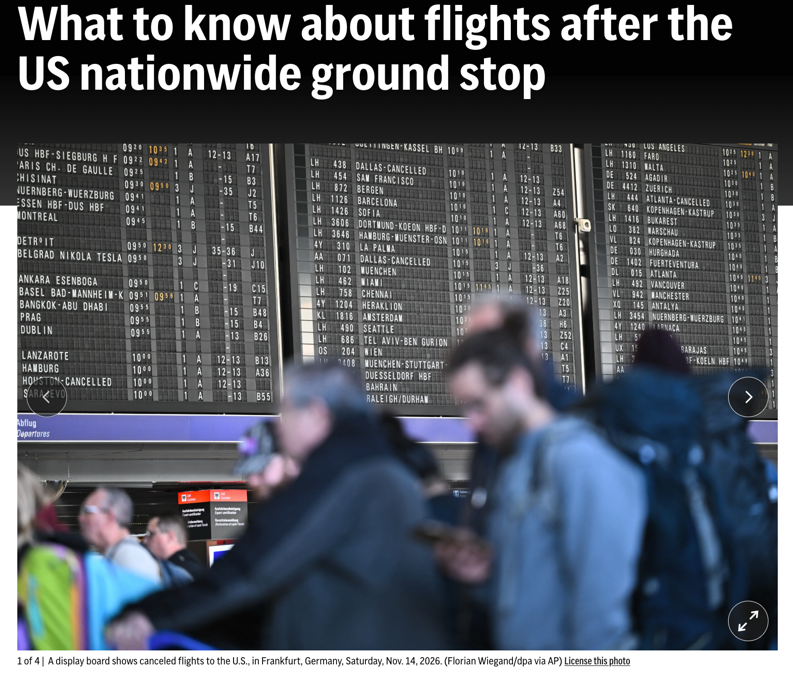
US FAA Grounds Flights for Over 4 Hours: Can $50B Upgrade Fix Aging Air Traffic Control?
A massive nationwide flight halt exposed critical vulnerabilities in the FAA's aging infrastructure. This analysis explores the causes, financial implications, and the complex path toward modernization.

APEC Summit 2026: Over 100 Global Giants to Shape Future Trade
115 Fortune 500 companies, including nearly 20% from the US, will attend the APEC Business Leaders' Summit, signaling a pivotal shift in global economic diplomacy.

Shenzhen APEC Summit: How US-China Strategic Stability Shapes Asia-Pacific Prosperity
China's Ambassador to the US highlights the critical role of constructive strategic stability between the US and China in fostering regional economic growth and innovation at the upcoming APEC summit.

GM's CarBravo Strategy: Bridging the Gap Between Used Car Shoppers and New Vehicle Sales
General Motors is revolutionizing the used car market with its CarBravo program, aiming to convert used car buyers into new vehicle customers through certified pre-owned vehicles and dealership relationships.

Foundation Payroll Crisis: CEO Loan Sparks Investor Fury
Eric Trump-backed robotics startup Foundation missed payroll after CEO Sankaet Pathak borrowed $4.6M for a home. Explore the governance crisis and funding failures.
Latest Articles
- Retailers Are Betting Big On Entertainment To Win Consumer Attention
- EU, UK, France, Germany, Italy, Poland to Lead Ukraine Peace Talks: What's Next?
- US Air Traffic Control Failure: Trump Blames Aging Infrastructure
- US FAA Grounding Disrupts Major Sports Leagues: NBA, NFL, and NCAA Teams Face Travel Chaos
- European Aviation Safety Agency Halts All Flights to USA Due to FAA Technical Issues
- Youth as Climate Architects: Building a Sustainable Future