EV CEOs Say They Won't Rely on Democrats for Federal Support After Midterms
Rivian, Lucid, and Scout CEOs reveal they are not banking on new federal EV incentives following the Democratic midterm wins, focusing instead on long-term strategy.
Source: CNBC
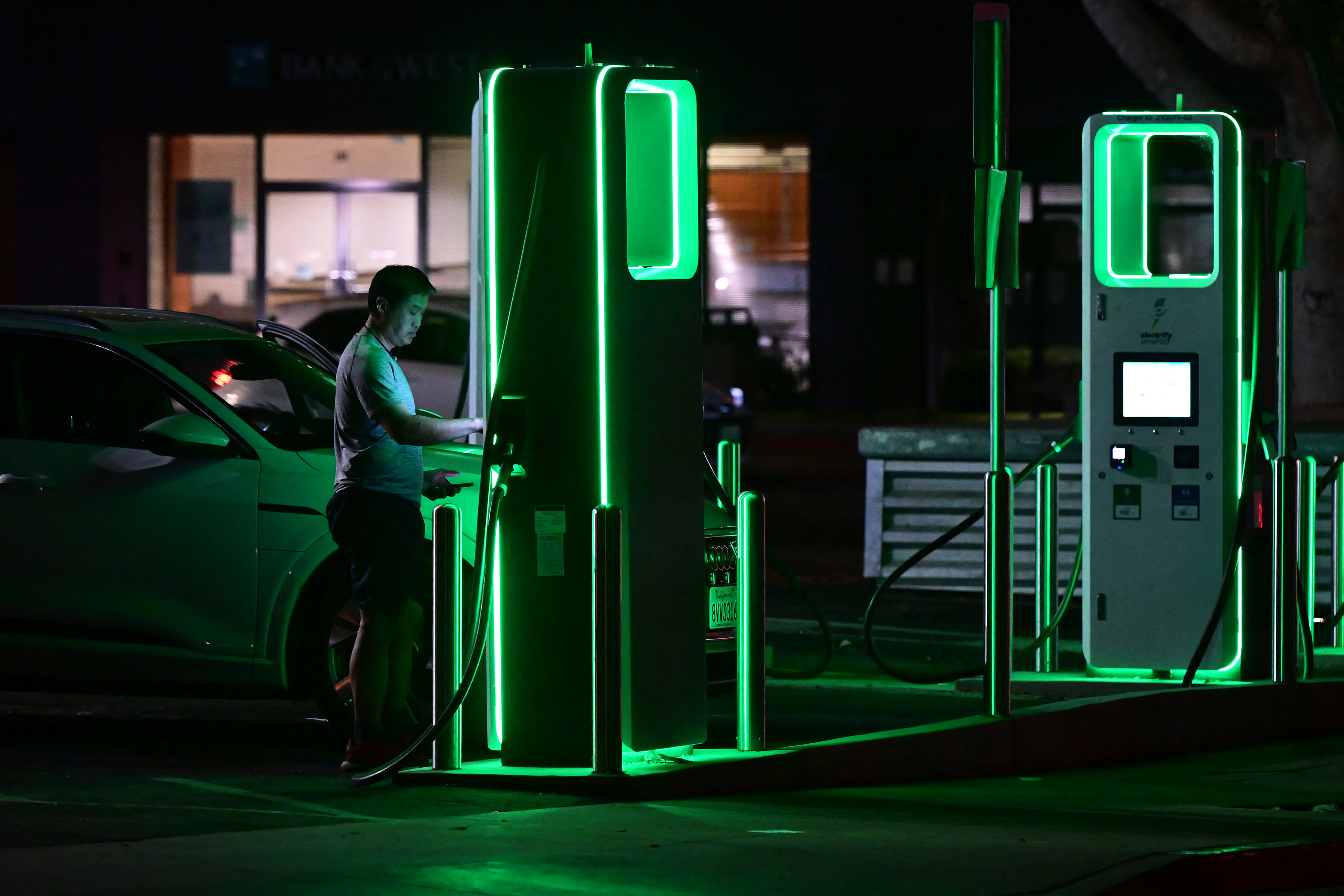
The electric vehicle (EV) landscape in the United States is undergoing a significant shift as the political winds change. Following the historic midterm election wins that gave Democrats control of Congress, the leaders of three major EV manufacturers—Rivian Automotive, Lucid Group, and Scout Motors—have made a clear statement regarding the future of federal policy. In interviews with CNBC, these CEOs indicated that they are not counting on the new political landscape to restore the federal incentives that were previously available to EV buyers and manufacturers. Instead, they are adopting a strategy of cautious optimism, preparing for a regulatory environment that may be less supportive while remaining open to positive developments.
Key Takeaways
- Strategic Independence: EV manufacturers are constructing their business models to operate without relying on government subsidies, ensuring resilience regardless of political changes.
- Political Realities: The CEOs acknowledge the difficulty of passing new legislation in a divided government where Democrats control Congress but a Republican President holds the White House.
- Affordability Concerns: High vehicle prices remain a primary barrier to adoption, prompting calls for policies that focus on production-side incentives rather than just consumer tax credits.
- Market Volatility: Sales of EVs have already shown volatility following the expiration of the previous $7,500 federal incentive, with prices stabilizing but remaining high.
- Long-Term Focus: Industry experts emphasize that while incentives can accelerate adoption, the industry's long-term success depends on making EVs naturally affordable and compelling to the mass market.
In-Depth Analysis
The stance taken by Rivian, Lucid, and Scout Motors CEOs highlights a maturing phase for the American EV industry. Historically, the sector has relied heavily on federal support, particularly the $7,500 tax credit introduced during the Biden administration. This support was instrumental in lowering the effective purchase price for consumers and helping legacy automakers and startups alike bridge the gap to profitability. However, the expiration of these credits and the subsequent political turnover have forced companies to pivot.
Scout CEO Scott Keogh’s comment about constructing his company from day one to function without counting on legislation is particularly telling. It suggests a fundamental shift in corporate strategy where internal innovation and operational efficiency are prioritized over external policy dependence. This approach is likely to become the industry standard as the initial wave of government support fades.
Furthermore, the political dynamics are complex. With Democrats controlling Congress but a Republican President in the White House, the path forward for new legislation is fraught with challenges. As Rivian CEO RJ Scaringe noted, it is difficult to get things done when there is a clash in executive and legislative branches. This reality is driving companies to focus on what they can control: their supply chains, production costs, and product value propositions.
The focus on "production-side" incentives over consumer subsidies is a strategic nuance worth noting. While consumer tax credits directly boost sales volume, production incentives—such as tax breaks for manufacturing facilities or raw material processing—can lower the unit cost of the vehicle. As Keogh explained, lower production costs naturally trickle down to the consumer, potentially making EVs more affordable without the need for ongoing government handouts. This aligns with the broader industry goal of achieving price parity with internal combustion engine vehicles.
The current high average price of a new electric vehicle, which stands at over $54,800 compared to the industry average of just over $51,100, underscores the urgency of this issue. While sales spiked after the incentive expired in September 2025, they have since cooled, suggesting that price sensitivity remains a critical factor. The industry's long-term strategy must therefore focus on achieving economies of scale and technological advancements that drive costs down, rather than relying on temporary political fixes.
Frequently Asked Questions
Will EV manufacturers receive federal support in the new political climate?
While the CEOs stated they are not counting on it, they did not rule out the possibility. Lucid CEO Silvio Napoli’s comment about "planning for the worst and hoping for the best" indicates that while they are prepared for a lack of support, they would welcome any positive developments that could aid the industry.
How does the expiration of the $7,500 tax credit affect EV sales?
Sales of EVs initially spiked as consumers rushed to take advantage of the credit before it expired in September 2025. However, sales have since normalized or decreased as the market adjusts to higher sticker prices, highlighting the credit's role in driving initial adoption.
Why are companies focusing on production-side incentives?
Production-side incentives can reduce the overall cost of manufacturing EVs. By lowering these costs, companies can eventually pass the savings on to consumers, making EVs more affordable without requiring continuous government intervention.
Source: https://www.cnbc.com/2026/11/15/rivian-lucid-scout-arent-counting-on-dems-to-restore-ev-incentives.html
Related posts

Inside the White House: Biden's Memoir Reveals Trump's Two Faces, Debate Failure, and Forced Exit
Former US President Joe Biden's new memoir details his strained relationship with Donald Trump, the controversy surrounding his 2024 campaign exit, and his defense of the chaotic Afghan withdrawal.

Voyager 1 Reaches 1 Light-Day Distance: A Historic Milestone in Interstellar Exploration
NASA's Voyager 1 spacecraft, launched in 1977, is set to become the farthest human-made object, reaching 1 light-day from Earth on Nov 18, 2026. Explore the mission's legacy.

US FAA Grounds Flights for Over 4 Hours: Can $50B Upgrade Fix Aging Air Traffic Control?
A massive nationwide flight halt exposed critical vulnerabilities in the FAA's aging infrastructure. This analysis explores the causes, financial implications, and the complex path toward modernization.

APEC Summit 2026: Over 100 Global Giants to Shape Future Trade
115 Fortune 500 companies, including nearly 20% from the US, will attend the APEC Business Leaders' Summit, signaling a pivotal shift in global economic diplomacy.
Shenzhen APEC Summit: How US-China Strategic Stability Shapes Asia-Pacific Prosperity
China's Ambassador to the US highlights the critical role of constructive strategic stability between the US and China in fostering regional economic growth and innovation at the upcoming APEC summit.

GM's CarBravo Strategy: Bridging the Gap Between Used Car Shoppers and New Vehicle Sales
General Motors is revolutionizing the used car market with its CarBravo program, aiming to convert used car buyers into new vehicle customers through certified pre-owned vehicles and dealership relationships.

Foundation Payroll Crisis: CEO Loan Sparks Investor Fury
Eric Trump-backed robotics startup Foundation missed payroll after CEO Sankaet Pathak borrowed $4.6M for a home. Explore the governance crisis and funding failures.

Retailers Are Betting Big On Entertainment To Win Consumer Attention
Gap Inc. and others are blending retail with entertainment to drive engagement. Discover why brands are investing in content and experiences.
Latest Articles
- EU, UK, France, Germany, Italy, Poland to Lead Ukraine Peace Talks: What's Next?
- US Air Traffic Control Failure: Trump Blames Aging Infrastructure
- US FAA Grounding Disrupts Major Sports Leagues: NBA, NFL, and NCAA Teams Face Travel Chaos
- European Aviation Safety Agency Halts All Flights to USA Due to FAA Technical Issues
- Youth as Climate Architects: Building a Sustainable Future
- ExxonMobil Revisits Venezuela: A Strategic Pivot in Global Oil Markets