Voyager 1 Reaches 1 Light-Day Distance: A Historic Milestone in Interstellar Exploration
NASA's Voyager 1 spacecraft, launched in 1977, is set to become the farthest human-made object, reaching 1 light-day from Earth on Nov 18, 2026. Explore the mission's legacy.
Source: thepaper.cn
November 18, 2026, marks a pivotal moment in the history of space exploration. NASA's Voyager 1 spacecraft, a pioneer that has journeyed through the cosmos for nearly half a century, is poised to break another record. It will approach a distance of one light-day from Earth, cementing its status as the farthest human-made object ever to travel.
Key Milestones and Mission Profile
- Historic Distance: Voyager 1 is expected to reach approximately 160.94 billion miles (259.02 billion kilometers) from Earth by late November 2026. This distance is equivalent to the distance light travels in a full 24-hour cycle, hence the term "one light-day."
- Launch and Origins: Launched on September 5, 1977, the primary mission of Voyager 1 was to explore the outer planets of our solar system. Its journey began with a grand tour of the gas giants, including Jupiter and Saturn.
- Entry into Interstellar Space: After its historic flyby of Saturn in 1980, Voyager 1 continued its outward trajectory. It crossed the heliopause in 2012, the boundary where the sun's solar wind is stopped by the interstellar medium, officially entering the vast and unknown realm of interstellar space.
- The One-Way Communication Delay: A unique challenge of Voyager 1's current location is the time it takes for signals to travel. Because radio waves travel at the speed of light, a command sent from Earth takes about 24 hours to reach the probe. The probe then takes another 24 hours to send its response back. This means ground teams must wait at least 48 hours for a two-way conversation, requiring immense patience and precision in mission planning.
- Continued Scientific Operations: Despite its immense distance, Voyager 1 remains an active scientific asset. It continues to transmit vital data back to Earth, including measurements of magnetic fields, interstellar particles, cosmic rays, and environmental pressure. It is one of only two spacecraft ever to leave the heliosphere and still be conducting scientific observations.
Deep Analysis: The Legacy of a Pioneer
Voyager 1's achievement is not merely a matter of distance; it is a testament to human ingenuity and the enduring spirit of exploration. The spacecraft represents the furthest reach of our technological capabilities, surviving in the harsh vacuum of space for nearly 50 years. Its continued operation is a miracle of engineering, with components designed decades ago still functioning reliably.
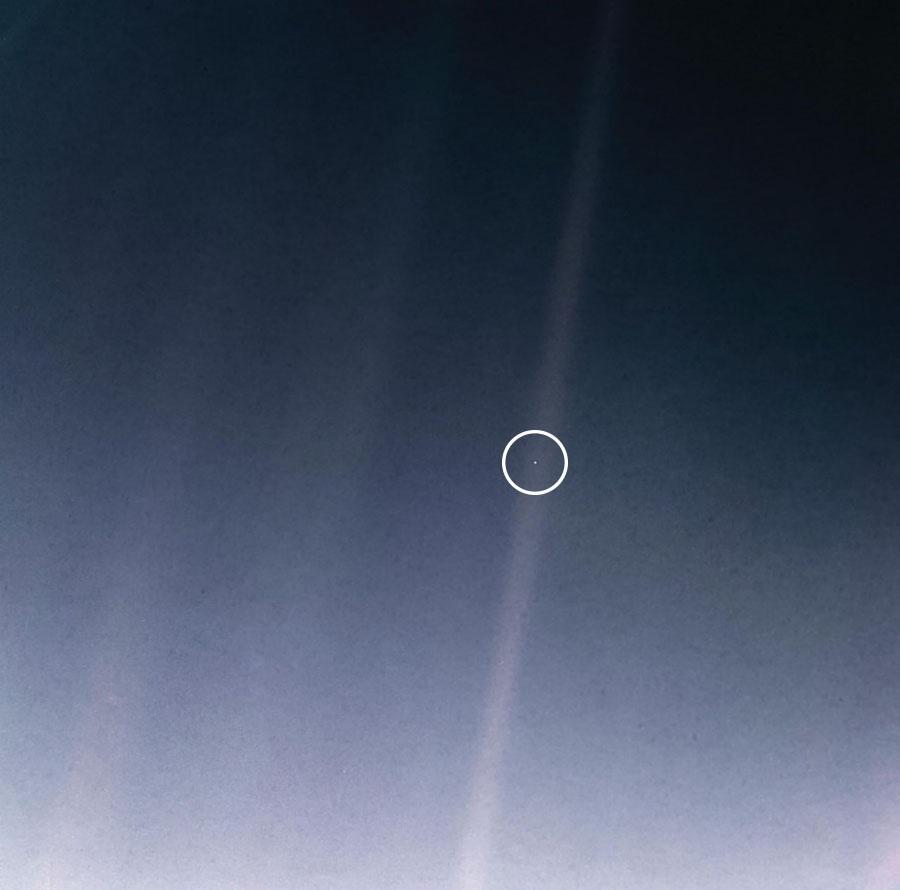
The mission has profound cultural and scientific implications. In 1990, Voyager 1 captured the iconic "Pale Blue Dot" image, a photograph of Earth taken from a distance of about 6 billion kilometers. The image, taken against the backdrop of the vast universe, served as a poignant reminder of our planet's fragility and significance.
Furthermore, the "Golden Record" carried aboard Voyager 1 contains a time capsule of human civilization. This gold-plated copper disc includes sounds and images selected to portray the diversity of life on Earth, aimed at any potential extraterrestrial intelligence that might encounter the probe in the distant future. This act of sending a message into the void is a profound expression of hope and curiosity about our place in the cosmos.
As Voyager 1 continues its silent journey, it serves as a beacon of human achievement. Its impending arrival at the one-light-day mark is a celebration of a mission that has far exceeded its original design parameters, inspiring generations to look up at the stars and dream of what lies beyond.
Frequently Asked Questions
Q: How long has Voyager 1 been traveling?
A: Voyager 1 was launched on September 5, 1977, and has been in flight for nearly 50 years. It crossed into interstellar space in 2012.
Q: What is a "light-day" and why is this distance significant?
A: A light-day is the distance light travels in one day (24 hours) in a vacuum. Voyager 1 reaching this distance means it is nearly 160 billion miles away, setting a new record for the farthest human-made object.
Q: Can we still communicate with Voyager 1?
A: Yes, but it is a slow process. Due to the vast distance, it takes about 24 hours for a signal to reach the probe and another 24 hours for it to send a response back, resulting in a minimum two-day communication delay.
Source: https://www.thepaper.cn/newsDetail_forward_34485015
Related posts

Inside the White House: Biden's Memoir Reveals Trump's Two Faces, Debate Failure, and Forced Exit
Former US President Joe Biden's new memoir details his strained relationship with Donald Trump, the controversy surrounding his 2024 campaign exit, and his defense of the chaotic Afghan withdrawal.
EV CEOs Say They Won't Rely on Democrats for Federal Support After Midterms
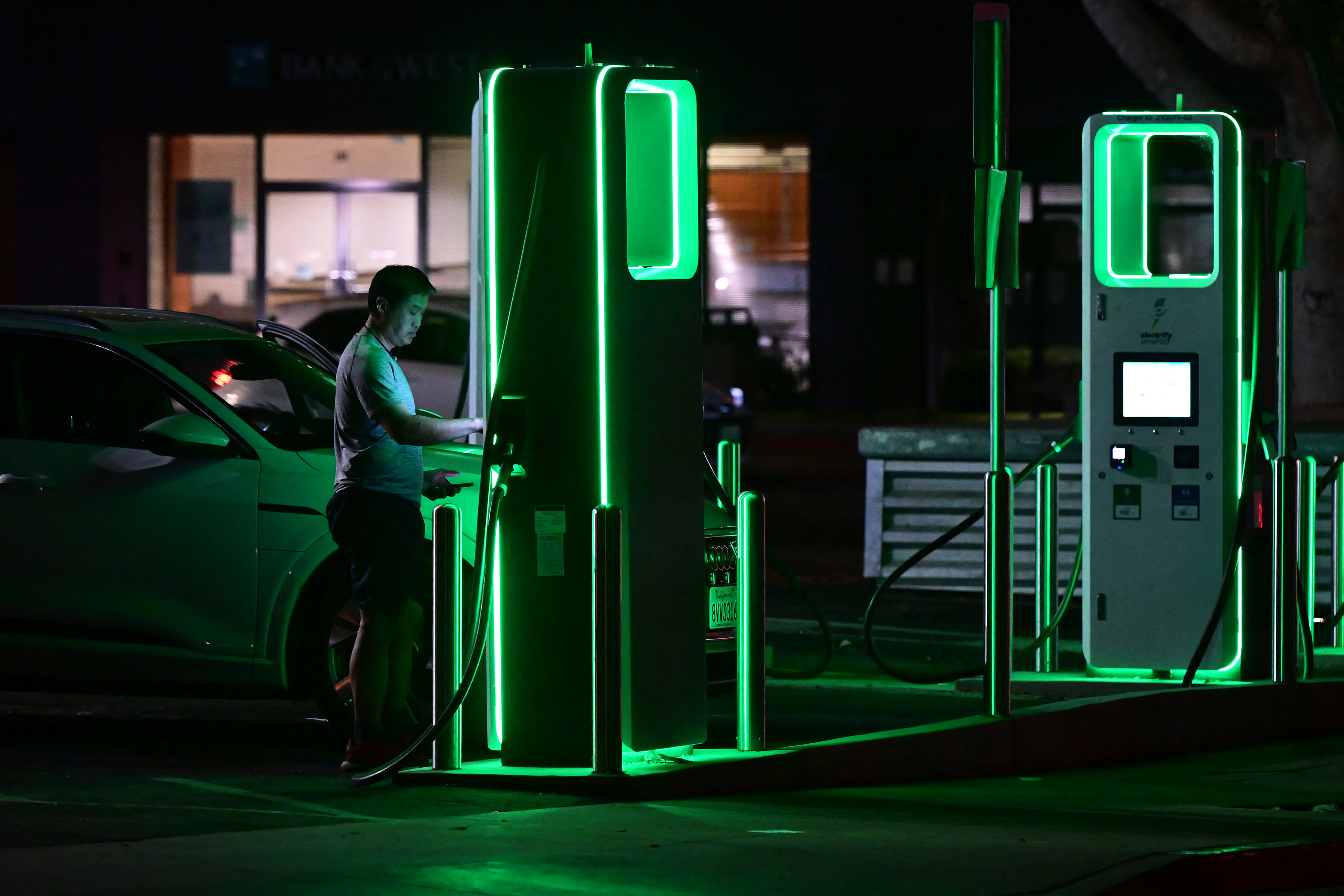
Rivian, Lucid, and Scout CEOs reveal they are not banking on new federal EV incentives following the Democratic midterm wins, focusing instead on long-term strategy.
US FAA Grounds Flights for Over 4 Hours: Can $50B Upgrade Fix Aging Air Traffic Control?
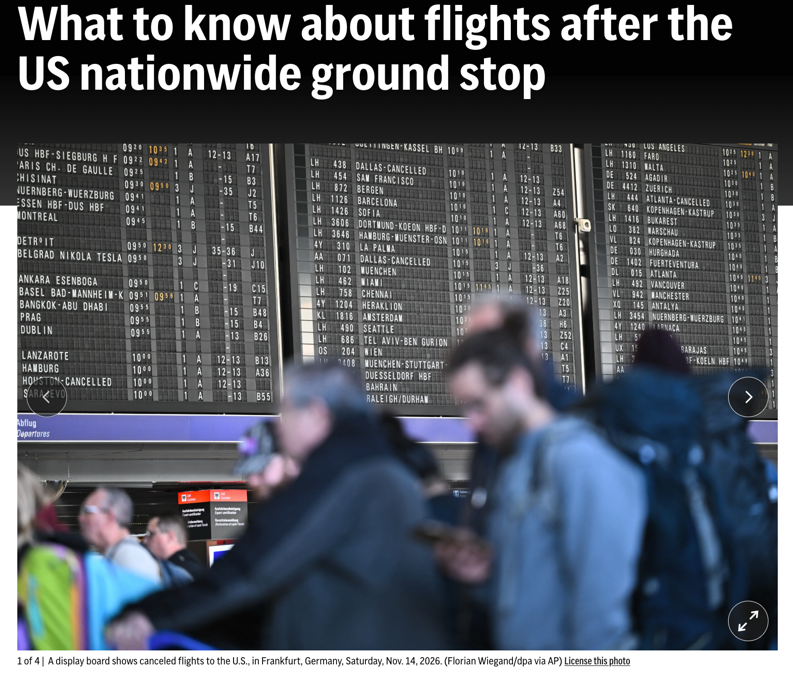
A massive nationwide flight halt exposed critical vulnerabilities in the FAA's aging infrastructure. This analysis explores the causes, financial implications, and the complex path toward modernization.

APEC Summit 2026: Over 100 Global Giants to Shape Future Trade
115 Fortune 500 companies, including nearly 20% from the US, will attend the APEC Business Leaders' Summit, signaling a pivotal shift in global economic diplomacy.

Shenzhen APEC Summit: How US-China Strategic Stability Shapes Asia-Pacific Prosperity
China's Ambassador to the US highlights the critical role of constructive strategic stability between the US and China in fostering regional economic growth and innovation at the upcoming APEC summit.
GM's CarBravo Strategy: Bridging the Gap Between Used Car Shoppers and New Vehicle Sales
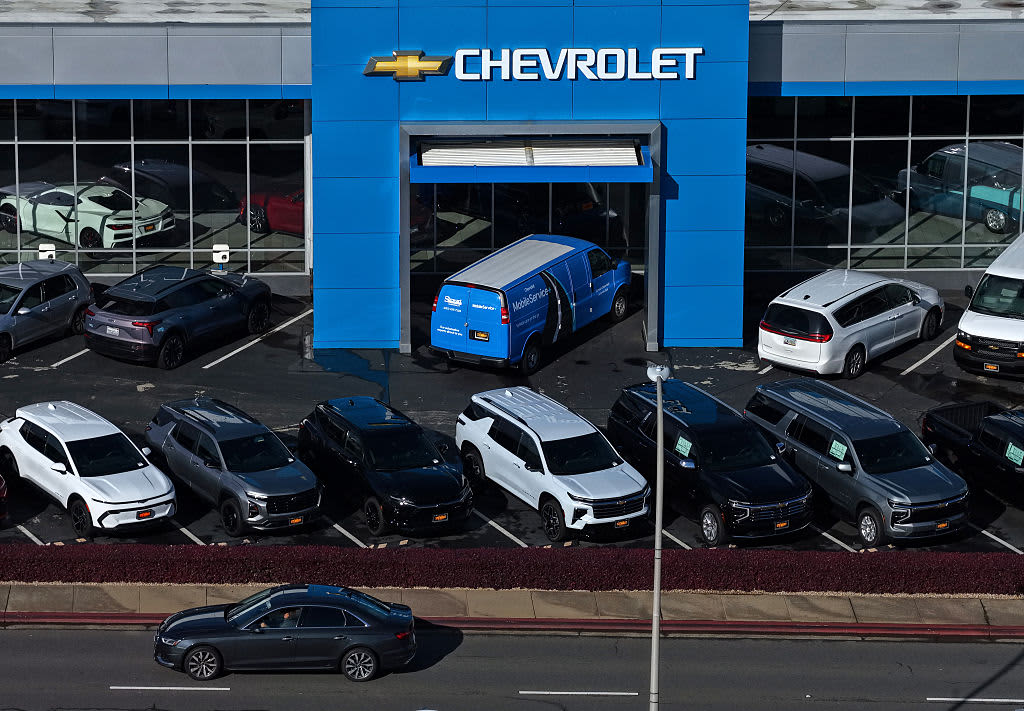
General Motors is revolutionizing the used car market with its CarBravo program, aiming to convert used car buyers into new vehicle customers through certified pre-owned vehicles and dealership relationships.
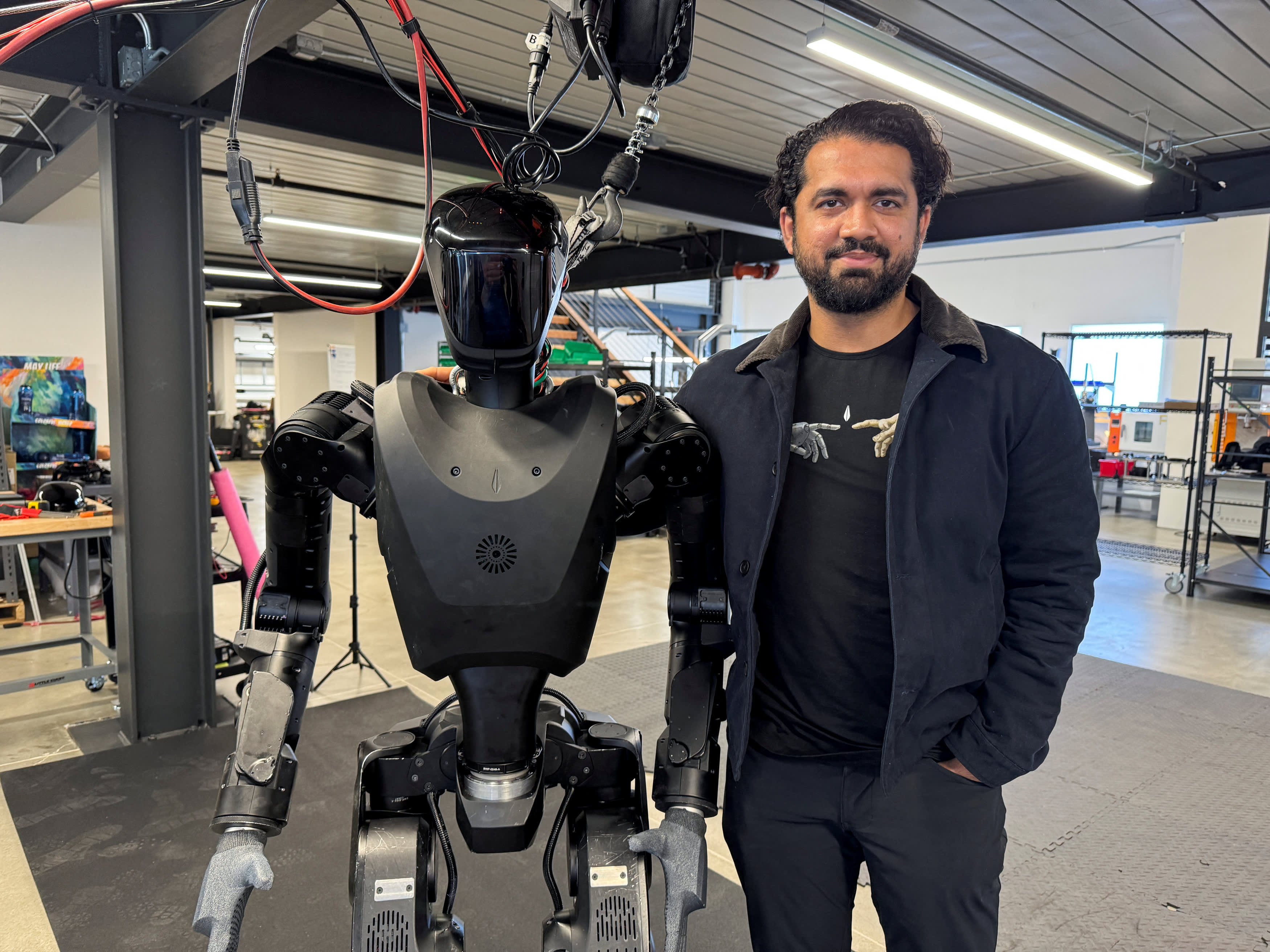
Foundation Payroll Crisis: CEO Loan Sparks Investor Fury
Eric Trump-backed robotics startup Foundation missed payroll after CEO Sankaet Pathak borrowed $4.6M for a home. Explore the governance crisis and funding failures.

Retailers Are Betting Big On Entertainment To Win Consumer Attention
Gap Inc. and others are blending retail with entertainment to drive engagement. Discover why brands are investing in content and experiences.
Latest Articles
- EU, UK, France, Germany, Italy, Poland to Lead Ukraine Peace Talks: What's Next?
- US Air Traffic Control Failure: Trump Blames Aging Infrastructure
- US FAA Grounding Disrupts Major Sports Leagues: NBA, NFL, and NCAA Teams Face Travel Chaos
- European Aviation Safety Agency Halts All Flights to USA Due to FAA Technical Issues
- Youth as Climate Architects: Building a Sustainable Future
- ExxonMobil Revisits Venezuela: A Strategic Pivot in Global Oil Markets