Shenzhen APEC Summit: How US-China Strategic Stability Shapes Asia-Pacific Prosperity
China's Ambassador to the US highlights the critical role of constructive strategic stability between the US and China in fostering regional economic growth and innovation at the upcoming APEC summit.
Source: thepaper.cn
As the world’s eyes turn toward Shenzhen for the APEC Leaders' Meeting, the spotlight falls on a critical intersection of global geopolitics and economic development. The upcoming summit in this modern metropolis serves as more than just a venue for diplomatic negotiations; it represents a pivotal moment to define the trajectory of the Asia-Pacific region. The recent op-ed by China's Ambassador to the United States, Xie Feng, in the People's Daily, offers a compelling blueprint for how the relationship between the world's two largest economies can catalyze a new era of shared prosperity. As the host nation, China is leveraging the city's transformation from a fishing village to a global tech hub to underscore the theme of 'building an Asia-Pacific community for a shared future.' The core of this vision rests on a renewed commitment to constructive strategic stability between Beijing and Washington.
Key Takeaways: The Pillars of Regional Growth
- APEC as the Engine of Global Integration: Established over three decades ago, APEC has successfully shifted the global economic center of gravity toward the Asia-Pacific. The 2026 summit, themed around 'Openness, Innovation, and Cooperation,' aims to further integrate regional markets and dismantle protectionist barriers.
- The 'Shenzhen Miracle' as a Metaphor for Openness: The choice of Shenzhen as the host city is symbolic. Its rapid rise demonstrates that economic success is rooted in openness and reform. The Ambassador argues that the region's future depends on maintaining the 'life line' of open trade, which benefits all member economies.
- Economic Interdependence as a Stabilizer: The text emphasizes that trade and economic ties serve as the 'ballast stone' and 'engine' of the relationship. With the US being a major trade partner, the stability of the bilateral economic relationship directly impacts the financial health and growth potential of the entire Pacific Rim.
- Navigating Competition through Cooperation: While acknowledging the intense competition between the two nations, particularly in Artificial Intelligence, the Ambassador advocates for a framework of 'regulated competition.' The focus is on establishing communication channels to ensure technology serves common prosperity rather than fueling conflict.
- People-to-People Bonds: Beyond high-level diplomacy, the vision for the future involves deepening human connections. Initiatives like the '5 Years, 50,000' youth exchange program and relaxed visa policies are designed to build a resilient foundation of mutual understanding among the younger generations.
- The 'San Francisco Vision' in Action: The article references the 'San Francisco Vision' established during the 2023 summit. It suggests that the current diplomatic momentum, characterized by frequent high-level exchanges, is the prerequisite for achieving the ambitious goals set for the next 'Golden Thirty Years' of development in the region.
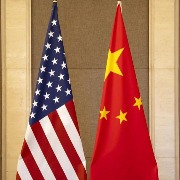
In-Depth Analysis: The Strategic Imperative for Stability
The geopolitical landscape of the 21st century is inextricably linked to the stability of the US-China relationship. As the two largest economies, their bilateral dynamics set the tone for global markets and international security. The concept of 'constructive strategic stability' introduced in the article is a sophisticated diplomatic framework. It moves beyond the binary of 'war or peace' to a nuanced approach where competition is managed, and differences are contained. This is particularly relevant for the Asia-Pacific region, which relies heavily on the predictability of its major powers for investment and infrastructure development.
The choice of Shenzhen is not merely logistical; it is a statement of intent. The city represents the tangible results of opening up and reform. By hosting the summit there, China is implicitly arguing that the path to prosperity lies in economic integration rather than isolation. The article suggests that the 'Golden Thirty Years' of development can only be realized if the Pacific Ocean remains a bridge for trade and cooperation, rather than a barrier. Furthermore, the focus on Artificial Intelligence (AI) highlights a critical frontier. As both nations are AI superpowers, their ability to cooperate on governance and ethical standards will determine whether this technology becomes a tool for global efficiency or a source of instability. The proposed creation of AI dialogue channels is a pragmatic step toward mitigating the risks of an AI arms race.
Frequently Asked Questions
Q: Why is the APEC summit being held in Shenzhen?
A: Shenzhen is chosen to symbolize the region's economic dynamism and the success of reform and opening-up policies. It serves as a living testament to the potential of the Asia-Pacific community, highlighting how integration leads to shared growth.
Q: What does 'constructive strategic stability' mean for businesses?
A: For the business community, this concept implies a more predictable regulatory environment. It suggests that while competition will continue, there will be established channels for communication to resolve disputes, reducing the risk of sudden, disruptive policy shifts that can impact global supply chains.
Q: How does the US-China relationship affect the broader Asia-Pacific region?
A: The relationship is the anchor of the regional economy. Stability between the US and China encourages foreign direct investment (FDI) in the region, fosters infrastructure connectivity, and ensures that the region remains the primary engine of global economic growth.
Source: https://www.thepaper.cn/newsDetail_forward_34483031
Related posts

GM's CarBravo Strategy: Bridging the Gap Between Used Car Shoppers and New Vehicle Sales
General Motors is revolutionizing the used car market with its CarBravo program, aiming to convert used car buyers into new vehicle customers through certified pre-owned vehicles and dealership relationships.
Foundation Payroll Crisis: CEO Loan Sparks Investor Fury
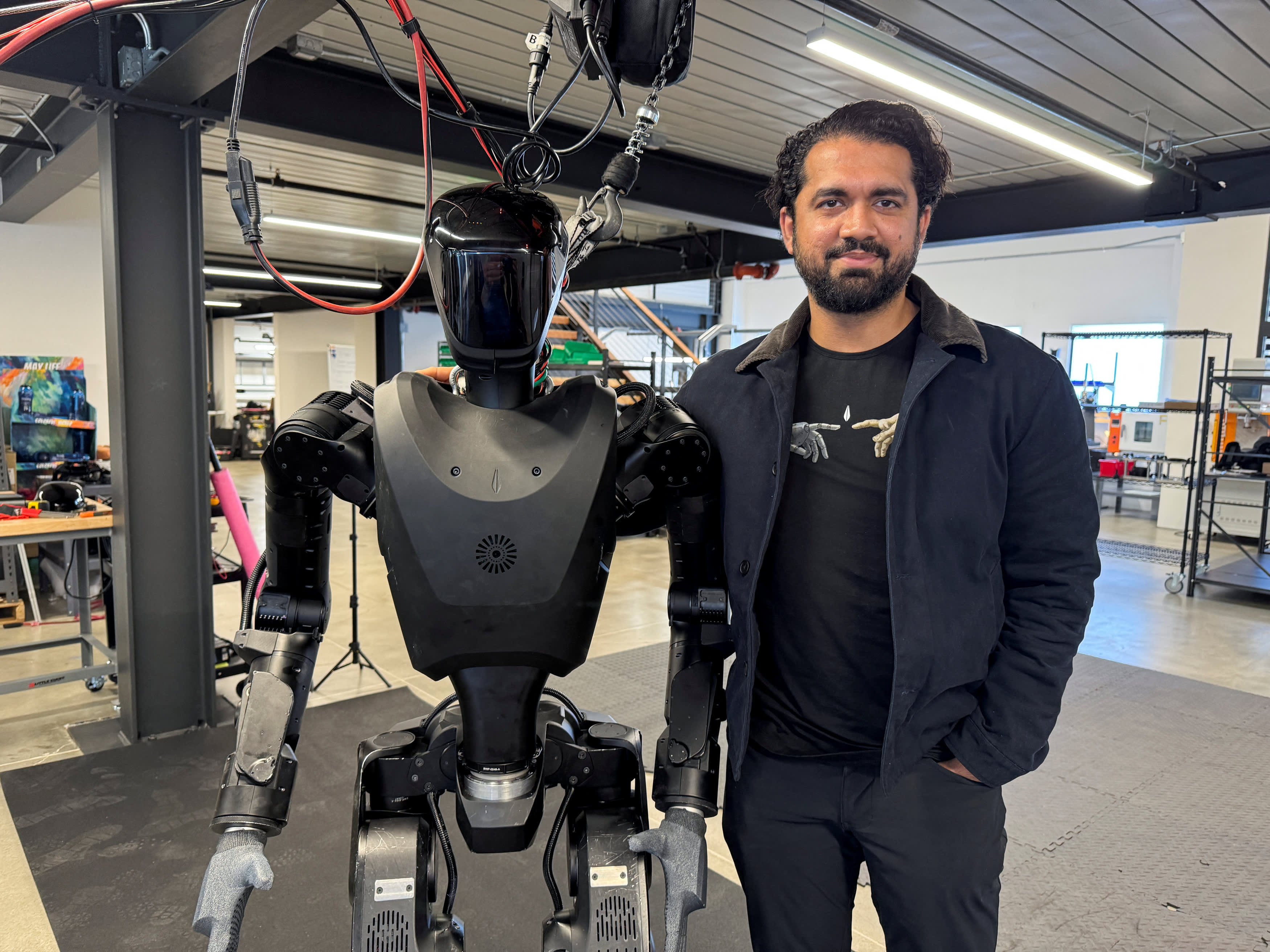
Eric Trump-backed robotics startup Foundation missed payroll after CEO Sankaet Pathak borrowed $4.6M for a home. Explore the governance crisis and funding failures.

Retailers Are Betting Big On Entertainment To Win Consumer Attention
Gap Inc. and others are blending retail with entertainment to drive engagement. Discover why brands are investing in content and experiences.

EU, UK, France, Germany, Italy, Poland to Lead Ukraine Peace Talks: What's Next?
European leaders have formed a unified delegation for Ukraine peace talks, but deep mistrust and divergent interests between the EU and the US cast doubt on the outcome.

US Air Traffic Control Failure: Trump Blames Aging Infrastructure
US President Trump dismisses cybersecurity threats, attributing the nationwide air traffic control outage to old infrastructure and a system update error.

US FAA Grounding Disrupts Major Sports Leagues: NBA, NFL, and NCAA Teams Face Travel Chaos
A nationwide FAA grounding order caused massive travel disruptions for the NBA, NHL, and NCAA this weekend, stranding teams and threatening game schedules.

European Aviation Safety Agency Halts All Flights to USA Due to FAA Technical Issues
A massive aviation disruption unfolds as the FAA grounds US flights following a nationwide communications failure, prompting the European Aviation Safety Agency to suspend departures across Europe.

Youth as Climate Architects: Building a Sustainable Future
How young scholars are transforming from climate issue recipients to active builders in global climate governance.
Latest Articles
- ExxonMobil Revisits Venezuela: A Strategic Pivot in Global Oil Markets
- Europe's Strategic Bet On U.S. Defense: A Growing Regret?
- Global IT Crisis: Microsoft Outlook Outage Impacts Millions Worldwide
- Hamlet vs. CEO: How a Literature Professor Defends Short Dramas
- Measles Outbreaks Cost US Millions Amid Rising Cases
- After the Flood: China-Nepal Teams Search for Answers in the Himalayas