EU, UK, France, Germany, Italy, Poland to Lead Ukraine Peace Talks: What's Next?
European leaders have formed a unified delegation for Ukraine peace talks, but deep mistrust and divergent interests between the EU and the US cast doubt on the outcome.
Source: thepaper.cn
The geopolitical landscape is shifting dramatically as Europe prepares to take the lead in the next round of Ukraine peace negotiations. After months of internal debate, the European Union and its key member states have finally agreed on a unified delegation. However, the formation of the team masks underlying tensions and significant skepticism regarding the feasibility of a lasting resolution. As the dust settles on the recent trilateral talks involving the US, Russia, and Ukraine, the focus now turns to whether this European bloc can effectively navigate the complex web of security, territorial integrity, and diplomatic trust required to end the conflict.
Key Points on the European Delegation and Negotiations
-
Unified European Front Established: European Council President Charles Michel announced that a joint delegation comprising the EU institutions and representatives from the United Kingdom, France, Germany, Italy, and Poland will represent the continent in the upcoming talks. This marks a significant shift from previous months of indecision regarding who should speak for Europe.
-
Internal Disagreement Over Representation: While the European leadership was united in its desire to sit at the negotiation table, there was fierce internal debate over whether a single individual or a collective team should represent the bloc. Russian officials previously criticized the Europeans for bickering like "spiders in a jar," urging them to appoint one spokesperson to avoid appearing divided.
-
U.S. Skepticism and Trump Administration Influence: Senior officials in the Trump administration, including Jared Kushner, have expressed concern that a fractured European voice might weaken their leverage. The U.S. has reportedly pushed for a single European representative to streamline negotiations, suggesting that a unified voice would be more likely to be accepted by Moscow.
-
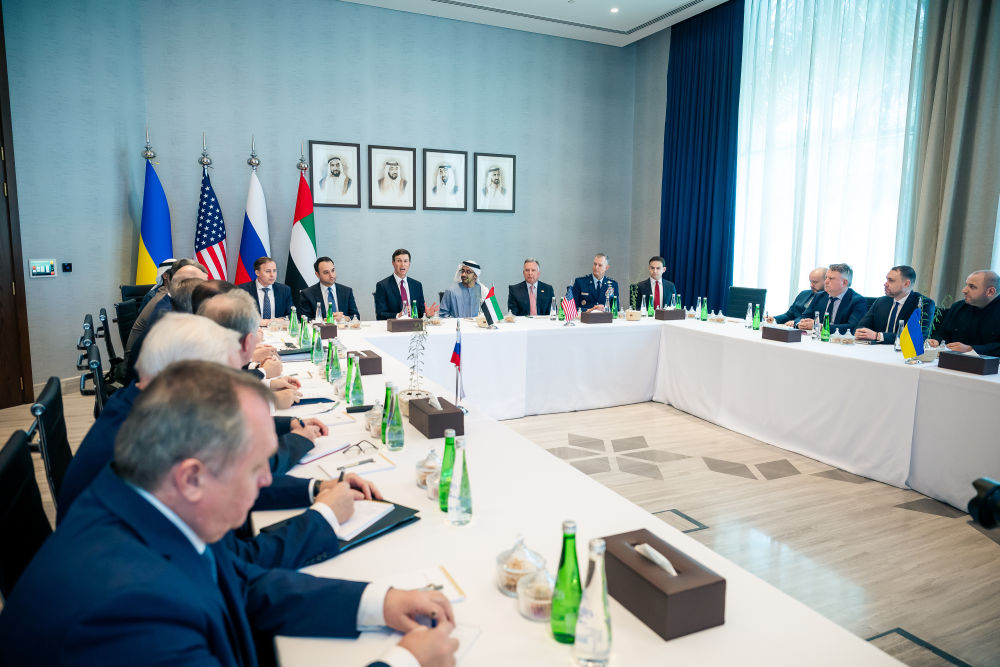
Trilateral Talks Yielded Prisoner Swaps: The recent talks in Abu Dhabi concluded with an agreement on the large-scale exchange of prisoners of war. While a humanitarian breakthrough, the summit failed to make progress on the core issues of the conflict, including territorial disputes and security guarantees.
-
Divergent Strategies: Security Architecture vs. Conflict Resolution: There is a fundamental clash in priorities between European leaders and Moscow. European officials argue that the immediate priority must be ending the ongoing crisis in Ukraine, whereas the Kremlin insists on first establishing a new European security architecture before discussing specific territorial or military status issues.
-
Distrust of U.S. Mediation: European leaders, particularly Polish Prime Minister Donald Tusk and German Chancellor Friedrich Merz, have voiced deep skepticism about the U.S.-led mediation process. They have emphasized that any discussion about Europe's future security must be led by Europeans themselves, not imposed from the outside.
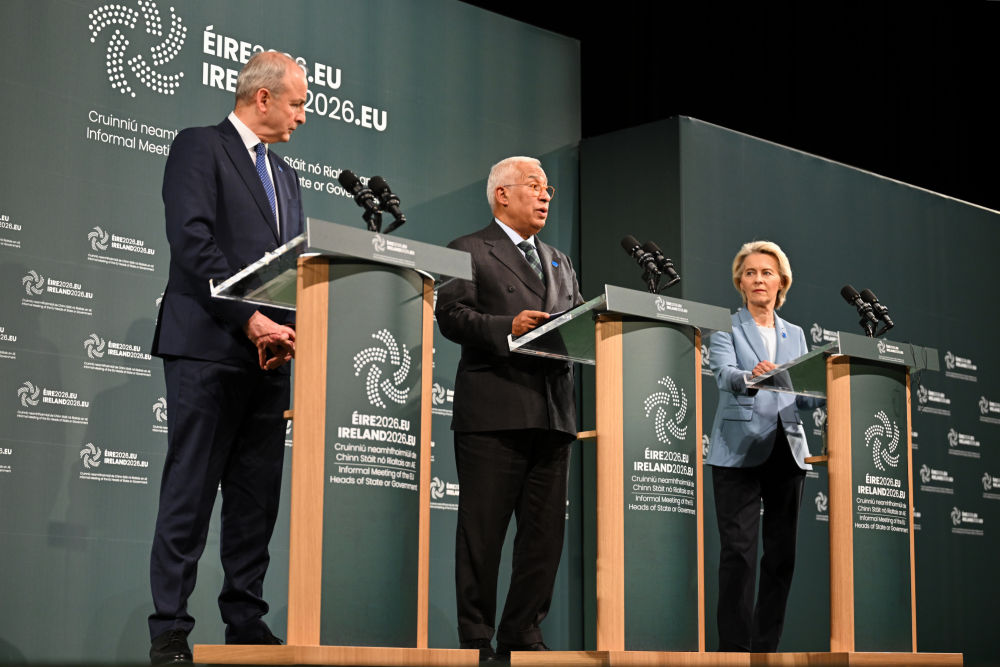
In-Depth Analysis: The Fragility of the New Alliance
The announcement of the European delegation represents a tactical victory for Brussels, yet it exposes the strategic vulnerability of the continent. For months, the EU's diplomatic machinery stalled over the "one voice" versus "one team" dilemma, a debate that was largely a proxy for deeper power struggles between the UK, France, Germany, and Poland. The decision to include the UK alongside the "Big Four" (France, Germany, Italy, Poland) is a pragmatic move to ensure a broad consensus, but it also highlights the EU's reliance on traditional powers rather than supranational institutions.
The geopolitical context is equally critical. The recent trilateral talks in Abu Dhabi revealed that the U.S. is pivoting away from the traditional NATO-centric security model toward a more transactional approach. This has left European leaders feeling exposed and anxious. As the Kremlin signals openness to European participation—provided there is a broader consensus on security—it is doing so on its own terms, effectively trying to split the Western alliance.
The friction between European and U.S. approaches is palpable. While the Trump administration appears eager to conclude a deal, European leaders are wary of a "peace at any cost" settlement that might compromise Ukraine's sovereignty or leave a security vacuum. The skepticism expressed by leaders like Merz and Tusk suggests that the European delegation is entering the talks not just as mediators, but as reluctant participants in a process they do not fully trust. The success of these negotiations will ultimately depend on whether the European bloc can maintain internal cohesion while pushing back against a U.S. agenda that may prioritize speed over justice.
Frequently Asked Questions
Who is leading the European delegation?
While the European Council President Charles Michel and EU High Representative for Foreign Affairs Kaja Kallas were early favorites to lead the team, the final composition includes a collective group of representatives from the EU institutions and the five major member states (UK, France, Germany, Italy, and Poland).
What was the outcome of the recent U.S.-Russia-Ukraine talks?
The talks in Abu Dhabi resulted in a prisoner swap agreement, but they failed to make progress on ending the war or resolving territorial disputes. The summit highlighted significant "major differences" between the parties regarding the future of Ukraine and European security.
Why is there tension between Europe and the U.S. regarding the peace process?
European leaders feel that the U.S. is trying to force a quick resolution that may not be in Europe's long-term interest. They are skeptical of the U.S. mediation and believe that Europe must lead its own security discussions rather than relying on American dictates.
Source: https://www.thepaper.cn/newsDetail_forward_34478426
Related posts

GM's CarBravo Strategy: Bridging the Gap Between Used Car Shoppers and New Vehicle Sales
General Motors is revolutionizing the used car market with its CarBravo program, aiming to convert used car buyers into new vehicle customers through certified pre-owned vehicles and dealership relationships.
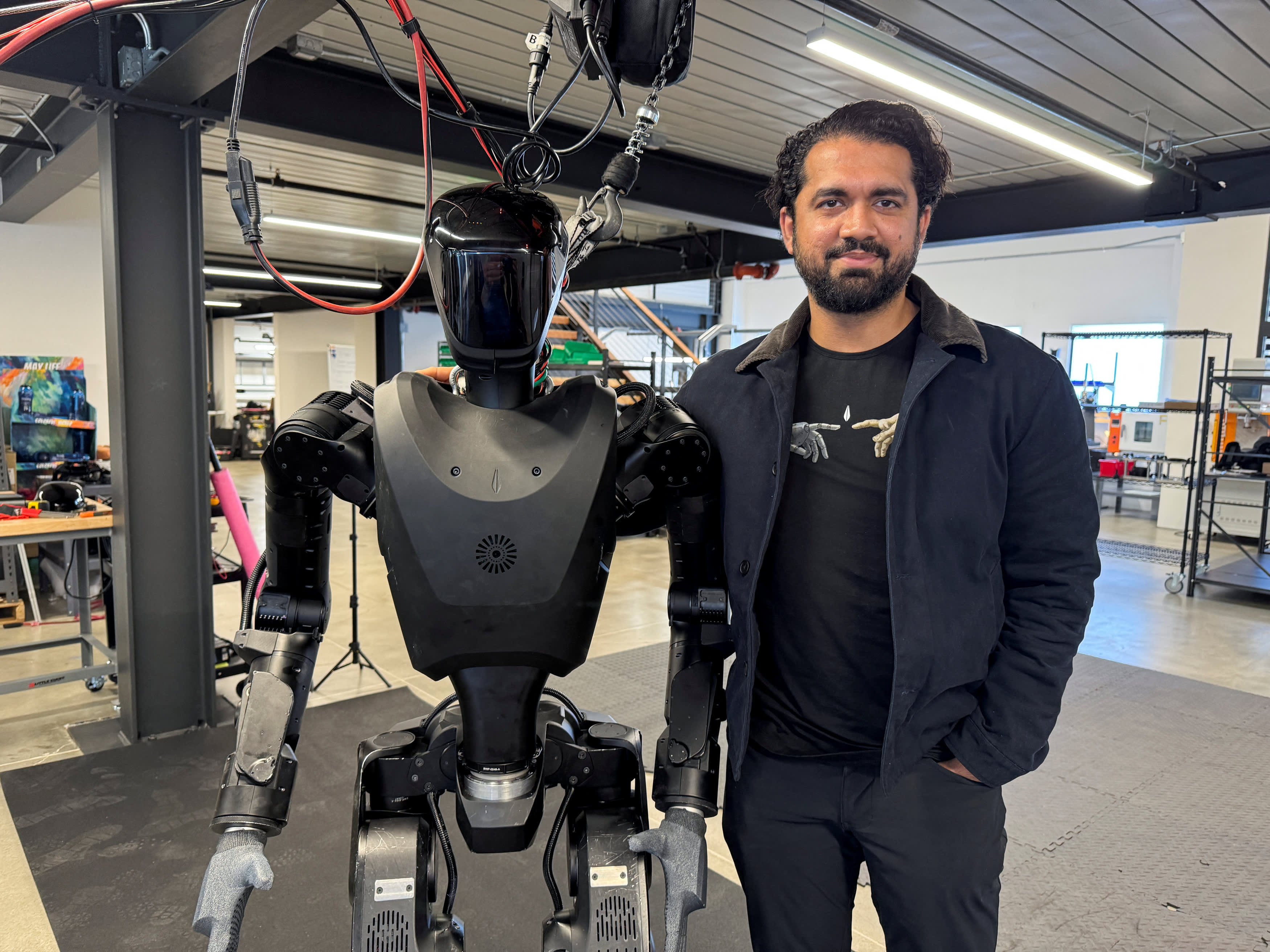
Foundation Payroll Crisis: CEO Loan Sparks Investor Fury
Eric Trump-backed robotics startup Foundation missed payroll after CEO Sankaet Pathak borrowed $4.6M for a home. Explore the governance crisis and funding failures.

Retailers Are Betting Big On Entertainment To Win Consumer Attention
Gap Inc. and others are blending retail with entertainment to drive engagement. Discover why brands are investing in content and experiences.
US Air Traffic Control Failure: Trump Blames Aging Infrastructure
US President Trump dismisses cybersecurity threats, attributing the nationwide air traffic control outage to old infrastructure and a system update error.

US FAA Grounding Disrupts Major Sports Leagues: NBA, NFL, and NCAA Teams Face Travel Chaos
A nationwide FAA grounding order caused massive travel disruptions for the NBA, NHL, and NCAA this weekend, stranding teams and threatening game schedules.

European Aviation Safety Agency Halts All Flights to USA Due to FAA Technical Issues
A massive aviation disruption unfolds as the FAA grounds US flights following a nationwide communications failure, prompting the European Aviation Safety Agency to suspend departures across Europe.
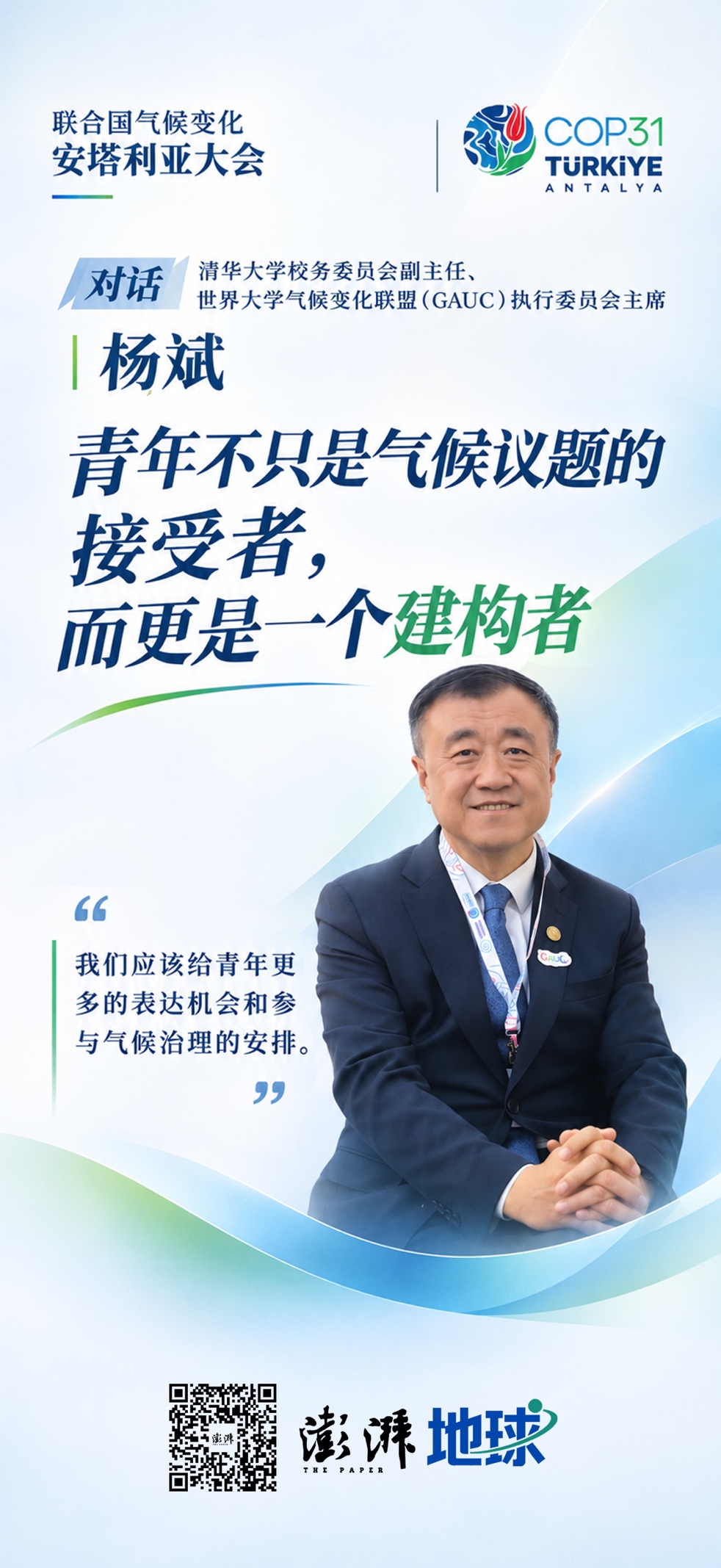
Youth as Climate Architects: Building a Sustainable Future
How young scholars are transforming from climate issue recipients to active builders in global climate governance.
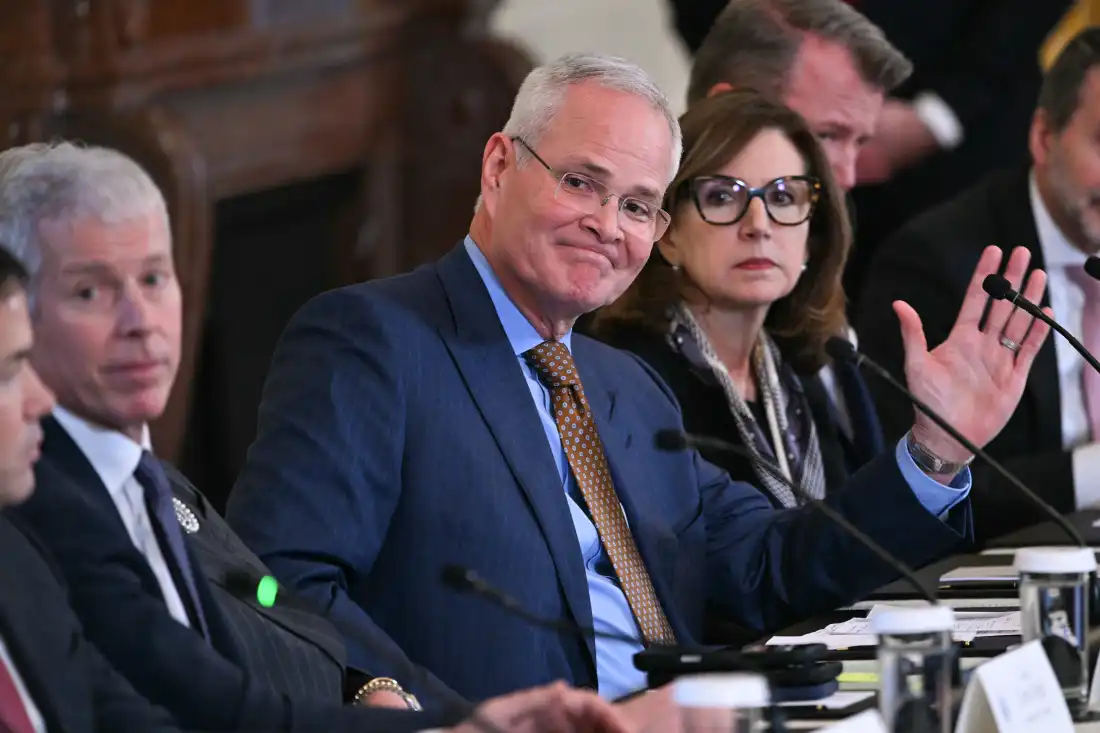
ExxonMobil Revisits Venezuela: A Strategic Pivot in Global Oil Markets
Discover how the oil giant's return to Venezuela, once deemed 'uninvestable,' signals a major shift in energy geopolitics and climate policy.
Latest Articles
- Europe's Strategic Bet On U.S. Defense: A Growing Regret?
- Global IT Crisis: Microsoft Outlook Outage Impacts Millions Worldwide
- Hamlet vs. CEO: How a Literature Professor Defends Short Dramas
- Measles Outbreaks Cost US Millions Amid Rising Cases
- After the Flood: China-Nepal Teams Search for Answers in the Himalayas
- New Zealand Election: Two Major Parties Lose as Anti-Establishment Sentiment Grows