Retailers Are Betting Big On Entertainment To Win Consumer Attention
Gap Inc. and others are blending retail with entertainment to drive engagement. Discover why brands are investing in content and experiences.
Source: CNBC
The modern retail landscape is undergoing a profound transformation, moving far beyond simple transactions to become a source of cultural engagement. In a bid to capture the increasingly fragmented attention of digital consumers, major retailers are pivoting toward a strategy known as 'fashiontainment'—a fusion of retail and entertainment. This shift is not merely a marketing gimmick but a strategic reimagining of how brands connect with their audiences, turning shopping into an immersive experience that rivals the appeal of Hollywood or the music industry.
Key Takeaways
- Entertainment as a Core Strategy: Retailers like Gap Inc. are creating dedicated roles, such as Chief Entertainment Officers, to oversee content creation and brand storytelling.
- Authenticity is Non-Negotiable: The success of these initiatives depends on authenticity; every entertainment extension must genuinely reflect the brand's core values.
- Blurring Industry Lines: The traditional boundaries between retail, media, and entertainment are vanishing, with executives possessing cross-sector expertise becoming highly valuable assets.
- IP as a Currency: Intellectual Property (IP) is becoming the most valuable asset for brands, serving as a powerful tool to cut through marketing noise and build loyalty.
- Experiential Retail: Investing in in-store experiences, from interactive simulators to exclusive content, is driving tangible results like increased average basket sizes.
- The Content Ecosystem: Retailers are leveraging creators and platforms to co-create IP, creating a more direct and personal connection with consumers.
- Fundamentals Remain Key: While entertainment and experiences are crucial for engagement, they cannot replace the fundamental pillars of retail: great products, transparent pricing, and inventory availability.
In-Depth Analysis
The strategic pivot toward entertainment is a direct response to the evolution of the post-pandemic consumer. As noted by Bryan Eshelman of AlixPartners, the act of shopping has shifted from a purely utilitarian task to a form of entertainment in its own right. Consumers are no longer just looking for products; they are seeking experiences, community, and a sense of belonging. This cultural shift has compelled retailers to become storytellers, leveraging their brand heritage to create content that resonates on an emotional level.
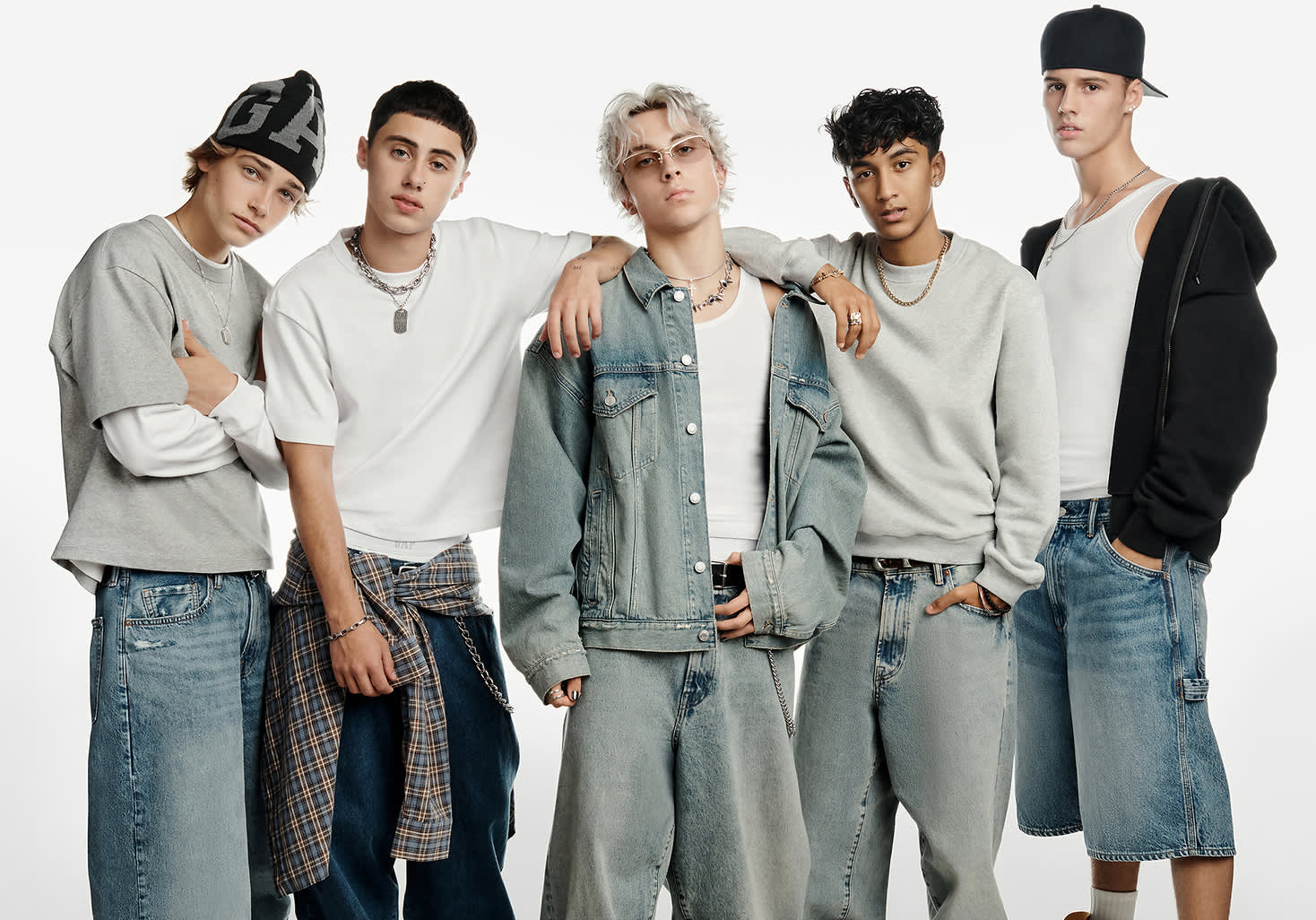
The hiring of executives with dual expertise—such as Pam Kaufman, who moved from Paramount to lead Gap's entertainment division—signals a deep commitment to this model. These leaders understand that in a world saturated with content, the brands that will win the battle for attention are those that can authentically integrate themselves into the cultural conversation. This approach is exemplified by Gap's collaborations with music groups like Katseye and bands such as Just Your Type, which serve to humanize the brand and make it relevant to younger, digitally native demographics.
Furthermore, the rise of intellectual property as a primary asset class is accelerating this trend. As Alex Michael of LionTree explains, IP is the most valuable commodity in the current market because it is directly tied to an audience. Retailers are uniquely positioned to capitalize on this, as they already possess a direct line to their customers. By developing their own content ecosystems—ranging from short-form videos to live events—they are building a loyal following that extends far beyond the physical store.
However, this strategy is not without its challenges. The ultimate goal is not just to create buzz, but to translate that engagement into tangible sales growth. Jeff Goldstein of AlixPartners notes that entertainment and experiential retail act as powerful flywheels, drawing consumers into the store. Yet, as Eshelman cautions, this glitz and glamour cannot mask fundamental weaknesses. If a retailer fails to offer great products at a transparent price, no amount of interactive displays or celebrity partnerships will secure long-term loyalty. The most successful brands will be those that master the delicate balance between creating compelling entertainment and maintaining the essential fundamentals of retail.
Frequently Asked Questions
How does 'fashiontainment' differ from traditional advertising?
Unlike traditional advertising, which is often one-way and product-focused, fashiontainment is a two-way engagement strategy. It involves creating original content—such as music videos, branded series, or interactive experiences—that consumers actively seek out and enjoy. The goal is to build a deeper, more emotional connection with the audience, positioning the brand as a part of their lifestyle and culture rather than just a seller of goods.
Why are retailers hiring entertainment executives?
Retailers are hiring entertainment executives to bring a new level of sophistication and creativity to their marketing strategies. These executives understand the language of modern media, the importance of authenticity, and how to leverage cultural trends. By placing them in leadership roles, retailers signal a long-term commitment to evolving their brand identity and engaging with consumers in a more dynamic and relevant way.
Can entertainment really drive sales growth?
Yes, when executed correctly, entertainment can be a powerful driver of sales. By creating immersive experiences and exclusive content, retailers can attract new customers and deepen the loyalty of existing ones. Data from AlixPartners suggests that companies investing in experiential retail, such as Coach and Ralph Lauren, have seen significant year-over-year increases in their average basket size, proving that engagement can directly translate to revenue.
Source: https://www.cnbc.com/2026/11/14/retailers-invest-entertainment.html
Related posts

GM's CarBravo Strategy: Bridging the Gap Between Used Car Shoppers and New Vehicle Sales
General Motors is revolutionizing the used car market with its CarBravo program, aiming to convert used car buyers into new vehicle customers through certified pre-owned vehicles and dealership relationships.
Foundation Payroll Crisis: CEO Loan Sparks Investor Fury
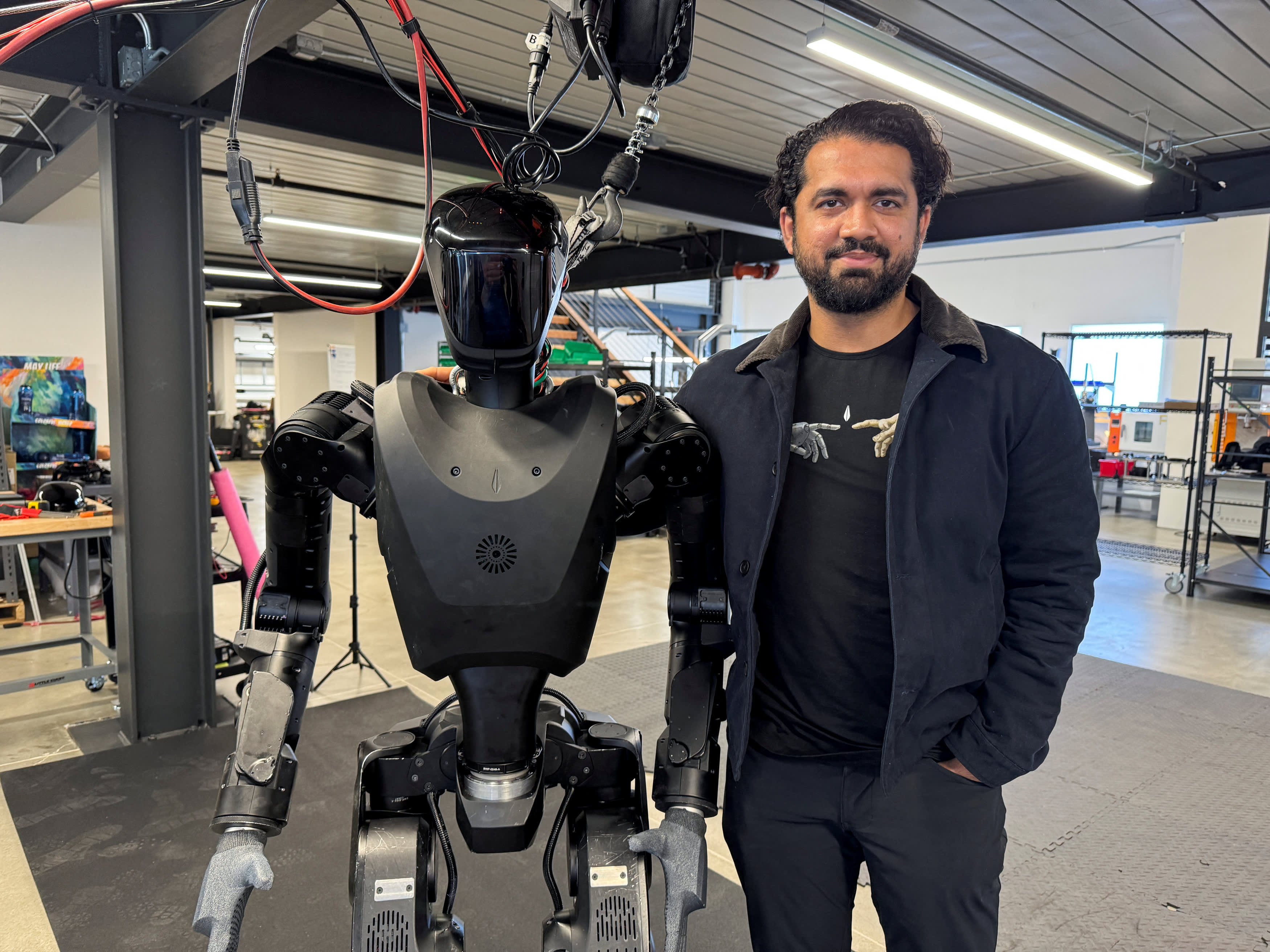
Eric Trump-backed robotics startup Foundation missed payroll after CEO Sankaet Pathak borrowed $4.6M for a home. Explore the governance crisis and funding failures.

EU, UK, France, Germany, Italy, Poland to Lead Ukraine Peace Talks: What's Next?
European leaders have formed a unified delegation for Ukraine peace talks, but deep mistrust and divergent interests between the EU and the US cast doubt on the outcome.

US Air Traffic Control Failure: Trump Blames Aging Infrastructure
US President Trump dismisses cybersecurity threats, attributing the nationwide air traffic control outage to old infrastructure and a system update error.

US FAA Grounding Disrupts Major Sports Leagues: NBA, NFL, and NCAA Teams Face Travel Chaos
A nationwide FAA grounding order caused massive travel disruptions for the NBA, NHL, and NCAA this weekend, stranding teams and threatening game schedules.

European Aviation Safety Agency Halts All Flights to USA Due to FAA Technical Issues
A massive aviation disruption unfolds as the FAA grounds US flights following a nationwide communications failure, prompting the European Aviation Safety Agency to suspend departures across Europe.

Youth as Climate Architects: Building a Sustainable Future
How young scholars are transforming from climate issue recipients to active builders in global climate governance.
ExxonMobil Revisits Venezuela: A Strategic Pivot in Global Oil Markets
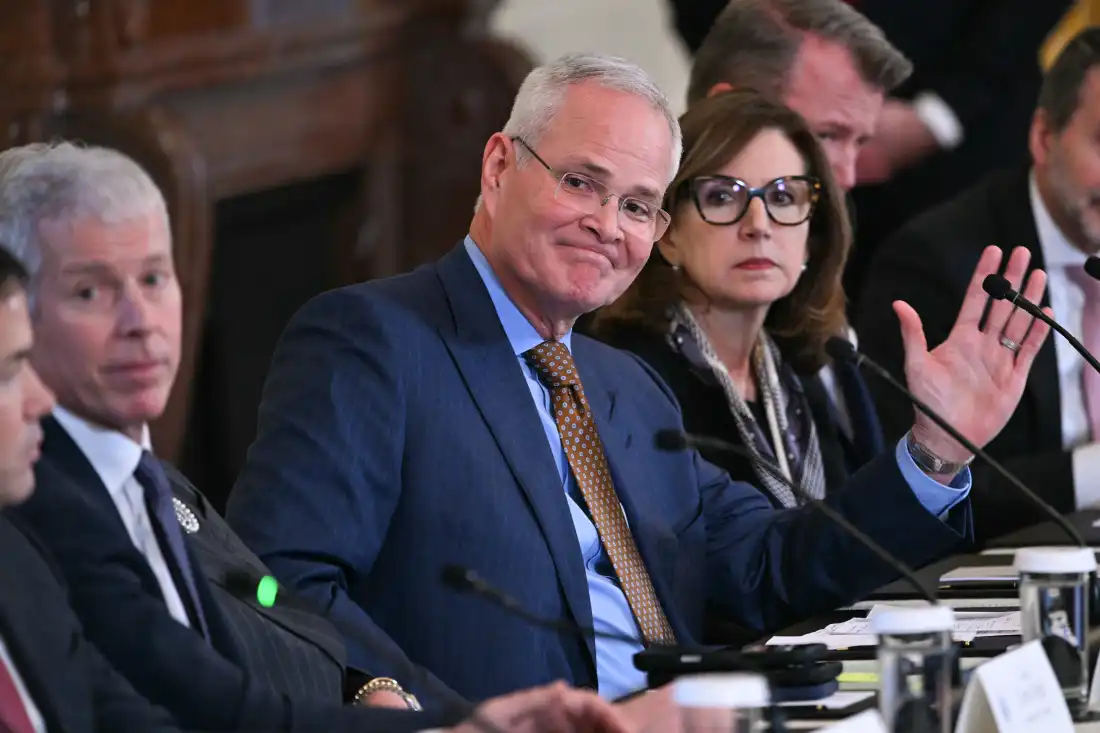
Discover how the oil giant's return to Venezuela, once deemed 'uninvestable,' signals a major shift in energy geopolitics and climate policy.
Latest Articles
- Europe's Strategic Bet On U.S. Defense: A Growing Regret?
- Global IT Crisis: Microsoft Outlook Outage Impacts Millions Worldwide
- Hamlet vs. CEO: How a Literature Professor Defends Short Dramas
- Measles Outbreaks Cost US Millions Amid Rising Cases
- After the Flood: China-Nepal Teams Search for Answers in the Himalayas
- New Zealand Election: Two Major Parties Lose as Anti-Establishment Sentiment Grows