Iran-US Escalation in Bahrain: Gulf Region Becomes New Flashpoint
Iran's repeated attacks on US military facilities in Bahrain signal heightened tensions in the Gulf, with experts warning of potential miscalculations that could trigger wider conflict.
Source: thepaper.cn
The escalating military confrontation between Iran and the United States has reached a critical point as Iranian forces twice targeted US military installations in Bahrain within just three days. This latest round of hostilities underscores how the Persian Gulf has once again become a dangerous arena for strategic signaling between these two adversaries, with potentially catastrophic consequences if miscalculations occur.
Key Developments
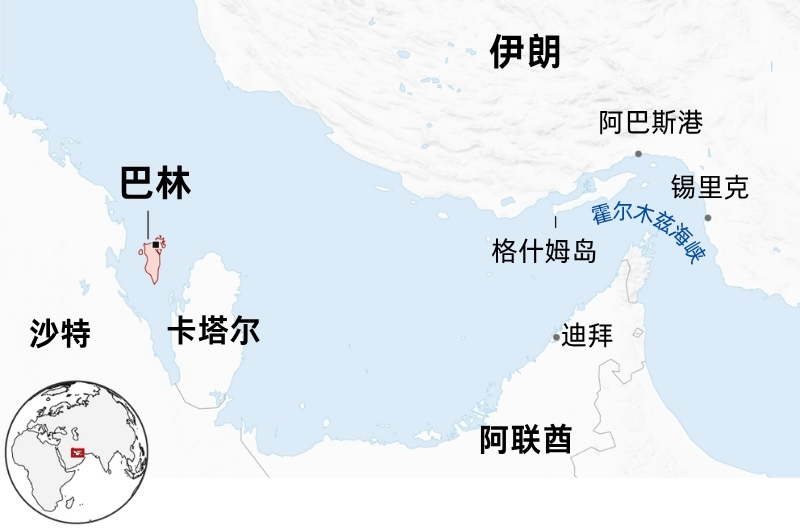
- Iran's Drone Attacks: On November 15, Iran launched six drones targeting the US air defense radar system at Al-Rifaa helicopter base in Bahrain. Bahrain's military claimed to have intercepted all drones before they reached their targets. This follows a similar attack on November 13, which Iran claimed destroyed a US early warning radar facility in Bahrain.
- Iran's Rationale: Iranian officials described these strikes as "responses to US aggression," specifically referencing American military actions against Iranian communications facilities near Sirik. The Islamic Revolutionary Guard Corps has taken responsibility for these operations.
- Bahrain's Response: The Bahraini government strongly condemned the attacks as violations of its sovereignty and territorial integrity. Bahrain's military successfully activated its air defense systems, and authorities issued security warnings to citizens while urging calm.
- US Position: American officials have neither confirmed nor denied the effectiveness of Iran's strikes. The US Central Command previously denied that a radar facility was destroyed in the November 13 attack, stating only that two Iranian drones were shot down with no casualties or damage.
- Strategic Importance: Bahrain hosts the US Navy's Fifth Fleet headquarters and serves as a critical operational hub for US Central Command, making it a strategically significant location in the Gulf region.
- Maritime Security Concerns: Simultaneously, tensions in the Strait of Hormuz continue to escalate, with Iran claiming that oil tankers have struck mines in the waterway, though these reports remain unverified independently.
In-Depth Analysis
The current situation represents a dangerous escalation in the already complex geopolitical landscape of the Middle East. Experts warn that while both Iran and the US may wish to avoid full-scale war, the risk of miscalculation is significant. The pattern of limited military actions and responses could spiral into a larger conflict neither side initially intended. Bahrain, as a key US ally in the region, has become an unwilling participant in this strategic chess match, with its territory serving as a proxy battleground for larger power struggles.
The Gulf region's strategic importance cannot be overstated, controlling vital shipping lanes and energy routes. As Professor Said Golkar from the University of Tennessee at Chattanooga notes, both parties may be engaging in calculated risks to improve their negotiating positions, but the potential for unintended consequences remains high. The recent attacks suggest Iran is attempting to increase pressure while avoiding direct military confrontation with US forces, a strategy that carries inherent risks of escalation.
Looking ahead, the situation remains precarious. Despite President Trump's statement on November 9 that the US would not launch new strikes against Iran immediately, the continued military posturing and blockades suggest no de-escalation is imminent. The international community, particularly Gulf states and European allies, faces the challenge of preventing this volatile situation from spiraling into wider regional conflict.
Frequently Asked Questions
Why is Bahrain specifically targeted in these attacks? Bahrain hosts the US Navy's Fifth Fleet headquarters, making it a critical strategic asset for American military operations in the region. By targeting Bahrain, Iran can directly challenge US military presence while avoiding a direct confrontation with American forces stationed in larger bases like Qatar or the UAE.
What are the potential consequences of this escalation? The most significant risk is miscalculation leading to unintended escalation. If Iran's attacks cause casualties or significant damage, or if US responses inadvertently hit Iranian targets with civilian casualties, the situation could rapidly spiral into a larger conflict. Additionally, the disruption of shipping through the Strait of Hormuz could have severe global economic implications, given that approximately 20% of the world's oil passes through this waterway.
Source: https://www.thepaper.cn/newsDetail_forward_34488255
Related posts

US Air Travel Crisis Exposes Aging Air Traffic Control System
Massive flight disruptions reveal critical infrastructure vulnerabilities as US calls for urgent air traffic control modernization.

Inside the White House: Biden's Memoir Reveals Trump's Two Faces, Debate Failure, and Forced Exit
Former US President Joe Biden's new memoir details his strained relationship with Donald Trump, the controversy surrounding his 2024 campaign exit, and his defense of the chaotic Afghan withdrawal.

EV CEOs Say They Won't Rely on Democrats for Federal Support After Midterms
Rivian, Lucid, and Scout CEOs reveal they are not banking on new federal EV incentives following the Democratic midterm wins, focusing instead on long-term strategy.

Voyager 1 Reaches 1 Light-Day Distance: A Historic Milestone in Interstellar Exploration
NASA's Voyager 1 spacecraft, launched in 1977, is set to become the farthest human-made object, reaching 1 light-day from Earth on Nov 18, 2026. Explore the mission's legacy.
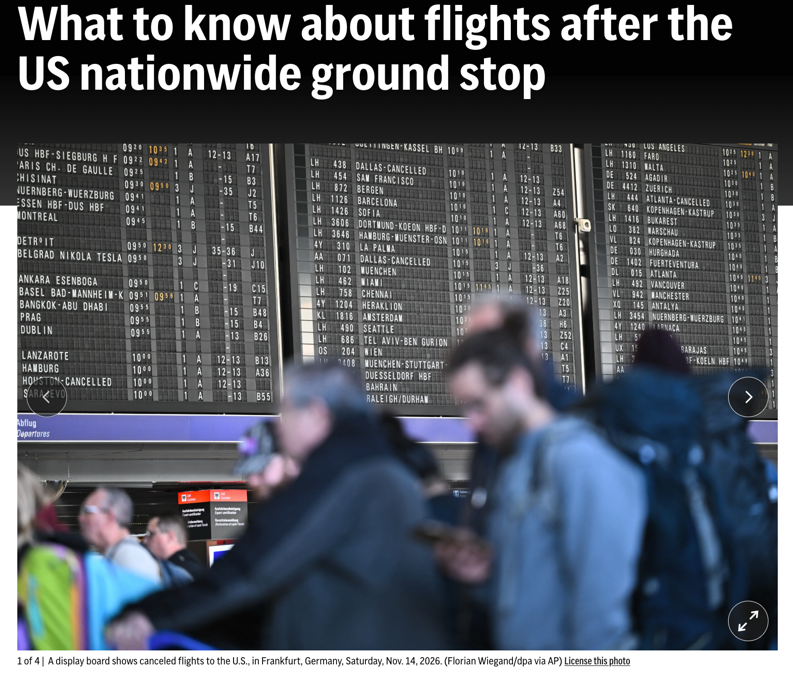
US FAA Grounds Flights for Over 4 Hours: Can $50B Upgrade Fix Aging Air Traffic Control?
A massive nationwide flight halt exposed critical vulnerabilities in the FAA's aging infrastructure. This analysis explores the causes, financial implications, and the complex path toward modernization.

APEC Summit 2026: Over 100 Global Giants to Shape Future Trade
115 Fortune 500 companies, including nearly 20% from the US, will attend the APEC Business Leaders' Summit, signaling a pivotal shift in global economic diplomacy.

Shenzhen APEC Summit: How US-China Strategic Stability Shapes Asia-Pacific Prosperity
China's Ambassador to the US highlights the critical role of constructive strategic stability between the US and China in fostering regional economic growth and innovation at the upcoming APEC summit.

GM's CarBravo Strategy: Bridging the Gap Between Used Car Shoppers and New Vehicle Sales
General Motors is revolutionizing the used car market with its CarBravo program, aiming to convert used car buyers into new vehicle customers through certified pre-owned vehicles and dealership relationships.
Latest Articles
- Foundation Payroll Crisis: CEO Loan Sparks Investor Fury
- Retailers Are Betting Big On Entertainment To Win Consumer Attention
- EU, UK, France, Germany, Italy, Poland to Lead Ukraine Peace Talks: What's Next?
- US Air Traffic Control Failure: Trump Blames Aging Infrastructure
- US FAA Grounding Disrupts Major Sports Leagues: NBA, NFL, and NCAA Teams Face Travel Chaos
- European Aviation Safety Agency Halts All Flights to USA Due to FAA Technical Issues