Trump Approval Rate Hits 36-Year Low Before Midterm Elections
President Trump's approval rating has plummeted to historic lows as midterm elections approach, with economic concerns and policy backlash driving voter dissatisfaction.
Source: thepaper.cn
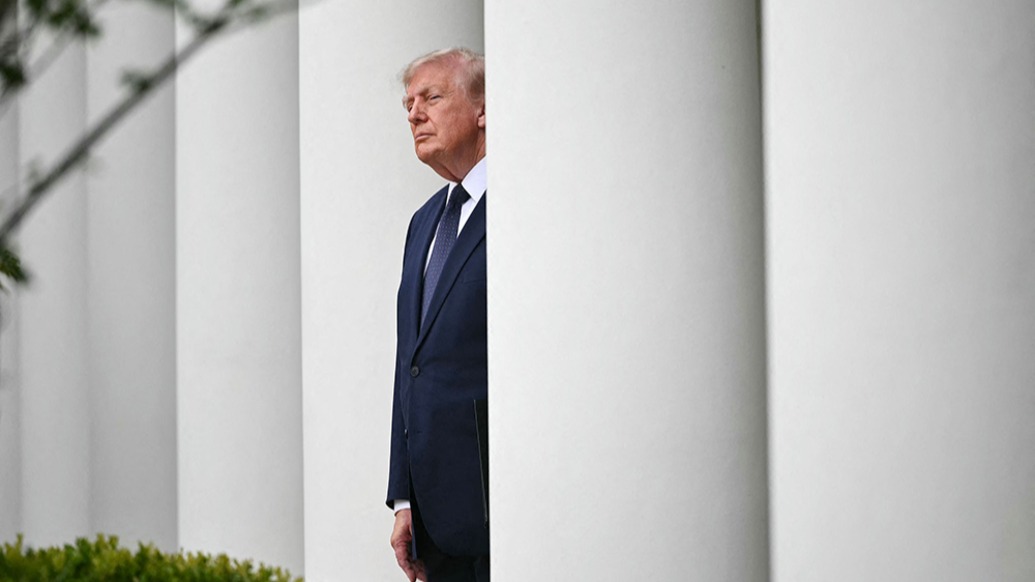
With just one month remaining until the U.S. midterm elections, President Trump's approval rating has reached its lowest point in 36 years, according to a recent Wall Street Journal poll. This unprecedented decline comes as Democratic support significantly surpasses Republican support, potentially reshaping the political landscape ahead of the crucial congressional races.
Key Points
- Historic Low Approval: Trump's approval rating stands at just 37%, the lowest for any president in the 36 years before midterm elections since 1990. This surpasses the previous record low of 39% held by former President George H.W. Bush during his second term.
- Economic Concerns: American voters increasingly associate Trump with rising food and gas prices, increasing mortgage rates, and the proliferation of data centers nationwide. The poll reveals that 60% of respondents believe Trump's policies have worsened economic conditions, while only 25% disagree.
- Energy Crisis Impact: The ongoing seven-month conflict between the U.S. and Iran, which has led to the closure of the Strait of Hormuz, has significantly increased energy costs for Americans. Regular gasoline prices now average approximately $4.48 per gallon, far higher than the $3.13 recorded a year earlier.
- Policy Reversals: The Trump administration is considering measures to address voter concerns, including a temporary ban on diesel exports, though this has faced strong opposition from the energy industry. Energy Secretary Chris Wright has since downplayed the possibility of an outright ban, suggesting voluntary export restrictions instead.
- Republican Defections: Among voters who supported Trump in the 2024 election, 11% now express regret. Additionally, 11% of Republicans not aligned with the "Make America Great Again" (MAGA) movement plan to vote for Democratic candidates in the upcoming congressional elections.
- Republican Party Division: Republican candidates are increasingly distancing themselves from Trump's policies to appeal to dissatisfied voters. Notable figures include Michigan Senate candidate Mike Rogers, who has called for an immediate end to the Iran conflict, and Florida Congresswoman Maria Elvira Salazar, who has broken with Trump over immigration policy.
In-depth Analysis
The current political climate represents a significant turning point in American politics, with Trump's personal unpopularity dragging down the entire Republican party. As strategist Colin Reed notes, "Trump is now synonymous with the Republican Party, and with his declining approval ratings, the entire party is facing this political reality." This dynamic has forced Republicans to defend traditionally safe states like Iowa and Ohio, where they were once expected to win comfortably.
The economic factors driving this dissatisfaction are particularly noteworthy. The combination of rising consumer prices, energy costs, and housing market challenges has created a perfect storm of discontent. Trump's administration appears caught between addressing these economic concerns and maintaining support within its traditional base, particularly the energy sector.
Looking ahead, the midterm elections could potentially see Democrats regain control of the House of Representatives, with a realistic chance of also taking the Senate, according to Charlie Cook of the Cook Political Report. This would represent a significant rebuke of Trump's presidency and could dramatically alter the trajectory of his remaining term and potential future campaigns.
The situation also highlights the growing rift within the Republican party between Trump loyalists and more moderate Republicans who are increasingly willing to break with the former president on key issues. This division could have long-lasting implications for the party's direction and identity moving forward.
Frequently Asked Questions
What is the significance of Trump's approval rating being at a 36-year low? This historic low indicates unprecedented public dissatisfaction with a president before midterm elections, suggesting potential major shifts in congressional control and setting a challenging precedent for Trump's remaining term and future political ambitions.
How might these polling numbers impact the Republican party's strategy moving forward? Republicans are being forced to defend traditionally safe states and may need to further distance themselves from Trump's unpopular policies, particularly on economic and foreign policy issues, to appeal to moderate voters and avoid further electoral losses.
Source: https://www.thepaper.cn/newsDetail_forward_34169659
Related posts

Europe's Strategic Bet On U.S. Defense: A Growing Regret?
Europe faces a critical dilemma as reliance on American defense technology creates supply chain vulnerabilities and strategic risks.

Global IT Crisis: Microsoft Outlook Outage Impacts Millions Worldwide
Microsoft scrambles to fix widespread email outage affecting 430M users and critical infrastructure. Learn about the causes, global impact, and the future of cloud reliability.

Hamlet vs. CEO: How a Literature Professor Defends Short Dramas
Why do people love short dramas despite their clichés? An expert's analysis on the psychology of modern entertainment and the search for emotional catharsis.
Measles Outbreaks Cost US Millions Amid Rising Cases
As measles resurges in the US, outbreaks are imposing significant economic burdens through public health responses, lost productivity, and medical expenses.

After the Flood: China-Nepal Teams Search for Answers in the Himalayas
Two research teams explore the aftermath of the Nepal '8.26' debris flow, analyzing disaster mechanisms and assessing reconstruction needs for trans-Himalayan trade routes.

New Zealand Election: Two Major Parties Lose as Anti-Establishment Sentiment Grows
The 2026 New Zealand election results reveal a political earthquake, with the National and Labour parties suffering significant losses while new parties gain ground amid a deepening crisis of national trust.

MUJI Data Breach: 1 Million Credit Card Numbers Exposed
MUJI parent Ryohin Keikaku apologizes for a major data breach exposing 1.09 million credit card details. Here is the full analysis of the security failure.

Scout Motors' 212,000 Reservations: A New Era for American EVs?
As Scout Motors completes its $2 billion South Carolina plant, the startup reveals 212,000 vehicle reservations. Here is an analysis of their strategy and market potential.
Latest Articles
- US Home Sales Plummet to 16-Year Low Amid Rising Mortgage Rates
- The Truth About Vision Patches: Can They Really Reverse Myopia?
- Building a Constructive Strategic Relationship Between US and China
- Immersive Star Wars Experience: Disney's New Dome Partnership
- Indonesian Vice President Resigns Amid Political Turmoil and Power Shift
- Vance Seeks Direct Iran Talks as Tehran Dismisses Proposal as 'Fantasy'