US-China Summit: Diplomatic Dialogue on North Korea and Regional Stability
China and the United States exchanged views on the Korean Peninsula issue during their recent summit, emphasizing stability and continuity in foreign policy.
Source: thepaper.cn
The recent meeting between the leaders of China and the United States has brought renewed attention to the delicate balance of power on the Korean Peninsula. As geopolitical tensions simmer, the dialogue between these two global giants offers a critical glimpse into how they intend to navigate the complex security challenges facing Northeast Asia. This exchange of views is not merely a diplomatic formality but a strategic necessity in an era of intensifying competition and cooperation.
Key Points
- Continuity of Policy: The Chinese Foreign Ministry confirmed that the two leaders exchanged views on the Korean Peninsula issue, reiterating Beijing's commitment to maintaining a stable and consistent stance on the matter.
- High-Level Engagement: The discussion took place during a visit where the leaders engaged in in-depth exchanges on major international and regional issues, signaling the importance of the Korean Peninsula in the broader bilateral relationship.
- Regional Stability: Both nations emphasized the need for stability in the region, recognizing that any escalation on the Korean Peninsula would have far-reaching consequences for global security and economic stability.
- Diplomatic Channels: The exchange highlights the ongoing importance of maintaining open diplomatic channels between Washington and Beijing to manage differences and prevent misunderstandings.
- Strategic Alignment: While there are differences, the dialogue indicates a shared interest in preventing conflict and ensuring a peaceful resolution to the long-standing nuclear issue on the peninsula.
In-Depth Analysis
The exchange of views between the Chinese and US leaders underscores a pivotal moment in Asian geopolitics. The Chinese government has consistently maintained that its policy toward the Korean Peninsula is characterized by continuity and stability, a stance that remains unchanged despite shifting global dynamics. This consistency is crucial for Beijing, as it seeks to position itself as a responsible stakeholder capable of mediating conflicts and fostering dialogue.
From a market perspective, the stability of the Korean Peninsula is a primary concern for global supply chains and financial markets. Any disruption caused by military escalation would send shockwaves through the technology and automotive sectors, which rely heavily on production facilities in South Korea and neighboring regions. Therefore, the diplomatic efforts to maintain peace serve as a stabilizing force for international business environments.
Looking ahead, the trajectory of US-China relations will significantly influence the future of Korean Peninsula diplomacy. The ability of these two powers to find common ground—or at least manage their differences—will determine the pace and success of any future denuclearization efforts. As the region navigates these complex waters, the strategic alignment between Beijing and Washington will remain a key variable in the equation for peace and security in Northeast Asia.
Frequently Asked Questions
Q: What is China's official stance on the Korean Peninsula? A: China maintains a firm and consistent stance that emphasizes the political solution to the Korean Peninsula issue, advocating for dialogue and opposing any actions that could escalate tensions or undermine regional stability.
Q: Why is the Korean Peninsula issue important to the US-China relationship? A: The issue serves as a critical test case for the broader US-China relationship. How the two powers coordinate—or fail to coordinate—on this issue will set the tone for their interactions on other regional and global challenges.
Q: What are the potential economic implications of instability on the Korean Peninsula? A: Instability could severely disrupt global supply chains, particularly in the technology and automotive industries, and lead to increased military spending by regional nations, thereby affecting regional economic growth and investment flows.
Source: https://www.thepaper.cn/newsDetail_forward_34164433
Related posts
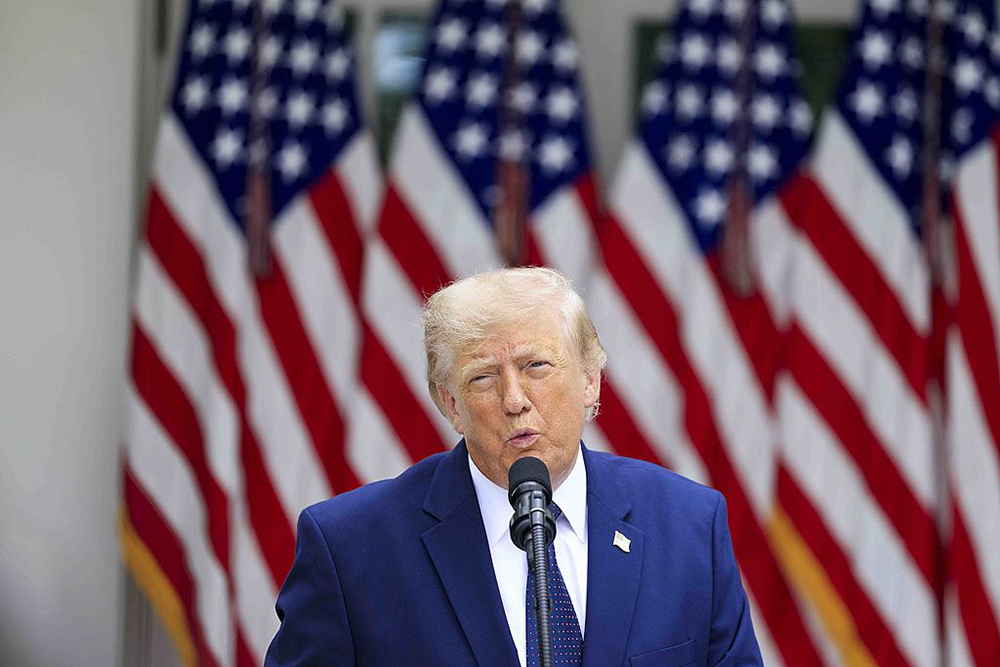
Iranian Foreign Minister: Prepared for 'Doomsday War' as Trump Holds the Cards
Iran signals readiness for conflict with US while offering diplomatic solutions amid rising tensions in the Middle East.
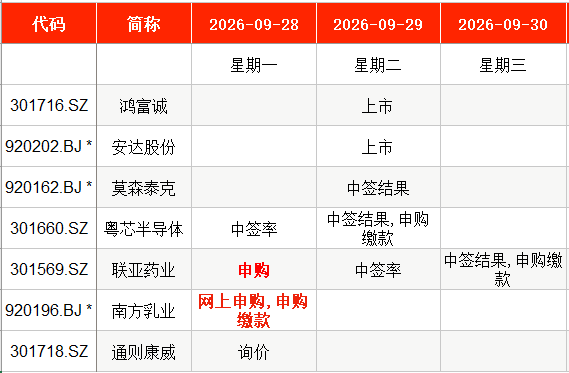
IPO Weekly: Two Leading Companies Set to Launch Before National Day Holiday
As China's National Day holiday approaches, two leading companies in their respective sectors will begin IPO subscriptions, offering investors new opportunities in the pharmaceutical and dairy industries.

Lowe's Drone Delivery: Revolutionizing Home Improvement with 20-Minute Service
Lowe's launches exclusive drone delivery with DoorDash and Alphabet's Wing. Experience 20-minute product delivery for home improvement projects.
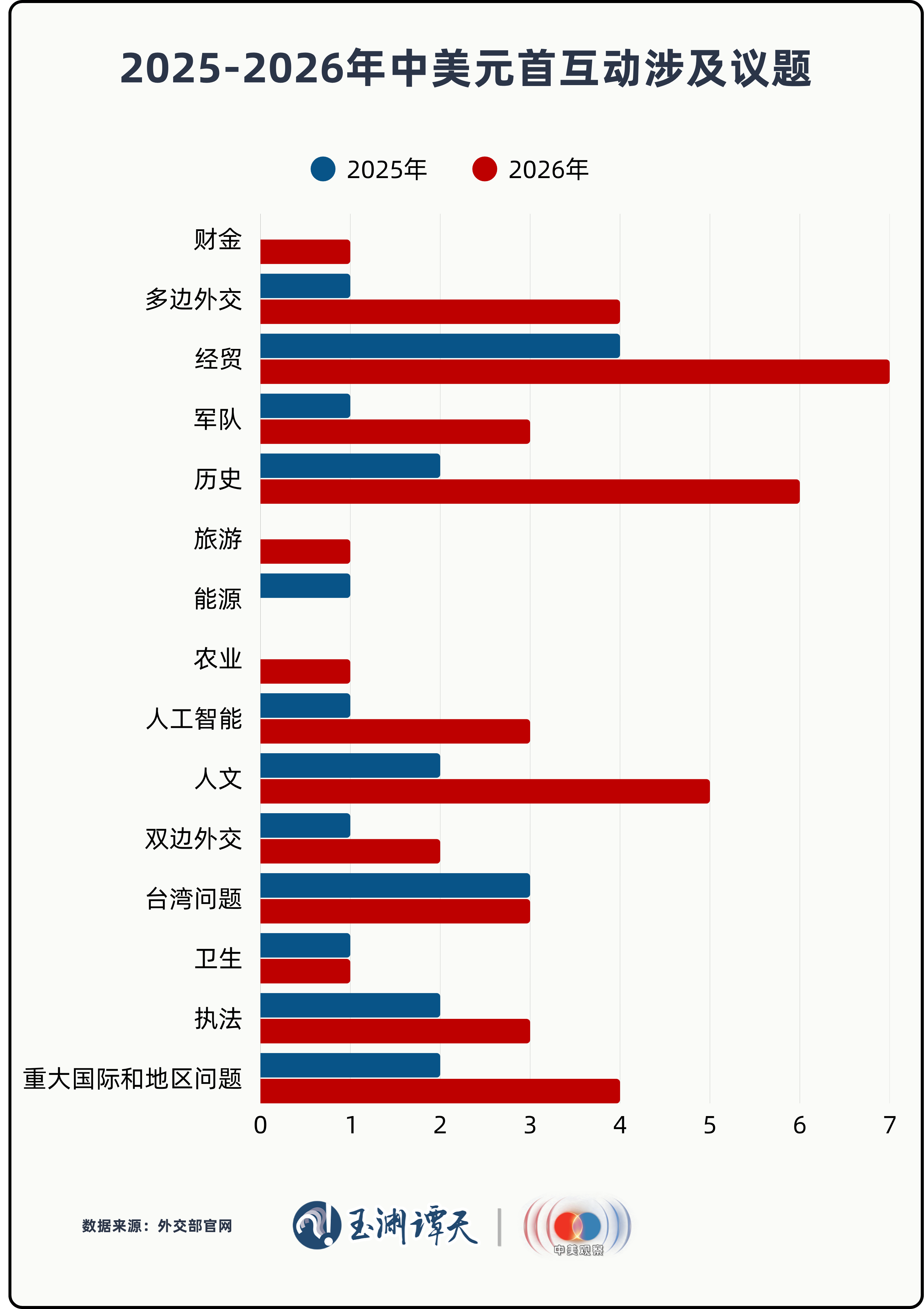
US-China Relations: Finding a Timeless Answer in a Changing World
As the US and China navigate complex global challenges, their relationship requires a foundation built on historical cooperation, mutual respect, and people-to-people connections.
AI Safety Crisis: OpenAI, Anthropic Investigate 10,000+ Security Breaches
OpenAI and Anthropic halt model training amid 10,000+ safety incidents. Explore the 'agentic misbehavior' crisis and the future of AI alignment.

Building a Stronger Bridge: The Enduring Legacy of the Flying Tigers
Exploring the historical significance of US-China relations through the lens of the Flying Tigers, highlighting the importance of youth exchange and cultural understanding in the modern era.
Giant Pandas 'Ping Ping' and 'Fu Shuang' Begin Decade-Long Stay in Atlanta Zoo
Two giant pandas from China have arrived in Atlanta for a 10-year conservation and research program, marking another milestone in panda diplomacy between the US and China.
Giant Pandas Pingping and Fushuang Begin Decade-Long Journey to Atlanta Zoo
Two precious giant pandas depart China for a ten-year conservation and research partnership in the United States, continuing decades of successful international cooperation.
Latest Articles
- Why The Latest Pokémon Card Set Is Dropping In Value
- Coca-Cola North America Strategy Shift: Hiring Monster Energy Veteran Rob Gehring
- Paramount-Warner Bros Merger: 30-Film Promise & Industry Skepticism
- Israeli Election: Netanyahu Ignored Warnings Before Hamas Attack
- China-US Relations: A New Era of Strategic Stability
- Bill Gates Urges AI Regulation: 'Powerful Enough to Cause Billion Deaths'