UK Regional Leaders Meet Amid Constitutional Crisis: Separation Dreams vs Reality
Analysis of the Cardiff Summit where Scottish, Welsh, and Northern Irish leaders convened to discuss potential UK dissolution, examining legal constraints, public opinion, and political implications.
Source: thepaper.cn
In an unprecedented gathering that has sent shockwaves through British politics, the leaders of Scotland, Wales, and Northern Ireland met in Cardiff to coordinate their efforts toward constitutional change within the United Kingdom. This historic meeting, dubbed the 'Cardiff Summit,' brings to the forefront questions about the future of the United Kingdom as regional nationalist movements gain momentum while facing significant legal and public opinion hurdles.
Key Developments
- The Cardiff Memorandum: Leaders from the Scottish National Party (SNP), Welsh nationalists (Plaid Cymru), and Sinn Féin signed a memorandum of understanding demanding the UK government prepare for constitutional changes and recognize the right of their respective peoples to determine their futures through democratic processes.
- Divergent Goals: While all three parties seek greater autonomy or independence, their specific timelines and objectives differ significantly. The SNP aims for a second Scottish independence referendum within five years, Plaid Cymru focuses on increased devolution without setting a referendum timeline, and Sinn Féin targets a border poll by 2030 to achieve Irish reunification.
- Political Coordination: The meeting primarily represents political coordination among the three parties rather than a unified governmental action. The memorandum lacks direct legal binding force as it was signed by party leaders rather than official representatives of the devolved administrations.
- International Dimension: The summit gained additional attention when former US President Donald Trump expressed his desire to see Irish reunification, providing an international platform for the regional leaders to pressure the UK central government.
- Four Pillars of Cooperation: The memorandum outlines four key areas for cooperation: stronger economic development, energy resources, EU relations and international cooperation, and collaboration on the right to national self-determination through referendums.
In-depth Analysis
The Cardiff Summit represents a significant moment in UK constitutional politics, occurring at a time when all three devolved administrations are led by parties advocating for constitutional change. This convergence creates both symbolic and practical challenges for the newly elected Labour government under Prime Minister Andy Burnham.
The summit's importance lies less in its immediate legal implications and more in its signaling function. It demonstrates the growing coordination among regional nationalist movements and their ability to present a united front on constitutional issues. This coordination could potentially accelerate the devolution debate or force central government concessions on greater autonomy.
Economically, the UK's post-Brexit challenges have strengthened nationalist arguments in Scotland and Northern Ireland, where voters predominantly opposed Brexit. However, the economic uncertainties associated with potential independence or reunification remain significant deterrents for many voters.
Legally, the three regions face different constitutional pathways. Scotland would require UK parliamentary approval for another independence referendum following the 2022 Supreme Court ruling that the Scottish Parliament lacks unilateral authority over such matters. Wales lacks both a clear legal mechanism for independence and sufficient public support, with polls showing only about one-third favoring independence. Northern Ireland operates under the unique framework of the Belfast Agreement, which includes provisions for border polls but requires specific political conditions to be met.
Looking ahead, the UK appears to be entering a new phase of constitutional bargaining rather than imminent dissolution. The Cardiff Summit's greatest significance may be in establishing a precedent for inter-regional cooperation on constitutional matters, potentially influencing future devolution debates regardless of whether independence is ultimately achieved.
Frequently Asked Questions
What legal authority do these leaders have to pursue constitutional change? The memorandum signed in Cardiff carries limited legal weight as it represents a political agreement between parties rather than an inter-governmental accord. The UK Parliament retains ultimate authority over constitutional matters, and significant legal barriers remain for independence referendums in Scotland and Wales.
How does public opinion in these regions support independence movements? Current polling suggests mixed results. While Scotland shows nearly even support for independence (47% in favor, 45% opposed), Northern Ireland has seen declining support for reunification (35.8% in favor), and Wales shows only about 32% support for independence. None of these regions currently demonstrate stable majority support for constitutional change.
What impact might this have on UK politics? The Cardiff Summit significantly elevates constitutional issues on the UK political agenda, potentially forcing Prime Minister Burnham to address devolution concerns more prominently. It also demonstrates the growing coordination among regional nationalist parties, which could influence future UK elections and constitutional debates regardless of immediate outcomes.
Source: https://www.thepaper.cn/newsDetail_forward_34131154
Related posts
Venezuela's Interim President Meets Trump in New York Amid Major Energy Deal
Historic meeting between Venezuelan interim president and Trump signals warming relations as $100B oil agreement transforms bilateral ties.
2026 Global Governance Forum to convene in Xiongan New Area
China to host major international forum on global governance reform in Xiongan New Area this October, signaling new era in international cooperation.
Historic Visit of Xi Jinping to the United States: A Milestone in Sino-American Diplomacy
This article delves into the significance of President Xi Jinping's state visit to the United States, analyzing its impact on Sino-American relations and the future of global diplomacy.
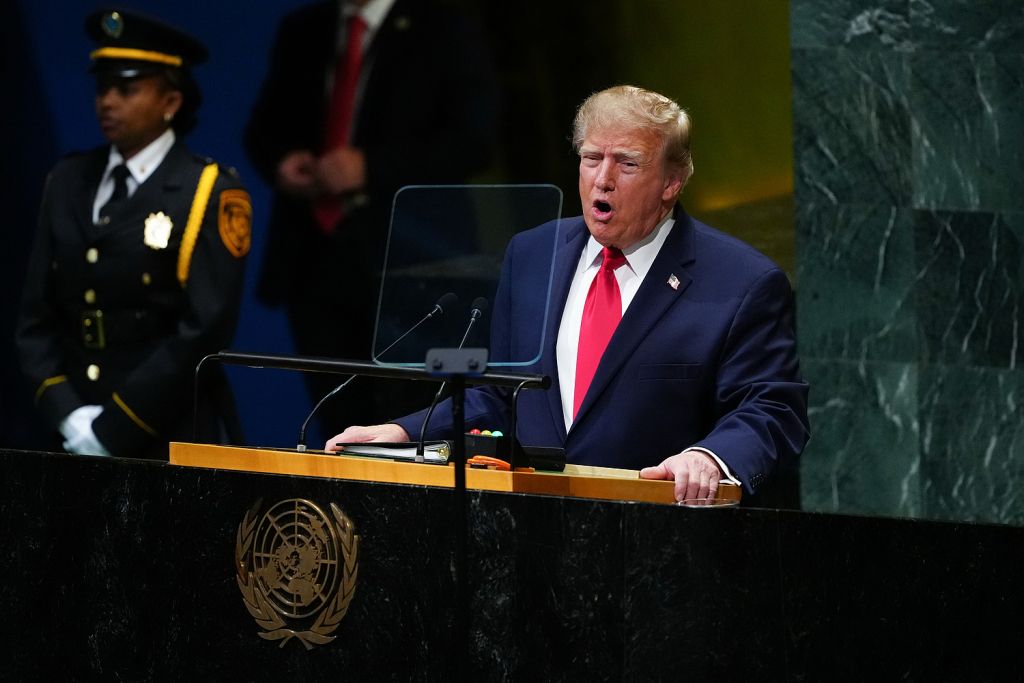
Trump's UN Address: Threats, Policy Shifts, and Global Reactions
Analysis of Trump's controversial UN speech featuring threats against Iran, Greenland military expansion, and renaming AI to 'super intelligence'.
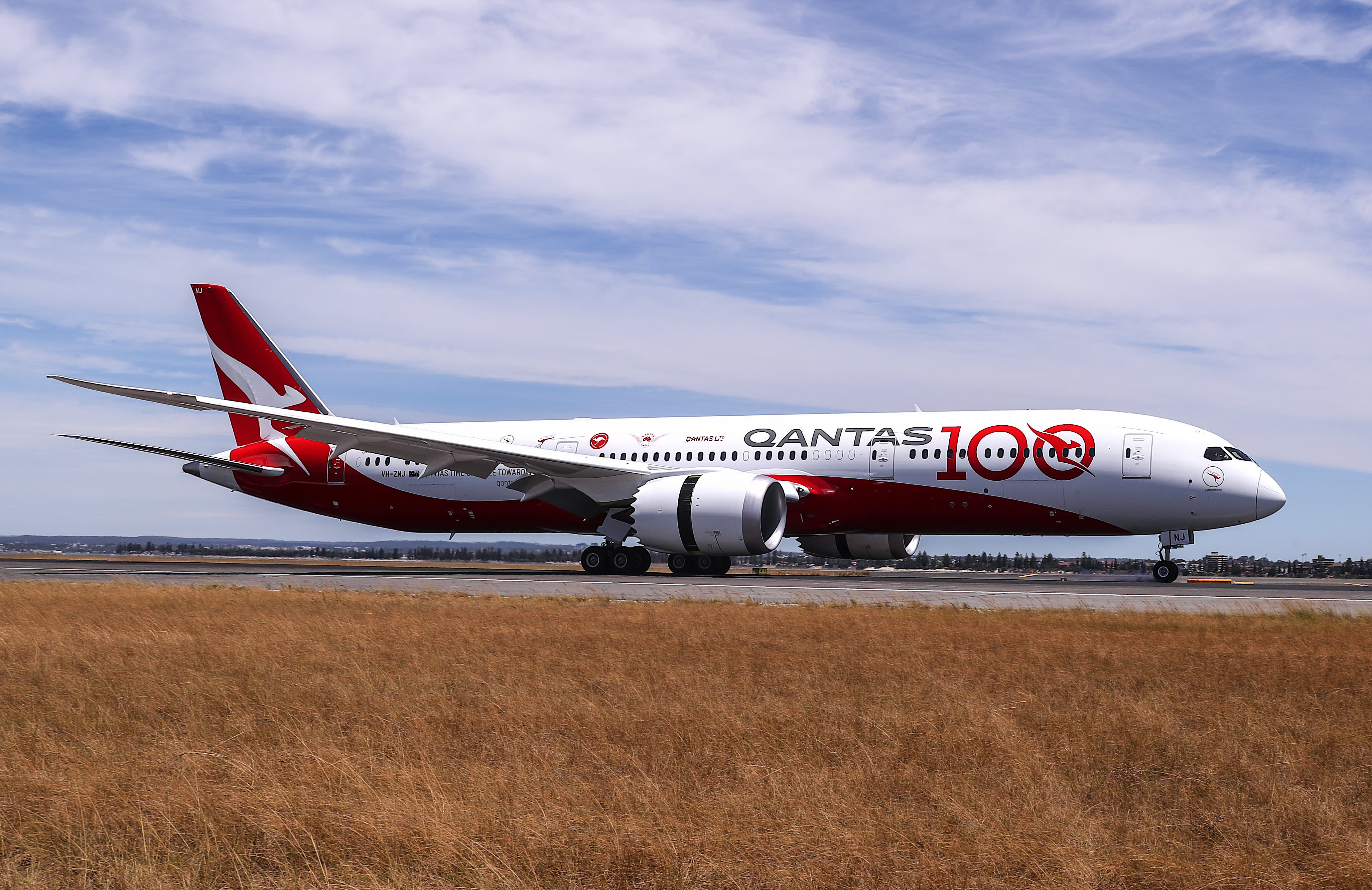
Qantas New York to Sydney Nonstop: 18-Hour Flight Details & Project Sunrise
Qantas to launch NYC-Sydney nonstop in 2028 with Airbus A350-1000 ULR. Learn about 18-hour flight times, premium cabins, and jet lag strategies.
China to Participate in ASEAN Defense Exercise 'Trident Resolve' in Indonesia
Chinese military to join multinational disaster response drill focusing on earthquake and compound disaster scenarios in Southeast Asia.
Pakistan Police Camp Terror Attack: China's Firm Stance Against Terrorism
China strongly condemns Pakistan police camp terror attack, reaffirming unwavering support in global fight against terrorism.

Autonomous Trucking Revolution: Aurora Innovation's Path to Profitability
Aurora Innovation is deploying 20 driverless trucks on US highways, targeting profitability by 2028. Discover how autonomous fleets can be 7.5X more profitable than human-driven ones.
Latest Articles
- Wreck Island Captive: A Story of Humanity Amidst War
- North Korea Unveils New Hypersonic Missile with Waverider Design
- Germany's Political Shift: AfD's Rise and the Fall of the Firewall
- Verizon Fiber Cut Causes Major Flight Disruptions Across Northeast US
- Nissan Boosts U.S. Production with 2027 Rogue Hybrid Launch
- NVIDIA's AI Revolution: Transforming Industries with Cutting-Edge Technology