Trump's UN Address: Threats, Policy Shifts, and Global Reactions
Analysis of Trump's controversial UN speech featuring threats against Iran, Greenland military expansion, and renaming AI to 'super intelligence'.
Source: thepaper.cn
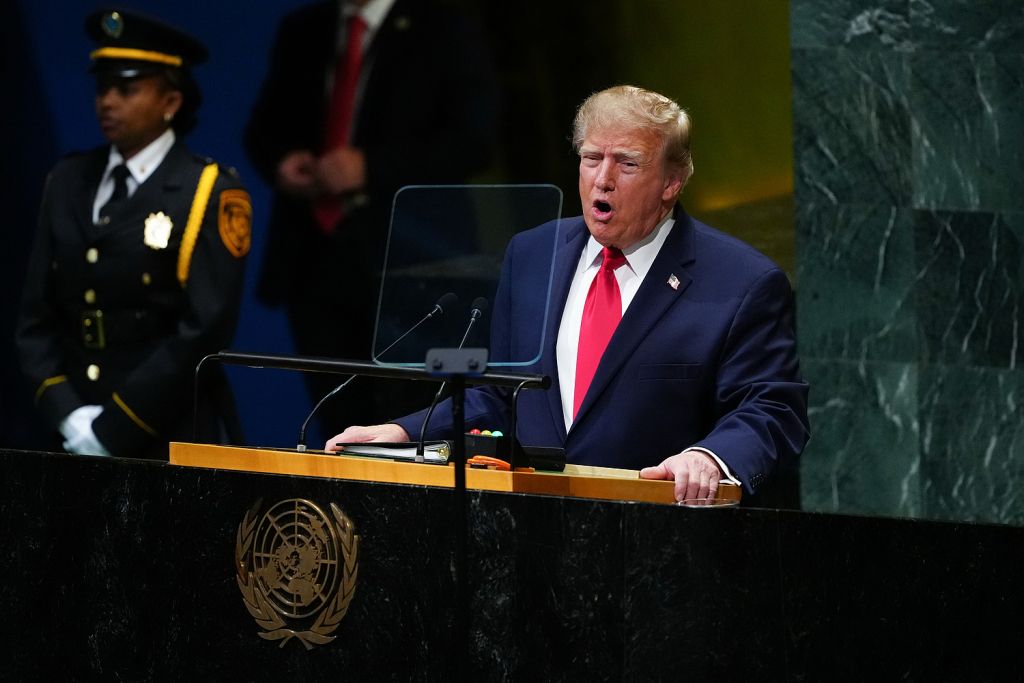
In a high-stakes address to the United Nations General Assembly, President Trump delivered a speech that blended campaign rhetoric with major policy announcements, signaling significant shifts in American foreign policy while drawing international criticism. The speech came at a critical moment as Trump faces mounting domestic pressure over his handling of the Iran conflict, with polls showing over 70% of Americans disapproving of his foreign policy approach—approaching the low points seen during the Bush administration's Iraq War.
Key Takeaways
- Iran Threats: Trump dramatically questioned whether to "allow Iran to rebuild" or "quickly eliminate" the Islamic Republic, prompting most Iranian delegates to walk out. He predicted a nuclear deal would be reached after November's midterm elections, following a three-hour meeting between US and Iranian envoys.
- Greenland Military Expansion: Trump signed a security agreement with Denmark and Greenland leaders, establishing two new "significant military bases" in Narsarsuaq and Mestersvig. While Trump claimed the agreement would prevent adversaries from establishing military presence without US approval, Danish officials emphasized it maintained Danish sovereignty and Greenland's right to self-determination.
- Venezuela Oil Deal: The president announced the Pentagon would acquire a stake in a company controlling 17 Venezuelan oil fields, predicting global oil prices would "plummet" if the world remained united.
- AI Terminology Shift: Trump revealed the US government would change "artificial intelligence" to "super intelligence," dismissing international calls for AI regulation as a "globalist conspiracy."
- International Court Criticism: He labeled the International Criminal Court a "rogue institution," demanding all members resign and rejecting its arrest warrant for Israeli Prime Minister Netanyahu.
- Cuba Predictions: Trump declared Cuba a "total failure" whose government "would collapse," causing the Cuban delegation to immediately exit. His comments came amid US oil blockades that have caused severe fuel shortages and power grid collapses in Cuba.
- Leadership Meetings: Trump met with Ukrainian President Zelenskyy, predicting "soon" peace between Russia and Ukraine while urging both sides to stop attacking each other's energy infrastructure. He also held separate meetings with Gulf state leaders, UK Prime Minister Burnham, and Japanese Prime Minister Kishida.
- Domestic Accomplishments: Trump reiterated claims of $21 trillion in foreign investment, the "largest ever" tax cuts, record employment numbers, and resolving eight conflicts, though many of these claims have been disputed by fact-checkers.
- Media Tensions: The speech occurred amid escalating tensions with media, as Trump had already expelled CNN and two other outlets from the White House. When a CNN journalist attempted to ask a question, Trump retorted, "You said you wouldn't report on me. You shouldn't be reporting on me."
In-Depth Analysis
Trump's UN address appears strategically timed as a campaign-style rally speech aimed at consolidating domestic support ahead of midterm elections. The speech represents a significant departure from traditional diplomatic norms, embracing a transactional "winner-takes-all" approach that critics argue undermines the UN's founding principles established in 1945 to "save succeeding generations from the scourge of war."
The administration's claims about oil reserves (60% vs. actual 22%), ammunition supplies (depleted despite claims of record production), and various policy achievements have been fact-checked and found to be exaggerated or misleading. This pattern of questionable assertions suggests an attempt to create a narrative of success despite contradictory evidence.
Internationally, the speech has isolated the United States from traditional allies, with other leaders delivering pointed critiques without naming Trump directly. French President Macron condemned the regression to "jungle law," while Brazilian President Lula stated that democracy "is under threat again." This growing isolation may complicate US diplomatic efforts in the coming months.
Looking ahead, Trump's confrontational approach may yield short-term domestic political gains but risks long-term damage to America's international standing. The naming of AI as "super intelligence" reflects an ideological stance against regulation that could have profound implications for global technology governance. Meanwhile, the Greenland military expansion signals a renewed focus on Arctic geopolitics, potentially heightening tensions with Russia and China.
Frequently Asked Questions
Why did Trump threaten Iran during his UN speech? Trump's threats against Iran appear aimed at both domestic political positioning and diplomatic leverage. By presenting a stark choice between rebuilding or eliminating Iran, he may be attempting to force concessions while simultaneously energizing his political base ahead of midterm elections.
How will Greenland's reaction to the military base agreement affect US-Denmark relations? While Denmark has emphasized that the agreement respects their sovereignty and Greenland's right to self-determination, the differing interpretations could create diplomatic friction. The agreement still requires Danish parliamentary approval, which faces potential opposition from parties concerned about US military expansion in Greenland.
What impact might renaming AI to 'super intelligence' have on technology policy? This terminology shift appears designed to frame AI development as an American-led technological race rather than a global governance issue. By dismissing international regulation efforts as "globalist conspiracy," Trump may be positioning the US to resist global AI governance frameworks, potentially leading to a more fragmented approach to AI development and regulation worldwide.
Source: https://www.thepaper.cn/newsDetail_forward_34130501
Related posts
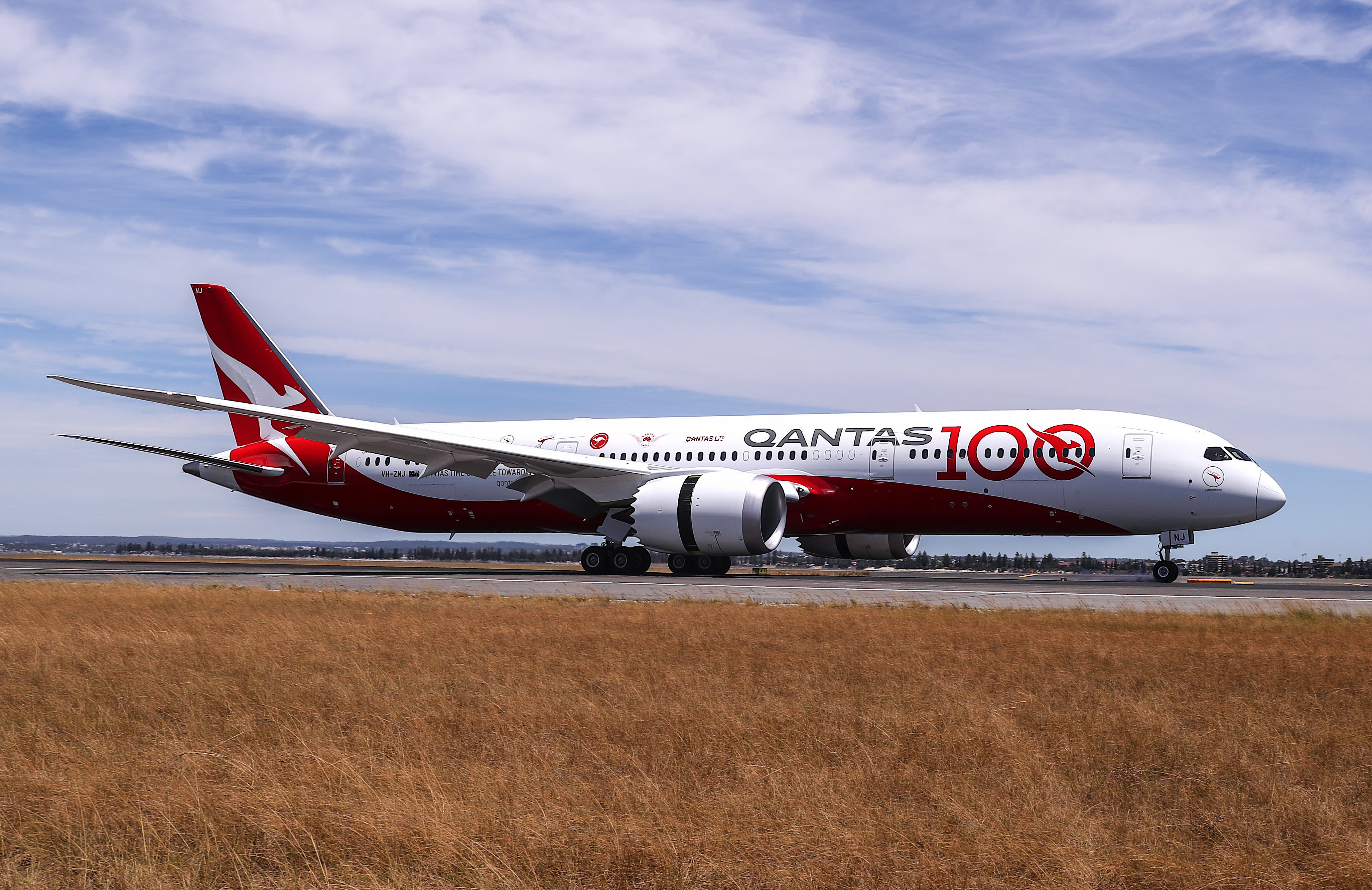
Qantas New York to Sydney Nonstop: 18-Hour Flight Details & Project Sunrise
Qantas to launch NYC-Sydney nonstop in 2028 with Airbus A350-1000 ULR. Learn about 18-hour flight times, premium cabins, and jet lag strategies.
China to Participate in ASEAN Defense Exercise 'Trident Resolve' in Indonesia
Chinese military to join multinational disaster response drill focusing on earthquake and compound disaster scenarios in Southeast Asia.
Pakistan Police Camp Terror Attack: China's Firm Stance Against Terrorism
China strongly condemns Pakistan police camp terror attack, reaffirming unwavering support in global fight against terrorism.
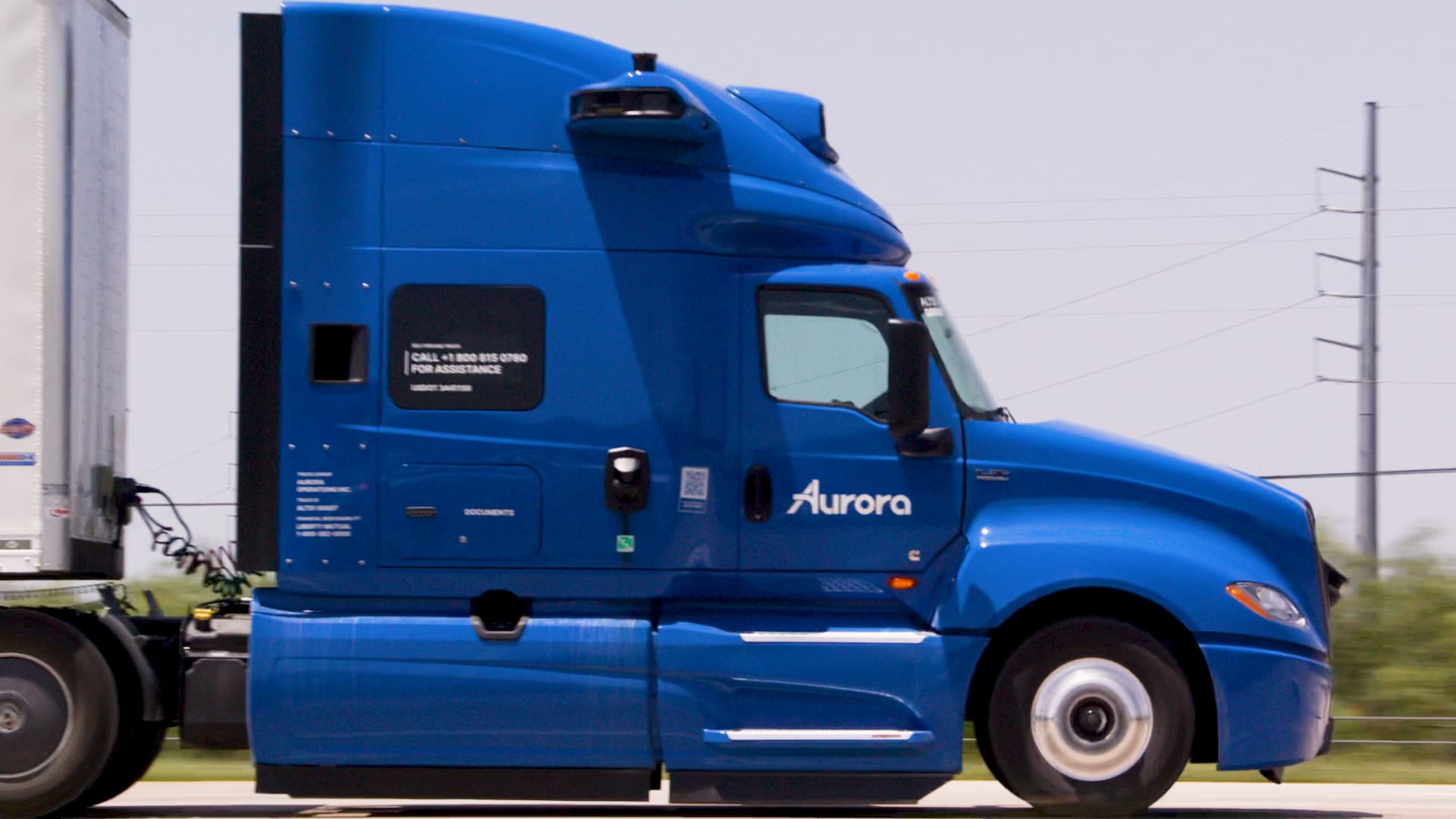
Autonomous Trucking Revolution: Aurora Innovation's Path to Profitability
Aurora Innovation is deploying 20 driverless trucks on US highways, targeting profitability by 2028. Discover how autonomous fleets can be 7.5X more profitable than human-driven ones.

Wreck Island Captive: A Story of Humanity Amidst War
The recent symposium on 'Wreck Island Captive' reveals how a forgotten WWII photo sparked a powerful bridge between China and the US, proving that people-to-people diplomacy remains the bedrock of international relations.
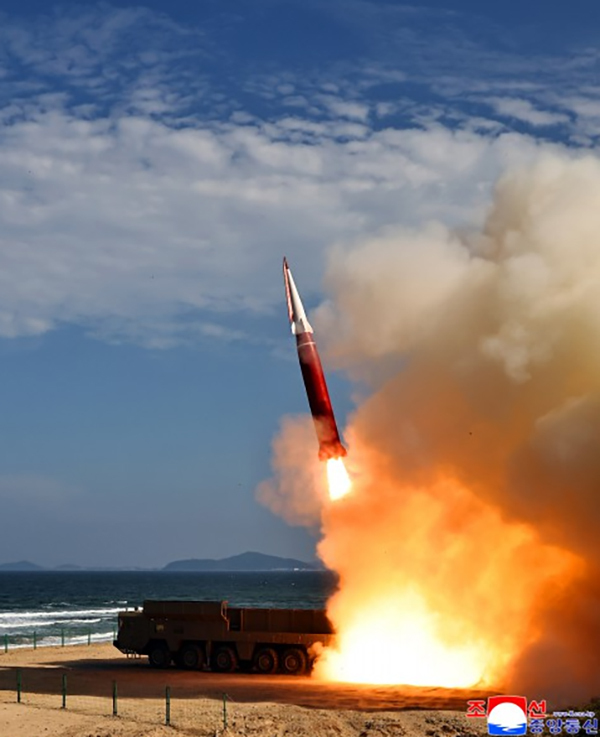
North Korea Unveils New Hypersonic Missile with Waverider Design
North Korea's latest hypersonic missile test showcases advanced waverider technology, marking the country's fifth public demonstration of hypersonic capabilities.
Germany's Political Shift: AfD's Rise and the Fall of the Firewall
Why is Germany's political landscape fracturing? Analyzing the AfD's surge, the collapse of the firewall, and the rise of left-wing movements.
Verizon Fiber Cut Causes Major Flight Disruptions Across Northeast US
Construction accident in New Jersey cuts critical Verizon fiber cable, halting hundreds of flights to Newark, NYC, and Philadelphia airports.
Latest Articles
- Nissan Boosts U.S. Production with 2027 Rogue Hybrid Launch
- NVIDIA's AI Revolution: Transforming Industries with Cutting-Edge Technology
- Budget Airlines Shift Strategy: Frontier, Allegiant, JetBlue Add Premium Seats
- Philippine Vessel's 'Staged' Collision: Analyzing South China Sea Tactics
- Ticket Prices Surge 45% For Macklemore Solo Concert Amid Ed Sheeran Tour Fallout
- The Three-Way Squeeze: How Tariffs, Fuel Costs, and Interest Rates Are Reshaping American Business