China-ASEAN Relations: From 'Indivisible Neighbors' to Deep Strategic Partnership
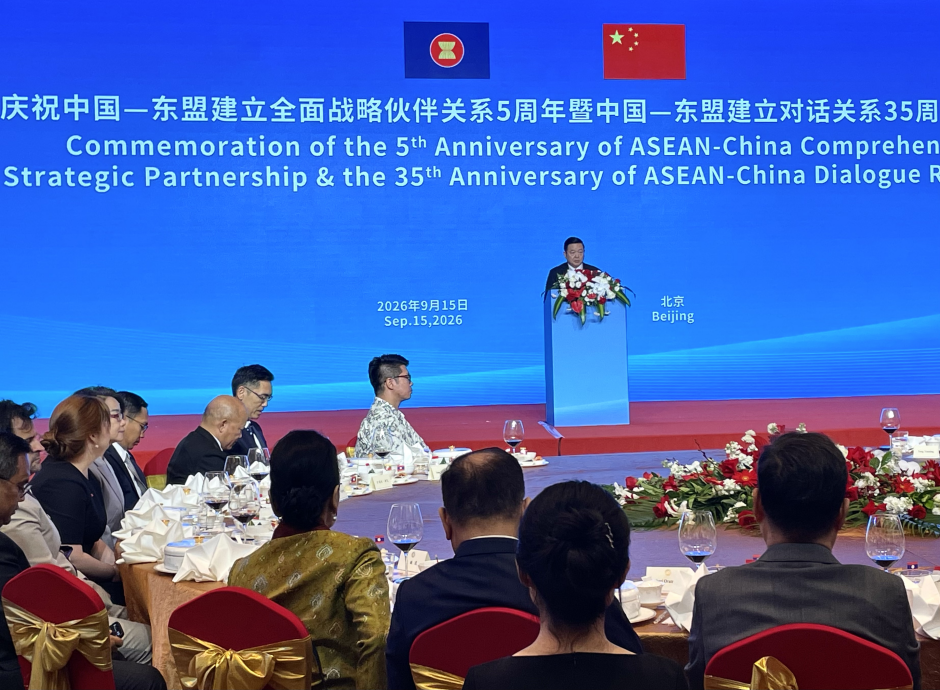
Exploring the evolution of China-ASEAN relations over 35 years, from trade partners to comprehensive strategic allies with $1 trillion in bilateral trade.
Source: thepaper.cn
In today's rapidly evolving global landscape, few relationships have demonstrated such remarkable growth and resilience as China's partnership with ASEAN. What began as cautious diplomatic engagement has blossomed into one of the world's most significant economic and strategic alliances, directly impacting the lives of over 2 billion people across Asia. This relationship has not only weathered global uncertainties but has actively shaped regional stability and prosperity, offering a compelling model for international cooperation in the 21st century.
Key Developments in China-ASEAN Relations
-
Economic Integration: The relationship has evolved from simple trade ties to a comprehensive economic partnership. In 2025, bilateral trade between China and ASEAN surpassed $1 trillion for the first time, reaching $1.05 trillion. This remarkable milestone underscores the depth of economic interdependence that has developed over the past three decades.
-
Trade Leadership: China has maintained its position as ASEAN's largest trading partner for 17 consecutive years, while ASEAN has been China's top trading partner for six years straight. In the first seven months of 2026 alone, trade between the two entities reached $744.4 billion, a 24.7% increase from the previous year, now accounting for 21.8% of China's total foreign trade.
-
Infrastructure Connectivity: The China-ASEAN logistics network has revolutionized regional supply chains. The China-Laos Railway's 'Lancang-Mekong Express' now transports fresh durains from Thai orchards to Kunming in just 26 hours, with goods reaching over 30 Chinese cities within 48 hours through multimodal transport solutions.
-
Technological Cooperation: Clean technology exports from China to ASEAN have surged by 50% in 2026, exceeding $20 billion. This includes record imports of energy storage batteries, power grid equipment, electric vehicles, and clean energy components, with the Philippines, Malaysia, Indonesia, and Vietnam as primary markets.
-
Free Trade Advancements: The ongoing upgrade of the China-ASEAN Free Trade Area to version 3.0, combined with the implementation of the Regional Comprehensive Economic Partnership (RCEP), has created new opportunities through tariff reductions and streamlined customs procedures.
In-depth Analysis
The China-ASEAN relationship represents a paradigm shift in international diplomacy, moving beyond traditional state-to-state interactions to create a multi-dimensional partnership that addresses both immediate economic needs and long-term strategic interests. This evolution reflects a pragmatic approach to regional cooperation that prioritizes mutual benefits while respecting diverse political systems and developmental stages.
The economic complementarity between China and ASEAN is remarkable: ASEAN countries, experiencing rapid urbanization, industrialization, and digital transformation, require massive investments in infrastructure, energy, and technology. Meanwhile, China possesses advanced manufacturing capabilities and complete industrial chains in sectors like photovoltaics, batteries, and electric vehicles. This synergy has created a self-reinforcing cycle of trade and investment that continues to deepen.
Looking ahead, the relationship is poised to expand into emerging frontiers including artificial intelligence, digital economy, green transition, and energy security. The 23rd China-ASEAN Expo, themed 'Sharing 3.0 Opportunities, Creating a Better Life,' highlights this forward-looking approach. As Vietnam's Ambassador to China noted, the challenge lies in transforming shared visions into tangible benefits that ordinary citizens and businesses can experience directly.
This partnership demonstrates that economic interdependence can serve as a foundation for political trust and regional stability, offering a valuable alternative to geopolitical competition. In an era of increasing global fragmentation, the China-ASEAN relationship stands as a testament to the power of inclusive economic diplomacy.
Frequently Asked Questions
What makes the China-ASEAN relationship unique compared to other regional partnerships? The China-ASEAN relationship is distinguished by its remarkable economic integration despite political diversity, creating a pragmatic partnership that prioritizes mutual benefits over ideological alignment. Unlike many regional blocs, it has successfully maintained cooperation while accommodating varying levels of development and political systems among its members.
How has the COVID-19 pandemic affected China-ASEAN economic relations? Contrary to initial concerns, the pandemic actually accelerated digital transformation and supply chain diversification within the China-ASEAN framework. Bilateral trade rebounded quickly, with e-commerce and digital services becoming new growth drivers, demonstrating the resilience of economic interdependence in the region.
Source: https://www.thepaper.cn/newsDetail_forward_34075044
Related posts

Carter's Rebranding: Gen Z Parents and Future of Kids' Fashion
Carter's Inc. rebrands to attract Gen Z parents, focusing on child autonomy and social media trends. Discover how the 161-year-old retailer is evolving to stay relevant.
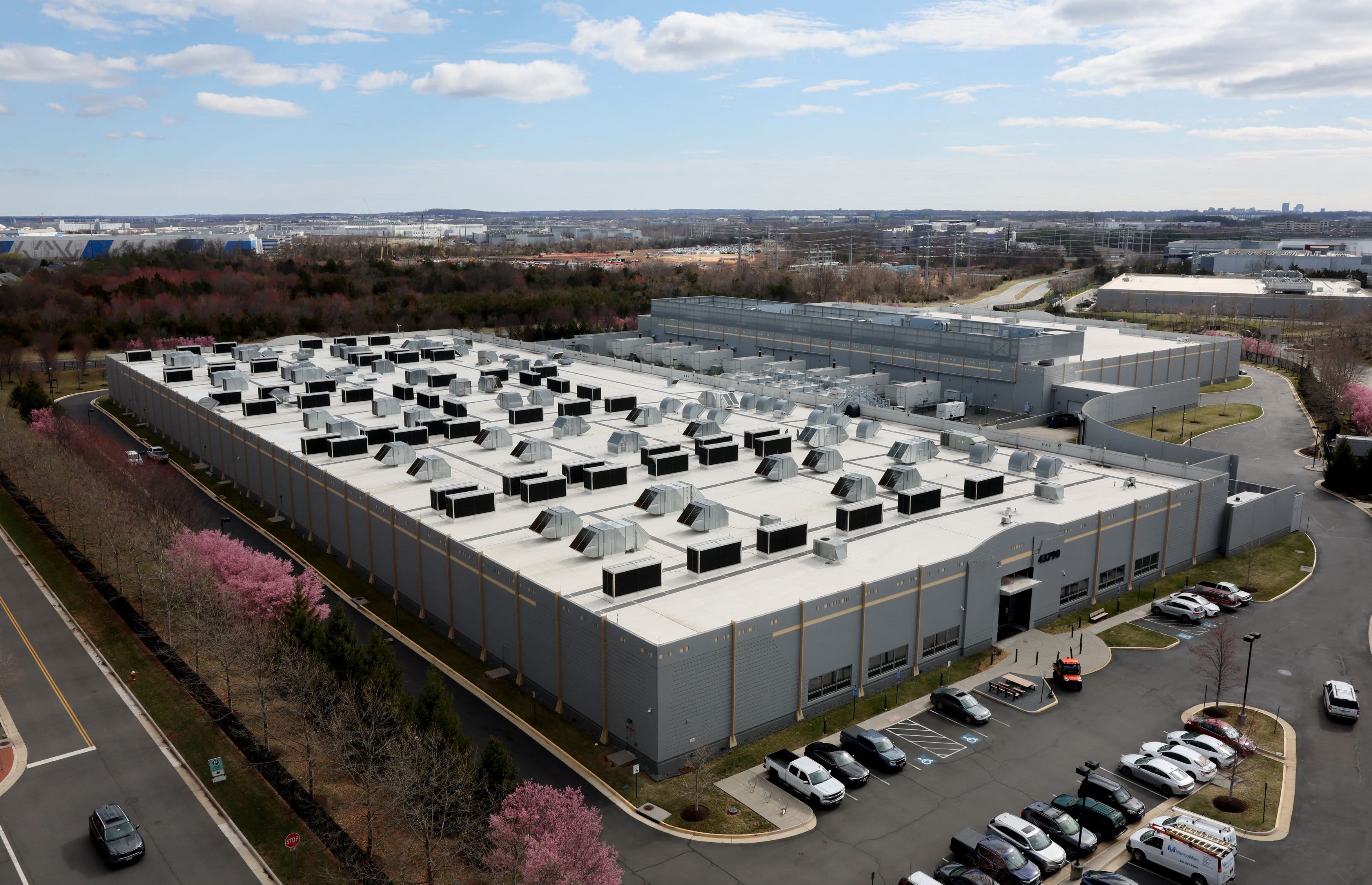
AI Slowdown Won't End Data Center Real Estate Growth, Experts Say
Despite recent concerns about AI development pace, data center real estate continues to see strong demand from cloud computing and digital transformation.
Trump's Unconventional AI Strategy: Relying on Presidential Intelligence Over Regulation
Former President Trump argues that a strong and smart president is the only control needed for AI, dismissing calls for stricter regulations as a trap for China.

Bank of America Q3 Outlook: Investment Banking Fees Fall Over 10%
Bank of America projects a double-digit decline in investment banking fees for Q3, signaling a cooling trend in the AI-fueled capital markets boom.

Main Street Millionaires: The Wealthy Class Hiding in Plain Sight
Discover the silent economic revolution driving wealth in America. Beyond billionaires, a vast network of Main Street millionaires controls the economy and shapes policy.
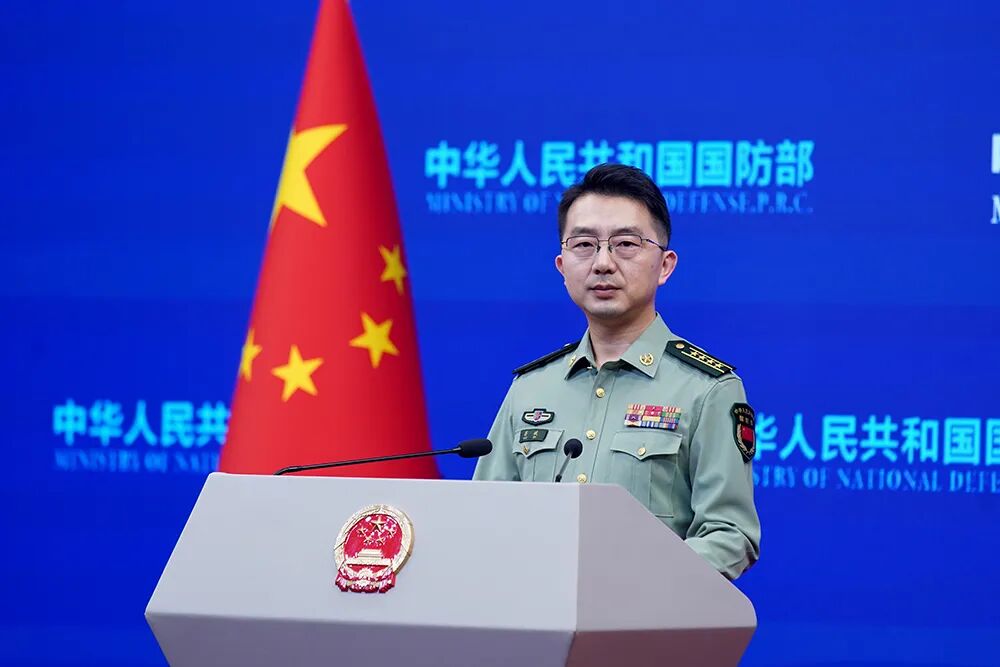
China Warns Japan Against 'New Militarism' Over Joint Drills
China condemns Japan's 'Eastern Shield 26' drills with the US and Australia, accusing Tokyo of advancing 'new militarism' and regional instability.
China-Laos Defense Talks: Dong Jun Meets Khamliang in Beijing
China's defense minister Dong Jun met Laos' deputy PM and defense minister Khamliang in Beijing, reaffirming the two militaries' 'comrade-plus-brother' ties and regional security role.

Iran and the West: Empire, Revolution, and the Roots of the 2026 War
From the Persian Empire to the 2026 US-Israel-Iran war, a global-history reading of how revolution, oil, and hegemony locked Iran and the West into conflict.
Latest Articles
- Sweden Election 2026: One Seat, Deep Anxiety
- China's Diplomatic Envoys Local Tours: What Beijing's New Outreach Means
- Indonesia Ferry Disaster: Why Java Sea Capsizing Keeps Repeating
- China Warns Citizens: Avoid Tajikistan-Afghanistan Border
- BRICS Summit 2026: Xi Jinping in India and the Global South Push
- Okinawa Governor Election: Pro-Base Candidate Wins, Shifting 12-Year Stance