Okinawa Governor Election: Pro-Base Candidate Wins, Shifting 12-Year Stance
Okinawa's governor election hands victory to a candidate backed by Japan's ruling bloc, signaling a pro-base shift after 12 years of opposition to the Henoko relocation plan.
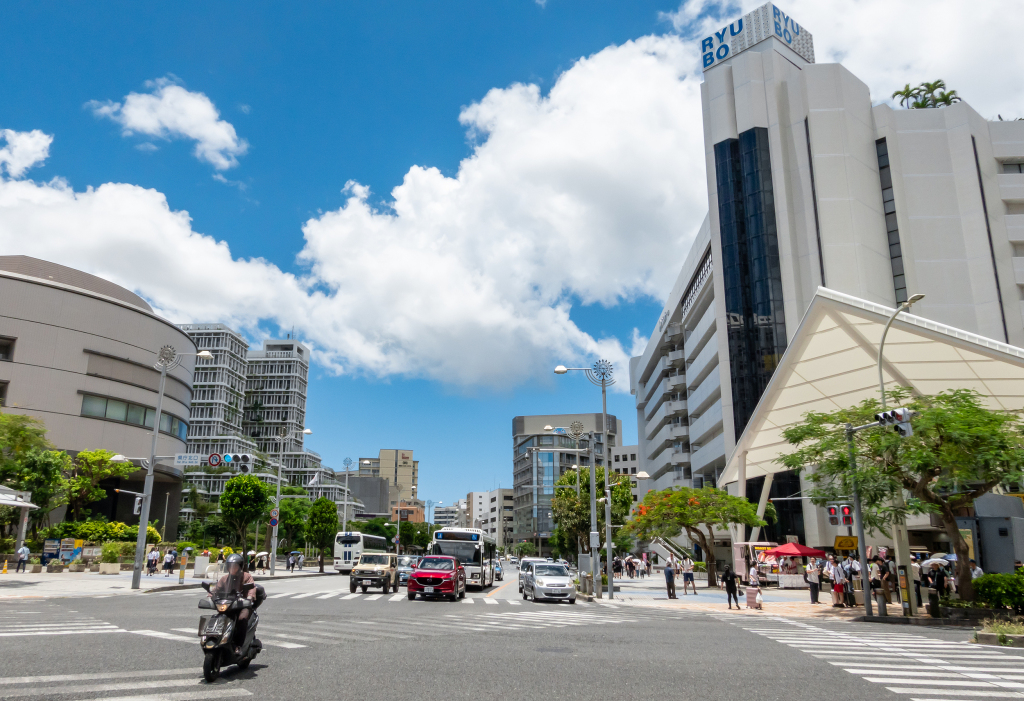
Okinawa's governor election on September 13 delivered a result that reshapes one of East Asia's most sensitive security debates. A candidate backed by Japan's conservative parties defeated the incumbent who had spent years resisting the relocation of a U.S. Marine Corps base. The outcome matters far beyond a single prefecture: it touches the U.S.-Japan alliance, the militarization of Japan's southwestern island chain, and the daily lives of Okinawans who have carried the burden of American bases for generations.
Key Facts
- The winner: Koga Genta, a former deputy mayor of Naha, Okinawa's capital, won the race with backing from the Liberal Democratic Party (LDP) and other conservative forces, including Nippon Ishin no Kai, the Democratic Party for the People, and Sanseito.
- The incumbent's defeat: Governor Tamaki Denny, who sought re-election, was supported by the Constitutional Democratic Party of Japan, the Japanese Communist Party, and the Social Democratic Party. Japanese media framed the contest as a classic "conservative versus reformist" showdown.
- A crowded but focused field: Six candidates ran, yet public attention concentrated almost entirely on Koga and Tamaki, reflecting how polarized the prefecture's politics have become around the base issue.
- The core dispute: The relocation of Marine Corps Air Station Futenma from densely populated Ginowan to the coastal area of Henoko in Nago has dominated Okinawan politics for nearly three decades.
- Tamaki's position: He opposed the Henoko plan, argued that Tokyo should not expand Self-Defense Forces deployments across the southwestern islands, and rejected joint Japan-U.S. military exercises.
- Koga's position: He supports the existing relocation plan and promises closer coordination with the central government in Tokyo.
- Historical roots: In 1996, Japan and the United States agreed to move the Futenma base to Henoko, a project requiring land reclamation and new runways. Many Okinawans have long demanded the base leave the prefecture entirely rather than simply move within it.
- A 12-year reversal: Takeshi Onaga, elected governor in 2014, firmly opposed the Henoko relocation, and Tamaki continued that stance. Koga's victory means the prefectural government will, for the first time in 12 years, align with Tokyo's plan.
Deep Analysis
The election result is less a sudden change of heart in Okinawa than a reflection of structural pressure. Okinawa hosts the majority of U.S. military facilities in Japan while occupying a tiny fraction of the country's landmass, and residents have endured aircraft noise, accidents, and crimes linked to the bases for decades. Yet local opposition has repeatedly collided with a national security framework that treats the island chain as indispensable. Koga's win suggests voters may be prioritizing pragmatic leverage with Tokyo over outright confrontation, betting that cooperation yields more compensation and economic support than resistance.
For Prime Minister's office and the LDP, the outcome removes a significant political obstacle. Tokyo can now proceed with the Henoko landfill and runway construction without a hostile prefectural government blocking permits and lawsuits. More broadly, the result fits a regional trend: Japan has been steadily strengthening defense infrastructure across the Nansei island chain, citing tensions over Taiwan and the East China Sea. Okinawa sits at the geographic center of that strategy, which means the prefecture will likely be asked to host more assets, not fewer.
Washington will read the result as a stabilizing signal for alliance management. The Futenma relocation has been a recurring irritant in U.S.-Japan relations, and a cooperative governor reduces the risk of prolonged delays. Still, the underlying grievance has not disappeared. Public anger over base burdens is deep and bipartisan in Okinawa, and a governor who appears too accommodating could face backlash in future elections. The tension between local consent and national strategy is a durable feature of Okinawan politics, not a problem that one election can resolve.
Looking ahead, watch three things: the pace of Henoko construction and any legal challenges, the scale of new Self-Defense Forces deployments in the southwestern islands, and whether Tokyo offers Okinawa meaningful economic concessions to soften the political cost. If the central government treats the election as a mandate for unchecked militarization, it may win the short term while deepening long-term resentment.
Frequently Asked Questions
Why is the Okinawa governor election so important internationally? Okinawa hosts the largest concentration of U.S. military bases in Japan, making its governor a pivotal figure in alliance politics. The officeholder can slow, block, or accelerate base-related projects through permits, lawsuits, and public opposition, so the outcome directly affects U.S. force posture in the region.
What is the Henoko relocation plan? It is a 1996 agreement between Japan and the United States to move Marine Corps Air Station Futenma from Ginowan to Henoko in Nago. The plan requires land reclamation and new runways, and many Okinawans oppose it because it keeps the base within the prefecture rather than removing it.
Does this result mean Okinawans now support the U.S. military presence? Not necessarily. The vote reflects a choice between two strategies for managing an unavoidable burden, not an embrace of the bases. Opposition to base-related noise, accidents, and crime remains widespread, and the new governor will face continued scrutiny.
Source: https://www.thepaper.cn/newsDetail_forward_34063859
Related posts
BRICS Summit 2026: Xi Jinping in India and the Global South Push
Xi Jinping's 24-hour New Delhi trip, the BRICS 'four pioneers' agenda, AI cooperation pledges, and a third China-hosted summit set for 2027.
Trump Backs Irish Unification: Why His Northern Ireland Remark Rattles London
Trump again says he supports a united Ireland, drawing sharp pushback from UK leaders. Here's what he said, why it matters, and what may come next.

Lingyuan, China's Lily Capital: How One County Built a $140M Flower Economy
Lingyuan, a county of 513,000 people in western Liaoning, supplies 3 of every 10 Chinese cut lilies. Inside the land, labor and risk math behind its 1 billion yuan flower economy.