China-UK Relations: Xi Jinping's Call with PM Burnham Signals New Chapter
Chinese President Xi Jinping and UK PM Burnham discuss cooperation, trade, and global governance in a pivotal call, signaling a reset in bilateral ties.
Source: thepaper.cn
In a significant diplomatic move, Chinese President Xi Jinping held a telephone conversation with the newly appointed British Prime Minister, Burnham, on the evening of September 8, 2026. The call, which came at the UK's request, marks an early high-level engagement between the two nations under the new British leadership. As global power dynamics shift and both countries face domestic economic challenges, this dialogue underscores a mutual desire to stabilize and deepen the Sino-British relationship, which has experienced fluctuations in recent years. The conversation covered a broad agenda, from trade and investment to climate change and multilateral cooperation, signaling a potential reset in bilateral ties.
Key Takeaways
-
Congratulatory Tone and Strategic Partnership: President Xi congratulated Prime Minister Burnham on his assumption of office, reaffirming that China and the UK are comprehensive strategic partners. Despite differences in social systems and national conditions, Xi emphasized that common interests outweigh disagreements, advocating for mutual respect and trust to expand the pie of mutually beneficial cooperation.
-
Economic Complementarity and Opening-Up: Xi highlighted that both governments prioritize economic development and livelihood improvement, suggesting that their strengths are complementary. He specifically mentioned that during China's "15th Five-Year Plan" period, Beijing will further open up its education, medical, and financial sectors, identifying these as potential areas for bilateral cooperation.
-
Science, Technology, and Cultural Exchanges: Both leaders acknowledged their countries' status as major scientific and technological powers, rich in educational, cultural, and sports resources. They agreed on the importance of maintaining a forward-looking approach to enhance exchanges and cooperation across various fields, including people-to-people ties.
-
Investment Protection: Xi expressed hope that the UK would fully safeguard the legitimate rights and interests of Chinese investors, a clear signal of concern over the business environment for Chinese firms in Britain.
-
Multilateralism and Global Governance: As permanent members of the UN Security Council and major world economies, both leaders pledged support for multilateralism, open trade, and the central role of the UN. They agreed to strengthen coordination within frameworks like the UN, G20, and WTO to promote an equal and orderly multipolar world and inclusive economic globalization.
-
Prime Minister Burnham's Reassurances: Burnham, who served as Mayor of Manchester for many years, recalled his long-standing friendly ties with China and the impact of Xi's 2015 state visit to Manchester. He affirmed the UK's commitment to policy continuity and the development of a long-term, stable strategic partnership with China, aiming to restore bilateral relations to their historical best.
-
Taiwan and Global Challenges: Burnham reiterated that the UK's stance on Taiwan remains unchanged. He also stressed the importance of dialogue to resolve international hot spots and jointly tackle global challenges like climate change, given the complex and volatile international landscape.
Disaster Assistance: In a humanitarian note, Burnham appreciated China's efficient response to the mudslide disaster in Gyirong, Tibet, and thanked China for assisting affected British citizens.
In-Depth Analysis
This phone call represents a strategic move by both Beijing and London to recalibrate their relationship amid a complex global environment. For China, engaging early with the new UK Prime Minister serves multiple purposes: it reinforces China's image as a responsible global power, seeks to stabilize economic ties with a key European partner, and counters narratives of isolation from Western nations. The emphasis on opening up education, medical, and financial sectors is a calculated signal to attract British investment and expertise, which aligns with China's long-term economic transformation goals.
For the UK, under Prime Minister Burnham—who has a background in local governance and a history of engagement with China—this call offers an opportunity to assert an independent foreign policy post-Brexit. By emphasizing continuity and a desire to restore ties to "historical best," Burnham appears to be charting a pragmatic course that balances economic interests with occasional disagreements. His mention of Taiwan and climate change indicates an awareness of sensitive issues, but his overall tone suggests a willingness to prioritize cooperation.
The timing is crucial: with the UK facing economic headwinds and seeking new trade partnerships, and China navigating a challenging external environment, both have incentives to de-escalate tensions. However, challenges remain, particularly regarding human rights, technology security, and geopolitical rivalries. The call's outcome may set the stage for future high-level visits, potentially including a Xi visit to London or a Burnham trip to Beijing, which could further solidify the relationship.
Looking ahead, the focus will be on tangible outcomes—whether the UK will adopt a more favorable stance on Chinese investments, and whether China will reciprocate by opening its markets. The reference to "15th Five-Year Plan" suggests that China is keen on integrating its domestic agenda with international cooperation. For global observers, this dialogue serves as a reminder that despite differences, major powers continue to seek avenues for constructive engagement.
Frequently Asked Questions
What is the significance of this phone call for China-UK relations? This call is a positive signal that both countries are willing to engage at the highest level, potentially resetting a relationship that has seen strains over issues like Hong Kong and trade. It provides a foundation for rebuilding trust and expanding cooperation in areas of mutual interest.
How might this affect Chinese investments in the UK? If the UK follows through on its commitment to protect Chinese investors, it could boost confidence for Chinese companies looking to operate in Britain. This could lead to increased investment in sectors like technology, infrastructure, and finance, benefiting both economies.
What are the main challenges to a full recovery of bilateral ties? Key challenges include differences over political systems, human rights concerns, and geopolitical tensions, particularly regarding Taiwan and technology security. Both sides will need to manage these differences carefully to avoid setbacks in the relationship.
Source: https://www.thepaper.cn/newsDetail_forward_34030921
Related posts
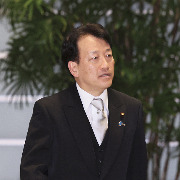
High-and-Mighty Cabinet: More Officials Visit Yasukuni Shrine Amid Rising Controversy
Environment Minister Miyamoto Hiroyuki joins a growing list of conservative politicians visiting Yasukuni Shrine, sparking diplomatic tensions and domestic debate.
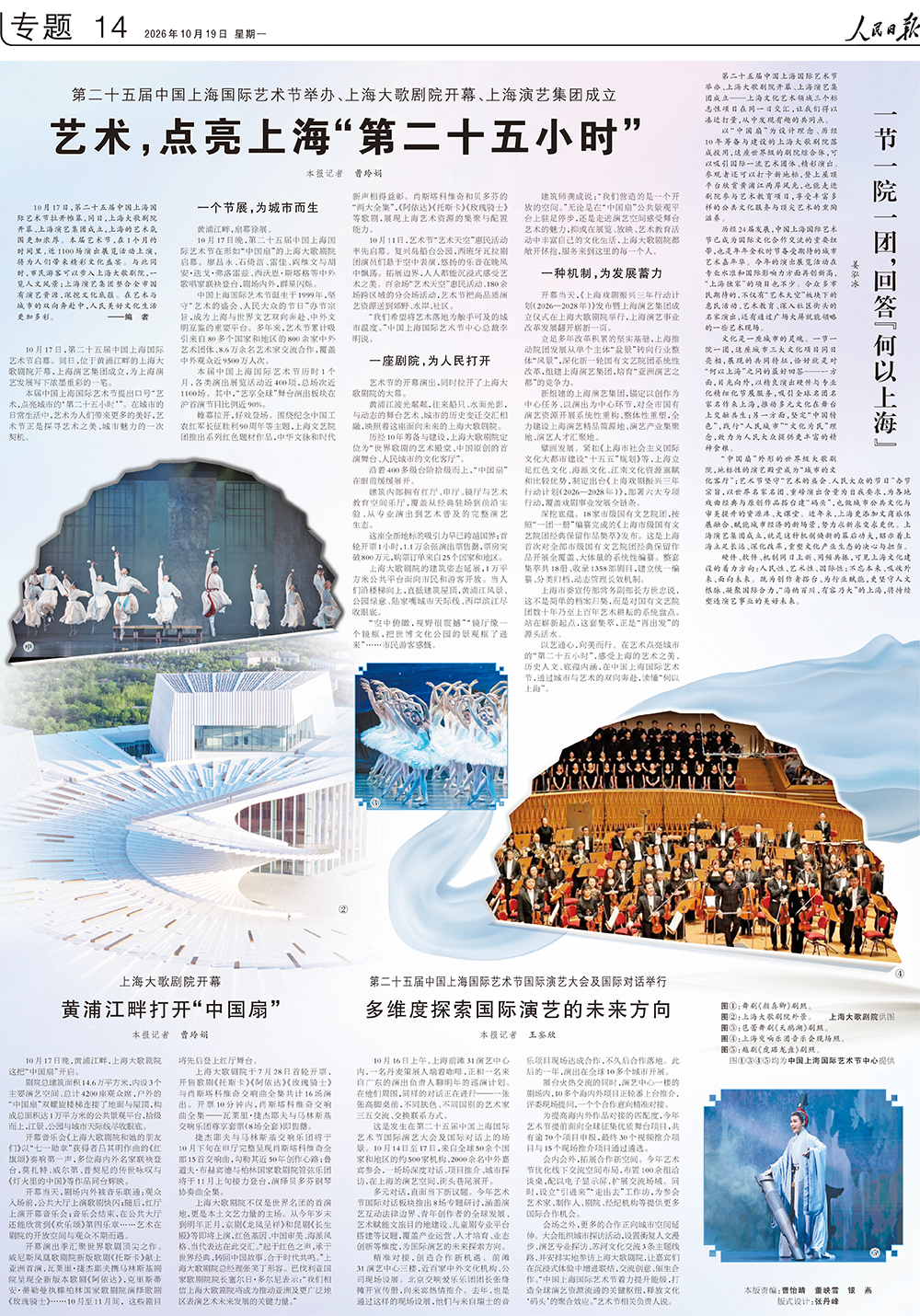
Shanghai's Cultural Renaissance: Festival, Theater, and Consortium Illuminate the City's Artistic Future
Exploring how Shanghai's 25th International Arts Festival, Grand Theater, and Performing Arts Consortium are transforming the city into a global cultural hub through innovative programming and accessible art experiences.
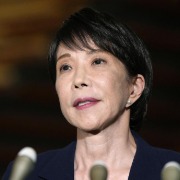
Japan's High-profile Yasukuni Shrine Visit: A Challenge to Post-War Order
Prime Minister Sanae Takaichi and over 70 lawmakers attend the autumn festival, provoking international condemnation.
Netflix cuts 1,000 jobs as streaming growth slows and competition intensifies
Netflix lays off 6% of its workforce amid stagnating viewership and the rise of competitors like Skydance and YouTube.

U.S. Loosens Fuel Economy Rules: Boost for V-8 Engines and Pickup Trucks
The U.S. lowers fuel economy targets to 34.9 mpg by 2031. Automakers see a financial tailwind, leading to a resurgence of V-8 engines and a shift away from compliance-focused EV investments.

Noah Adams: NPR Icon And Voice For Rural America
Explore the legacy of NPR's Noah Adams, a master storyteller who captured the soul of rural America and shaped public radio journalism for decades.

Social Security Benefits Boost, Russia-Ukraine War Updates, And Global Geopolitical Shifts
Explore the latest Social Security increase, the strategic implications of Russia's Starshield, and the Houthis' attack on Aramco in this comprehensive global analysis.

COP17: Critical Moment for Biodiversity Framework Implementation
As the Kunming-Montreal Global Biodiversity Framework faces implementation challenges, COP17 must deliver concrete solutions to address funding gaps, subsidy reforms, and global cooperation.
Latest Articles
- Iran's Deep Involvement in Yemen Conflict and Egypt's Potential Military Intervention
- Haze from Kalimantan Forest Fires Reaches Jakarta Sky
- France Protests 2026: Mass Demonstrations Over Living Costs and Education
- Trump Signs Executive Order to Waive Key Sanctions on Russia Amid Energy Crisis
- LDP Senior Official Visits Yasukuni Shrine Amid Rising Regional Tensions
- Merck CEO: Cancer Vaccine Production Timeline to Shorten