Nepal Landslide Death Toll Reaches 1,342, 4,898 Missing
Nepal's catastrophic landslides have killed 1,342 people and left 4,898 missing. Learn about the scale, government response, and long-term recovery challenges.
Source: thepaper.cn
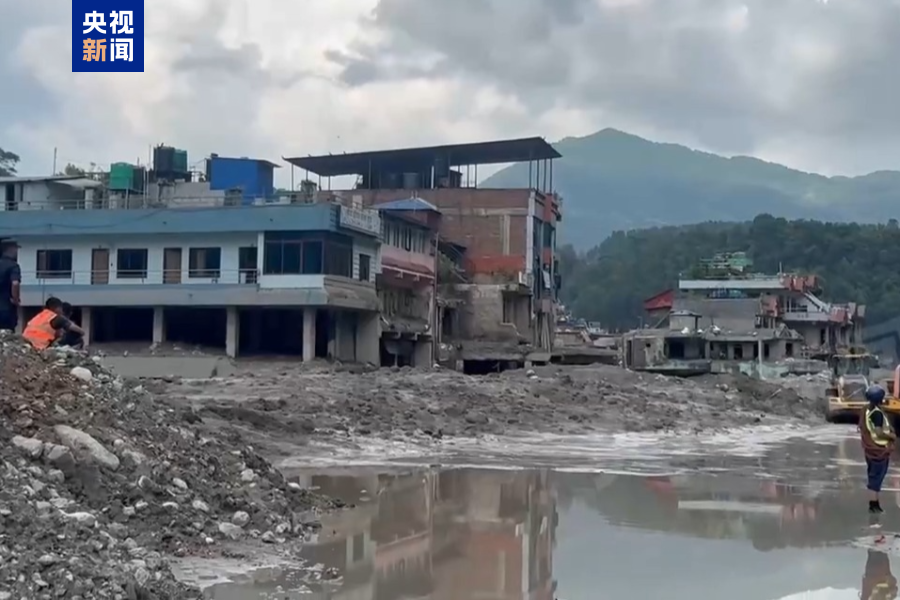
In a disaster that has stunned the Himalayan nation, Nepal is grappling with the aftermath of catastrophic landslides that have claimed at least 1,342 lives and left nearly 5,000 people unaccounted for. The sheer scale of the tragedy—unfolding since late August—has overwhelmed local authorities and prompted the government to declare crisis zones in the worst-hit areas. As rescue teams continue to search through debris and mud, the world watches a country already vulnerable to climate extremes face one of its deadliest natural disasters in recent history.
Key Facts
- Death toll and missing figures: As of September 5, 2026, at 5:00 AM local time, Nepal Police confirmed 1,342 fatalities and 4,898 missing persons. These numbers are expected to rise as remote villages remain inaccessible.
- Epicenter of the disaster: The massive landslide struck Rasuwa district in northern Nepal on August 26, triggering a series of cascading landslides and flash floods across the region.
- Government response: On August 26, the Nepali government designated several affected local administrative units as "disaster crisis areas" for a three-month period. This legal measure aims to centralize rescue resources, strengthen personnel control, and accelerate post-disaster reconstruction.
- Rescue challenges: The mountainous terrain, damaged roads, and ongoing monsoon rains have severely hampered rescue operations. Helicopters are the primary means of reaching cut-off communities.
- Humanitarian needs: Thousands of survivors are in urgent need of shelter, clean water, food, and medical care. Temporary camps have been established, but resources are stretched thin.
- Climate context: Nepal's fragile geology and intense monsoon rains make it highly susceptible to landslides. This year's rainfall has been unusually heavy, likely exacerbated by climate change.
- International aid: Several countries and UN agencies have offered assistance, but coordination remains a challenge due to the scale of the disaster.
In-Depth Analysis
This disaster underscores a grim reality: Nepal sits on the front lines of climate-induced hazards. The Himalayan region is warming faster than the global average, leading to more intense and erratic monsoon rains. Landslides, once localized events, are now becoming widespread catastrophes that can wipe out entire villages in minutes. The government's decision to declare crisis zones is a pragmatic move, but it also exposes the limitations of a country with limited resources and infrastructure. The three-month window may not be enough to address the long-term needs of displaced families, especially in areas where rebuilding will require massive investment and geological risk assessment. Moreover, the psychological toll on survivors—many of whom have lost everything—will require sustained mental health support, a service that is often scarce in rural Nepal. Looking ahead, Nepal must invest in early warning systems, landslide-resistant infrastructure, and community-based disaster preparedness. International cooperation is vital, not just for immediate relief, but for long-term resilience. The world's attention may fade, but the scars of this disaster will remain for generations.
Frequently Asked Questions
What caused the landslides in Nepal? The landslides were triggered by intense monsoon rainfall that saturated the soil on steep slopes. The region's geology, combined with deforestation and unplanned construction, increased vulnerability. Climate change is making such extreme rainfall events more frequent.
How is the Nepali government responding to the crisis? The government has declared disaster crisis zones in affected areas, enabling centralized rescue and relief operations. They are coordinating with the military and international agencies to conduct search and rescue, provide aid, and plan for reconstruction. However, the scale of the disaster has stretched their capacities.
What can individuals do to help? Individuals can donate to reputable humanitarian organizations working on the ground in Nepal, such as the Nepal Red Cross Society or UN agencies. Raising awareness on social media and supporting long-term recovery projects are also meaningful ways to contribute.
Source: https://www.thepaper.cn/newsDetail_forward_34013941
Related posts
Japanese Politicians' Yasukuni Shrine Visits Spark International Concern
Recent visits by Japanese officials to the controversial war shrine raise alarms about historical revisionism and militarization in the region.

JPMorgan Chase's $5 Billion Defense Strategy: Robot Factories & Hypersonic Missiles
JPMorgan invests $5B in defense startups like Hadrian and Castelion to secure US supply chains against geopolitical threats.

Netflix cuts 1,000 jobs as streaming growth slows and competition intensifies
Netflix lays off 6% of its workforce amid stagnating viewership and the rise of competitors like Skydance and YouTube.

Shanghai's Cultural Renaissance: Festival, Theater, and Consortium Illuminate the City's Artistic Future
Exploring how Shanghai's 25th International Arts Festival, Grand Theater, and Performing Arts Consortium are transforming the city into a global cultural hub through innovative programming and accessible art experiences.

High-and-Mighty Cabinet: More Officials Visit Yasukuni Shrine Amid Rising Controversy
Environment Minister Miyamoto Hiroyuki joins a growing list of conservative politicians visiting Yasukuni Shrine, sparking diplomatic tensions and domestic debate.

Oil Exports Plummet as Iran Increases Attacks in Strait of Hormuz
Three oil tankers hit by mines in one week, causing a sharp drop in global crude exports. Read the analysis of the escalating crisis.

Food Bank Lines Surge Ahead of Midterms: US Families Face Inflation and Welfare Cuts
As inflation and federal budget cuts tighten their grip, long lines are forming at US food banks. This is the reality facing American families ahead of the 2026 midterm elections.

Japan's High-profile Yasukuni Shrine Visit: A Challenge to Post-War Order
Prime Minister Sanae Takaichi and over 70 lawmakers attend the autumn festival, provoking international condemnation.
Latest Articles
- U.S. Loosens Fuel Economy Rules: Boost for V-8 Engines and Pickup Trucks
- Noah Adams: NPR Icon And Voice For Rural America
- Social Security Benefits Boost, Russia-Ukraine War Updates, And Global Geopolitical Shifts
- COP17: Critical Moment for Biodiversity Framework Implementation
- Iran's Deep Involvement in Yemen Conflict and Egypt's Potential Military Intervention
- Haze from Kalimantan Forest Fires Reaches Jakarta Sky