Ukraine Declares Russian Airspace Unsafe: New Risks for Civil Aviation
Ukraine's formal warning to ICAO about Russian airspace safety could reshape global flight routes. Explore the impact on airlines, passengers, and geopolitical tensions.
Source: thepaper.cn
As the Russia-Ukraine conflict enters a new phase of deep strikes and drone warfare, the safety of civilian aircraft flying over or near Russian territory has come under renewed scrutiny. Ukraine's recent formal notification to the International Civil Aviation Organization (ICAO) that Russian airspace is unsafe for civil aviation marks a significant escalation with potential ripple effects across global travel and trade. This development comes amid heightened rhetoric from both sides, raising questions about the future of air travel in the region and beyond.
Key Points
-
Ukraine's Formal Warning: Ukrainian Foreign Minister Andrii Sybiha officially informed ICAO that Russian airspace is unsafe due to intensified military activities. This follows President Zelensky's statement that Russian airspace would effectively be closed, signaling a coordinated diplomatic and strategic push.
-
Russia's Response: President Putin labeled such threats as "state terrorism" and refused to negotiate with "terrorists." Russian Transport Minister Andrei Nikitin assured that civil aviation operations would not be significantly disrupted, with agencies coordinating to counter potential threats.
-
Escalating Drone Campaign: Ukraine has increasingly relied on long-range drones to strike deep into Russian territory, including energy and logistics infrastructure. Zelensky set a target of 1,000 drones per day for remote strikes, with the range of Ukrainian drones expanding from 630 km in 2022 to 1,750 km this year, reaching as far as Omsk.
-
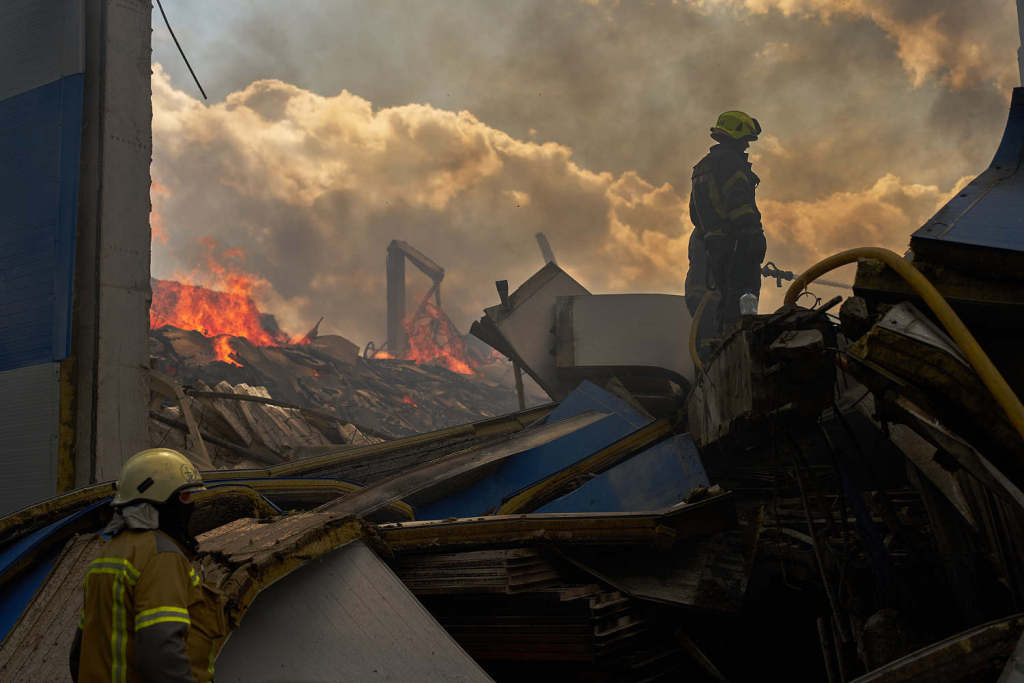
Impact on Russian Airports: Frequent drone alerts have forced Russian airports to impose temporary restrictions, causing numerous flight cancellations and delays. For instance, on September 2, Moscow's Sheremetyevo Airport saw 21 cancellations and 235 delays, while Vnukovo had 22 cancellations and 94 delays.
-
Global Rerouting: Many Western airlines already avoid Russian airspace, but carriers from Turkey, UAE, Qatar, and China continue to use it. If further restrictions are imposed, alternative routes via the Caucasus, Central Asia, and the Middle East could become even more congested, leading to longer flight times and higher ticket prices.
-
Historical Precedents: The downing of Malaysia Airlines Flight MH17 in 2014, for which ICAO held Russia responsible, and the 2024 Azerbaijan Airlines crash, allegedly caused by Russian air defense fragments, underscore the real dangers of flying over conflict zones.
In-Depth Analysis
The situation presents a complex geopolitical puzzle. Ukraine's move to formally declare Russian airspace unsafe is not merely a practical warning but a strategic tool to isolate Russia further and pressure international carriers to cease operations. By leveraging ICAO's platform, Ukraine aims to legitimize its stance and potentially influence global aviation safety standards. However, the effectiveness of such declarations is limited, as ICAO cannot enforce rules on sovereign states, and Russia continues to assert control over its airspace.
From an operational standpoint, the increasing frequency of drone attacks near major Russian cities poses genuine risks to civil aviation, not from direct strikes but from the potential for misidentification or collateral damage. Air defense systems, designed to intercept drones, could inadvertently target passenger aircraft, as seen in the Azerbaijan Airlines incident. This risk is exacerbated by the sheer volume of drone activity, with Russia's defense ministry reporting over 500 drones launched daily, sometimes exceeding 1,000.
The economic implications are significant. Already, rerouting around conflict zones has increased flight times and costs. A complete closure of Russian airspace would force even more carriers to take longer routes, potentially disrupting global supply chains and tourism. For airlines like those from China, which still operate over Russia, the dilemma is acute: maintaining profitable routes versus ensuring passenger safety and complying with international norms.
Looking ahead, the trajectory of this conflict will likely determine the outcome. If Ukraine sustains its drone campaign and Russia responds with heightened air defense measures, the risk to civil aviation will persist. Conversely, any peace talks, as hinted by US envoy visits, could de-escalate tensions. However, given the entrenched positions, a swift resolution seems unlikely, and the aviation industry must prepare for prolonged uncertainty.
Frequently Asked Questions
Q: Is it safe to fly over Russia right now? A: While Russian authorities maintain that civil aviation is safe, the increasing drone activity and air defense operations pose a potential risk. Most Western airlines already avoid Russian airspace, but some carriers continue to operate. Passengers should check with their airlines for the latest route information.
Q: How could this affect flight prices and durations? A: If more airlines avoid Russian airspace, they will need to take longer alternative routes, leading to increased fuel costs and flight times. This could result in higher ticket prices for long-haul flights, particularly between Europe and Asia.
Q: What role does ICAO play in this situation? A: ICAO can issue warnings and recommendations but cannot force countries to close their airspace. Its statements influence national aviation authorities and airlines, but the final decision rests with individual states and carriers.
Source: https://www.thepaper.cn/newsDetail_forward_34010460
Related posts

U.S. Loosens Fuel Economy Rules: Boost for V-8 Engines and Pickup Trucks
The U.S. lowers fuel economy targets to 34.9 mpg by 2031. Automakers see a financial tailwind, leading to a resurgence of V-8 engines and a shift away from compliance-focused EV investments.

Noah Adams: NPR Icon And Voice For Rural America
Explore the legacy of NPR's Noah Adams, a master storyteller who captured the soul of rural America and shaped public radio journalism for decades.

Social Security Benefits Boost, Russia-Ukraine War Updates, And Global Geopolitical Shifts
Explore the latest Social Security increase, the strategic implications of Russia's Starshield, and the Houthis' attack on Aramco in this comprehensive global analysis.

COP17: Critical Moment for Biodiversity Framework Implementation
As the Kunming-Montreal Global Biodiversity Framework faces implementation challenges, COP17 must deliver concrete solutions to address funding gaps, subsidy reforms, and global cooperation.
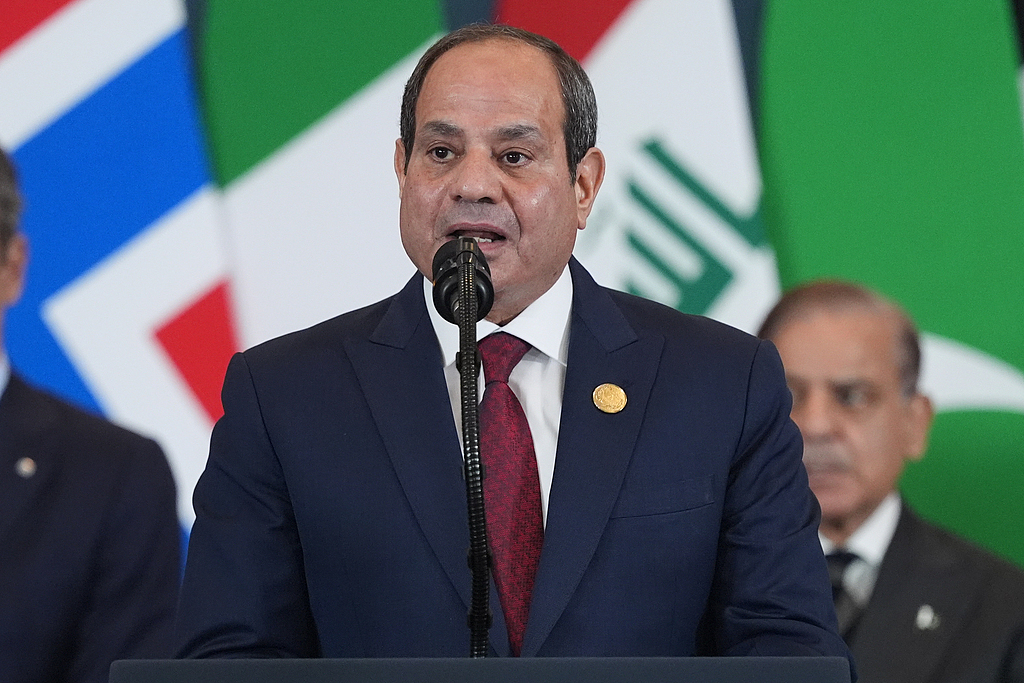
Iran's Deep Involvement in Yemen Conflict and Egypt's Potential Military Intervention
Saudi Arabia faces critical shortages in air defense due to Houthi attacks, prompting urgent requests for help. Reports reveal Iran's intelligence support for Houthi strikes, while Egypt prepares to defend Saudi sovereignty.
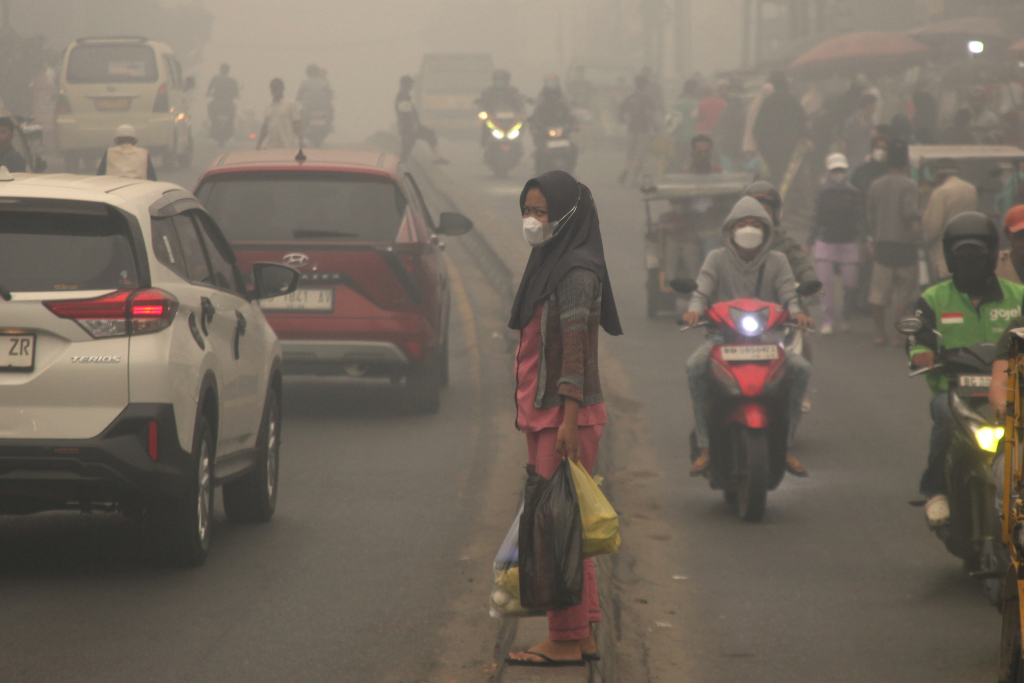
Haze from Kalimantan Forest Fires Reaches Jakarta Sky
Smoke from massive forest fires in Kalimantan, Indonesia, has drifted over the capital, Jakarta, creating hazardous air quality conditions and affecting neighboring Singapore and Malaysia.

France Protests 2026: Mass Demonstrations Over Living Costs and Education
Hundreds arrested in France as millions march against fuel prices, education cuts, and public service reforms. Explore the latest updates.

Trump Signs Executive Order to Waive Key Sanctions on Russia Amid Energy Crisis
Trump administration exempts major parts of the Graham Bill, including 500% tariffs on Russian imports, to stabilize domestic fuel markets.
Latest Articles
- LDP Senior Official Visits Yasukuni Shrine Amid Rising Regional Tensions
- Merck CEO: Cancer Vaccine Production Timeline to Shorten
- Porsche Unveils Mission S Concept: New Flagship Design Direction
- AI Startup Bankruptcies: The Reverse Acquihire Trend Explained
- IMF Secretary-General Warns: Strait of Hormuz Risks Remain High Amid Rising Attacks
- Trump's AI to SI Rename: Political Theater or Tech Revolution?