Pig Kidney Transplant Sets 285-Day Record: A Bridge for Organ Waitlists
A genetically modified pig kidney has functioned for 285 days in a patient, setting a new record. Could xenotransplantation become a bridge therapy for end-stage renal disease?
Source: thepaper.cn
In a groundbreaking development for organ transplantation, a genetically engineered pig kidney has been functioning inside a human patient for 285 days without the need for dialysis, setting a new world record. This milestone, reported as of September 3, 2026, offers a glimmer of hope for the hundreds of thousands of people awaiting human kidney transplants. The procedure, part of an experimental program in the United States, suggests that pig kidneys could serve as a temporary "bridge" to keep patients alive and healthier while they wait for a suitable human organ. With kidney shortages reaching crisis levels globally, this achievement marks a significant step forward in the field of xenotransplantation—the use of animal organs in humans.
Key Developments
- Record-Breaking Survival: A female patient has lived with a transgenic pig kidney for 285 days, surpassing the previous record of 271 days set by Tim Andrews, who later received a human kidney transplant. This demonstrates the potential for pig kidneys to sustain life over extended periods.
- Bridge to Human Transplant: Tim Andrews, a patient with end-stage kidney disease from type 2 diabetes, received a pig kidney in January 2025 after being told he had only a 9% chance of getting a human kidney within five years. The pig kidney kept him alive for over eight months, allowing him to eventually receive a human kidney transplant in January 2026.
- Genetic Engineering Breakthroughs: To make pig organs compatible with humans, researchers at Mass General Brigham (MGB) performed 69 genetic edits on a Yucatan miniature pig. These edits removed pig cell markers that trigger human immune rejection, added human DNA to 'hide' the organ, and inactivated porcine viruses to prevent infection.
- Positive Follow-Up: After Tim Andrews received his human kidney, six-month follow-ups showed excellent graft function and no new antibodies against human tissue, indicating that the prior pig kidney did not sensitize his immune system. No porcine viruses or pathogens were detected.
- Expanding Clinical Trials: Biotech company eGenesis, which produced the pig kidneys, has received FDA approval for a formal clinical trial involving up to 33 patients aged 50-70 who are on the kidney transplant waitlist. The trial is expected to begin in 2027.
- Global Kidney Shortage: In the U.S., about 100,000 people are on the kidney transplant waitlist, but only about 25,000 transplants occur annually. The U.K. has over 7,000 people waiting. This gap drives the urgent need for alternative sources.
- Challenges Remain: Despite the progress, pig kidney transplants are still experimental. One patient died from a heart attack shortly after surgery, and another had the kidney removed due to blood clots. Researchers acknowledge that these successes rely on rigorous patient selection and intensive care, which may not be replicable on a larger scale.
In-Depth Analysis
The 285-day survival of a pig kidney in a human is more than a scientific curiosity; it represents a paradigm shift in how we approach organ failure. The current system of waiting for deceased or living donors is fundamentally inadequate—patients often die or become too sick for transplantation while on dialysis, which itself is a debilitating treatment that erodes quality of life. Xenotransplantation, if proven safe and effective, could disrupt this paradigm by offering an on-demand supply of organs, potentially eliminating waitlists altogether.
However, this is not without hurdles. The immune system's hyperacute rejection is just the first barrier; chronic rejection and the risk of porcine endogenous retroviruses (PERVs) remain long-term concerns. The genetic engineering by eGenesis, which includes 69 edits, is a sophisticated attempt to address these issues, but long-term data is scarce. The fact that Tim Andrews successfully transitioned to a human kidney after having a pig kidney is encouraging, as it suggests that the pig organ did not create antibodies that would attack a subsequent human graft. This is a critical finding for the 'bridge' concept.
From a market perspective, the potential is enormous. If eGenesis's upcoming trial succeeds, we could see pig kidneys become a standard bridging therapy within a decade, and possibly a permanent solution within 15 years, as Dr. Leonardo Riella of MGB suggests. This would not only save lives but also reduce healthcare costs associated with long-term dialysis. Yet, ethical and regulatory frameworks must evolve to address animal welfare, patient consent, and equitable access. The path forward is promising, but it requires careful navigation.
Frequently Asked Questions
Is a pig kidney transplant a permanent solution? Currently, no. The goal is to use pig kidneys as a temporary bridge to keep patients alive until a human kidney becomes available. However, researchers hope that with further advancements, pig kidneys could eventually serve as a long-term alternative, lasting as long as human donor kidneys.
What are the risks of receiving a pig kidney? The primary risks include immune rejection, blood clots, and potential transmission of porcine viruses. The genetic modifications aim to reduce these risks, but they are not eliminated. Patients in the trials are closely monitored, and the procedures are performed under strict protocols.
Who is eligible for a pig kidney transplant? Currently, only patients with end-stage kidney disease who are on the human transplant waitlist and have poor prospects of receiving a human kidney are considered. The upcoming trial will recruit patients aged 50-70 who meet specific health criteria. Broader eligibility will depend on future research outcomes.
Source: https://www.thepaper.cn/newsDetail_forward_34008157
Related posts
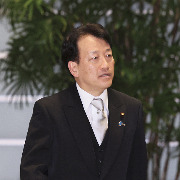
High-and-Mighty Cabinet: More Officials Visit Yasukuni Shrine Amid Rising Controversy
Environment Minister Miyamoto Hiroyuki joins a growing list of conservative politicians visiting Yasukuni Shrine, sparking diplomatic tensions and domestic debate.
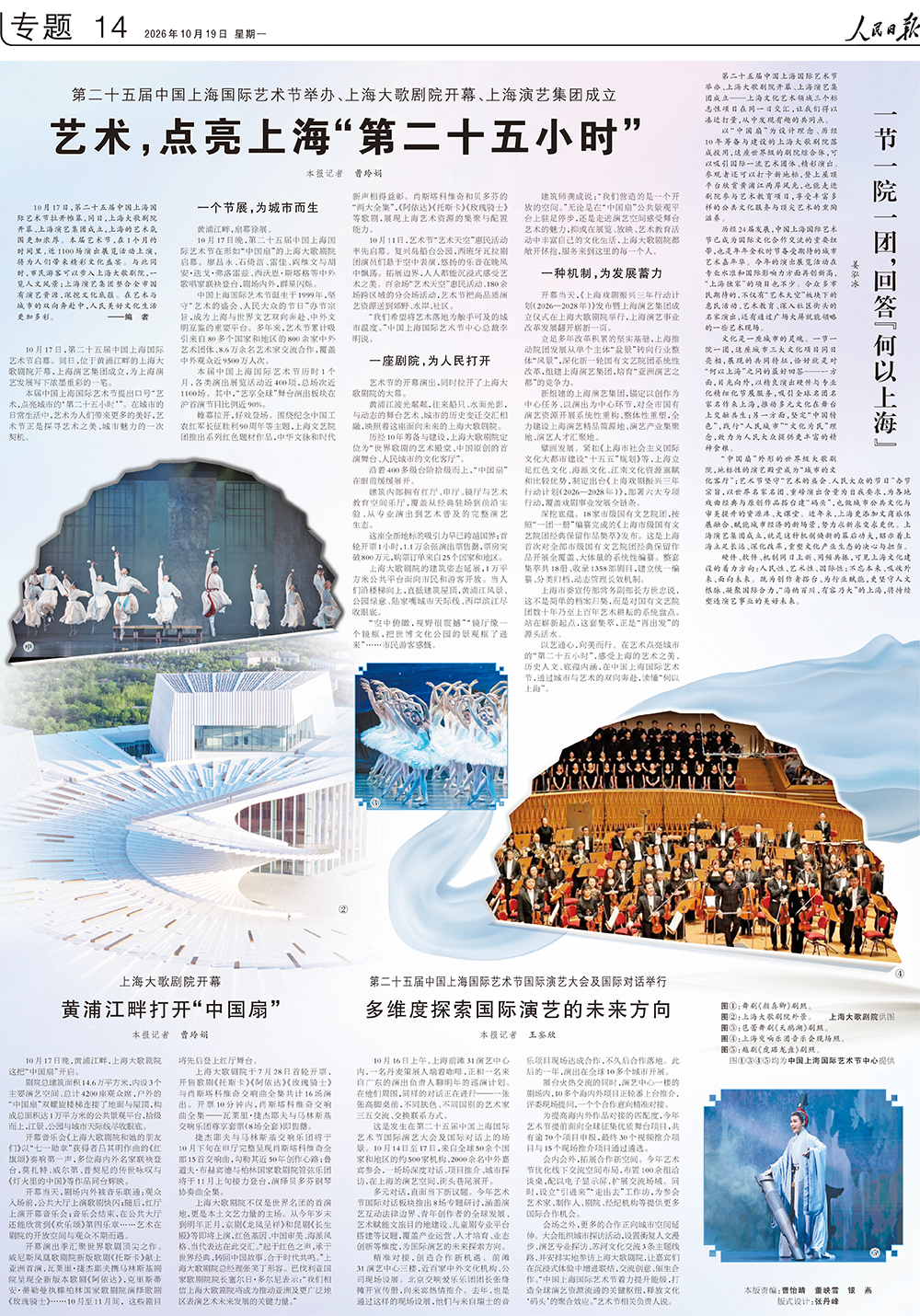
Shanghai's Cultural Renaissance: Festival, Theater, and Consortium Illuminate the City's Artistic Future
Exploring how Shanghai's 25th International Arts Festival, Grand Theater, and Performing Arts Consortium are transforming the city into a global cultural hub through innovative programming and accessible art experiences.

Japan's High-profile Yasukuni Shrine Visit: A Challenge to Post-War Order
Prime Minister Sanae Takaichi and over 70 lawmakers attend the autumn festival, provoking international condemnation.

Netflix cuts 1,000 jobs as streaming growth slows and competition intensifies
Netflix lays off 6% of its workforce amid stagnating viewership and the rise of competitors like Skydance and YouTube.

U.S. Loosens Fuel Economy Rules: Boost for V-8 Engines and Pickup Trucks
The U.S. lowers fuel economy targets to 34.9 mpg by 2031. Automakers see a financial tailwind, leading to a resurgence of V-8 engines and a shift away from compliance-focused EV investments.

Noah Adams: NPR Icon And Voice For Rural America
Explore the legacy of NPR's Noah Adams, a master storyteller who captured the soul of rural America and shaped public radio journalism for decades.

Social Security Benefits Boost, Russia-Ukraine War Updates, And Global Geopolitical Shifts
Explore the latest Social Security increase, the strategic implications of Russia's Starshield, and the Houthis' attack on Aramco in this comprehensive global analysis.

COP17: Critical Moment for Biodiversity Framework Implementation
As the Kunming-Montreal Global Biodiversity Framework faces implementation challenges, COP17 must deliver concrete solutions to address funding gaps, subsidy reforms, and global cooperation.
Latest Articles
- Iran's Deep Involvement in Yemen Conflict and Egypt's Potential Military Intervention
- Haze from Kalimantan Forest Fires Reaches Jakarta Sky
- France Protests 2026: Mass Demonstrations Over Living Costs and Education
- Trump Signs Executive Order to Waive Key Sanctions on Russia Amid Energy Crisis
- LDP Senior Official Visits Yasukuni Shrine Amid Rising Regional Tensions
- Merck CEO: Cancer Vaccine Production Timeline to Shorten