How Villagers Viewed the Eighth Route Army: Trust Amid Chaos
Explore how ordinary Chinese villagers perceived the Eighth Route Army during WWII, from rumors to trust, based on wartime diaries.
Source: thepaper.cn
During the brutal years of the War of Resistance against Japan, the daily lives of ordinary people are often overshadowed by grand narratives. Yet, it was in these quiet, mundane moments—recorded in private diaries, letters, and memories—that the true fabric of history was woven. This article delves into how villagers in Japanese-occupied areas of Shanxi perceived the Eighth Route Army, tracing their journey from suspicion and rumor to cautious trust and hope. Based on the wartime diaries of two local intellectuals, this story reveals the complex realities behind the popular image of this legendary force.
Key Insights
-
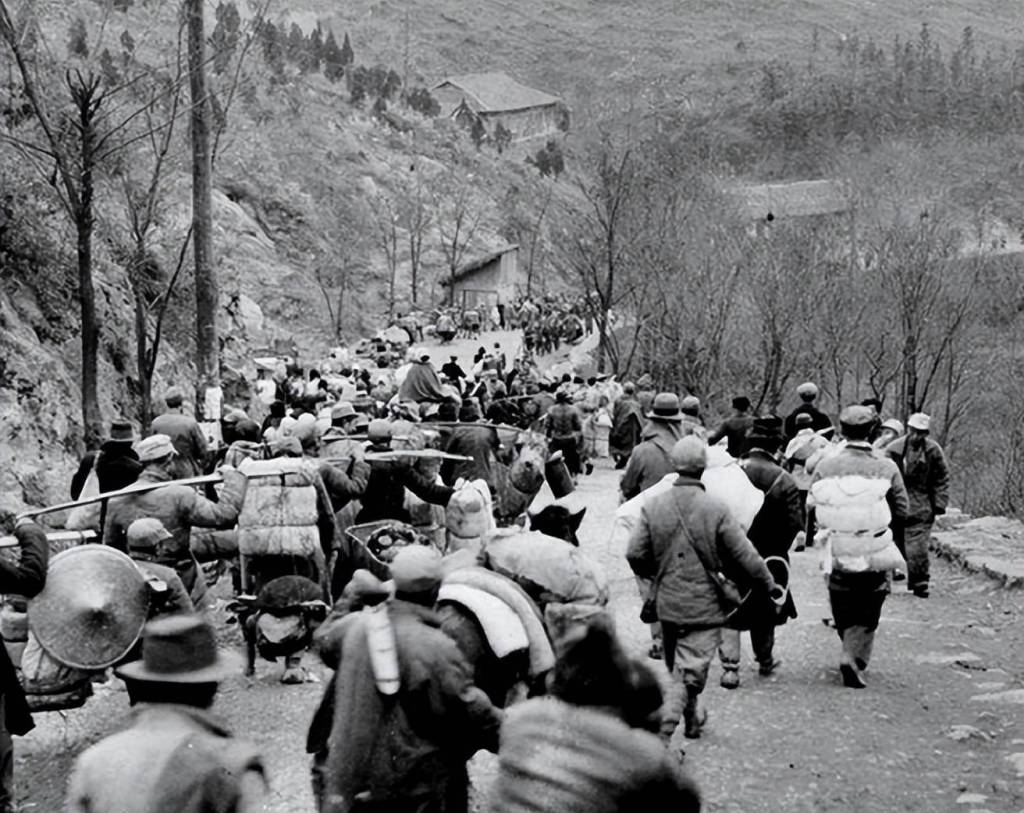
Initial Impressions Shaped by Word of Mouth: In late 1937, when the Eighth Route Army first crossed the Yellow River into Shanxi, most villagers had never seen them. Information spread through travelers and refugees, creating a mix of hope and fear. For instance, on October 23, 1937, Sun Shoushan, a rural intellectual in Yangqu County, noted in his diary that the army was known for guerrilla tactics, but he had no direct contact.
-
Fear of Retaliation and Uncertainty: As the Japanese advanced, villagers faced a dilemma: they hoped for resistance but dreaded bringing war to their doorsteps. When rumors surfaced that the Eighth Route Army might attack Taiyuan, villagers panicked, fearing their homes would become battlefields. This ambivalence was typical in the early occupation period.
-
First Direct Encounter: A Positive Surprise: In December 1937, soldiers from the 228th Regiment briefly stayed in Sun's village. They arrived quietly, caused no disturbance, and left before dawn. This disciplined behavior earned praise and contrasted sharply with the predatory actions of other armed groups, setting a positive precedent.
-
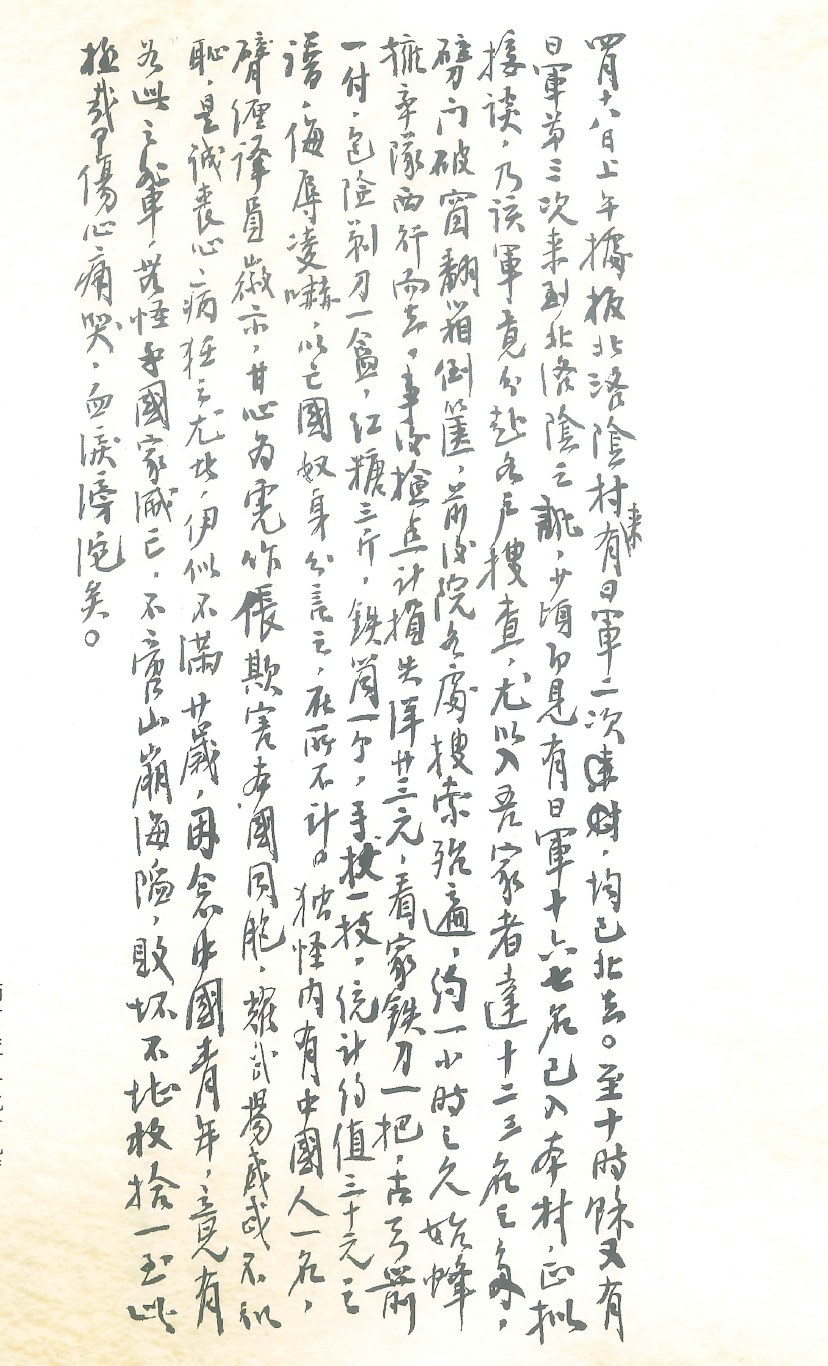
Impostors and False Flags: Not all who claimed to be Eighth Route Army were genuine. Bandits and deserters often used the army's name to extort and terrorize villagers. Sun recorded multiple incidents where armed men, calling themselves Eighth Route Army, demanded money or weapons, sometimes even kidnapping villagers. This created confusion and eroded trust, as villagers struggled to distinguish friend from foe.
-
Gradual Distinction Through Experience: Over time, villagers learned to differentiate between genuine Eighth Route Army units and impostors. Real units focused on fighting the Japanese and maintaining discipline, while impostors avoided combat and preyed on locals. This distinction was reinforced by the army's efforts to suppress banditry and reorganize local militias.
-
Building Trust Through Governance: In the late 1930s, as base areas were established, the Eighth Route Army began implementing administrative reforms, promoting democratic governance, and addressing local grievances. Sun noted that officials like Jin Shiren and Tian Yu were capable and respectful, which increased his admiration and hope.
Enduring Hardships and Sacrifices: The war brought constant dangers. After a skirmish where local militia killed three Japanese soldiers, the village narrowly escaped retaliation thanks to a woman's sacrifice. Such events highlighted the high costs of resistance but also reinforced the villagers' appreciation for those who fought.
A Nuanced View by 1945: By the end of the war, Sun, despite his loyalty to the Nationalist government, acknowledged the Eighth Route Army's effectiveness in harassing the Japanese and maintaining order. He even helped with anti-Japanese activities, showing a pragmatic acceptance of their role.
In-Depth Analysis
The diaries of Sun Shoushan and Hao Xingjiu offer a rare grassroots perspective on how the Eighth Route Army built legitimacy in occupied areas. Unlike official propaganda, these records show a gradual, experience-based shift in perception. Initially, villagers were skeptical, influenced by rumors and the actions of impostors. However, the army's consistent discipline, effective anti-Japanese operations, and efforts to protect civilians slowly won trust. This was not a linear process; setbacks like extortion by irregular units caused doubt. Yet, the army's ability to self-correct—such as reorganizing local forces and punishing wrongdoers—was crucial. The broader context is that in a chaotic environment where bandits and deserters preyed on villagers, any force that provided security and order was valued. The Eighth Route Army's success lay not just in military prowess but in its governance and community engagement. This case reflects a universal principle: trust is built through actions, not slogans. Looking ahead, this historical insight remains relevant for understanding how armed groups can gain civilian support in conflict zones, emphasizing the importance of discipline and accountability.
Frequently Asked Questions
How did villagers distinguish between real and fake Eighth Route Army units? Villagers relied on observed behavior: real units avoided harming civilians, paid for supplies, and fought the Japanese, while impostors often came at night, demanded money, and fled from combat. Over time, as the army established local governance and cracked down on bandits, the distinction became clearer.
Why did some armed groups pretend to be the Eighth Route Army? Because the Eighth Route Army had a reputation for discipline and anti-Japanese resistance, criminals used its name to gain easy access to villages and extort resources, exploiting the villagers' hope for protection.
What impact did these experiences have on villagers' support for the Eighth Route Army? While initial encounters were mixed, the army's consistent discipline and efforts to maintain order gradually won genuine support. By the war's end, even skeptical villagers like Sun acknowledged their crucial role in both resisting the Japanese and stabilizing rural life.
Source: https://www.thepaper.cn/newsDetail_forward_33978428
Related posts
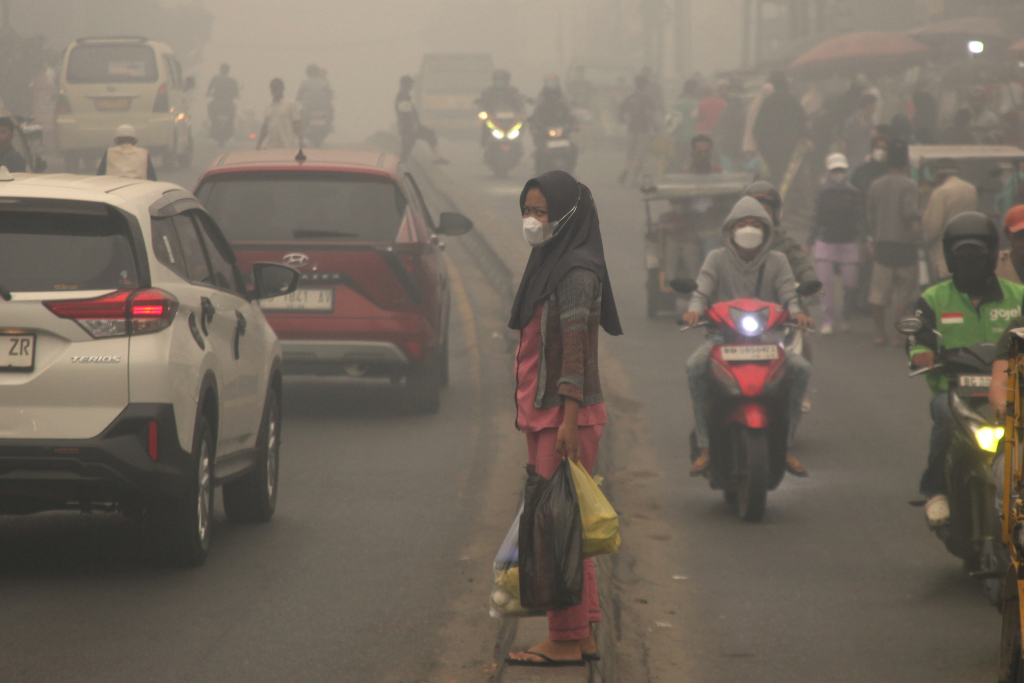
Haze from Kalimantan Forest Fires Reaches Jakarta Sky
Smoke from massive forest fires in Kalimantan, Indonesia, has drifted over the capital, Jakarta, creating hazardous air quality conditions and affecting neighboring Singapore and Malaysia.
France Protests 2026: Mass Demonstrations Over Living Costs and Education
Hundreds arrested in France as millions march against fuel prices, education cuts, and public service reforms. Explore the latest updates.

COP17: Critical Moment for Biodiversity Framework Implementation
As the Kunming-Montreal Global Biodiversity Framework faces implementation challenges, COP17 must deliver concrete solutions to address funding gaps, subsidy reforms, and global cooperation.

Trump Signs Executive Order to Waive Key Sanctions on Russia Amid Energy Crisis
Trump administration exempts major parts of the Graham Bill, including 500% tariffs on Russian imports, to stabilize domestic fuel markets.

LDP Senior Official Visits Yasukuni Shrine Amid Rising Regional Tensions
Analysis of the recent high-profile visits to Yasukuni Shrine by Japanese LDP leadership, including Katsunobu Kato and Masako Okada, and their implications for regional diplomacy.

Merck CEO: Cancer Vaccine Production Timeline to Shorten
Merck and Moderna's personalized cancer vaccine is evolving. CEO Rob Davis discusses speeding up the six-week manufacturing process to reach more patients sooner.

Porsche Unveils Mission S Concept: New Flagship Design Direction
Porsche reveals Mission S concept car previewing new design language and positioning above iconic 911 as part of turnaround strategy.

AI Startup Bankruptcies: The Reverse Acquihire Trend Explained
Character.ai's bankruptcy reveals a troubling trend in the AI industry: 'reverse acquihires' by tech giants like Google. We analyze the financial and strategic implications for startups.
Latest Articles
- IMF Secretary-General Warns: Strait of Hormuz Risks Remain High Amid Rising Attacks
- Trump's AI to SI Rename: Political Theater or Tech Revolution?
- KFC Switches to Coca-Cola After Decades-Long Partnership with Pepsi
- Netflix Appoints Peter Rice as New Chief Content Officer to Revitalize Strategy
- Nike's India Campus Strategy Amid China Sales Decline
- China's Diplomatic Stance on Philippines: Navigating Tensions and Seeking Stability