USS Lincoln's Rusty Arrival: A Symbol of US Navy Overstretch
The USS Abraham Lincoln's return after 286 days at sea reveals rust and crew fatigue, highlighting US Navy overextension and maintenance challenges in the Middle East.
Source: thepaper.cn
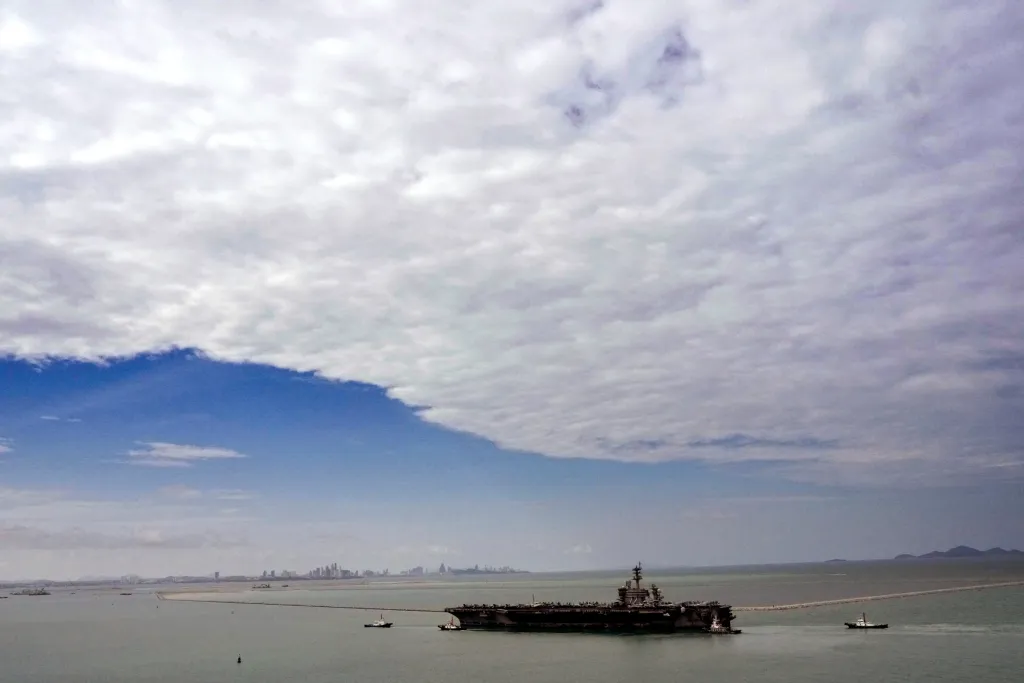
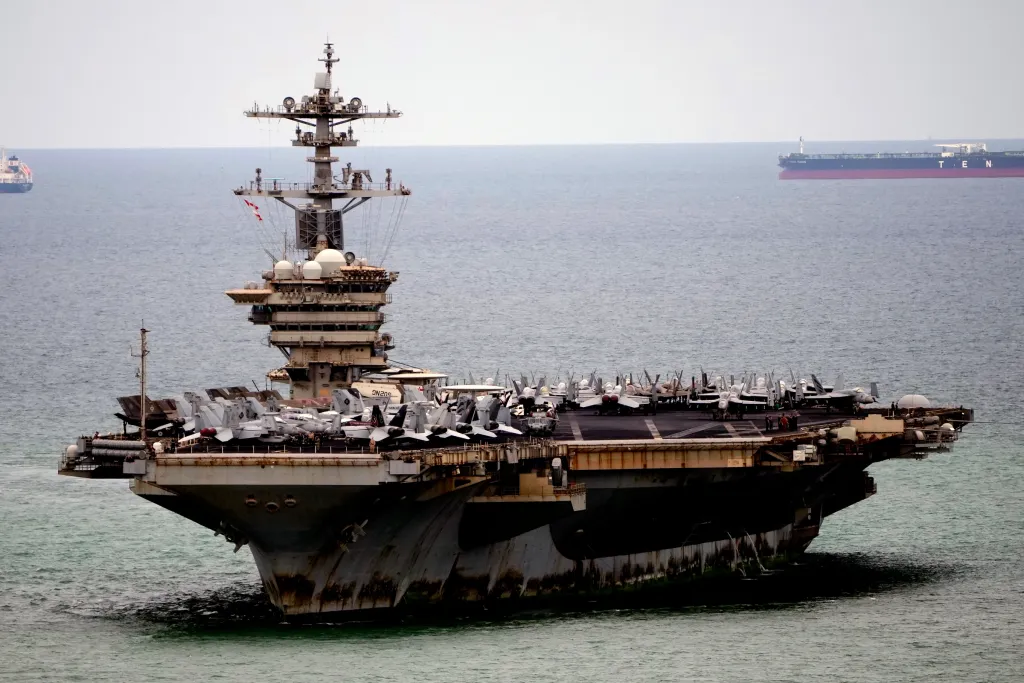
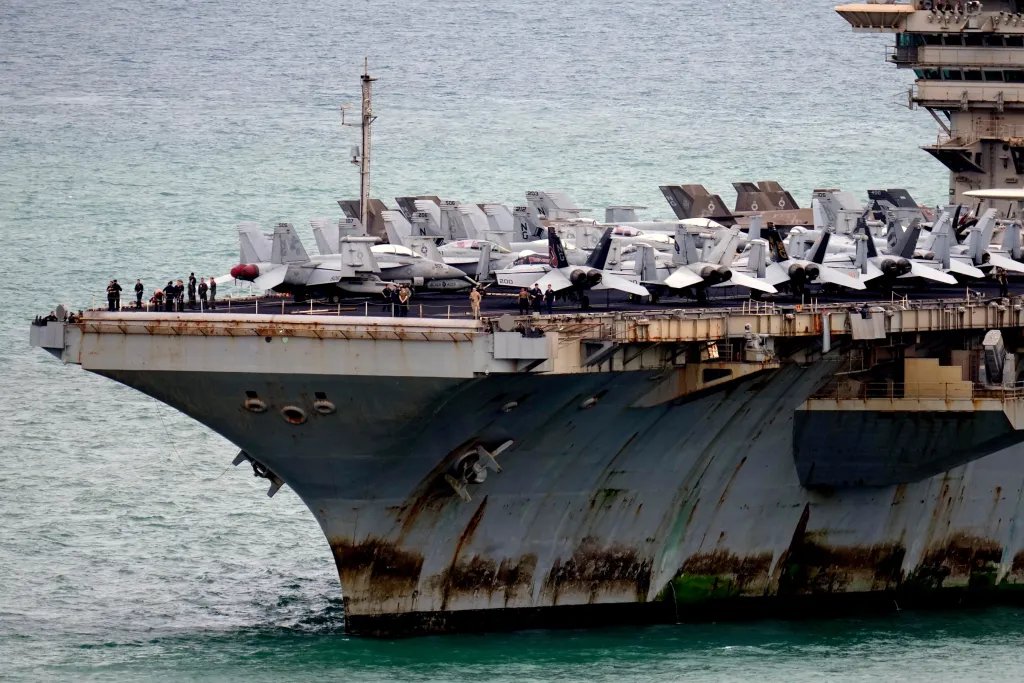
When the USS Abraham Lincoln pulled into Thailand's Laem Chabang port on September 2, 2026, the aircraft carrier's appearance sparked more than just curiosity—it ignited a debate about the state of the US Navy. Videos and photos showed extensive rust patches along the hull and flight deck edges, a stark contrast to the pristine image typically associated with American naval power. The ship's commander, Dan Keeler, candidly admitted the carrier "looks like a dirty car in a parking lot," but dismissed concerns as a normal consequence of prolonged deployment. Yet, defense experts see deeper implications: the Lincoln's condition is a visible metaphor for US naval overstretch and fatigue, raising questions about sustainability, crew morale, and strategic priorities.
Key Takeaways
-
Record-Breaking Deployment: The Lincoln has been at sea for 286 days since leaving port last November, setting a new record for consecutive days on deployment in modern naval history. This extended period without major port visits has taken a toll on the ship's exterior and interior systems.
-
Visible Deterioration: Rust spots are prominent above the waterline and near the flight deck edges, where fighter jets and helicopters operate. While rust is common on ships, the extent visible on the Lincoln suggests deferred maintenance and harsh operating conditions in the Middle East.
-
Commander's Defense: Captain Dan Keeler acknowledged the ship's appearance but argued that media reports "do not match the actual situation on board." He compared new sailors' complaints about food and living conditions to "sending a child to college for the first time," and noted that the crew felt "tossed around like a football" amid election cycles.
-
Logistical Challenges: According to US media, Iranian missiles and drones destroyed the Fifth Fleet headquarters in Bahrain, complicating resupply and repair efforts for the Lincoln. This led to shortages of fresh food, plumbing issues, and frustration over uncertain deployment end dates.
-
Crew Morale and Mental Health: The prolonged deployment has triggered mental health problems among the crew, including at least one possible suicide attempt. The stress of extended time at sea, combined with uncertain mission timelines, has taken a significant psychological toll.
-
Relief and Return: The Lincoln's Middle East mission has been taken over by the USS George Washington. After a brief stop in Thailand, the Lincoln is scheduled to depart on September 6 for its home port in San Diego, ending its arduous journey.
In-Depth Analysis
The rust on the USS Lincoln is not merely cosmetic—it symbolizes a broader crisis in US naval readiness. Defense expert Euan Graham from the Australian National Security College noted that the corrosion is "a symbol of the US Navy's strategic overextension and exhaustion." The US Navy has been operating at a high operational tempo for decades, with frequent deployments to the Middle East, Western Pacific, and other hotspots. This has led to a backlog of maintenance and a shortage of available ships, forcing carriers like the Lincoln to extend deployments beyond normal limits. The Lincoln's 286-day deployment is a testament to this strain, as the Navy struggles to balance global commitments with finite resources.
The situation is exacerbated by geopolitical tensions, particularly with Iran. The destruction of the Fifth Fleet headquarters in Bahrain highlights the vulnerability of US naval bases in the region and the increasing difficulty of sustaining operations. The Lincoln's crew faced not only external threats but also internal challenges, such as food shortages and equipment failures, which degrade combat effectiveness and morale. The admission of a possible suicide attempt underscores the human cost of such prolonged deployments, a factor often overlooked in strategic discussions.
Looking ahead, the US Navy must address these systemic issues to maintain its global posture. Options include increasing the fleet size, investing in advanced maintenance technologies, and rethinking deployment models to allow for more frequent port visits and crew rest. However, budget constraints and competing priorities make these solutions challenging. The Lincoln's story is a wake-up call for policymakers and the public alike: the US Navy's might is not infinite, and its ships and sailors need sustainable support to remain effective.
Frequently Asked Questions
Why is the USS Lincoln so rusty after deployment? Rust is a natural occurrence on ships exposed to saltwater, but the extent on the Lincoln indicates prolonged time at sea without proper maintenance. The ship's deployment was extended due to operational demands, and logistical issues in the Middle East, including the attack on Fifth Fleet headquarters, hindered repair efforts.
What are the implications of the Lincoln's condition for US naval strategy? The Lincoln's condition highlights the risks of overstretching naval forces. It suggests that the US Navy may be operating at a pace that exceeds its maintenance capacity, potentially affecting readiness and morale. This could prompt a reevaluation of deployment schedules and force structure.
How does the crew's mental health factor into this situation? Extended deployments without adequate rest and support can lead to severe stress and mental health issues among sailors. The Lincoln crew's experience, including a possible suicide attempt, underscores the need for better mental health resources and more predictable deployment cycles to ensure the well-being of service members.
Source: https://www.thepaper.cn/newsDetail_forward_33999105
Related posts

Haze from Kalimantan Forest Fires Reaches Jakarta Sky
Smoke from massive forest fires in Kalimantan, Indonesia, has drifted over the capital, Jakarta, creating hazardous air quality conditions and affecting neighboring Singapore and Malaysia.

France Protests 2026: Mass Demonstrations Over Living Costs and Education
Hundreds arrested in France as millions march against fuel prices, education cuts, and public service reforms. Explore the latest updates.

COP17: Critical Moment for Biodiversity Framework Implementation
As the Kunming-Montreal Global Biodiversity Framework faces implementation challenges, COP17 must deliver concrete solutions to address funding gaps, subsidy reforms, and global cooperation.

Trump Signs Executive Order to Waive Key Sanctions on Russia Amid Energy Crisis
Trump administration exempts major parts of the Graham Bill, including 500% tariffs on Russian imports, to stabilize domestic fuel markets.

LDP Senior Official Visits Yasukuni Shrine Amid Rising Regional Tensions
Analysis of the recent high-profile visits to Yasukuni Shrine by Japanese LDP leadership, including Katsunobu Kato and Masako Okada, and their implications for regional diplomacy.

Merck CEO: Cancer Vaccine Production Timeline to Shorten
Merck and Moderna's personalized cancer vaccine is evolving. CEO Rob Davis discusses speeding up the six-week manufacturing process to reach more patients sooner.

Porsche Unveils Mission S Concept: New Flagship Design Direction
Porsche reveals Mission S concept car previewing new design language and positioning above iconic 911 as part of turnaround strategy.

AI Startup Bankruptcies: The Reverse Acquihire Trend Explained
Character.ai's bankruptcy reveals a troubling trend in the AI industry: 'reverse acquihires' by tech giants like Google. We analyze the financial and strategic implications for startups.
Latest Articles
- IMF Secretary-General Warns: Strait of Hormuz Risks Remain High Amid Rising Attacks
- Trump's AI to SI Rename: Political Theater or Tech Revolution?
- KFC Switches to Coca-Cola After Decades-Long Partnership with Pepsi
- Netflix Appoints Peter Rice as New Chief Content Officer to Revitalize Strategy
- Nike's India Campus Strategy Amid China Sales Decline
- China's Diplomatic Stance on Philippines: Navigating Tensions and Seeking Stability