Moldova at 35: Between East and West, a Nation's Struggle for Survival
On Moldova's 35th independence anniversary, a journalist explores the country's delicate geopolitical position, its people's stories of migration, and the push toward EU integration amid Russian influence.
Source: thepaper.cn
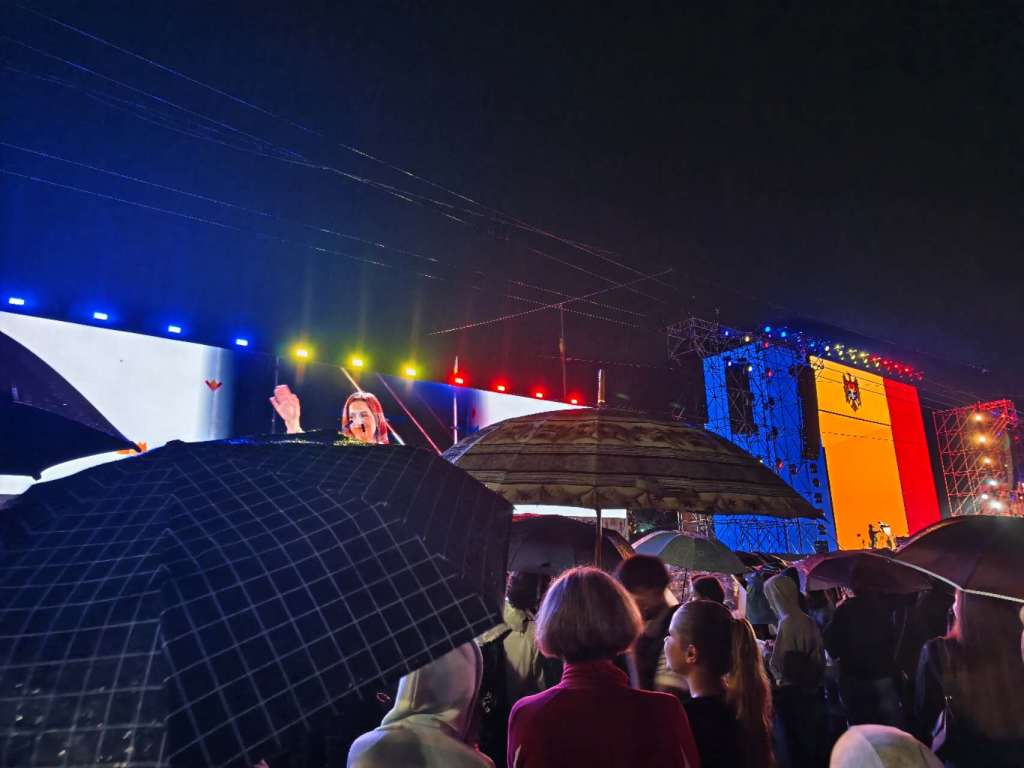
On August 27, 2026, Moldova celebrated 35 years of independence, but the cold rain falling on Chișinău's central square seemed to mirror the country's uncertain future. As Ukrainian President Volodymyr Zelensky took the stage to address the crowd, his presence underscored the fragile security situation on Moldova's borders. For the roughly 2.5 million Moldovans who remain in this small wine-producing nation—down from over 4 million at independence—the celebration was bittersweet. This year's anniversary comes at a pivotal moment: EU accession talks have just begun, and the shadow of war looms just across the border in Ukraine. I traveled through Moldova to understand how ordinary people navigate the push-pull between Russian influence and European aspirations, and what survival means in a country that has lost nearly half its population in just three decades.
Key Highlights
-
A Land of Emigration: Moldova has lost over 40% of its population since 1991, with many young people seeking work and opportunity in the EU. In Bălți, the third-largest city, the population has dwindled to under 100,000, and local schools have stopped teaching Russian—a sign of shifting loyalties.
-
The EU's Magnetic Pull: Romania's citizenship law, which grants passports to descendants of those who lived in Romanian territories between 1918 and 1940, has become a lifeline. Many Moldovans, like local guide Madelina, now hold dual citizenship, making it easier to travel, work, and study in Europe.
-
Transnistria: A Frozen Conflict: The breakaway region of Transnistria, unrecognized by any UN member state, remains a Soviet-era time capsule. Visitors can cross checkpoints manned by Russian peacekeepers and use a currency that exists nowhere else. Local guide Victor, whose father fought in the 1992 war, says the region's identity is deeply tied to Russia, but demographics are shifting.
-
The Energy Leverage: For decades, Russia supplied Transnistria with nearly free gas, but that flow has stopped since the war in Ukraine. The region now faces an energy crisis, and Moldova's government has begun collecting taxes from Transnistrian businesses, slowly integrating the region economically—even if political reunification remains distant.
-
Gagauzia's Quiet Loyalty: The autonomous region of Gagauzia, home to Turkic-speaking Orthodox Christians, remains firmly pro-Russian. Its governor has visited the Kremlin multiple times, and the central government has responded by freezing funds. Locals like Maria, a young waitress, feel caught between Moscow's fading influence and Brussels' closed doors.
-
A Russian Exile's Story: In Chișinău, I met Marina, a former Russian TV journalist and State Duma member who fled after the 2014 annexation of Crimea. She and her son Stephan now live in Moldova, having transferred their wealth through a complex network of countries. Stephan, who holds only a Russian passport, faces an uncertain future as visa restrictions tighten.
-
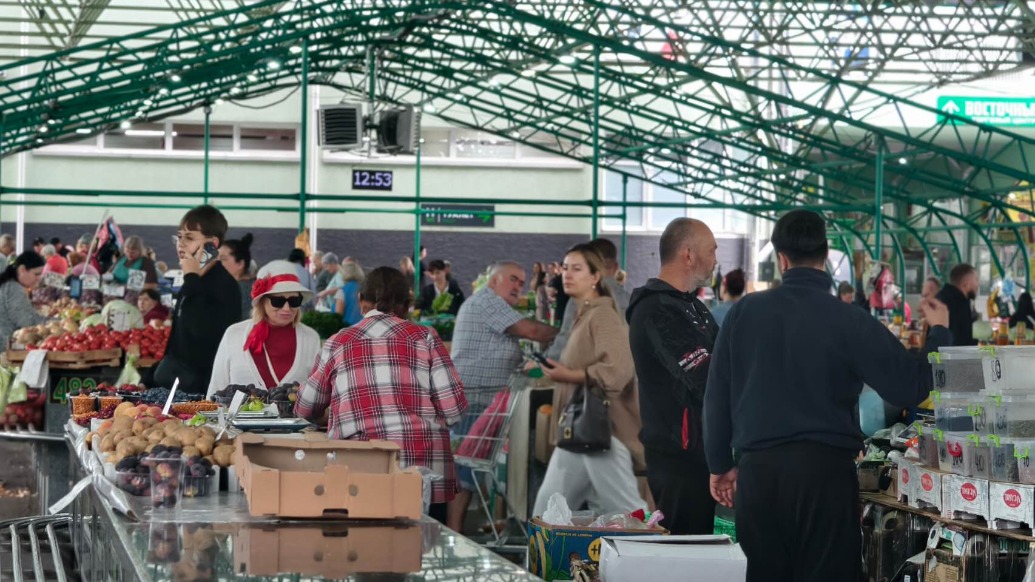
Wine as a Geopolitical Barometer: Moldova's famous wine cellars, including the world's largest at Mileștii Mici, reflect changing tastes. While French oak barrels dominate, the sweet, heavy wines of the Soviet era are giving way to drier, sparkling varieties—a sign of European integration even in the glass.
In-Depth Analysis
Moldova's trajectory since independence has been defined by a constant struggle to escape the gravitational pull of its Soviet past while inching toward the European Union. The country's decision to apply for EU membership, formally granted candidate status in 2022, was accelerated by Russia's full-scale invasion of Ukraine. This war has paradoxically served as a catalyst for Moldova's European aspirations, pushing even traditionally pro-Russian regions like Transnistria and Gagauzia to reconsider their allegiances. However, the path to Brussels is fraught with challenges. Moldova remains one of Europe's poorest countries, with a GDP per capita of just over $5,000, and its economy is heavily dependent on remittances from the diaspora. The EU's accession process requires sweeping reforms in rule of law, anti-corruption, and economic competitiveness—tasks that are daunting for a country that has struggled with state capture and oligarchic influence. Moreover, Moldova's energy infrastructure is still partially tied to Russia, and the breakaway region of Transnistria, with its Russian troops and ammunition depot, remains a potential flashpoint. The war in Ukraine has also exposed Moldova's vulnerability: it has faced drone incursions and missile debris, and the country's airspace is regularly violated. Yet, despite these risks, public support for EU membership has surged to over 60%, driven by a generational shift. Young Moldovans, like the dental student Anastasia from Transnistria, see Europe as their future, even as they hold Russian passports. The question is whether the EU can deliver on its promises quickly enough to solidify this pro-European sentiment, or whether the economic pain of transition will fuel disillusionment. Moldova's fate is not just a test of European enlargement but a litmus test for whether a small, geopolitically trapped nation can chart its own course.
Frequently Asked Questions
What is the current status of Moldova's EU accession?
Moldova was granted EU candidate status in June 2022, and in June 2026, the EU agreed to start the first phase of accession negotiations. The country aims to join by 2030, but this timeline depends on meeting extensive reforms, including in the judiciary and anti-corruption sectors.
How does the Transnistria conflict affect Moldova's EU path?
Transnistria's unresolved status is a major obstacle. The region, which has a Russian military presence, is not under Moldova's full control, and Moscow could use it to destabilize the country. The EU insists that Moldova must resolve its internal conflicts before accession, but the recent energy crisis and economic integration efforts may slowly bring Transnistria back into Moldova's fold.
Is it safe to travel to Moldova given the war in Ukraine?
While Moldova is not directly at war, its proximity to Ukraine and the presence of Russian troops in Transnistria create risks. The U.S. State Department advises caution, and there have been incidents of missile debris falling in Moldova. However, the capital Chișinău and major tourist sites like wineries remain safe, and tourism has actually increased as travelers seek to experience a country on the edge of Europe.
Source: https://www.thepaper.cn/newsDetail_forward_33994924
Related posts
France Protests 2026: Mass Demonstrations Over Living Costs and Education
Hundreds arrested in France as millions march against fuel prices, education cuts, and public service reforms. Explore the latest updates.
Haze from Kalimantan Forest Fires Reaches Jakarta Sky
Smoke from massive forest fires in Kalimantan, Indonesia, has drifted over the capital, Jakarta, creating hazardous air quality conditions and affecting neighboring Singapore and Malaysia.

COP17: Critical Moment for Biodiversity Framework Implementation
As the Kunming-Montreal Global Biodiversity Framework faces implementation challenges, COP17 must deliver concrete solutions to address funding gaps, subsidy reforms, and global cooperation.
Trump Signs Executive Order to Waive Key Sanctions on Russia Amid Energy Crisis
Trump administration exempts major parts of the Graham Bill, including 500% tariffs on Russian imports, to stabilize domestic fuel markets.
LDP Senior Official Visits Yasukuni Shrine Amid Rising Regional Tensions
Analysis of the recent high-profile visits to Yasukuni Shrine by Japanese LDP leadership, including Katsunobu Kato and Masako Okada, and their implications for regional diplomacy.
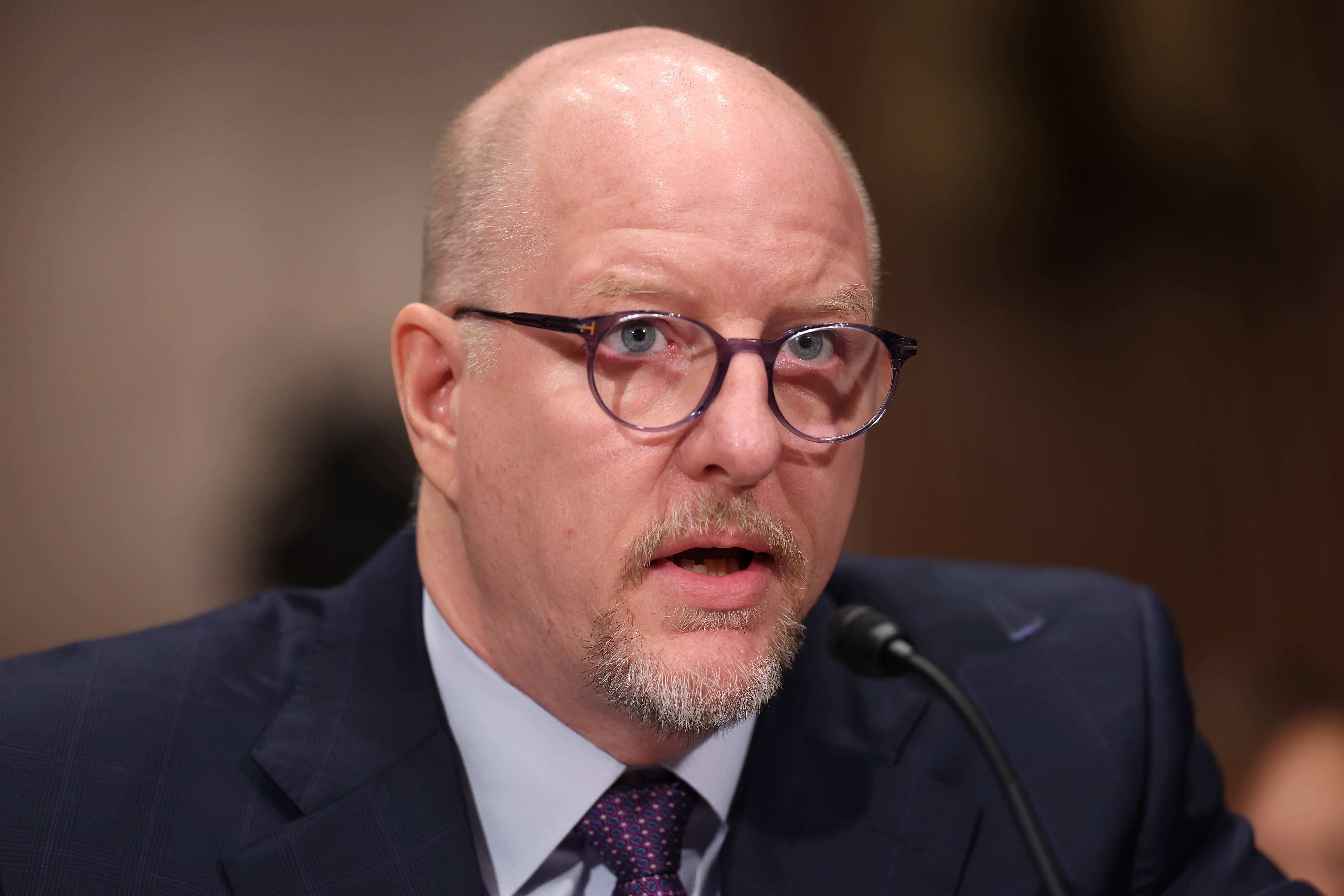
Merck CEO: Cancer Vaccine Production Timeline to Shorten
Merck and Moderna's personalized cancer vaccine is evolving. CEO Rob Davis discusses speeding up the six-week manufacturing process to reach more patients sooner.

Porsche Unveils Mission S Concept: New Flagship Design Direction
Porsche reveals Mission S concept car previewing new design language and positioning above iconic 911 as part of turnaround strategy.
AI Startup Bankruptcies: The Reverse Acquihire Trend Explained
Character.ai's bankruptcy reveals a troubling trend in the AI industry: 'reverse acquihires' by tech giants like Google. We analyze the financial and strategic implications for startups.
Latest Articles
- IMF Secretary-General Warns: Strait of Hormuz Risks Remain High Amid Rising Attacks
- Trump's AI to SI Rename: Political Theater or Tech Revolution?
- KFC Switches to Coca-Cola After Decades-Long Partnership with Pepsi
- Netflix Appoints Peter Rice as New Chief Content Officer to Revitalize Strategy
- Nike's India Campus Strategy Amid China Sales Decline
- China's Diplomatic Stance on Philippines: Navigating Tensions and Seeking Stability