France's Teen Social Media Ban Ruled Unconstitutional: Privacy vs. Protection
France's highest court struck down a ban on under-15 social media use, citing free speech and privacy. Explore the global debate on digital regulation, age verification, and state power.
Source: thepaper.cn
In August 2026, Meta agreed to pay a record $17 billion to settle lawsuits over teen addiction across 47 U.S. states. Weeks later, France's Constitutional Council made a landmark decision: it declared unconstitutional a law that would have banned social media for children under 15. The ruling has ignited a fierce debate about how far governments can go to protect minors online without eroding fundamental rights. As over 20 countries draft similar restrictions, France's rejection highlights the delicate balance between digital sovereignty, free expression, and privacy.
Key Points
- The French ban and its rationale: The proposed law aimed to prohibit under-15s from using social platforms without parental consent, reflecting concerns over algorithm-driven addiction and mental health. Lawmakers argued that early exposure to social media harms cognitive development and well-being, citing studies on the 'anxious generation'.
- Constitutional Council's verdict: On August 14, 2026, the Council ruled that a blanket ban violated the constitutional right to freedom of expression for minors. It also warned that mandatory age verification could lead to mass surveillance and privacy breaches, as it would require collecting sensitive personal data from all users.
- Global regulatory wave: Over 20 countries have implemented or drafted teen social media restrictions, from China's strict limits to U.S. state laws like Utah's. The Meta settlement underscores a growing legal and financial pressure on platforms to address harms.
- Political backlash in France: Former Prime Minister Attal called for a referendum to bypass the court, seeing an opportunity to rally support ahead of the 2027 presidential election. This reflects a deep-rooted interventionist tradition in France, where the state often takes a paternalistic role.
- Privacy vs. protection dilemma: Age verification methods—whether through ID scans or facial recognition—pose significant privacy risks. Critics argue they could turn the internet into a 'surveillance state,' while supporters say they are necessary to shield minors from harmful content.
- Legal frameworks in Europe: The French law also clashed with EU regulations, including the Digital Services Act and the Charter of Fundamental Rights. The European Court of Human Rights has set precedents that any restriction on freedom of expression must be proportionate and necessary.
- Judicial 'outsourcing' of politics: The Constitutional Council has increasingly become a 'cleaner' for controversial legislation, as parliament struggles with deep divisions. This raises questions about the separation of powers and the role of courts in democratic governance.
- Rise of the far-right: With Marine Le Pen's growing influence, there are fears that a future government could use referendums to amend the constitution, undermining the checks and balances that the Council currently provides.
Deep Analysis
The French ruling is not just about teen social media; it's a microcosm of the tension between state power and individual rights in the digital age. France's interventionist tradition, rooted in the post-war 'Glorious Thirty' years, often leads to top-down solutions. However, the Constitutional Council's decision signals a judicial check on that impulse, aligning more with Anglo-American notions of free speech and limited state intervention.
The debate over age verification is particularly thorny. While protecting minors is a legitimate goal, the methods risk creating a digital identity infrastructure that could be misused. The Council's concern about 'mass surveillance' is prescient—once such verification systems exist, they could be expanded to other purposes, eroding anonymity and privacy for all.
Moreover, the political reaction reveals a troubling trend: politicians are eager to appear tough on tech, but they often delegate the hard choices to courts. This 'outsourcing' of responsibility undermines democratic accountability. The 2027 election looms, and the far-right's potential use of referendums to bypass constitutional constraints poses a serious threat to liberal democracy in France.
Looking ahead, the ruling may push governments to design more nuanced regulations—such as platform-specific age-appropriate designs rather than outright bans. But the underlying conflict between digital sovereignty, which France aggressively pursues, and global platform power remains unresolved. Europe's fragmented capital markets and regulatory approaches further complicate a unified response. The search for a 'third way'—balancing protection, freedom, and innovation—is more urgent than ever.
Frequently Asked Questions
Why did the Constitutional Council strike down the ban? The Council ruled that the ban disproportionately restricted minors' freedom of expression, a right protected under the French Constitution. It also found that mandatory age verification would likely lead to privacy violations, as it would require collecting sensitive personal data from all users, not just minors.
What does this mean for other countries considering similar laws? The ruling sets a legal precedent that may influence courts elsewhere, especially in Europe. It suggests that blanket bans are constitutionally fragile and that governments must craft more targeted measures that respect fundamental rights, such as age-appropriate content moderation or time limits, rather than outright prohibitions.
How can governments protect teens online without violating privacy? Alternative approaches include platform-agnostic tools like parental controls, digital literacy programs, and design changes that reduce addictive features. Some experts propose decentralized identity systems that verify age without revealing personal details, but these are still in development. The key is to balance protection with minimal data collection and respect for free speech.
Source: https://www.thepaper.cn/newsDetail_forward_33992975
Related posts
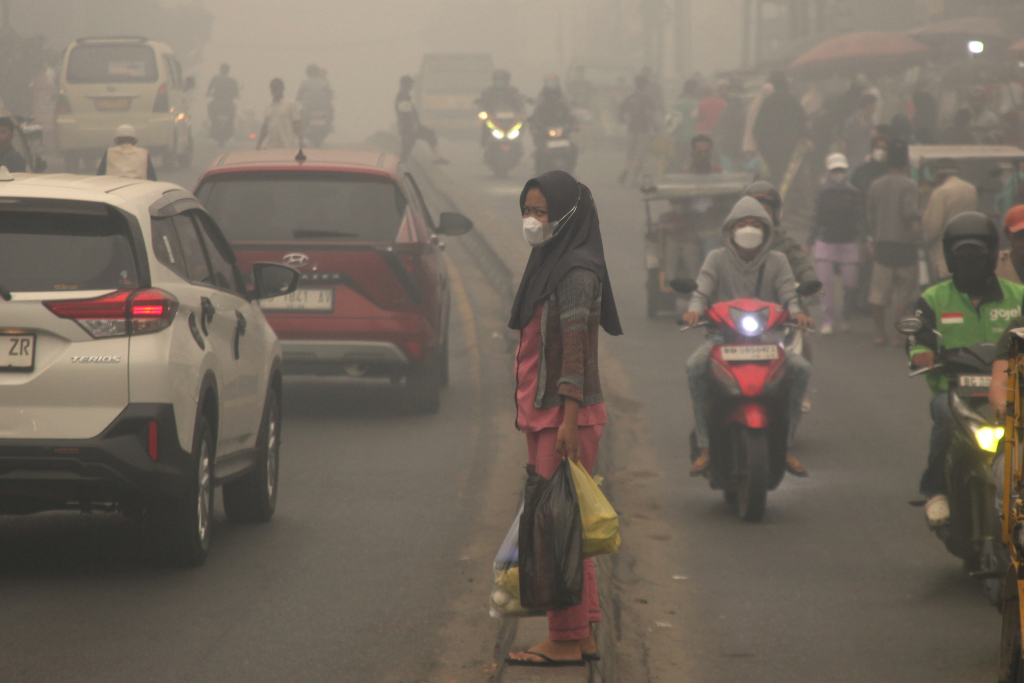
Haze from Kalimantan Forest Fires Reaches Jakarta Sky
Smoke from massive forest fires in Kalimantan, Indonesia, has drifted over the capital, Jakarta, creating hazardous air quality conditions and affecting neighboring Singapore and Malaysia.
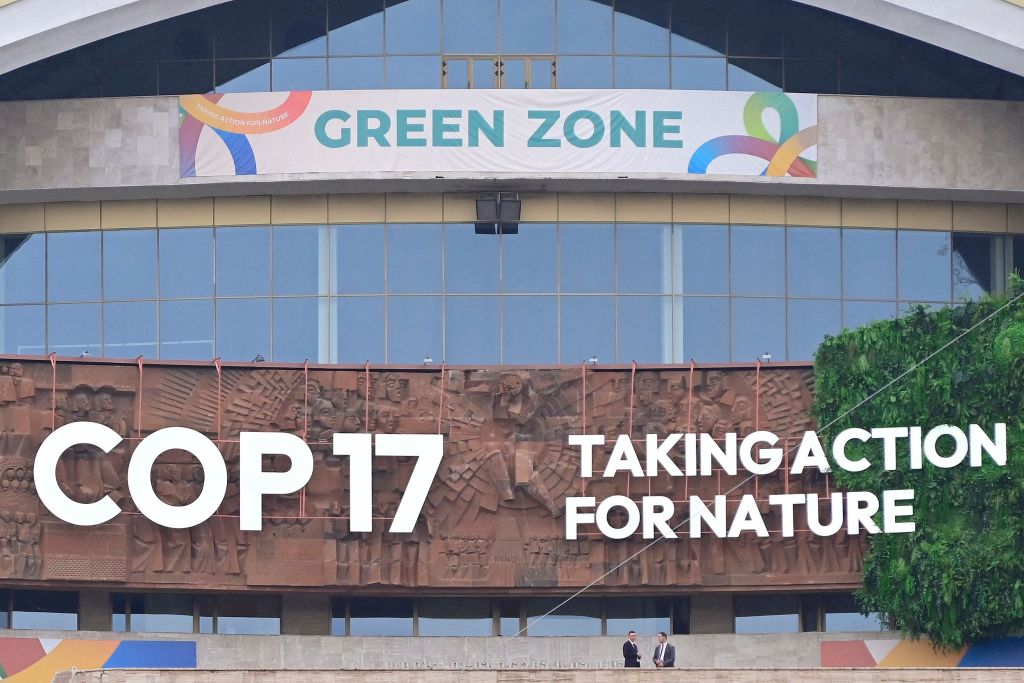
COP17: Critical Moment for Biodiversity Framework Implementation
As the Kunming-Montreal Global Biodiversity Framework faces implementation challenges, COP17 must deliver concrete solutions to address funding gaps, subsidy reforms, and global cooperation.

Trump Signs Executive Order to Waive Key Sanctions on Russia Amid Energy Crisis
Trump administration exempts major parts of the Graham Bill, including 500% tariffs on Russian imports, to stabilize domestic fuel markets.

LDP Senior Official Visits Yasukuni Shrine Amid Rising Regional Tensions
Analysis of the recent high-profile visits to Yasukuni Shrine by Japanese LDP leadership, including Katsunobu Kato and Masako Okada, and their implications for regional diplomacy.
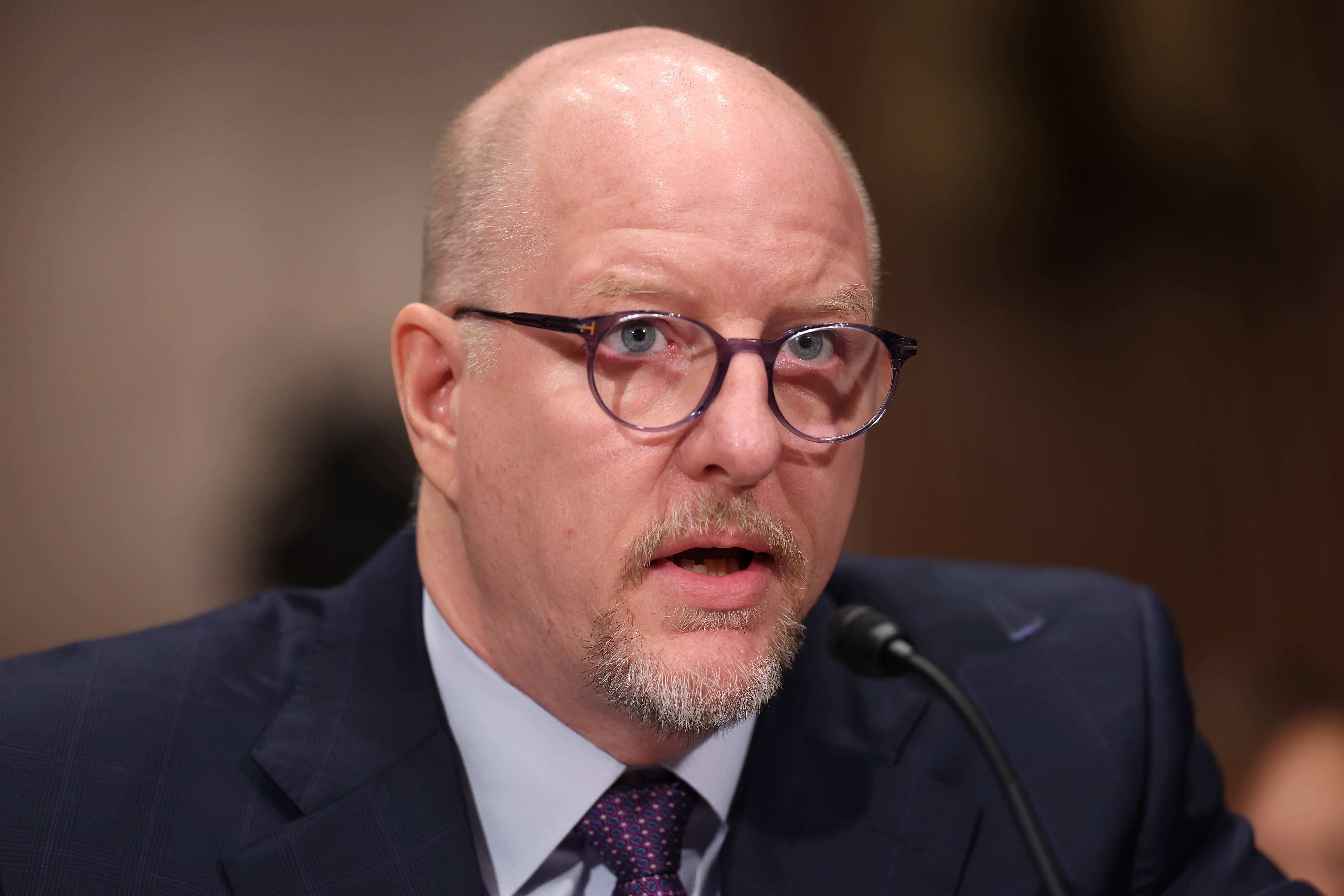
Merck CEO: Cancer Vaccine Production Timeline to Shorten
Merck and Moderna's personalized cancer vaccine is evolving. CEO Rob Davis discusses speeding up the six-week manufacturing process to reach more patients sooner.

Porsche Unveils Mission S Concept: New Flagship Design Direction
Porsche reveals Mission S concept car previewing new design language and positioning above iconic 911 as part of turnaround strategy.
AI Startup Bankruptcies: The Reverse Acquihire Trend Explained
Character.ai's bankruptcy reveals a troubling trend in the AI industry: 'reverse acquihires' by tech giants like Google. We analyze the financial and strategic implications for startups.

IMF Secretary-General Warns: Strait of Hormuz Risks Remain High Amid Rising Attacks
The Strait of Hormuz faces severe security threats, with over 110 vessels attacked since conflict escalation. Learn why global shipping is at risk and what measures are being taken.
Latest Articles
- Trump's AI to SI Rename: Political Theater or Tech Revolution?
- KFC Switches to Coca-Cola After Decades-Long Partnership with Pepsi
- Netflix Appoints Peter Rice as New Chief Content Officer to Revitalize Strategy
- Nike's India Campus Strategy Amid China Sales Decline
- China's Diplomatic Stance on Philippines: Navigating Tensions and Seeking Stability
- US Restrictions on Chinese Drones Backfire as Performance Gap Widens