UK Records Hottest Summer on Record in 2026, New Data Shows
The UK's summer of 2026 was the hottest ever recorded, with average temperatures reaching 16.5°C. Climate scientists link the record to human-induced climate change, warning of more extremes ahead.
Source: thepaper.cn
As the UK basks in the aftermath of an unprecedented summer, new data confirms what many already felt: 2026 was the hottest summer on record. With average temperatures soaring to 16.5°C, this season has not only broken records but also intensified the urgent conversation about climate change and its local impacts. The findings, released by the Met Office on September 1, 2026, underscore a worrying trend of rising temperatures and more frequent extreme weather events, making this a critical moment for both policymakers and the public to take notice.
Key Takeaways
- Record-Breaking Heat: The UK's average summer temperature for 2026 reached 16.5°C, surpassing the previous record of 16.1°C set in 2025. This marks the hottest summer since records began, highlighting a rapid escalation in warming trends.
- Unusual Start: The meteorological summer (June to August) began with the second hottest June on record, followed by the second hottest July. This consistent warmth set the stage for an overall record-breaking season, even as August saw slightly cooler conditions.
- August's Cooling Effect: While late August brought unstable weather that tempered monthly temperatures, it wasn't enough to offset the persistent warmth of the earlier months. This shows how sustained heat over a season can outweigh short-term fluctuations.
- Climate Change Link: Experts at the Met Office, including Dr. Amy Doherty, emphasize that the frequency of broken records is a direct reflection of human-induced climate change's impact on UK temperatures. The data aligns with broader global warming patterns.
- Probability of Occurrence: Mark McCarthy, head of climate attribution, notes that without human greenhouse gas emissions, such a hot summer would be extremely unlikely. Currently, these conditions are expected about once every nine years, a stark shift from natural variability.
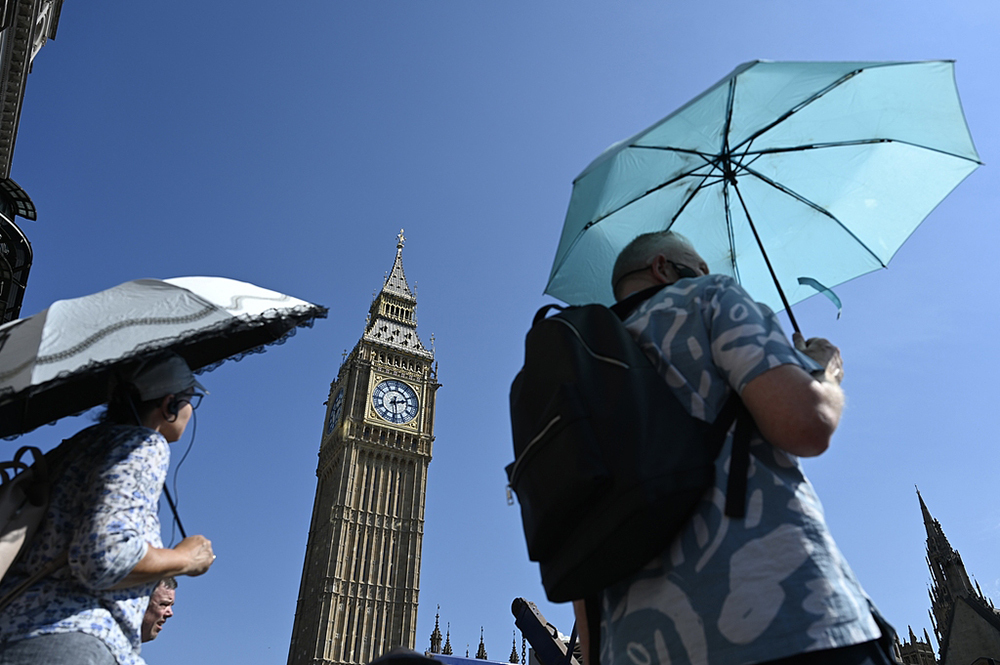
- Public Experience: Visuals from London on August 13, 2026, show pedestrians using umbrellas for shade, illustrating the tangible effects of the heat on daily life. This summer served as a vivid reminder of how climate change alters even traditionally temperate regions.
In-Depth Analysis
The record-breaking summer of 2026 is not an isolated anomaly but a symptom of a accelerating climate crisis. The UK, like many parts of the world, is experiencing the consequences of global warming through more frequent and intense heatwaves. The Met Office's data aligns with global trends, where each successive year often brings new temperature milestones. This pattern is particularly concerning because it outpaces earlier climate models' predictions, suggesting that impacts are arriving faster than expected.
From an economic perspective, extreme heat affects productivity, healthcare systems, and agriculture, leading to increased costs for the public and private sectors. The 2026 summer likely prompted higher energy consumption for cooling, strained water resources, and posed health risks, especially for vulnerable populations. These factors underscore the need for robust adaptation strategies, including better urban planning, heat-health action plans, and investment in resilient infrastructure.
Looking ahead, the UK must prepare for a future where such summers become the norm rather than the exception. The Met Office's projection of a 1-in-9-year occurrence for record heat highlights the urgency of reducing greenhouse gas emissions. While the UK has committed to net-zero targets, this summer's data serves as a wake-up call to accelerate policy implementation and public engagement. The coming years will test the nation's ability to mitigate and adapt, making climate action not just an environmental imperative but an economic and social one.
FAQ
What does "hottest summer on record" mean for the UK? It means that the average temperature across June, July, and August was the highest since reliable records began, reflecting a broader trend of global warming. This has practical implications for health, infrastructure, and daily life, as heatwaves become more common.
How does climate change influence UK summer temperatures? Human activities, such as burning fossil fuels, increase greenhouse gas concentrations, trapping more heat in the atmosphere. This enhances the likelihood of extreme heat events, making record-breaking summers like 2026 far more probable than in a world without human-induced climate change.
Will future summers be even hotter? If global emissions continue to rise, the UK can expect more frequent and intense heatwaves. The Met Office's attribution analysis suggests that current probabilities will shift, making such extremes even more common. However, aggressive emission reductions could help stabilize temperatures and reduce the severity of future impacts.
Source: https://www.thepaper.cn/newsDetail_forward_33991680
Related posts

KFC Switches to Coca-Cola After Decades-Long Partnership with Pepsi
Breaking: KFC will replace PepsiCo with Coca-Cola beverages across all U.S. locations by Q1 2027, marking a major shift in the fast-food industry's beverage alliances.

Netflix Appoints Peter Rice as New Chief Content Officer to Revitalize Strategy
Netflix hires former Disney executive Peter Rice to lead content, replacing Bela Bajaria amid declining viewership and a massive workforce cut.

Nike's India Campus Strategy Amid China Sales Decline
Nike invests in Bengaluru campus as growth strategy while facing 26% revenue drop in China market.
China's Diplomatic Stance on Philippines: Navigating Tensions and Seeking Stability
China urges the Philippines to accurately understand its stance on improving bilateral relations amidst rising tensions and military rhetoric.
US Restrictions on Chinese Drones Backfire as Performance Gap Widens
American bans on Chinese drones are causing significant problems across multiple industries, with police departments and construction firms struggling to find affordable alternatives that match Chinese technology.

Strait of Hormuz Attacks Surge as Iran Seeks to Influence US Midterm Elections
Recent spike in vessel attacks in the Strait of Hormuz reveals Iran's strategy to impact global oil markets and US politics amid escalating tensions.

Southwest Airlines Overhauls Loyalty Program with New Tiers and Benefits
Southwest Airlines is replacing its two-tier frequent flyer program with silver, gold, and platinum levels, offering enhanced benefits and changing its approach to the Companion Pass.
Oregon School Shooting: Tragedy Sparks Debate on Gun Control
A deadly shooting at an Oregon elementary school leaves at least 5 dead, reigniting national conversation about school safety and gun legislation.
Latest Articles
- The Billionaire Space Race: Musk vs. Bezos
- JetBlue BlueFirst: New Domestic First Class for Under $300
- Bank of America Spends Billions to Patch AI-Exposed Flaws
- Zelensky Announces Resumption of Strikes on Russian Oil Refineries
- SpaceX Starshield Cuts Ukraine's Starlink Speed: US-Government Pressure or Political Stunt?
- China Upgrades Asia-Africa Pavilion at CIIE to Boost Zero-Tariff Benefits