US-Iran Economic Warfare: Why Sanctions Won't Force Political Concessions
Experts analyze the limits of US economic pressure on Iran, the role of China and Russia, and why economic pain rarely translates into political compromise.
Source: thepaper.cn
As the United States escalates its economic campaign against Iran with the 'Operation Economic Outcast' sanctions package, the question on everyone's mind is whether this unprecedented pressure will finally bring Tehran to its knees. But a panel of leading Iran experts suggests that the answer is far more complex. Economic pain, they argue, does not automatically translate into political concessions—and the US may be underestimating Iran's resilience and its ability to inflict costs on the global economy.
Key Insights from the Experts
-
Sanctions Are Not New, But Enforcement Is Tighter: Nader Habibi, a Middle East economics professor at Brandeis University, notes that the five sectors targeted—aviation, digital assets, gold, shipping, and technology—have been under sanctions for decades. The real difference lies in the aggressive enforcement of secondary sanctions, which target foreign companies and countries that trade with Iran. However, Habibi stresses that these measures will only be partially effective, as China and Russia have already vowed to bypass them.
-
China and Russia Are the Wildcards: The success of the sanctions hinges on China's compliance. Alex Vatanka, a senior fellow at the Middle East Institute, points out that if the US is unwilling to sanction major Chinese banks and refiners, the strategy has a significant loophole. Russia has also indicated it will use cryptocurrencies to trade with Iran, circumventing the dollar-based financial system.
-
Economic Pain vs. Political Concessions: Vatanka emphasizes that while sanctions can exacerbate Iran's economic crisis, they do not necessarily lead to political compromise. Iran has a high tolerance for economic hardship, having endured sanctions for over 40 years. Concessions are only likely if Tehran believes that giving in will result in credible sanctions relief.
-
Iran's Countermeasures: Iran retains powerful tools to retaliate, including the threat of closing the Strait of Hormuz, attacking regional energy infrastructure, or targeting US allies like the UAE. Habibi warns that if economic pressures become unbearable, Iran might resort to military action to break the blockade, risking a new round of conflict.
-
Mixed Compliance Among US Allies: While Gulf states are highly vulnerable to US financial pressure and are likely to comply, Oman, Pakistan, and Turkey are reluctant to fully sever ties with Iran. The UAE has announced cooperation, but other nations may seek exemptions to avoid being seen as participants in an economic war.
-
Iran's 'Resistance Economy': Iran has developed a 'resistance economy' over the past four decades, using shell companies and underground trade to bypass sanctions. This has allowed the economy to function, but at a significant cost: inflation has exceeded 100%, the currency has lost over 50% of its value, and 750,000 jobs have been lost since the war began.
The Role of Domestic Politics in the US: Public support for military action against Iran is declining, with only 31% in favor according to a recent poll. However, Trita Parsi of the Quincy Institute suggests that domestic pressure is still not enough to alter the administration's course.
In-Depth Analysis
The current US strategy represents a shift from military confrontation to economic strangulation, but this approach is fraught with risks. As Vatanka notes, the conflict is moving into a phase of economic attrition, where Iran's high tolerance for pain and its ability to disrupt global energy markets are its greatest assets. The US may have superior economic firepower, but Iran can impose costs on the global economy through the Strait of Hormuz, which carries about 20% of the world's oil. This dynamic creates a stalemate where neither side can achieve a decisive victory.
Moreover, the expert consensus is that sanctions are more likely to harden Iran's resistance than to force it to capitulate. The leadership can frame economic hardship as a patriotic struggle against American imperialism, using it to justify repression and rally domestic support. The key variable is whether ordinary Iranians blame Washington or their own leaders for the suffering. If they blame Tehran, the regime could face instability; if they blame the US, it could further entrench anti-American sentiment.
The broader geopolitical landscape is also shifting. The war has weakened the US's position in the Middle East, but it has not created a vacuum that Iran can fill. Instead, the region is becoming more multipolar, with China, Turkey, and other actors playing larger roles. The 'post-American era' is not about US decline but about the limits of its dominance. As Vatanka puts it, the US is no longer the decisive force it once was, but it remains the most powerful external military and financial presence.
Looking ahead, the risk of escalation remains high. Parsi warns that sanctions are narrowing the space for negotiations, making a new conflict more likely. Even if the US seeks a 'new normal' of tacit acceptance, this would be an unstable equilibrium, with the possibility of war resurging. The path to de-escalation lies in credible exit strategies: limited demands, reciprocal measures, and confidence that concessions will lead to sanctions relief. Without these, the cycle of economic warfare and retaliation is likely to continue.
Frequently Asked Questions
Q: Why doesn't economic pressure force Iran to make political concessions? A: Iran's leadership views concessions as risky, fearing that Washington will always demand more. Issues like nuclear policy and the Strait of Hormuz are tied to regime security and deterrence, so economic pain alone is insufficient. Concessions are only possible if there is a credible path to sanctions relief.
Q: How effective are the new sanctions compared to previous ones? A: The new sanctions are broader and include threats of secondary sanctions against third parties. However, their effectiveness depends on enforcement, especially against China and Russia, which have shown willingness to bypass them. Iran has also built extensive evasion networks over decades, reducing the impact.
Source: https://www.thepaper.cn/newsDetail_forward_33984487
Related posts
Trump Signs Executive Order to Waive Key Sanctions on Russia Amid Energy Crisis
Trump administration exempts major parts of the Graham Bill, including 500% tariffs on Russian imports, to stabilize domestic fuel markets.
Trump's AI to SI Rename: Political Theater or Tech Revolution?
Examining the implications of Trump's controversial decision to replace 'AI' with 'SI' in all US government documents, analyzing the political motivations and global repercussions.
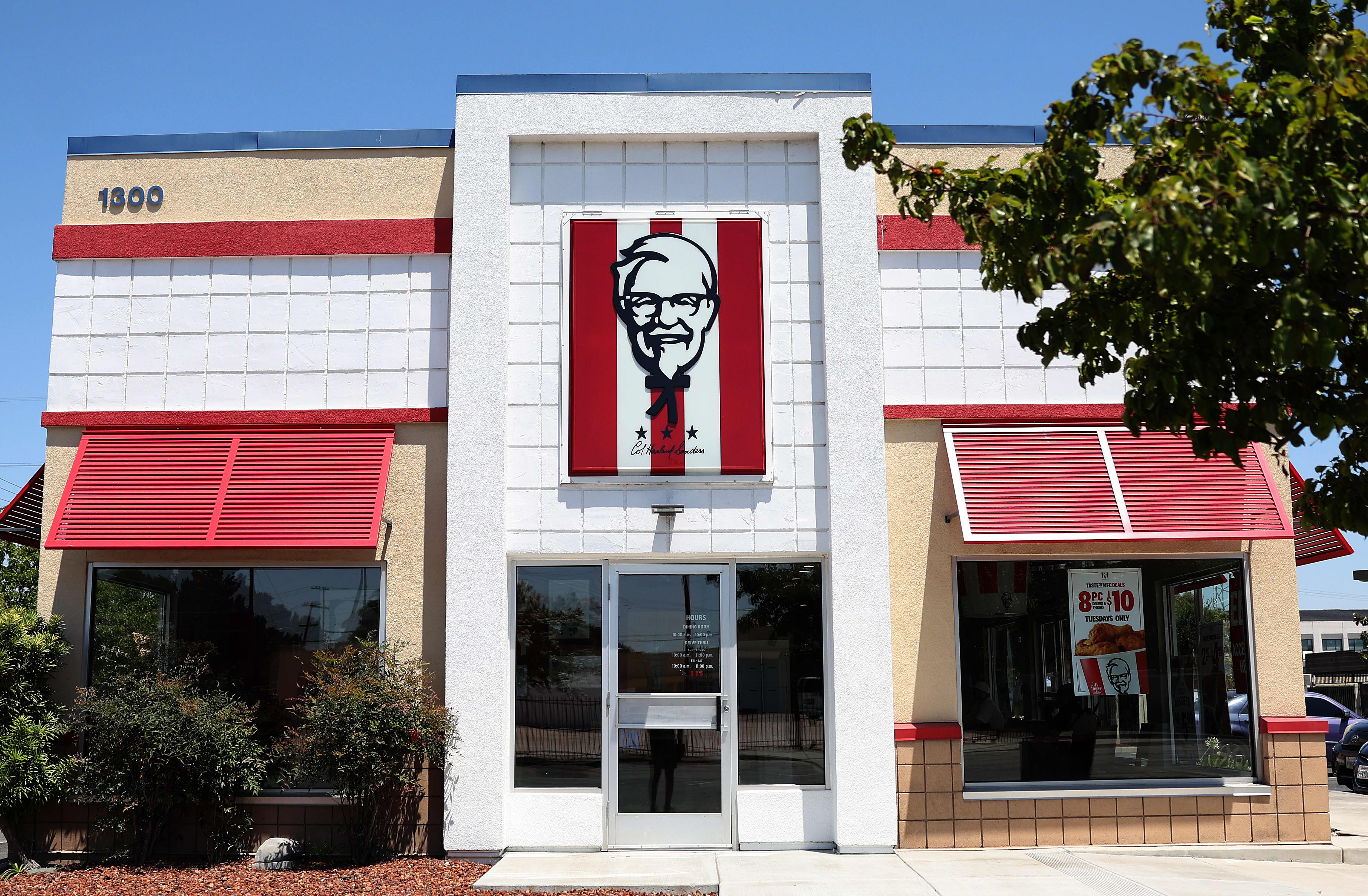
KFC Switches to Coca-Cola After Decades-Long Partnership with Pepsi
Breaking: KFC will replace PepsiCo with Coca-Cola beverages across all U.S. locations by Q1 2027, marking a major shift in the fast-food industry's beverage alliances.

Netflix Appoints Peter Rice as New Chief Content Officer to Revitalize Strategy
Netflix hires former Disney executive Peter Rice to lead content, replacing Bela Bajaria amid declining viewership and a massive workforce cut.

Nike's India Campus Strategy Amid China Sales Decline
Nike invests in Bengaluru campus as growth strategy while facing 26% revenue drop in China market.
China's Diplomatic Stance on Philippines: Navigating Tensions and Seeking Stability
China urges the Philippines to accurately understand its stance on improving bilateral relations amidst rising tensions and military rhetoric.
US Restrictions on Chinese Drones Backfire as Performance Gap Widens
American bans on Chinese drones are causing significant problems across multiple industries, with police departments and construction firms struggling to find affordable alternatives that match Chinese technology.
Strait of Hormuz Attacks Surge as Iran Seeks to Influence US Midterm Elections
Recent spike in vessel attacks in the Strait of Hormuz reveals Iran's strategy to impact global oil markets and US politics amid escalating tensions.
Latest Articles
- Southwest Airlines Overhauls Loyalty Program with New Tiers and Benefits
- Oregon School Shooting: Tragedy Sparks Debate on Gun Control
- The Billionaire Space Race: Musk vs. Bezos
- JetBlue BlueFirst: New Domestic First Class for Under $300
- Bank of America Spends Billions to Patch AI-Exposed Flaws
- Zelensky Announces Resumption of Strikes on Russian Oil Refineries