SCO Summit 2026: Xi Jinping's Vision for a New Era of Regional Cooperation
Chinese President Xi Jinping outlines four key proposals at the 26th SCO summit in Bishkek, emphasizing development, security, people-centered cooperation, and governance reform as the bloc marks its 25th anniversary.
Source: thepaper.cn
As the Shanghai Cooperation Organization (SCO) marks its 25th anniversary, leaders gathered in Bishkek on September 1, 2026, to chart a path forward amid a rapidly changing global landscape. Chinese President Xi Jinping's keynote speech underscored the bloc's evolution from a regional dialogue platform to a cornerstone of global governance. With wars and geopolitical tensions still simmering, the SCO's role in fostering dialogue over confrontation has never been more critical. This summit wasn't just about celebrating past achievements—it was about setting a concrete agenda for the next decade, balancing economic growth with security and human-centric development.
Key Takeaways from the Bishkek Summit
- Development First, Shared Prosperity: Xi called for inclusive economic globalization, urging deeper cooperation in traditional areas like trade, investment, and energy, while expanding into frontier fields such as AI, digital economy, and green industries. China pledged to establish an international AI application cooperation center and a port economy center in Tianjin, and to launch 100 joint science projects with SCO members over the next three years.
- Security as a Priority: The speech emphasized tackling both traditional and non-traditional security threats, including terrorism, cross-border crime, drug trafficking, and telecom fraud. China supported the early activation of the SCO's four security centers to boost member states' response capabilities.
- People-Centered Cooperation: Xi proposed building networks across legislative bodies, political parties, schools, think tanks, and media to strengthen people-to-people ties. China will set up a basic education cooperation center and continue using platforms like Confucius Institutes and Luban Workshops to foster mutual understanding.
- Dialogue and Governance Reform: The president stressed equality among nations, calling for regional affairs to be handled through consultation and consensus. He backed improving the SCO's operational mechanisms to enhance decision-making and implementation efficiency, and welcomed new partners to join in regional and global governance.
- Milestone Documents Signed: The summit adopted the Bishkek Declaration and approved amendments to the SCO Charter, alongside 28 documents covering security, economy, and cultural cooperation. Pakistan was announced as the next rotating chair for 2026-2027.
- 25 Years of Achievements: Leaders praised the SCO's growth into the world's largest regional organization by geography and population, crediting the 'Shanghai Spirit'—mutual trust, benefit, equality, and respect for diverse civilizations—as its guiding principle.
In-Depth Analysis
Xi's four-point proposal is a strategic response to the bloc's mid-life crisis. At 25, the SCO faces challenges ranging from divergent member interests to external pressures from Western powers. The emphasis on 'development first' signals a pivot toward economic integration as a stabilizing force, particularly through the Belt and Road Initiative (BRI) and the Global Development Initiative. China's pledge to host AI and port economy centers reflects a tech-forward approach, positioning the SCO as a hub for digital and green transitions. However, the security pillar cannot be overlooked; the region remains a hotspot for extremism and instability, and the activation of security centers is a practical step toward collective defense. The governance reform proposal is particularly noteworthy—it hints at internal friction over decision-making efficiency, a common issue in consensus-based bodies. By advocating for 'equal dialogue,' Xi is subtly pushing for a more streamlined process without alienating smaller members. The summit's outcome, including Pakistan's upcoming chairmanship, suggests continuity, but the real test lies in implementation. Can the SCO translate these ambitious plans into tangible benefits for its 3.5 billion people? The next decade will reveal whether this 'new type of regional cooperation' can truly deliver on its promises.
Frequently Asked Questions
What is the 'Shanghai Spirit' and why is it important? The 'Shanghai Spirit' refers to the SCO's founding principles: mutual trust, mutual benefit, equality, consultation, respect for diverse civilizations, and pursuit of common development. It's crucial because it differentiates the SCO from Western alliances, promoting non-alignment and non-confrontation, which fosters a unique cooperative environment.
How will China's new initiatives benefit SCO member states? China's initiatives, such as the AI cooperation center and 100 joint science projects, aim to bridge technological gaps and boost innovation across the region. The port economy center in Tianjin is expected to enhance trade connectivity, while the education center will facilitate knowledge exchange, ultimately contributing to sustainable development in member countries.
What does Pakistan's upcoming chairmanship mean for the SCO? Pakistan's chairmanship (2026-2027) will likely focus on enhancing connectivity and counter-terrorism cooperation, given its strategic location and experience. It may also prioritize economic integration, potentially accelerating projects like the China-Pakistan Economic Corridor, which aligns with the SCO's broader goals.
Source: https://www.thepaper.cn/newsDetail_forward_33983028
Related posts
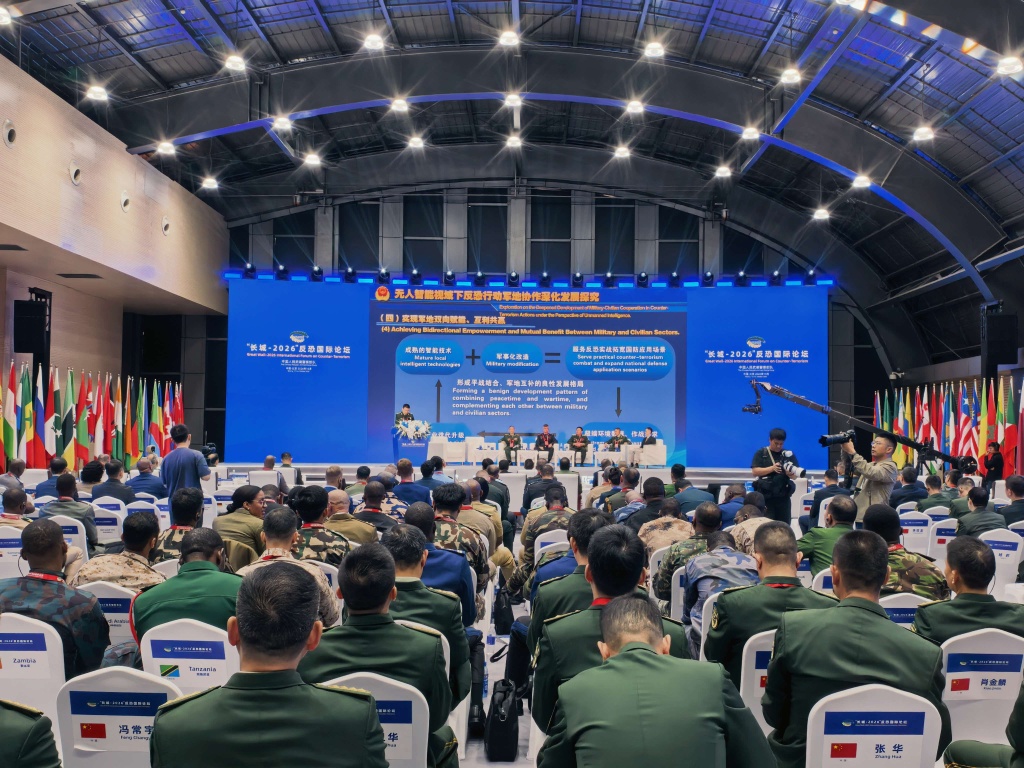
AI-Powered Counterterrorism: New Frontiers in the Fight Against Modern Terrorist Threats
Exploring how artificial intelligence is reshaping counterterrorism strategies worldwide, with insights from the 'Great Wall-2026' forum on emerging threats and defense innovations.
China Upgrades Asia-Africa Pavilion at CIIE to Boost Zero-Tariff Benefits
China's Ministry of Foreign Affairs announces enhanced Asia-Africa product zone at CIIE 2026 to help African nations capitalize on zero-tariff advantages.
Korea's Yoon Suk Yeol Prepares for Trump Golf Meeting
Yoon Suk Yeol's team is setting up a special working group for a potential golf meeting with Donald Trump. Explore the diplomatic strategy, recent controversies, and the political significance behind this high-profile sporting event.
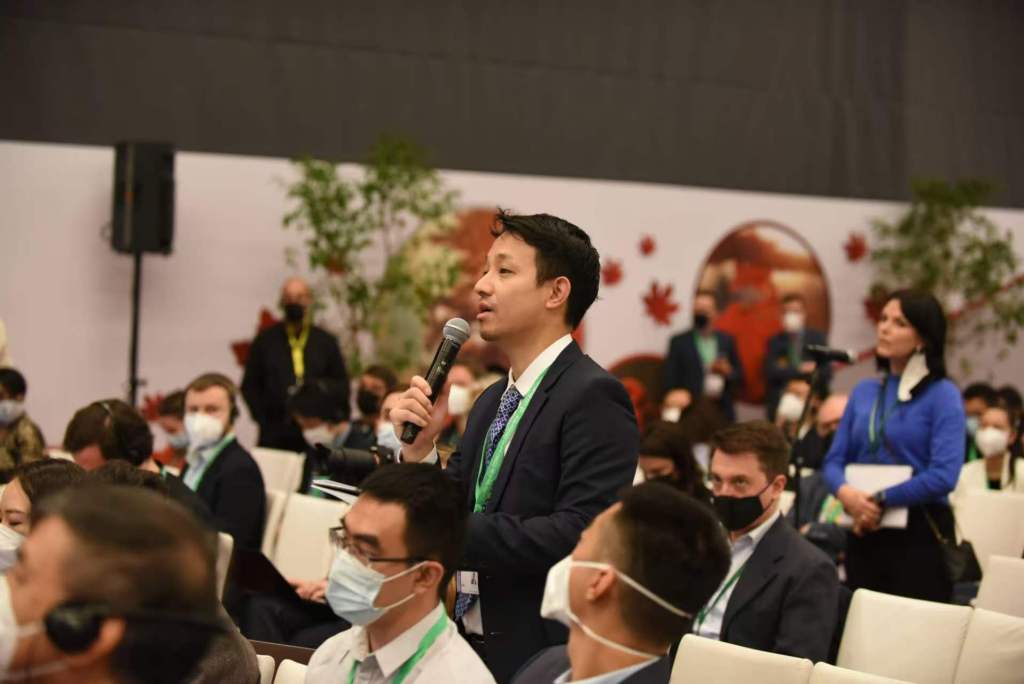
Climate Journalism at the Tipping Point: Finding Action in Environmental Crisis
Exploring climate reporting's critical role in environmental awareness and action amid global climate tipping points.
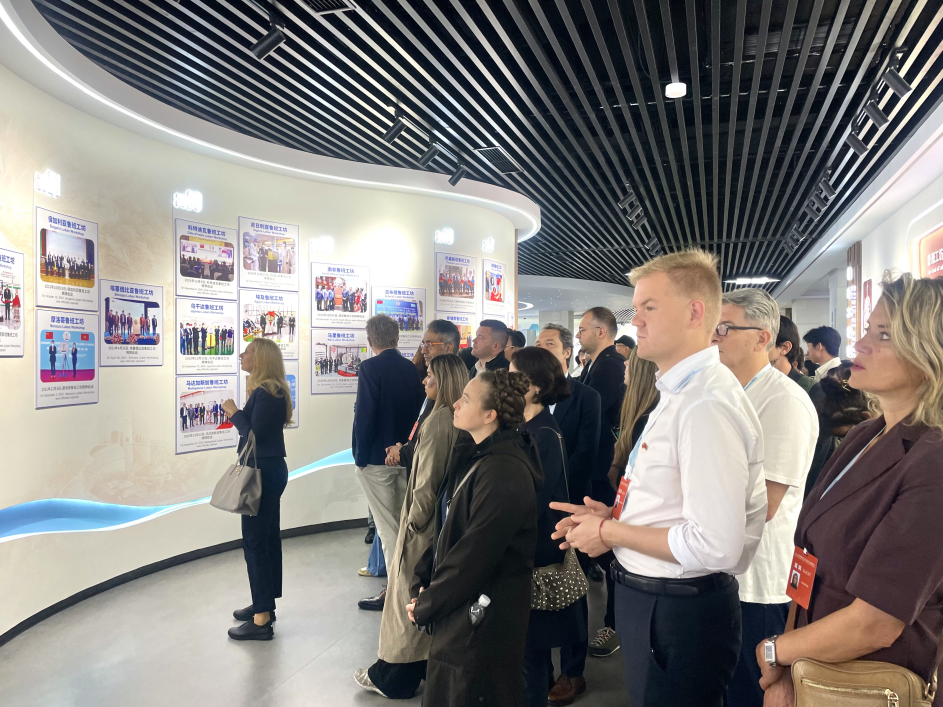
US Lawmaker: AI Transcends Borders, Urging US-China Cooperation
Washington State Representative Roger Goodman emphasizes that AI risks don't recognize national boundaries, calling for enhanced US-China collaboration to ensure AI benefits humanity.
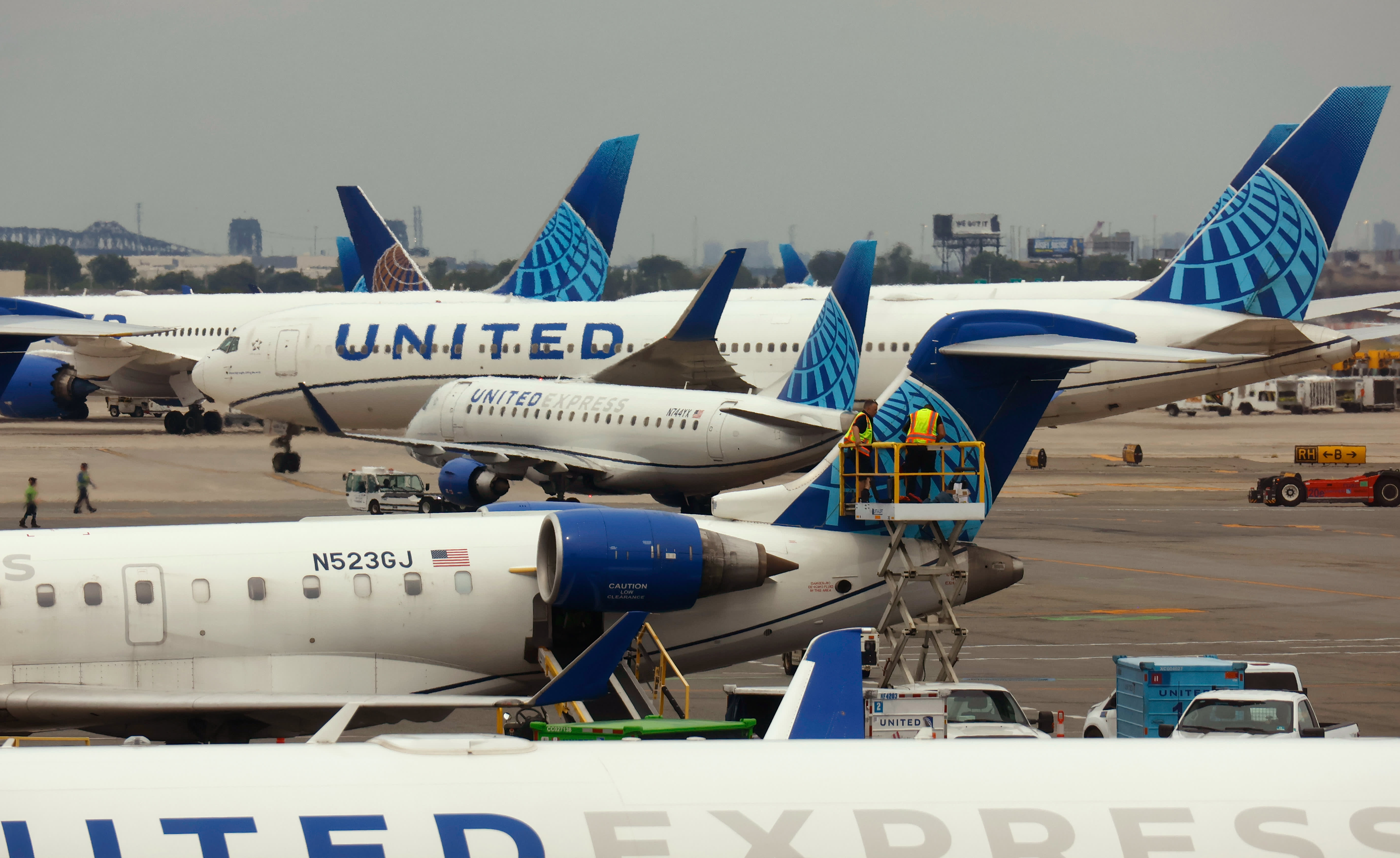
United Airlines 2027 Status Changes: Why Earning Top Tier is Getting Harder
United Airlines is removing flight segment requirements to reach elite status. Discover how the new points-based system works and what it means for your travel rewards.
US-EU Double Standards Exposed: Trump's Russia Diesel Deal Sparks Global Outcry
Trump's deal to buy Russian diesel while sanctioning others reveals a hypocritical US energy policy amid rising global inflation.

Walmart Expands Employee Healthcare: Free GLP-1s, Insulin, and More
Walmart is covering over 250 prescriptions, including insulin and GLP-1s, at no cost. Discover how the retail giant is reshaping employee benefits amid rising healthcare costs.
Latest Articles
- Travelers Beware: How Scammers Impersonate Consular Staff
- Ukraine Claims Drone Attacks Reduced Russian Online Propaganda
- Saudi Crown Prince's Evacuation: Escalating Conflict Threatens Vision 2030
- FAA warns U.S. airlines of safety risks over Saudi Arabia after attacks
- McDonald's Chicken and Beverage Strategy Faces Intense Competition
- Delta Air Lines Delays Saudi Arabia Launch Due to Airport Security Threats