Hyundai's U.S. Surge: How the Korean Giant Became the Fastest-Growing Automaker
Hyundai Motor Group has outpaced every major automaker in U.S. market share growth since 2020. Explore the strategy, investments, and challenges behind its meteoric rise.
Source: CNBC
Hyundai Motor Group has quietly become the most successful automaker in the United States this decade, outpacing every major competitor in market share gains. While Tesla grabs headlines and legacy giants struggle to adapt, Hyundai, Kia, and Genesis have surged from 8.4% to 11.8% market share since 2020—a feat unmatched by any other automaker. With a $26 billion investment plan and a new Georgia plant, Hyundai is betting big on American soil. But can it sustain this momentum in a market defined by tariffs, EV shifts, and intense competition?
Key Highlights
- Market Share Growth: Hyundai Motor Group's U.S. market share jumped from 8.4% in 2020 to 11.8% in the first half of 2026, according to Mobility Global. This 3.4 percentage point increase dwarfs Tesla's 2.1 point gain, the closest competitor.
- Sales Surge: The group's U.S. sales grew 50% between 2020 and 2025, making it the fourth best-selling automaker in the country. Kia and Hyundai each saw roughly 45% sales growth, driven by a reputation for offering more features than expected at competitive prices.
- Georgia Metaplant: The $7.6 billion facility in Georgia is central to Hyundai's U.S. strategy. Currently producing the Ioniq 5, Ioniq 9, and Kia Sportage hybrid, the plant's capacity may expand from 500,000 to 800,000 units by 2028, potentially making it the largest vehicle assembly plant in the U.S.
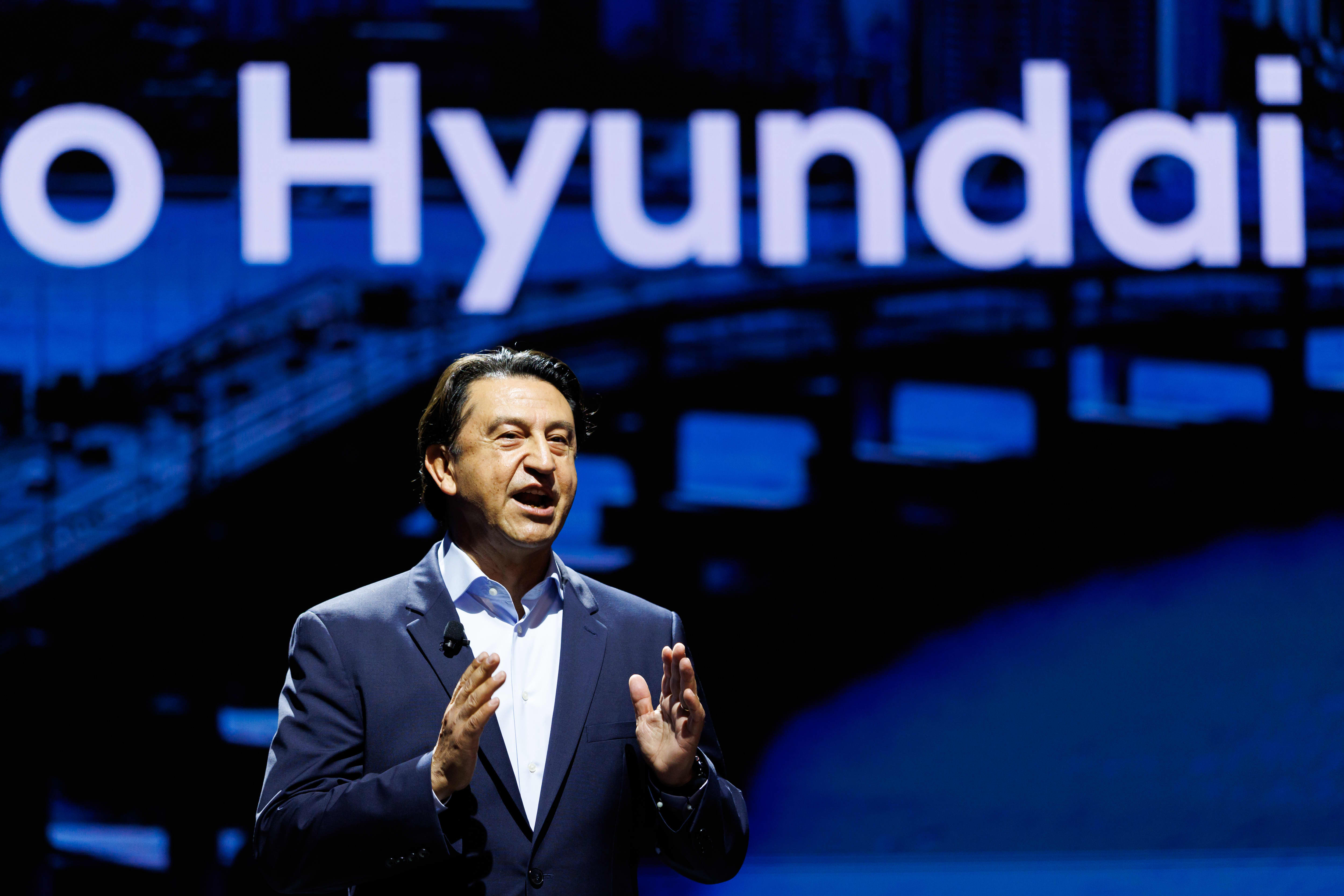
- Localization Push: Hyundai aims to produce at least 80% of its U.S.-sold vehicles domestically by 2030, up from 40% in 2024. CEO José Muñoz credits tariffs on South Korean autos for accelerating this plan, which was already in motion.
- Global Ambitions: Under the "Bold 2030 Vision," Hyundai targets 5.55 million global vehicle sales by 2030, a 35% increase from 2025. The U.S. serves as the anchor for profitable growth, with plans to enter new markets and expand its electric and hybrid lineup.
- Genesis Luxury Growth: Genesis, launched a decade ago, became the fastest-selling luxury brand to reach 1 million global sales. The new GV90 flagship SUV, with coach doors and rotating lounge seats, marks a new chapter for the brand.
- Investor Confidence: Hyundai's shares on the Korean exchange have risen nearly 250% since 2020, reflecting strong investor faith in its U.S. strategy.
Deep Dive Analysis
Hyundai's U.S. success is not a stroke of luck but a calculated strategy that aligns with shifting consumer preferences and geopolitical realities. Unlike Tesla, which focuses on EVs, Hyundai offers a diverse portfolio—from entry-level $20,000 models to $100,000 luxury Genesis SUVs—catering to a wide spectrum of buyers. This flexibility allows Hyundai to weather market volatility, such as the recent slowdown in EV demand, by pivoting to hybrids and internal combustion engines.
The Georgia plant is a masterstroke in both economic and political terms. By localizing production, Hyundai mitigates tariff risks and positions itself as an American manufacturer, creating jobs and goodwill. This approach mirrors what Japanese automakers did decades ago, but Hyundai is executing it faster and more aggressively. The potential expansion to 800,000 units signals confidence in sustained demand, but it also carries risks: overcapacity if the market cools or if EV adoption stalls.
Another key factor is leadership. José Muñoz, the first non-Korean CEO, brings a global perspective and a clear focus on the U.S. market. His "USA" priority is more than a slogan—it's reflected in the company's investment decisions and product planning. However, Muñoz's tenure will be tested by challenges such as rising competition from Chinese EV makers, potential trade policy shifts, and the need to maintain brand differentiation across three distinct marques.
The "ha-myeon-dwen-da" philosophy—anything is possible—has driven Hyundai's transformation from a budget brand to a quality value player. But as the market evolves, Hyundai must ensure that its growth is sustainable. The company's commitment to electrification, including extended-range hybrids, suggests it's adapting to the future. Yet, the real test will be whether Hyundai can maintain its edge in a market where consumer loyalty is fickle and technology changes rapidly.
Looking ahead, Hyundai's U.S. journey is far from over. With plans to introduce pickup trucks and body-on-frame SUVs, the company is entering new segments that could further boost sales. If Hyundai executes its 2030 vision, it could become the third-largest automaker in the U.S., challenging the traditional Big Three. But success will depend on its ability to balance growth with profitability, innovation with affordability, and speed with quality.
Frequently Asked Questions
Why is Hyundai growing so fast in the U.S.? Hyundai's growth stems from a combination of factors: aggressive localization to avoid tariffs, a diverse product lineup that appeals to budget and premium buyers, and a reputation for offering more features than competitors at similar price points. The company's investment in U.S. manufacturing and its focus on customer satisfaction have also played crucial roles.
How has the U.S. government's tariff policy affected Hyundai? Tariffs on South Korean autos have accelerated Hyundai's plans to build vehicles in the U.S. Rather than hurting the company, these tariffs prompted Hyundai to expand its Georgia plant, reducing its reliance on imports and aligning with the administration's push for domestic manufacturing. This has turned a potential obstacle into a strategic advantage.
What are Hyundai's plans for electric vehicles in the U.S.? Hyundai is ramping up EV production at its Georgia plant, with models like the Ioniq 5 and Ioniq 9. The company also plans to introduce more electrified vehicles, including extended-range hybrids, by 2030. Hyundai aims to have at least 80% of its U.S. sales produced domestically, with a significant portion being electric or hybrid.
Source: https://www.cnbc.com/2026/08/26/hyundai-sales-us-investment.html
Related posts

Trump Signs Executive Order to Waive Key Sanctions on Russia Amid Energy Crisis
Trump administration exempts major parts of the Graham Bill, including 500% tariffs on Russian imports, to stabilize domestic fuel markets.

Trump's AI to SI Rename: Political Theater or Tech Revolution?
Examining the implications of Trump's controversial decision to replace 'AI' with 'SI' in all US government documents, analyzing the political motivations and global repercussions.
KFC Switches to Coca-Cola After Decades-Long Partnership with Pepsi
Breaking: KFC will replace PepsiCo with Coca-Cola beverages across all U.S. locations by Q1 2027, marking a major shift in the fast-food industry's beverage alliances.

Netflix Appoints Peter Rice as New Chief Content Officer to Revitalize Strategy
Netflix hires former Disney executive Peter Rice to lead content, replacing Bela Bajaria amid declining viewership and a massive workforce cut.

Nike's India Campus Strategy Amid China Sales Decline
Nike invests in Bengaluru campus as growth strategy while facing 26% revenue drop in China market.
China's Diplomatic Stance on Philippines: Navigating Tensions and Seeking Stability
China urges the Philippines to accurately understand its stance on improving bilateral relations amidst rising tensions and military rhetoric.
US Restrictions on Chinese Drones Backfire as Performance Gap Widens
American bans on Chinese drones are causing significant problems across multiple industries, with police departments and construction firms struggling to find affordable alternatives that match Chinese technology.

Strait of Hormuz Attacks Surge as Iran Seeks to Influence US Midterm Elections
Recent spike in vessel attacks in the Strait of Hormuz reveals Iran's strategy to impact global oil markets and US politics amid escalating tensions.
Latest Articles
- Southwest Airlines Overhauls Loyalty Program with New Tiers and Benefits
- Oregon School Shooting: Tragedy Sparks Debate on Gun Control
- The Billionaire Space Race: Musk vs. Bezos
- JetBlue BlueFirst: New Domestic First Class for Under $300
- Bank of America Spends Billions to Patch AI-Exposed Flaws
- Zelensky Announces Resumption of Strikes on Russian Oil Refineries