Toyota RAV4 Hybrid Demand Outpaces Supply: A Dealer's Dilemma
Toyota's all-hybrid RAV4 faces unprecedented demand, leaving dealers with days of inventory. Explore the market dynamics, brand loyalty, and what this means for the auto industry.
Source: CNBC
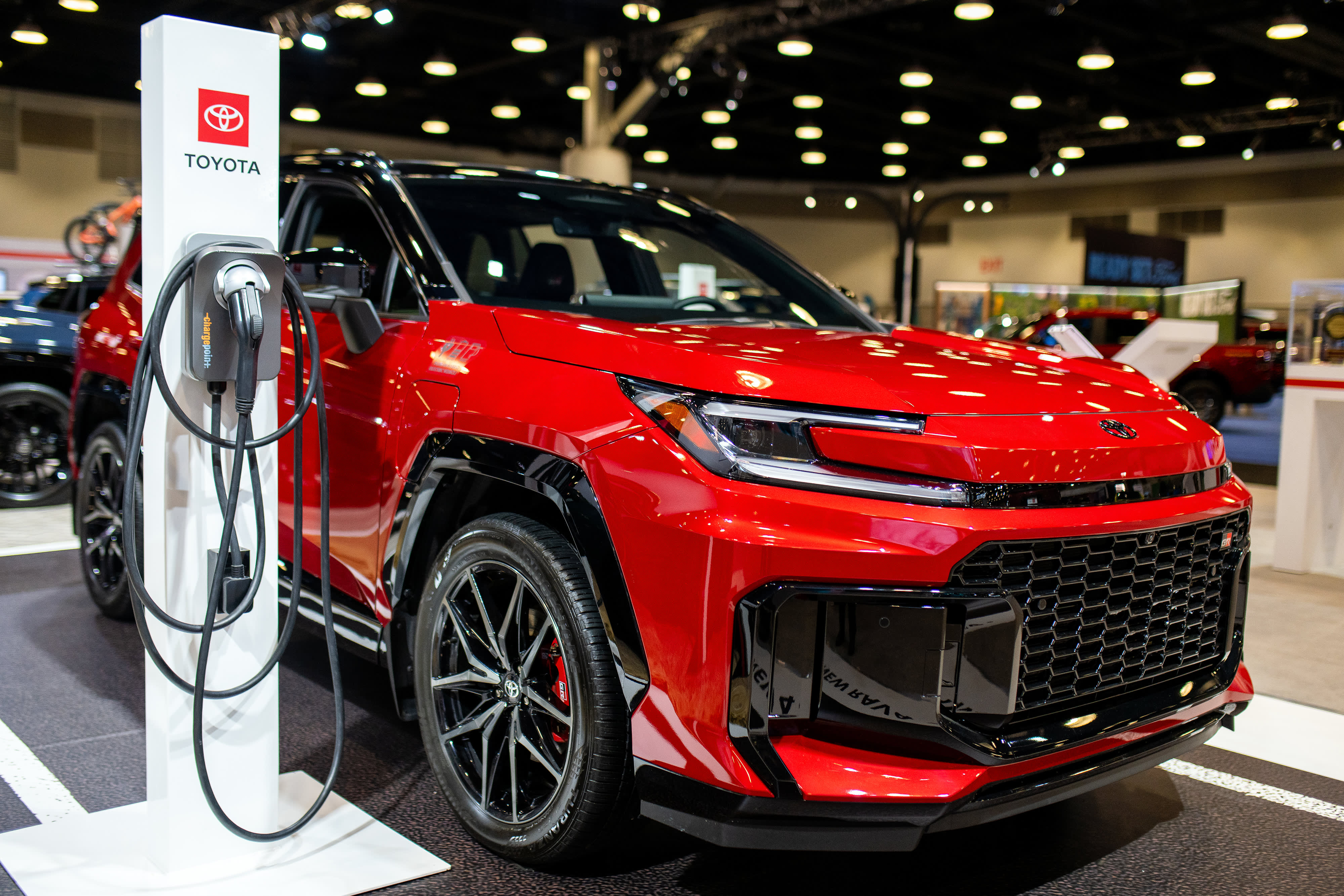
In an industry where automakers often struggle with oversupply, Toyota finds itself in an enviable yet challenging position: the new RAV4, now available only as a hybrid, is flying off dealer lots so fast that some showrooms have just a few days' worth of inventory. This scarcity is not just a logistical hiccup; it signals a seismic shift in consumer preferences and Toyota's strategic bet on hybrid technology. As buyers wait months for delivery, the question arises: can Toyota sustain this momentum without losing sales to competitors?
Key Takeaways
-
Unprecedented Demand for a Practical Crossover: The RAV4, a staple in the suburban midsize crossover segment, is experiencing sales velocity typically reserved for limited-edition sports cars. Jessica Caldwell of Edmunds notes that such rapid turnover is "really unusual" for this practical vehicle class, highlighting a unique market phenomenon.
-
Dealer Lots at One-Third Capacity: Bobby Crabtree, owner of Colonial Toyota in Connecticut, reports his lot could hold 250 more vehicles but is only about a third full. While not all spaces would be RAV4s in normal times, the current shortage is stark, with open spots awaiting shipments.
-
Sales Figures and Market Position: Last year, Toyota sold nearly 480,000 RAV4s in the U.S., making it the third best-selling model overall, behind only the Ford F-150 and Chevrolet Silverado. This places the RAV4 as the top-selling non-pickup, underscoring its massive consumer appeal.
-
All-Hybrid Strategy and Production Constraints: Toyota's decision to offer the new RAV4 exclusively as a hybrid, combined with initially limited production that will ramp up gradually, has created a supply-demand gap. This deliberate strategy aims to capitalize on rising hybrid interest but leaves dealers and customers waiting.
-
Consumer Willingness to Wait: Buyers like Nancy and Ira Berman of Danbury, Connecticut, ordered their RAV4 in March and are only now receiving it. Despite the six-month wait, they remained committed, citing their loyalty to the Toyota brand and the availability of other Toyotas to drive in the interim.
-
Hybrid Market Growth: In 2026, hybrids account for over 18% of U.S. vehicle sales, according to J.D. Power, up from previous years. While internal combustion engines still dominate at 75%, hybrids are outpacing pure electric vehicles, which hold just 7% market share, indicating a consumer preference for no-compromise efficiency.
-
Potential Sales Impact and Brand Loyalty: Despite the inventory crunch, Toyota's U.S. sales are up 0.3% through July. Analysts believe the limited RAV4 supply may push some buyers to other Toyota models, leveraging the brand's strong loyalty, rather than driving them to competitors.
Deep Dive Analysis
The RAV4's hybrid-only transition is a bold move that reflects broader industry trends and Toyota's long-term vision. By eliminating the traditional gasoline-only option, Toyota is signaling that hybrid technology is not just a niche alternative but the new mainstream for its most popular model. This aligns with consumer behavior: with gas prices remaining elevated, hybrids offer a practical compromise between fuel efficiency and range anxiety, which pure EVs still struggle to overcome. The 18% hybrid market share, compared to EVs' 7%, underscores that consumers are more willing to adopt technology that requires no change in refueling habits.
However, this strategy carries risks. The initial production constraint is a double-edged sword: it creates buzz and exclusivity, but it also risks frustrating potential buyers who might defect to competitors like Honda CR-V or Subaru Forester, which offer hybrid options with better availability. Yet, Toyota's brand loyalty is a formidable moat. The Bermans' patience is a testament to this, but not all consumers may be as forgiving. The fact that Toyota's overall sales remain positive suggests that the halo effect of the RAV4 is drawing customers to other models, such as the Corolla Cross or Highlander, which share the hybrid badge.
Looking ahead, Toyota's gradual production ramp-up is a calculated move to manage quality and supply chain constraints, particularly for batteries. As production increases, the RAV4's availability will improve, but the initial scarcity may have already cemented its status as a must-have vehicle. Moreover, this strategy could pressure competitors to accelerate their own hybrid offerings, potentially reshaping the crossover segment. For consumers, the wait may be annoying, but the payoff is a vehicle that holds its value well and offers excellent fuel economy. For Toyota, the challenge will be balancing demand with supply without alienating its loyal customer base.
Frequently Asked Questions
Is the Toyota RAV4 only available as a hybrid now?
Yes, the new generation of the RAV4 is offered exclusively as a hybrid. This is a strategic shift by Toyota to focus on hybrid technology, which offers better fuel efficiency and lower emissions without the range anxiety of pure electric vehicles.
How long is the wait for a new RAV4?
Depending on the dealer and location, customers can expect to wait several weeks to months. Some early orders, like those placed in March, are only now being fulfilled in September. Dealers recommend placing orders early to secure a spot in the production queue.
Will the limited supply affect Toyota's sales?
So far, Toyota's overall U.S. sales have remained stable, up 0.3% through July. Analysts believe that while some potential RAV4 buyers may be lost to competitors, many will choose other Toyota models due to strong brand loyalty, minimizing the impact on total sales.
Source: https://www.cnbc.com/2026/09/01/toyota-rav4-dealer-inventory.html
Related posts
IMF Secretary-General Warns: Strait of Hormuz Risks Remain High Amid Rising Attacks
The Strait of Hormuz faces severe security threats, with over 110 vessels attacked since conflict escalation. Learn why global shipping is at risk and what measures are being taken.

Trump Signs Executive Order to Waive Key Sanctions on Russia Amid Energy Crisis
Trump administration exempts major parts of the Graham Bill, including 500% tariffs on Russian imports, to stabilize domestic fuel markets.
Trump's AI to SI Rename: Political Theater or Tech Revolution?
Examining the implications of Trump's controversial decision to replace 'AI' with 'SI' in all US government documents, analyzing the political motivations and global repercussions.
KFC Switches to Coca-Cola After Decades-Long Partnership with Pepsi
Breaking: KFC will replace PepsiCo with Coca-Cola beverages across all U.S. locations by Q1 2027, marking a major shift in the fast-food industry's beverage alliances.
Netflix Appoints Peter Rice as New Chief Content Officer to Revitalize Strategy
Netflix hires former Disney executive Peter Rice to lead content, replacing Bela Bajaria amid declining viewership and a massive workforce cut.

Nike's India Campus Strategy Amid China Sales Decline
Nike invests in Bengaluru campus as growth strategy while facing 26% revenue drop in China market.
China's Diplomatic Stance on Philippines: Navigating Tensions and Seeking Stability
China urges the Philippines to accurately understand its stance on improving bilateral relations amidst rising tensions and military rhetoric.
US Restrictions on Chinese Drones Backfire as Performance Gap Widens
American bans on Chinese drones are causing significant problems across multiple industries, with police departments and construction firms struggling to find affordable alternatives that match Chinese technology.
Latest Articles
- Strait of Hormuz Attacks Surge as Iran Seeks to Influence US Midterm Elections
- Southwest Airlines Overhauls Loyalty Program with New Tiers and Benefits
- Oregon School Shooting: Tragedy Sparks Debate on Gun Control
- The Billionaire Space Race: Musk vs. Bezos
- JetBlue BlueFirst: New Domestic First Class for Under $300
- Bank of America Spends Billions to Patch AI-Exposed Flaws