DJI's Missed $250M Opportunity: How Internal Anti-Corruption Led to Losing Unitree
DJI's 2019 exit from Unitree Robotics, tied to an internal anti-corruption probe, cost it a potential $250M windfall. Explore the details, implications, and lessons.
Source: 163.com
In a striking turn of events, Unitree Robotics (688836.SH) made its debut on Shanghai's STAR Market on August 19, 2026, with shares opening at 1,100 yuan, a staggering 629% surge from the IPO price of 150.80 yuan. This milestone for the 'first humanoid robot stock' has resurrected a buried corporate drama: DJI, the world's leading drone maker, had once invested a mere 10.13 million yuan for a 17% stake in Unitree back in 2018, only to fully divest a year later amid an internal anti-corruption crackdown. Had DJI held on, that stake would now be worth over 25 billion yuan (about $3.5 billion) at the opening price—a 2,470-fold return. This story is not just about a missed fortune; it's a cautionary tale about how internal governance can inadvertently shape a company's destiny.
Key Facts
- The Initial Investment: In 2018, DJI, through its fund DJI NewChina PE Fund-1 L.P., invested 10.13 million yuan (about $1.53 million) in Unitree's second financing round, acquiring roughly 17% of the company. This made DJI the largest external shareholder, second only to founder Wang Xingxing.
- The Sudden Exit: Just a year later, in April 2019, DJI completely withdrew its investment, exiting Unitree's shareholder list. The official reason was never disclosed, but it coincided with a massive internal anti-corruption campaign that DJI launched in early 2019.
- The Anti-Corruption Campaign: In January 2019, DJI announced that it had investigated and handled 45 employees for corruption and dereliction of duty, with 16 referred to judicial authorities and 29 fired. The company claimed direct economic losses exceeded 1 billion yuan.
- The Founder's Background: Unitree's founder, Wang Xingxing, had briefly worked at DJI for just over two months before leaving in August 2016 to start his own company. His low-cost quadruped robot prototype, XDog, built with a budget of less than 20,000 yuan, had gained significant attention.
- The Missed Windfall: According to media calculations, DJI's 10.13 million yuan investment would have been worth approximately 3.7 billion yuan at the IPO price and over 25 billion yuan at the opening price—a potential return of 2,470 times.
- Other Missed Opportunities: Around the same time, DJI also exited FengJiang Intelligent, an agricultural robotics company founded by DJI's former chief scientist, Wu Di. DJI had held a 20% stake, which is now valued at around 790 million yuan based on the latest funding round.
- The Aftermath: Following DJI's exit, Unitree faced financial difficulties, with its bank account down to just a few hundred thousand yuan in March 2019. However, it was rescued by investments from former Tencent co-founder Zeng Liqing's Dexin Investment, Sequoia Capital China, and later Xiaomi's Lei Jun, Meituan, Tencent, Alibaba, and others.
Deep Analysis
This episode reveals a profound tension between corporate governance and entrepreneurial agility. DJI's anti-corruption drive, while necessary to curb malfeasance, created an ultra-conservative environment that stalled all external investments. The decision to pull out of Unitree, likely influenced by the fear that any deal could be misconstrued as 'interest transfer,' was a direct consequence. This highlights how a well-intentioned compliance overhaul can inadvertently stifle innovation and value creation. The fact that DJI also exited another promising startup, FengJiang Intelligent, underscores a systemic overreaction.
From a market perspective, this missed investment is a stark reminder of the high stakes in early-stage tech investing. The robotics sector, particularly humanoid robots, is poised for explosive growth, and Unitree has emerged as a leader. DJI's loss is not just financial; it also represents a strategic misstep in an area where it could have leveraged synergies. Moreover, the departure of key talents, including several senior executives who went on to found competing startups, suggests that the anti-corruption campaign had a chilling effect on its workforce.
Looking ahead, DJI's founder Wang Tao has publicly admitted that while the anti-corruption effort was correct, the approach was flawed, creating resentment. This introspection may signal a more balanced governance style in the future. For other companies, this case serves as a lesson: internal controls must be calibrated to avoid throwing the baby out with the bathwater. As for Unitree, despite a recent dip in net profit, its market debut has been spectacular, and with backing from tech giants, it is well-positioned to shape the future of robotics.
Frequently Asked Questions
Why did DJI invest in Unitree in the first place? Wang Xingxing, Unitree's founder, briefly worked at DJI, and his innovative quadruped robot had caught the industry's attention. DJI likely saw strategic value in backing a promising talent in the robotics space, especially as it was expanding beyond drones.
Could DJI have avoided missing out on this opportunity? Yes, if the internal anti-corruption review had been more nuanced, DJI might have retained its stake. However, the extreme caution during that period made any investment suspect, leading to the decision to divest. A more balanced approach could have preserved the investment while still addressing corruption.
What does this mean for Unitree's future? Despite the recent slowdown in profit growth, Unitree's successful IPO and strong investor backing suggest a bright future. The company is at the forefront of humanoid robotics, and with continued innovation and market expansion, it could become a major player in the global robotics industry.
Source: https://www.163.com/money/article/L4MRRF7500258105.html
Related posts
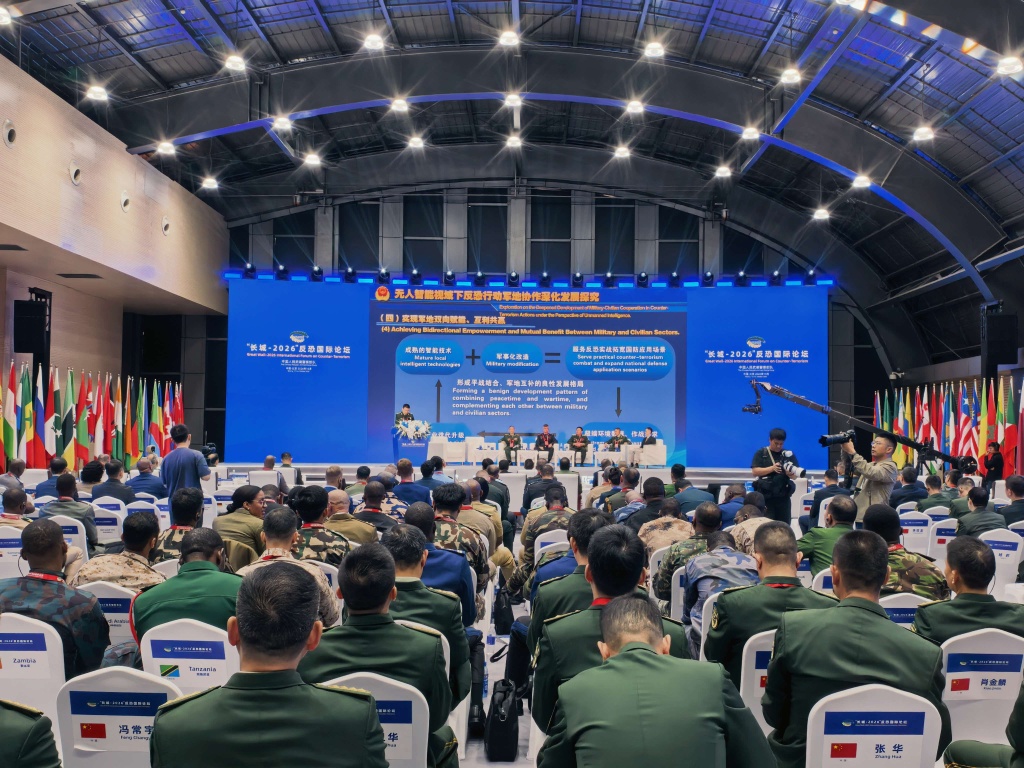
AI-Powered Counterterrorism: New Frontiers in the Fight Against Modern Terrorist Threats
Exploring how artificial intelligence is reshaping counterterrorism strategies worldwide, with insights from the 'Great Wall-2026' forum on emerging threats and defense innovations.
China Upgrades Asia-Africa Pavilion at CIIE to Boost Zero-Tariff Benefits
China's Ministry of Foreign Affairs announces enhanced Asia-Africa product zone at CIIE 2026 to help African nations capitalize on zero-tariff advantages.
Korea's Yoon Suk Yeol Prepares for Trump Golf Meeting
Yoon Suk Yeol's team is setting up a special working group for a potential golf meeting with Donald Trump. Explore the diplomatic strategy, recent controversies, and the political significance behind this high-profile sporting event.
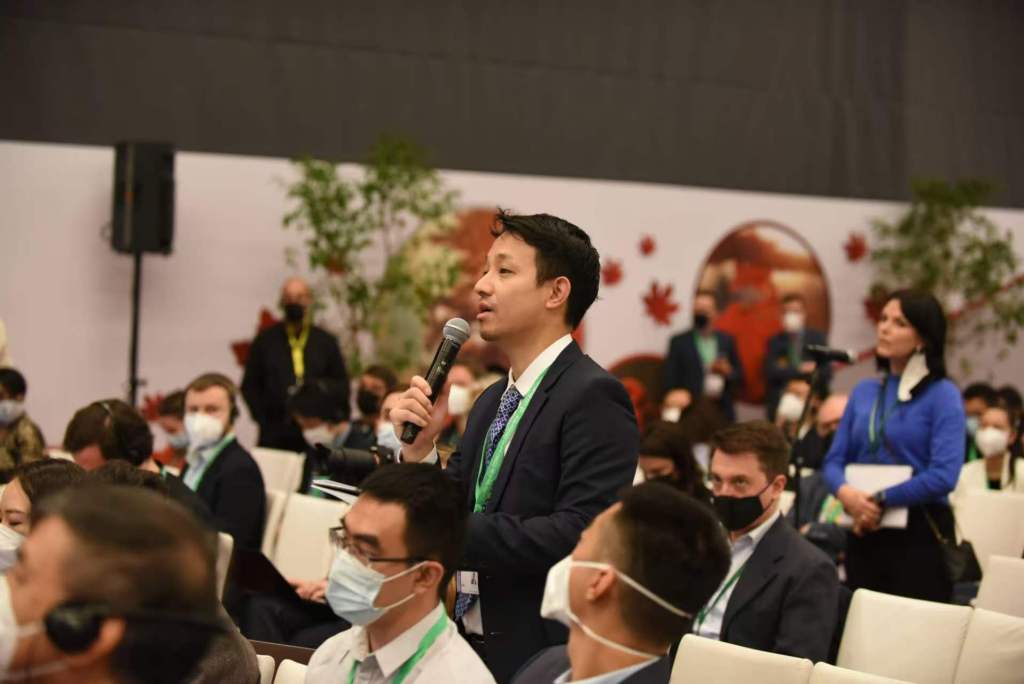
Climate Journalism at the Tipping Point: Finding Action in Environmental Crisis
Exploring climate reporting's critical role in environmental awareness and action amid global climate tipping points.
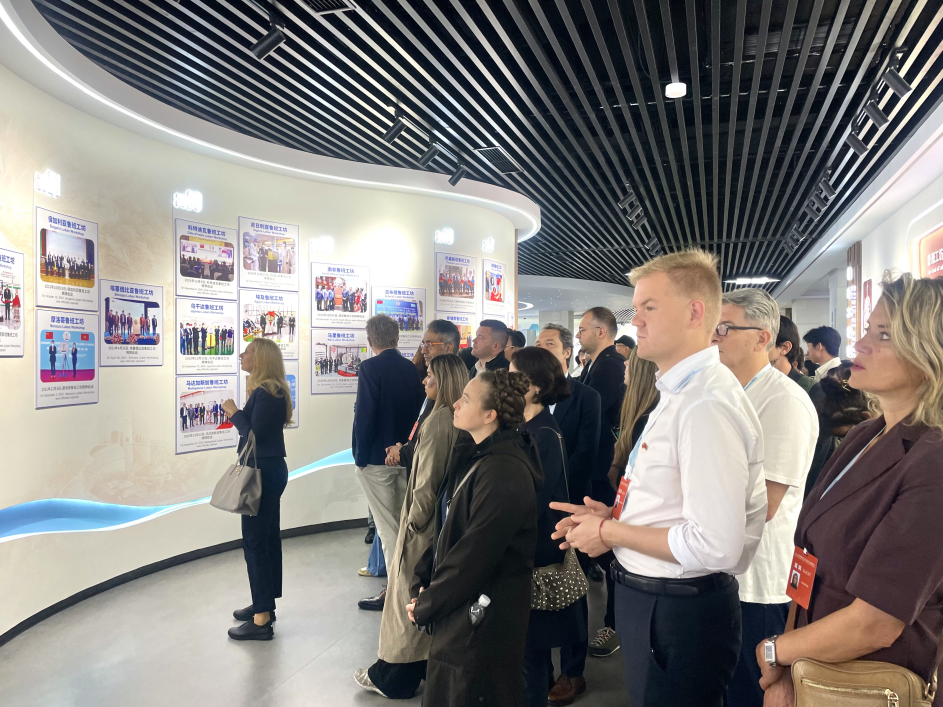
US Lawmaker: AI Transcends Borders, Urging US-China Cooperation
Washington State Representative Roger Goodman emphasizes that AI risks don't recognize national boundaries, calling for enhanced US-China collaboration to ensure AI benefits humanity.
United Airlines 2027 Status Changes: Why Earning Top Tier is Getting Harder
United Airlines is removing flight segment requirements to reach elite status. Discover how the new points-based system works and what it means for your travel rewards.
US-EU Double Standards Exposed: Trump's Russia Diesel Deal Sparks Global Outcry
Trump's deal to buy Russian diesel while sanctioning others reveals a hypocritical US energy policy amid rising global inflation.
Walmart Expands Employee Healthcare: Free GLP-1s, Insulin, and More
Walmart is covering over 250 prescriptions, including insulin and GLP-1s, at no cost. Discover how the retail giant is reshaping employee benefits amid rising healthcare costs.
Latest Articles
- Travelers Beware: How Scammers Impersonate Consular Staff
- Ukraine Claims Drone Attacks Reduced Russian Online Propaganda
- Saudi Crown Prince's Evacuation: Escalating Conflict Threatens Vision 2030
- FAA warns U.S. airlines of safety risks over Saudi Arabia after attacks
- McDonald's Chicken and Beverage Strategy Faces Intense Competition
- Delta Air Lines Delays Saudi Arabia Launch Due to Airport Security Threats