China Resources Beer Net Profit Drops 10.7% as Baijiu Drags, But Core Beer Business Holds Steady
China Resources Beer's H1 2026 net profit fell 10.7% due to a one-off gain base effect, while baijiu losses widened to RMB281M. Premium beer sales rose, signaling resilience.
Source: 163.com
China Resources Beer (CR Beer), the country's largest brewer by sales, reported a 10.7% year-on-year decline in net profit for the first half of 2026, a headline that might raise eyebrows. But dig deeper, and the story is less about a weakening core business and more about a one-off gain from the previous year and the persistent struggles of its ambitious baijiu (white spirits) diversification. While beer sales continue to climb, fueled by premiumization, the company's 'second growth curve' remains elusive, raising questions about the strategic fit of its high-stakes bet on the spirits sector.
Key Highlights
-
Net profit fell to RMB5.169 billion in H1 2026, down 10.7% from RMB5.789 billion a year earlier. Revenue grew 1.2% to RMB24.24 billion. The decline is largely attributed to a RMB827 million one-off gain from a Shenzhen headquarters relocation agreement recognized in H1 2025, versus just RMB80 million this year. Excluding this, EBIT was nearly flat at RMB6.801 billion (vs. RMB6.864 billion).
-
Beer business remains resilient: Sales volume reached 6.6 million kiloliters, up 1.7% year-on-year, with revenue rising 2.2% to RMB23.67 billion. Average selling price increased 0.5% due to continued premiumization. Beer EBIT (excluding relocation gains) grew 1.2% to RMB7.119 billion.
-
Premium products are driving growth: Sub-premium and above segment saw over 10% volume growth, now accounting for 26%+ of total sales. Premium and above grew 15%. Heineken brand surged over 20%, while Lao Xue and Red爵 (Red爵) grew over 40% and 80%, respectively. New launches like Snow Golden Crown and Snow German Wheat contributed over 7% to sub-premium volume growth.
-
Baijiu business continues to shrink: Revenue dropped 27.2% to RMB570 million, and segment losses widened from RMB152 million to RMB281 million. EBITDA fell 61.5% to RMB84 million. The unit, primarily Guizhou Jinsha Distillery, saw EBITDA decline from RMB258 million to RMB90 million.
-
Diversification into contract brewing: CR Beer has started offering contract brewing services, with volumes exceeding 50,000 kiloliters in H1. Though small relative to total beer sales, it represents an attempt to utilize capacity and generate new revenue streams.
-
Cash flow and dividends remain solid: Operating cash inflow rose 5.6% to RMB6.729 billion, with net cash of RMB9.022 billion. Interim dividend of RMB0.446 per share, with payout ratio up 2 percentage points to 28%.

In-Depth Analysis
The 10.7% net profit drop is a classic case of base effects distorting underlying performance. The RMB827 million one-off gain from the Shenzhen headquarters relocation in 2025 inflated last year's figures, making this year's decline appear steeper than reality. When stripping out these exceptional items, the beer business actually grew modestly, underscoring the resilience of its premiumization strategy. However, the baijiu segment tells a different story—one of deepening losses and strategic uncertainty.
CR Beer's foray into baijiu, initiated with the acquisition of Guizhou Jinsha Distillery in 2023, was positioned as a 'second growth curve' to counter slowing beer volumes. Yet, the sector is mired in a deep adjustment cycle characterized by high inventories, channel disruptions, and weak consumer demand. The company's admission that it is 'eliminating inefficient and severely defaulting customers' and 'controlling channel stuffing' suggests the integration is proving more challenging than anticipated. The widening losses—from RMB152 million to RMB281 million—highlight the difficulty of turning around a regional baijiu brand in a fiercely competitive market dominated by giants like Moutai and Wuliangye.
Looking ahead, CR Beer faces a critical juncture. The beer business, buoyed by Heineken and local premium brands, shows no signs of stagnation. But the baijiu division's continued contraction could force a strategic rethink. Will the company double down on its 'beer-baijiu dual empowerment' strategy, or will it consider divestment? For now, management remains committed, focusing on direct sales channels and inventory control. Yet, investors are likely to scrutinize whether the baijiu bet will ever deliver the promised returns, especially as the company's core beer business continues to generate steady cash flows that could be deployed elsewhere.
Frequently Asked Questions
Why did China Resources Beer's net profit fall despite higher revenue? The decline is primarily due to a one-off gain of RMB827 million recognized in H1 2025 from a Shenzhen headquarters relocation agreement. In H1 2026, this gain was only RMB80 million. Excluding these exceptional items, underlying profit was nearly flat, indicating the beer business remains stable.
What is the status of the baijiu business, and is it a cause for concern? The baijiu business is struggling, with revenue down 27.2% and losses widening to RMB281 million. The company attributes this to the industry's deep adjustment cycle, high inventories, and channel issues. While management is taking corrective actions, the prolonged underperformance raises questions about the strategic rationale of the acquisition.
How is premiumization impacting CR Beer's performance? Premiumization is a key growth driver. Sub-premium and above products now account for over 26% of sales, with Heineken and local brands like Lao Xue growing strongly. This shift is helping to offset flat overall beer volumes and support average selling prices, contributing to the beer business's resilience.
Source: https://www.163.com/money/article/L4NAU03N00258105.html
Related posts

Walmart Expands Employee Healthcare: Free GLP-1s, Insulin, and More
Walmart is covering over 250 prescriptions, including insulin and GLP-1s, at no cost. Discover how the retail giant is reshaping employee benefits amid rising healthcare costs.
US-EU Double Standards Exposed: Trump's Russia Diesel Deal Sparks Global Outcry
Trump's deal to buy Russian diesel while sanctioning others reveals a hypocritical US energy policy amid rising global inflation.
Travelers Beware: How Scammers Impersonate Consular Staff
Protect your finances from sophisticated impersonation scams targeting Chinese travelers in Laos. Learn how to verify official requests and secure your personal data.
US Lawmaker: AI Transcends Borders, Urging US-China Cooperation
Washington State Representative Roger Goodman emphasizes that AI risks don't recognize national boundaries, calling for enhanced US-China collaboration to ensure AI benefits humanity.
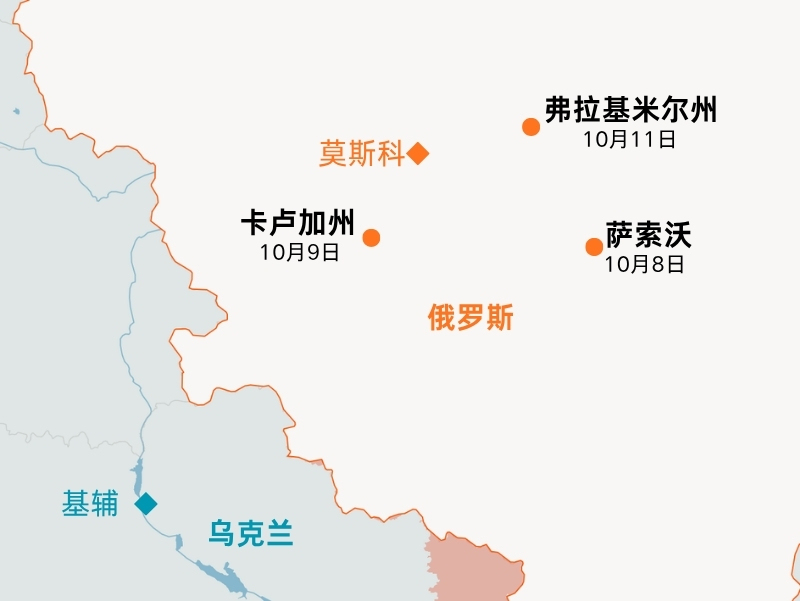
Ukraine Claims Drone Attacks Reduced Russian Online Propaganda
President Zelensky asserts that strikes on Yandex data centers decreased social media bots, though experts question the causal link.
Saudi Crown Prince's Evacuation: Escalating Conflict Threatens Vision 2030
Saudi Arabia faces a critical security crisis as Houthi attacks intensify, forcing the Crown Prince to relocate to fortified bunkers and jeopardizing major economic initiatives.

FAA warns U.S. airlines of safety risks over Saudi Arabia after attacks
FAA warns U.S. airlines of safety risks over Saudi Arabia after attacks. FAA warns U.S. airlines of safety risks over Saudi Arabia after attacks. FAA warns U.S. airlines of safety risks over Saudi Arabia after attacks.
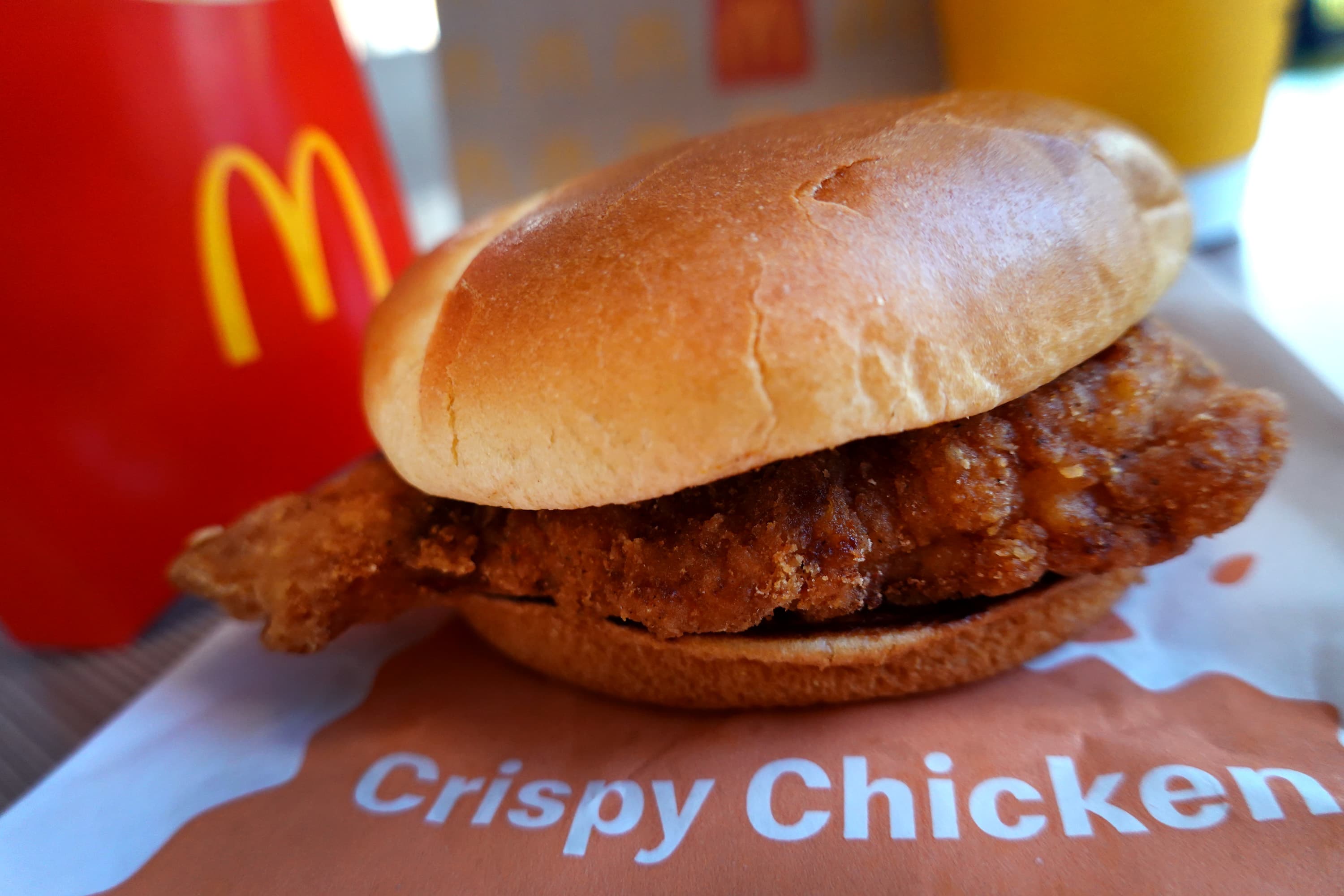
McDonald's Chicken and Beverage Strategy Faces Intense Competition
As McDonald's bets on chicken and beverages for growth, new data shows stiff competition from specialized chains in these categories.
Latest Articles
- Delta Air Lines Delays Saudi Arabia Launch Due to Airport Security Threats
- The Paper Launches New Earth Channel to Address Climate Change
- China's Countermeasures Against Belize's Minister of Foreign Affairs and Trade
- Taiz: The Decisive Battlefield Shaping Yemen's War
- Kalshi Hires Former FBI Agent to Combat Money Laundering Amid Regulatory Scrutiny
- Retailers Streamline Product Offerings to Boost Profitability