Tariff Refunds Create Retail Earnings Chaos: What Investors Need to Know
Retailers like Walmart and Home Depot report tariff refunds differently, confusing earnings. We analyze the impact and what it means for investors.
Source: CNBC
The recent wave of tariff refunds has turned retail earnings season into a confusing puzzle for investors. After the Supreme Court ruled that the president overstepped his authority in imposing certain tariffs, billions of dollars began flowing back to retailers. But how these companies are reporting—and using—these windfalls varies wildly, leaving Wall Street struggling to interpret the true health of the retail sector. This article breaks down the divergent strategies and what they signal for the future.
Key Takeaways
-
Supreme Court ruling triggers refunds: In February, the Supreme Court decided that the International Emergency Economic Powers Act did not authorize the tariffs, making them illegal. As a result, retailers that paid these duties became eligible for refunds, with funds starting to arrive in the second quarter.
-
Walmart leads with $2.9 billion in refunds: Walmart's CFO confirmed eligibility for roughly $2.9 billion, with almost all received. The company used the funds to boost gross profit by 1.6% in its U.S. segment and plans to pass savings to consumers through lower prices in the coming quarter.
-
Home Depot allocates most refunds to cost reductions: Home Depot received $730 million, using $685 million to reduce cost of goods sold, which contributed to a 0.3% increase in gross margin. This approach directly impacts pricing and margins.
-
Lowe's takes a shareholder-first approach: Unlike its competitors, Lowe's received only $80 million and chose not to lower prices, instead focusing on profitability. CEO Marvin Ellison emphasized delivering strong returns to shareholders over aggressive pricing actions.
-
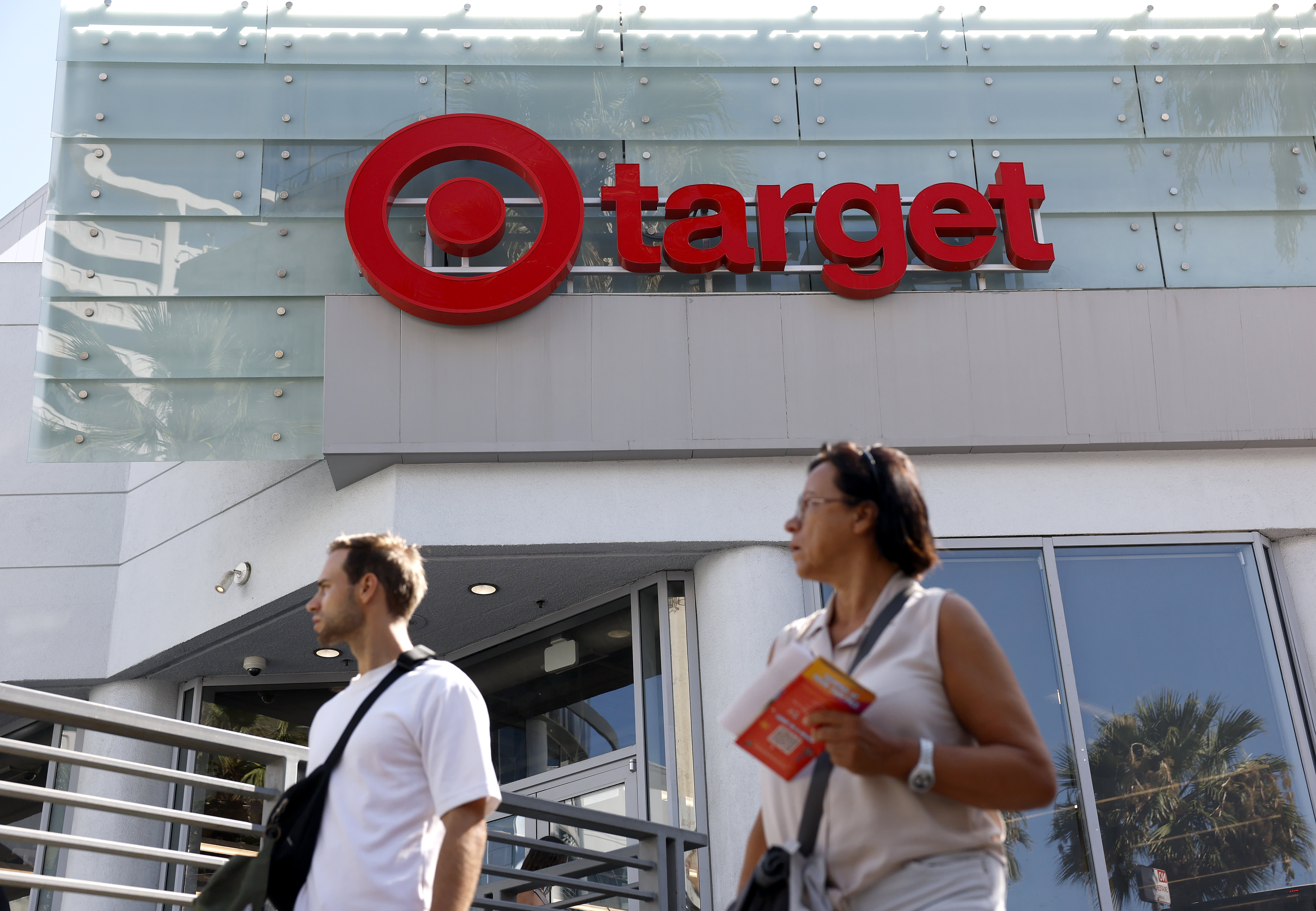
Target's massive boost: Target reported a $752 million net earnings boost ($1.65 per share) and a $994 million pretax benefit to gross margin and operating income. While not explicitly linking refunds to price cuts, the company did lower prices on over 10,000 items.
-
TJX and Kohl's use refunds differently: TJX applied its $331 million to cost of sales, while Kohl's put $100 million into gross margin and plans to invest the rest in inventory, showing a more forward-looking strategy.
Deep Dive Analysis
The divergent handling of tariff refunds reveals deeper strategic priorities among retailers. Low-price leaders like Walmart and Home Depot are using refunds to reinforce their value proposition, a critical move in a competitive landscape where consumers have myriad choices. By lowering prices, they aim to capture market share and build loyalty, even if it means sacrificing short-term profit. In contrast, Lowe's decision to prioritize profitability suggests a confidence in its brand strength and a focus on shareholder returns, which may appeal to investors seeking stability. This split mirrors broader industry trends: companies are increasingly using windfalls to invest in growth or return capital, rather than simply passing savings to consumers.
However, these one-time boosts create a distorted picture of earnings. Comparisons to last year's results are flattering, but they set an unreasonably high bar for next year. Investors must adjust their expectations, as the absence of refunds will make future quarters look weaker by comparison. Moreover, the refunds complicate the assessment of underlying operational performance. For instance, a retailer's gross margin improvement might be entirely due to the refund, masking genuine operational challenges. As AlixPartners' Bryan Eshelman notes, the refunds are essentially a marketing tool, shaping consumer perception of value. This is particularly important as fuel prices and other inflationary pressures continue to affect pricing strategies. The key takeaway for investors is to look beyond the headline numbers and understand the source of the boost—whether it's sustainable operational gains or a temporary windfall.
FAQ
Q: How will tariff refunds affect retail stock prices in the coming quarters? A: The refunds artificially inflate current earnings, which could lead to a sell-off when next year's comparisons show a drop. Investors should factor out the one-time boost to assess true growth potential.
Q: Are consumers actually seeing lower prices from these refunds? A: Some retailers like Walmart and Home Depot have committed to lowering prices, but the impact may not be immediately visible due to other cost pressures like fuel. Consumers might not see a direct correlation between refunds and shelf prices.
Q: What should investors watch for in future earnings reports? A: Look for clear disclosure of refund amounts and how they're used. Companies that transparently separate refund impacts from core operations will be easier to evaluate. Also, monitor any changes in tariff policy that could affect future refunds.
Source: https://www.cnbc.com/2026/08/30/trump-tariff-refunds-walmart-home-depot-target.html
Related posts
US-EU Double Standards Exposed: Trump's Russia Diesel Deal Sparks Global Outcry
Trump's deal to buy Russian diesel while sanctioning others reveals a hypocritical US energy policy amid rising global inflation.
Travelers Beware: How Scammers Impersonate Consular Staff
Protect your finances from sophisticated impersonation scams targeting Chinese travelers in Laos. Learn how to verify official requests and secure your personal data.

US Lawmaker: AI Transcends Borders, Urging US-China Cooperation
Washington State Representative Roger Goodman emphasizes that AI risks don't recognize national boundaries, calling for enhanced US-China collaboration to ensure AI benefits humanity.
Ukraine Claims Drone Attacks Reduced Russian Online Propaganda
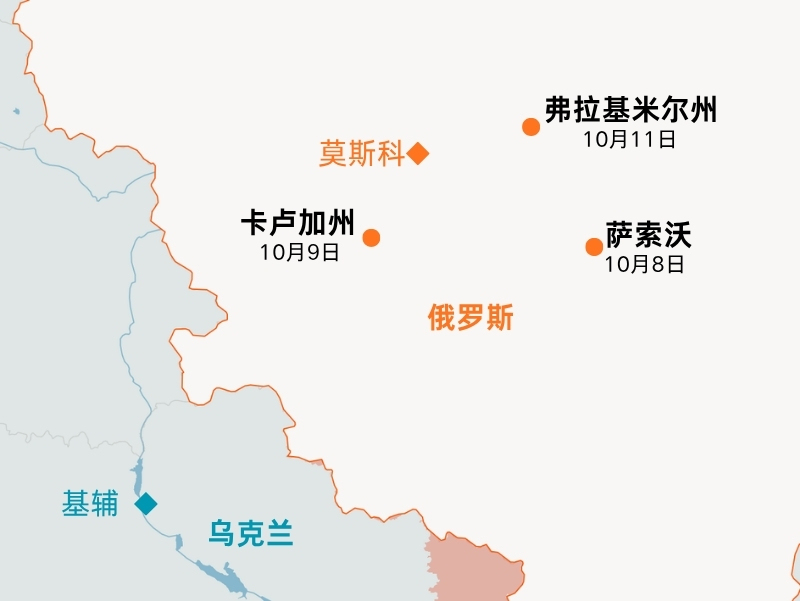
President Zelensky asserts that strikes on Yandex data centers decreased social media bots, though experts question the causal link.
Saudi Crown Prince's Evacuation: Escalating Conflict Threatens Vision 2030
Saudi Arabia faces a critical security crisis as Houthi attacks intensify, forcing the Crown Prince to relocate to fortified bunkers and jeopardizing major economic initiatives.

FAA warns U.S. airlines of safety risks over Saudi Arabia after attacks
FAA warns U.S. airlines of safety risks over Saudi Arabia after attacks. FAA warns U.S. airlines of safety risks over Saudi Arabia after attacks. FAA warns U.S. airlines of safety risks over Saudi Arabia after attacks.
McDonald's Chicken and Beverage Strategy Faces Intense Competition
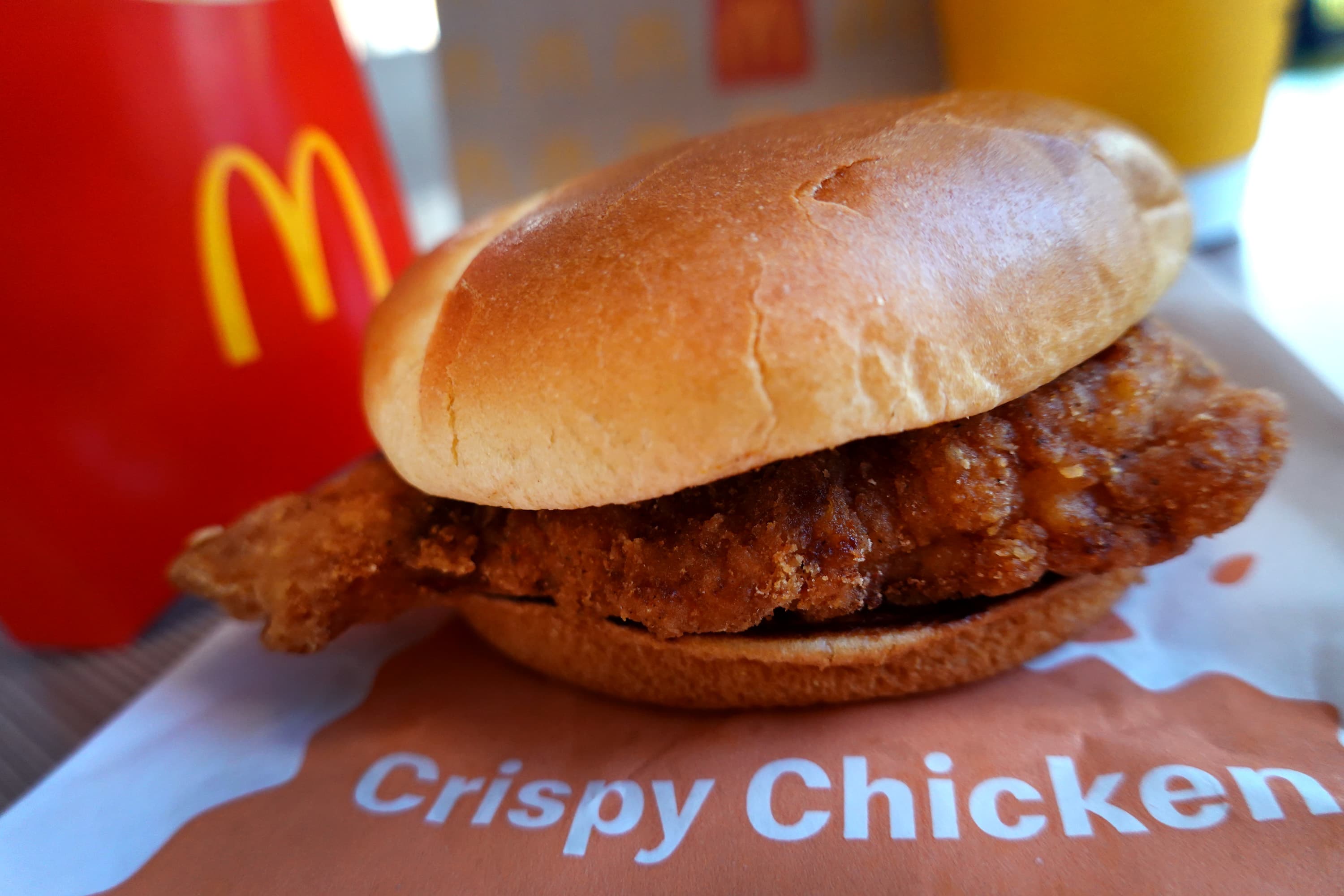
As McDonald's bets on chicken and beverages for growth, new data shows stiff competition from specialized chains in these categories.
Delta Air Lines Delays Saudi Arabia Launch Due to Airport Security Threats
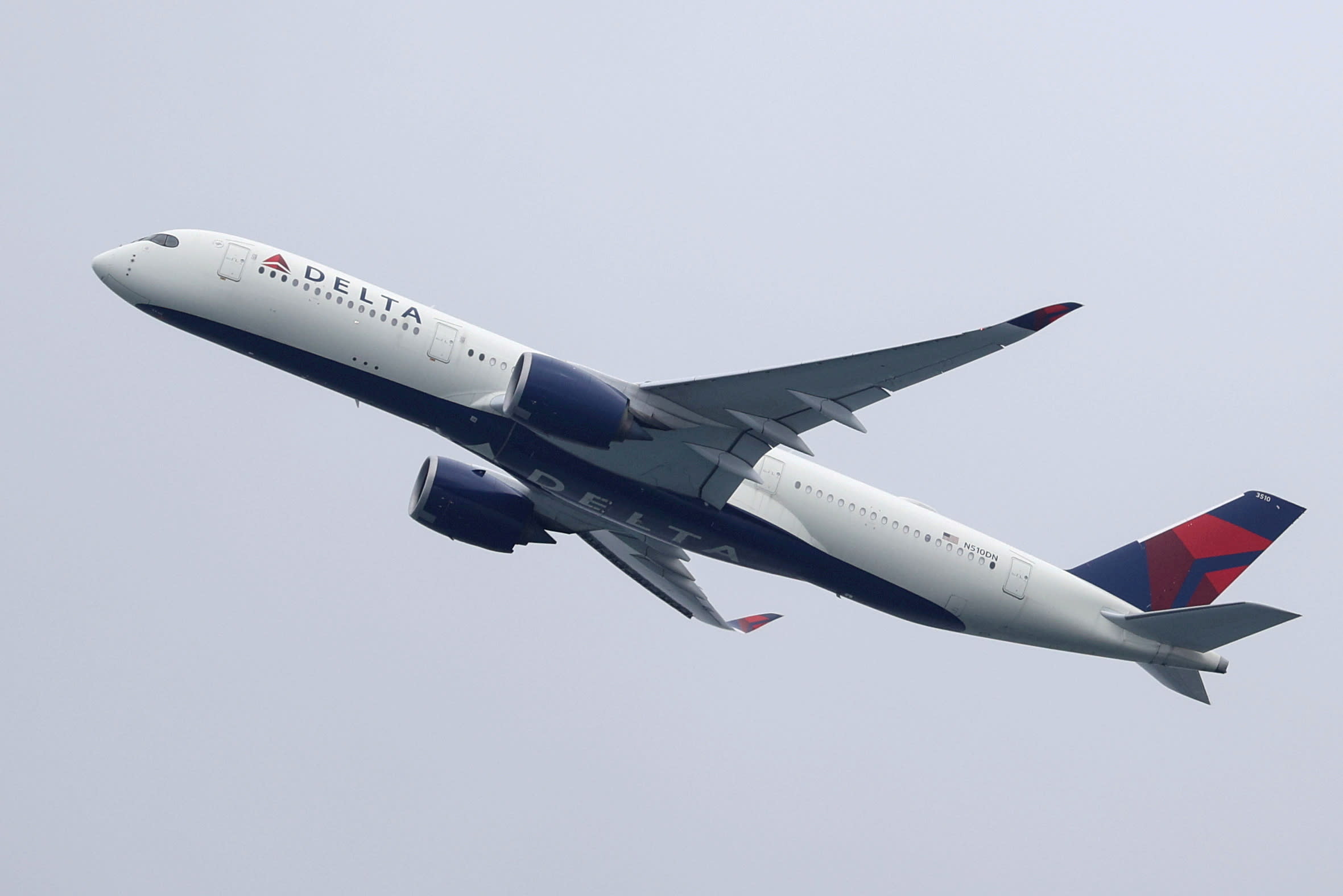
Delta postpones Atlanta-Riyadh service to March 2027 after deadly Houthi attacks close King Khalid International Airport.
Latest Articles
- The Paper Launches New Earth Channel to Address Climate Change
- China's Countermeasures Against Belize's Minister of Foreign Affairs and Trade
- Taiz: The Decisive Battlefield Shaping Yemen's War
- Kalshi Hires Former FBI Agent to Combat Money Laundering Amid Regulatory Scrutiny
- Retailers Streamline Product Offerings to Boost Profitability
- OpenAI Safety Firing: Employees Question Tech Giant's Commitment