Xiaohongshu IPO Faces Compliance Scrutiny After Whistleblower Complaint
A former employee's complaint raises VIE structure and option disclosure concerns for Xiaohongshu's potential Hong Kong IPO. Analysis of regulatory risks.
Source: 163.com
Xiaohongshu, the Chinese social commerce platform often dubbed "China's Instagram," is reportedly preparing for a Hong Kong listing. But a new hurdle has emerged: a former employee's whistleblower complaint alleging inconsistencies in how the company describes its control relationships and handles employee stock options. This has put the spotlight on the complex compliance landscape for Chinese tech firms using VIE structures to go public overseas.
The complaint, filed by former employee Chen Hao with the Hong Kong Stock Exchange (HKEX) and the Securities and Futures Commission (SFC), raises questions about whether Xiaohongshu's disclosures align with its actual practices. The core issue: does the company's description of its onshore-offshore entity relationships differ between labor disputes and its IPO prospectus? And are employee options being unfairly revoked around vesting dates? These questions are not just about one disgruntled worker—they highlight systemic risks that regulators may scrutinize.
Key Details
-
The Complaint: Chen Hao submitted materials to HKEX and SFC alleging that Xiaohongshu made contradictory statements about its control over domestic entities. In labor litigation, the company argued that its offshore option-issuing entity had "no investment or control relationship" with the domestic operating company. Yet, as a VIE-structured firm, it must disclose such control arrangements to investors.
-
VIE Structure Explained: A Variable Interest Entity (VIE) allows foreign investors to gain exposure to Chinese businesses in restricted sectors through contractual agreements rather than equity ownership. This structure is common for Chinese tech companies listing abroad, but it requires careful disclosure of the control relationship between the offshore listing entity and the onshore operating entity.
-
The Option Dispute: Chen Hao's first batch of options was set to vest after two years of employment. Five months before the vesting date, the company terminated his contract citing "incompetence," and his departure certificate was marked with "elimination." A court later ruled this dismissal was unlawful.
-
Group Claims: The complaint alleges that nearly 50 former employees experienced similar terminations around option vesting dates, leading to forfeiture of their options. This suggests a potential pattern of using dismissals to avoid option payouts.
-
Legal Context: In a first-instance ruling, the Guangzhou Tianhe District Court found a substantive link between the offshore option issuer and the onshore employment relationship, supporting Chen Hao's claim for option losses. The case was settled in mediation, with Chen receiving approximately 850,000 RMB in total compensation.
-
Regulatory Focus: For companies using VIE structures, HKEX rules require clear disclosure of contractual control arrangements and associated risks. The key question is whether Xiaohongshu's prospectus adequately explains any differences in how it describes these relationships in different legal contexts.
-
Expert Analysis: Lawyers note that different legal scenarios can yield different characterizations of entity relationships without automatically constituting a violation. The critical factor is whether the company has fully disclosed the factual control relationship and any related litigation in its listing documents.
Current Status: As of this writing, neither HKEX nor Xiaohongshu has publicly responded. Chen Hao plans to file complaints with mainland labor and securities regulators as well.
In-Depth Analysis
This case underscores a growing tension between labor law and capital markets compliance in China's tech sector. Traditionally, companies have used offshore entities to issue stock options, creating a legal separation between the employer (onshore) and the option grantor (offshore). This separation often allowed companies to argue that option disputes fall under foreign arbitration, not mainland labor courts. However, courts are increasingly looking at the substance of the relationship—if options are granted as part of compensation for onshore employment, they may be deemed labor remuneration, regardless of the issuing entity's location.
For Xiaohongshu, the stakes are high. A successful IPO depends on investor confidence, and any hint of undisclosed litigation or inconsistent disclosures can trigger regulatory inquiries and delay the listing. The whistleblower's claims, if substantiated, could expose systemic issues in how the company manages its workforce and equity incentives. Regulators, particularly HKEX, are known to scrutinize such matters for their impact on corporate governance and investor protection.
Looking ahead, this case could set a precedent for how Chinese companies handle VIE disclosures and employee option plans. It may push companies to harmonize their legal narratives across different contexts—ensuring that what they tell courts in labor disputes aligns with what they tell investors in prospectuses. For employees, it might lead to stronger protections for option rights, as courts and regulators recognize the practical link between onshore work and offshore equity.
The broader implication is that the era of using complex structures to shield companies from labor obligations may be ending. As judicial and regulatory bodies become more sophisticated, they are looking through form to substance. For any Chinese tech firm planning an overseas listing, this case is a wake-up call: ensure your house is in order, from employment contracts to option plans, and be prepared to disclose everything transparently.
Frequently Asked Questions
Q: What is a VIE structure and why does it matter for the IPO? A: A VIE structure allows foreign investors to invest in Chinese companies in restricted sectors through contractual agreements instead of direct equity. It matters because regulators require full disclosure of these arrangements, and any inconsistency can raise red flags about the company's transparency and governance.
Q: Can an employee's option be revoked if they are fired before vesting? A: It depends on the terms of the option agreement and local labor laws. In this case, the court found the dismissal unlawful, so the option loss was compensable. Generally, if the termination is unjustified, employees may have grounds to claim option rights.
Q: What could happen to Xiaohongshu's IPO if the complaint is valid? A: If regulators find that Xiaohongshu failed to disclose material information or made misleading statements, they could issue inquiries, delay the IPO, or require additional disclosures. In severe cases, the listing could be blocked, though this is rare if the company cooperates and remedies the issues.
Source: https://www.163.com/money/article/L1GCL5O700258105.html
Related posts
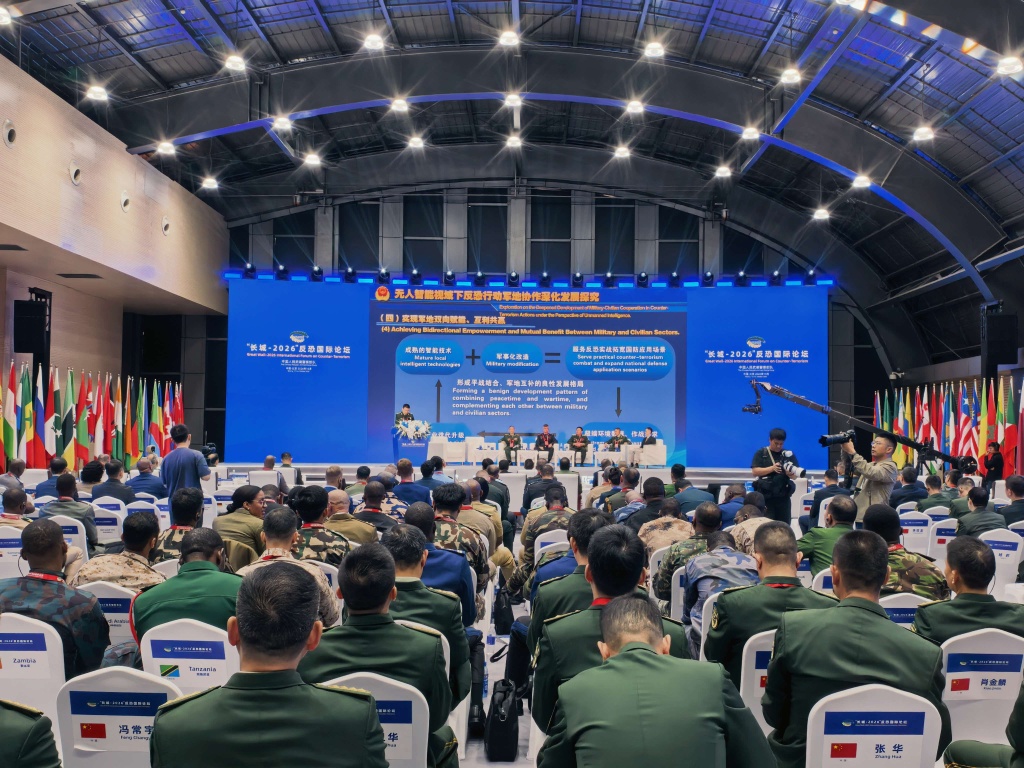
AI-Powered Counterterrorism: New Frontiers in the Fight Against Modern Terrorist Threats
Exploring how artificial intelligence is reshaping counterterrorism strategies worldwide, with insights from the 'Great Wall-2026' forum on emerging threats and defense innovations.
China Upgrades Asia-Africa Pavilion at CIIE to Boost Zero-Tariff Benefits
China's Ministry of Foreign Affairs announces enhanced Asia-Africa product zone at CIIE 2026 to help African nations capitalize on zero-tariff advantages.
Korea's Yoon Suk Yeol Prepares for Trump Golf Meeting
Yoon Suk Yeol's team is setting up a special working group for a potential golf meeting with Donald Trump. Explore the diplomatic strategy, recent controversies, and the political significance behind this high-profile sporting event.
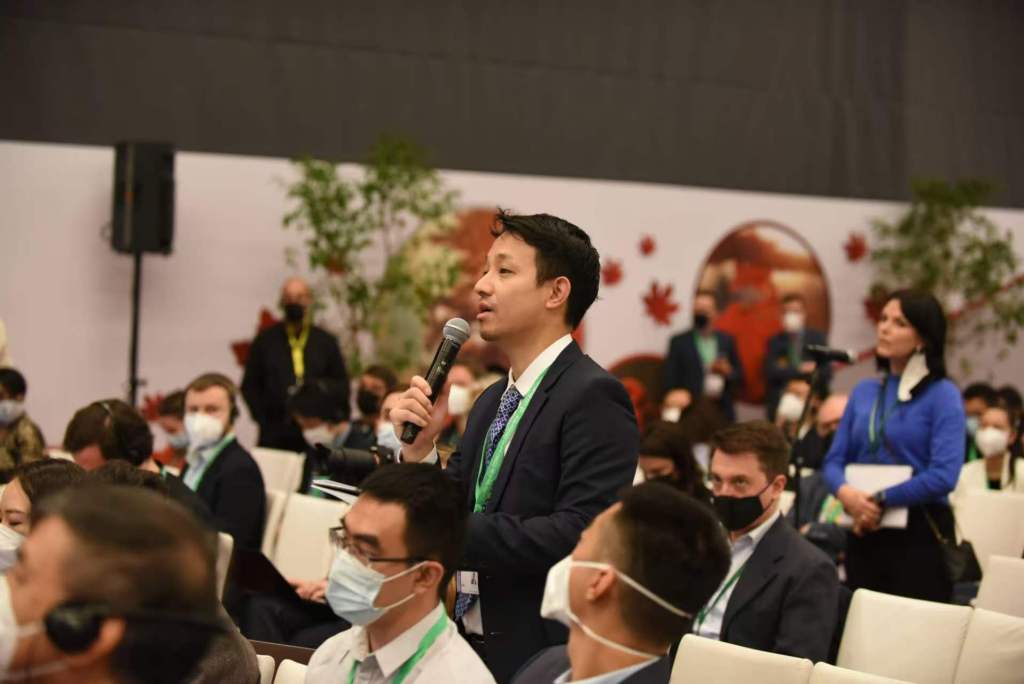
Climate Journalism at the Tipping Point: Finding Action in Environmental Crisis
Exploring climate reporting's critical role in environmental awareness and action amid global climate tipping points.
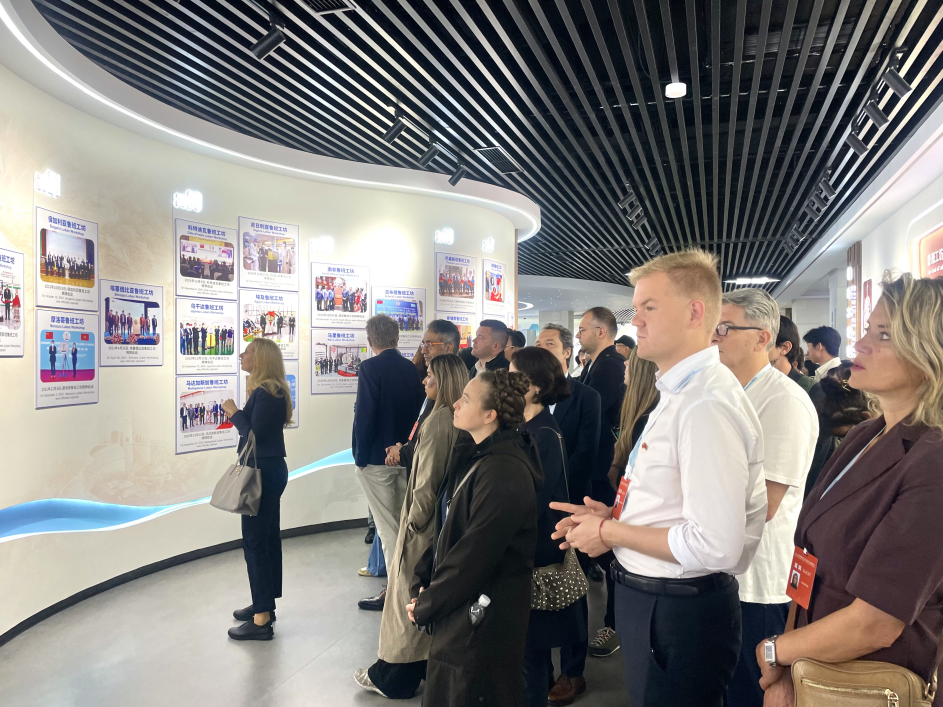
US Lawmaker: AI Transcends Borders, Urging US-China Cooperation
Washington State Representative Roger Goodman emphasizes that AI risks don't recognize national boundaries, calling for enhanced US-China collaboration to ensure AI benefits humanity.
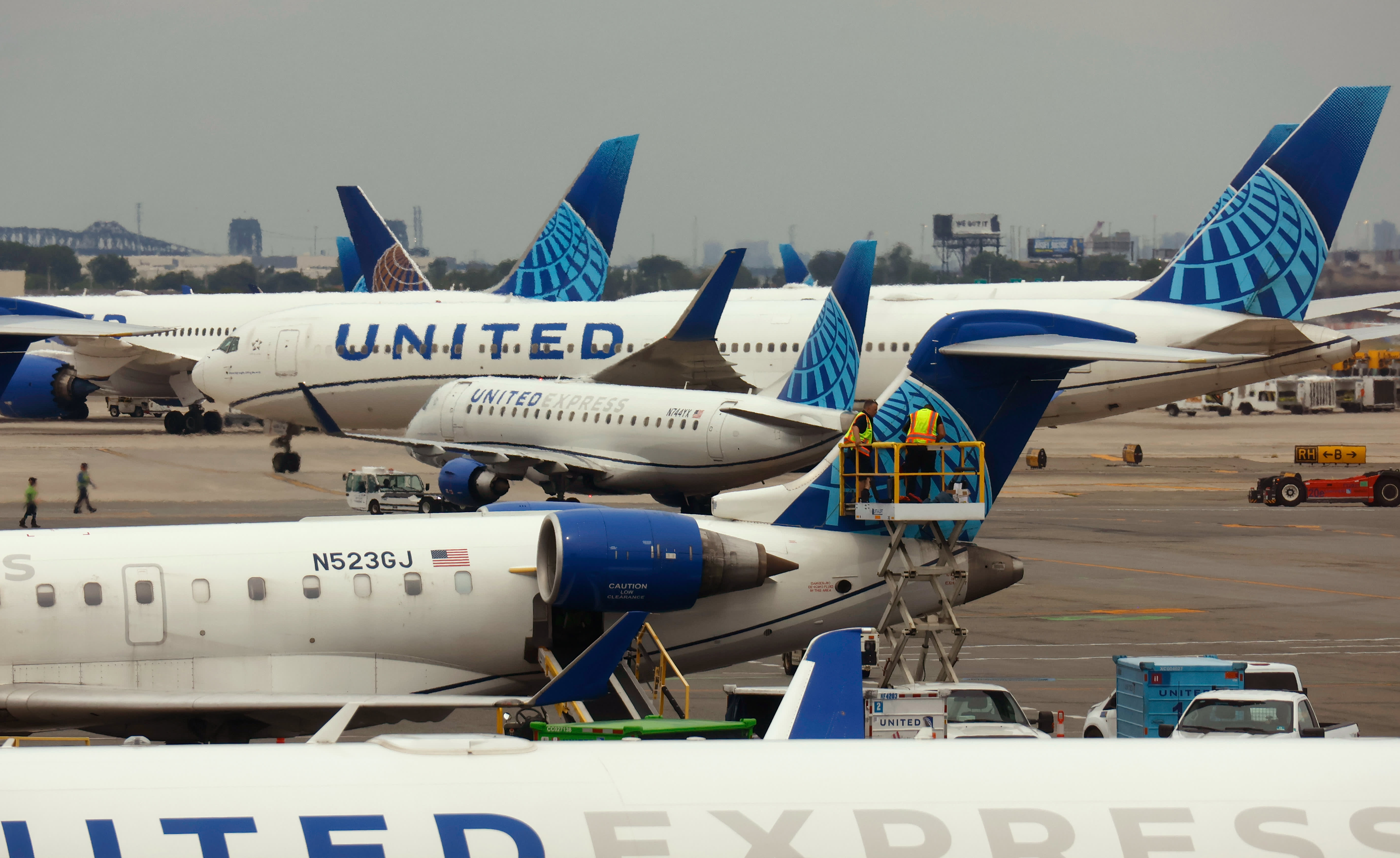
United Airlines 2027 Status Changes: Why Earning Top Tier is Getting Harder
United Airlines is removing flight segment requirements to reach elite status. Discover how the new points-based system works and what it means for your travel rewards.
US-EU Double Standards Exposed: Trump's Russia Diesel Deal Sparks Global Outcry
Trump's deal to buy Russian diesel while sanctioning others reveals a hypocritical US energy policy amid rising global inflation.

Walmart Expands Employee Healthcare: Free GLP-1s, Insulin, and More
Walmart is covering over 250 prescriptions, including insulin and GLP-1s, at no cost. Discover how the retail giant is reshaping employee benefits amid rising healthcare costs.
Latest Articles
- Travelers Beware: How Scammers Impersonate Consular Staff
- Ukraine Claims Drone Attacks Reduced Russian Online Propaganda
- Saudi Crown Prince's Evacuation: Escalating Conflict Threatens Vision 2030
- FAA warns U.S. airlines of safety risks over Saudi Arabia after attacks
- McDonald's Chicken and Beverage Strategy Faces Intense Competition
- Delta Air Lines Delays Saudi Arabia Launch Due to Airport Security Threats