Perfect Diary's 98% Value Plunge: What Went Wrong for China's Once-Star Beauty Brand?
Perfect Diary's parent Yixian E-commerce faces a 98% market cap loss despite revenue growth. Explore the GAAP vs Non-GAAP profit gap, rising marketing costs, and the Sephora pivot.
Source: 163.com
Six years after its blockbuster NYSE debut, Perfect Diary—once hailed as China's answer to L'Oréal—is fighting for relevance. The parent company Yixian E-commerce now trades at a market cap of roughly $300 million, a staggering 98% drop from its $16 billion peak in early 2021. While 2025 brought the first annual Non-GAAP profit, GAAP losses persist, and the company's latest move—entering nearly 300 Sephora stores across China—signals a desperate attempt to pivot from its fading online-first model. This story is a cautionary tale about the limits of traffic-driven growth and the brutal math of brand building.
Key Takeaways
- Market Cap Collapse: Yixian's valuation has shrunk from $16 billion (early 2021) to ~$300 million (July 2026), erasing over 98% of shareholder value. This reflects a fundamental repricing of its business model, not just cyclical losses.
- Profitability Paradox: In 2025, Yixian reported a Non-GAAP net profit of ¥8.4 million—its first since IPO—but under strict GAAP, it still lost ¥92.4 million. Q1 2026 widened the GAAP loss to ¥61.9 million, while Non-GAAP swung to a ¥57.3 million loss.
- Revenue Growth vs. Core Stagnation: Total revenue grew 26.7% in 2025 to ¥4.3 billion, and Q1 2026 saw 22.5% growth. However, the color cosmetics segment—the original growth engine—grew only 1.9% in 2025 and declined 5% in Q1 2026, forcing management to label it a "stable base."
- Marketing Spend Rebound: After years of cost-cutting, marketing expenses rebounded to ¥737 million in Q1 2026, up 33.1% YoY and representing 72.2% of revenue. This drove operating cash flow to a negative ¥90 million.
- Skincare as Savior: Acquisitions (Galénic, Dr.Wu) have made skincare the profit pillar, contributing 53% of 2025 revenue and 56.2% in Q1 2026. Yet this growth relies on external M&A, not organic brand incubation.
- The Sephora Pivot: Entering ~300 Sephora stores aims to rebuild premium credibility, but high costs, fierce competition (YSL, Givenchy, Florasis), and a potential customer mismatch pose significant risks.
- Founder Exodus and Talent Drain: Co-founders Chen Yuwen (2021) and Lü Jianhua (2022) left, followed by a wave of mid-level departures. CEO Huang Jinfeng admitted in 2022 to weaknesses in brand building, organizational structure, and declining productivity.

In-Depth Analysis
The collapse of Perfect Diary's valuation is not merely a story of bad luck or a pandemic; it's a textbook case of a business model that thrived on external tailwinds but failed to build internal moats. From 2017 to 2020, the brand rode three waves: social media traffic (Xiaohongshu, Douyin), venture capital exuberance ($450 million raised), and the window for US IPOs. This "traffic-made-god" era allowed Perfect Diary to become the first domestic brand to top Tmall's makeup charts in 2019. However, when the tide turned—COVID-19 reduced makeup usage, competitors replicated the KOL playbook, and customer acquisition costs soared from ¥80 (2018) to ¥200+ (2025)—the model broke. The company's response was to slash prices, which eroded brand equity further, creating a vicious cycle. From 2020 to 2024, cumulative losses exceeded ¥6.5 billion.
The core issue is that Perfect Diary never established a coherent brand identity. As one former employee noted, "If you erase the logo, there's no consistent association." This lack of brand equity is why the Sephora partnership is a high-stakes gamble. While it offers access to premium shelves, it also exposes the brand to direct comparison with established luxury lines. The company's hope is that skincare acquisitions can provide a more stable, higher-margin foundation. Indeed, skincare revenue grew 63.5% in 2025, and Galénic alone surpassed ¥1.9 billion in GMV. However, this growth is acquisition-dependent; Yixian has yet to prove it can incubate a premium skincare brand from scratch. R&D spending, while increasing 74.2% in Q1 2026 to ¥39.4 million, remains a fraction of L'Oréal's €1 billion+ annual budget. The path forward requires not just channel expansion but a fundamental shift toward brand building, product innovation, and multi-brand synergy. If Yixian can leverage Sephora to elevate Perfect Diary's premium appeal and integrate its acquired brands effectively, it might stabilize. Otherwise, the stock's current valuation may still be too generous.
Frequently Asked Questions
Why did Perfect Diary's stock price drop so dramatically? The drop reflects a loss of investor confidence in the company's growth model. After the initial hype, revenue growth slowed, losses mounted, and the company failed to demonstrate it could build a sustainable multi-brand portfolio. The market repriced the stock from a high-growth disruptor to a struggling incumbent.
Is Perfect Diary profitable? It depends on the accounting standard. Under Non-GAAP, Yixian reported a small profit of ¥8.4 million in 2025, but under GAAP, it lost ¥92.4 million. In Q1 2026, both metrics were negative. The company's profitability is fragile and heavily reliant on excluding one-time items.
Can the Sephora partnership save Perfect Diary? It's a strategic move to rebuild brand prestige, but it's not a silver bullet. Success hinges on whether Perfect Diary can justify premium pricing and foster customer loyalty in a competitive environment. If the brand fails to innovate and differentiate, Sephora will merely be another costly distribution channel.
Source: https://www.163.com/money/article/L1VQSG4600258105.html
Related posts
Travelers Beware: How Scammers Impersonate Consular Staff
Protect your finances from sophisticated impersonation scams targeting Chinese travelers in Laos. Learn how to verify official requests and secure your personal data.
US-EU Double Standards Exposed: Trump's Russia Diesel Deal Sparks Global Outcry
Trump's deal to buy Russian diesel while sanctioning others reveals a hypocritical US energy policy amid rising global inflation.

US Lawmaker: AI Transcends Borders, Urging US-China Cooperation
Washington State Representative Roger Goodman emphasizes that AI risks don't recognize national boundaries, calling for enhanced US-China collaboration to ensure AI benefits humanity.
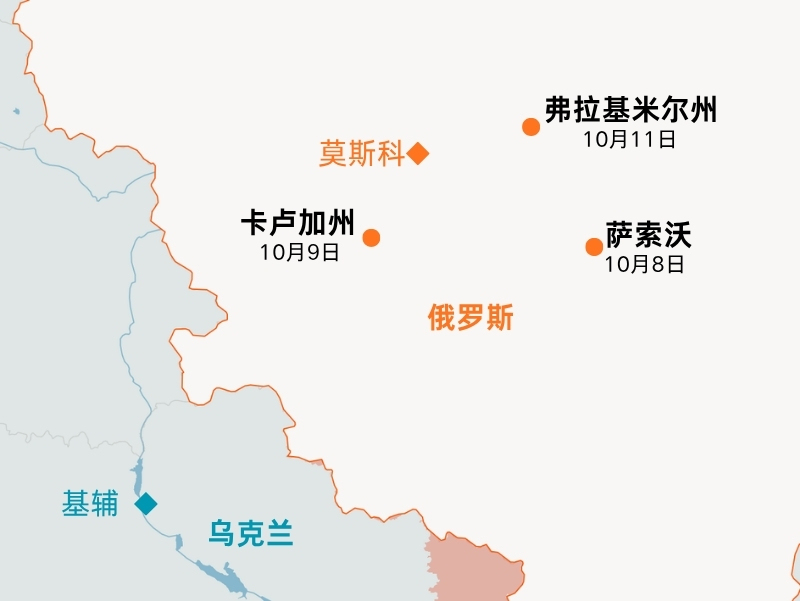
Ukraine Claims Drone Attacks Reduced Russian Online Propaganda
President Zelensky asserts that strikes on Yandex data centers decreased social media bots, though experts question the causal link.
Saudi Crown Prince's Evacuation: Escalating Conflict Threatens Vision 2030
Saudi Arabia faces a critical security crisis as Houthi attacks intensify, forcing the Crown Prince to relocate to fortified bunkers and jeopardizing major economic initiatives.

FAA warns U.S. airlines of safety risks over Saudi Arabia after attacks
FAA warns U.S. airlines of safety risks over Saudi Arabia after attacks. FAA warns U.S. airlines of safety risks over Saudi Arabia after attacks. FAA warns U.S. airlines of safety risks over Saudi Arabia after attacks.
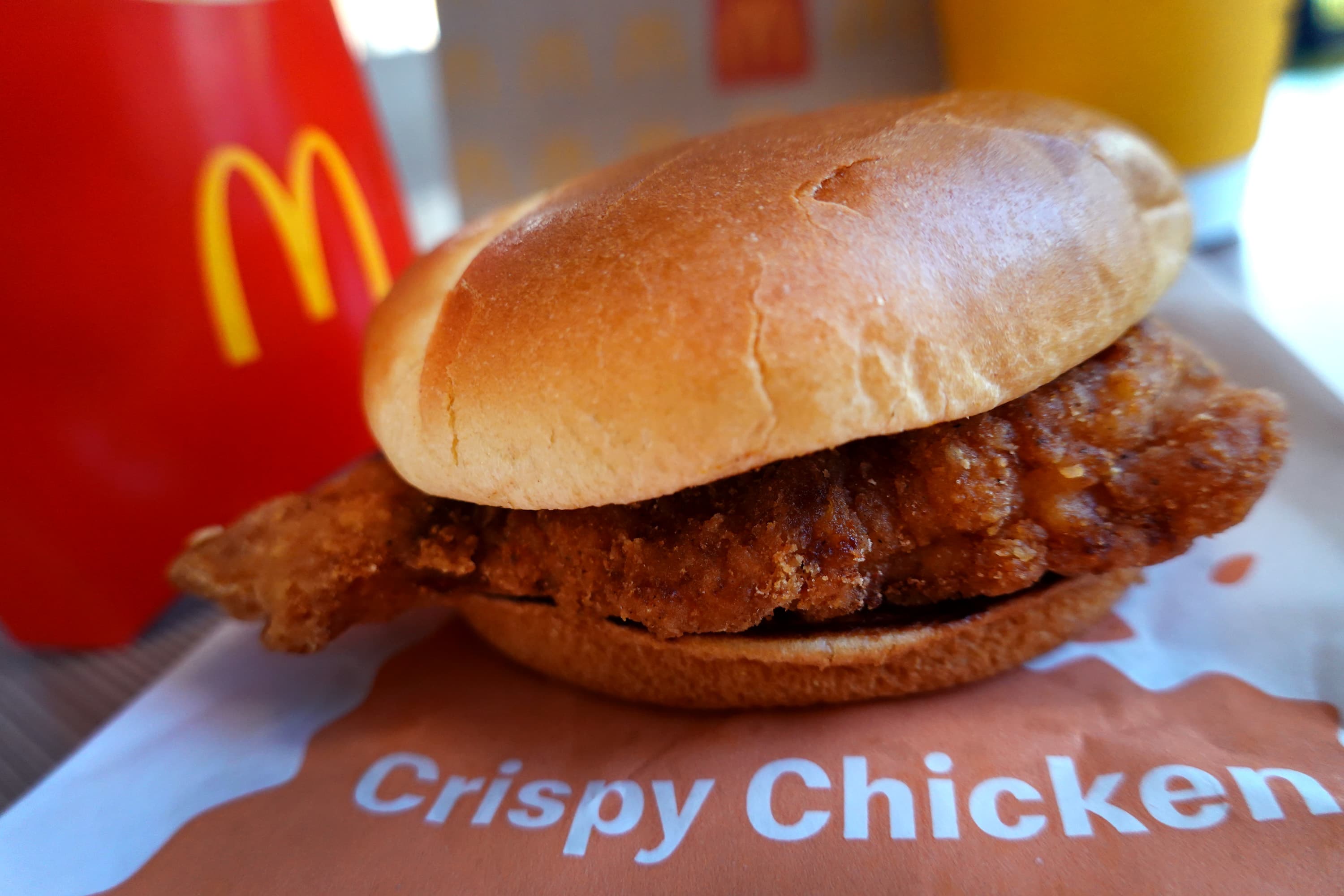
McDonald's Chicken and Beverage Strategy Faces Intense Competition
As McDonald's bets on chicken and beverages for growth, new data shows stiff competition from specialized chains in these categories.
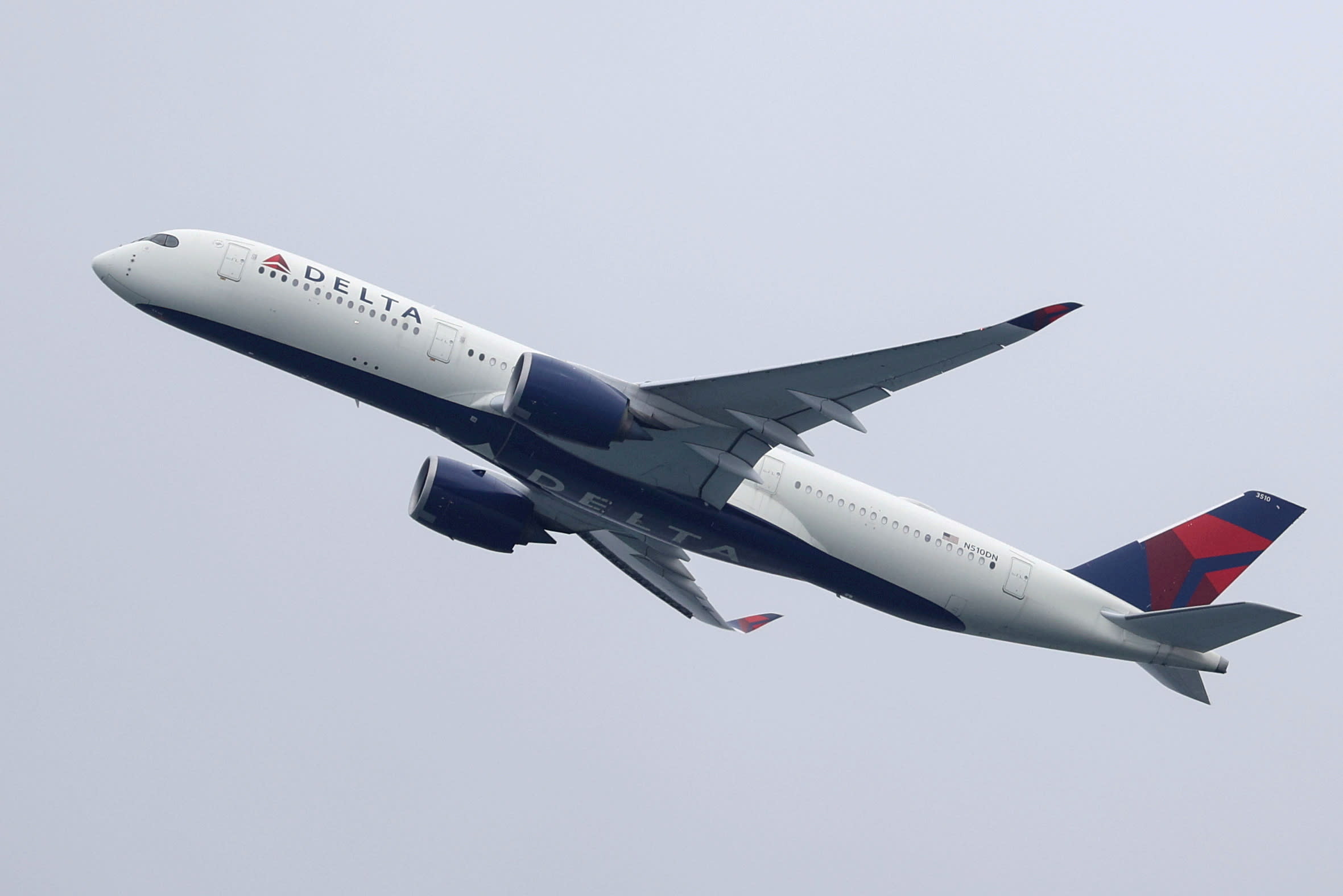
Delta Air Lines Delays Saudi Arabia Launch Due to Airport Security Threats
Delta postpones Atlanta-Riyadh service to March 2027 after deadly Houthi attacks close King Khalid International Airport.
Latest Articles
- The Paper Launches New Earth Channel to Address Climate Change
- China's Countermeasures Against Belize's Minister of Foreign Affairs and Trade
- Taiz: The Decisive Battlefield Shaping Yemen's War
- Kalshi Hires Former FBI Agent to Combat Money Laundering Amid Regulatory Scrutiny
- Retailers Streamline Product Offerings to Boost Profitability
- OpenAI Safety Firing: Employees Question Tech Giant's Commitment