Tariff Troubles: How a Comic Book Store Survives the Trade War
Alter Ego Comics in Ohio faces tariffs, refund uncertainty, and a Canada trade war. A look at small business resilience amid trade policy chaos.
Source: NPR
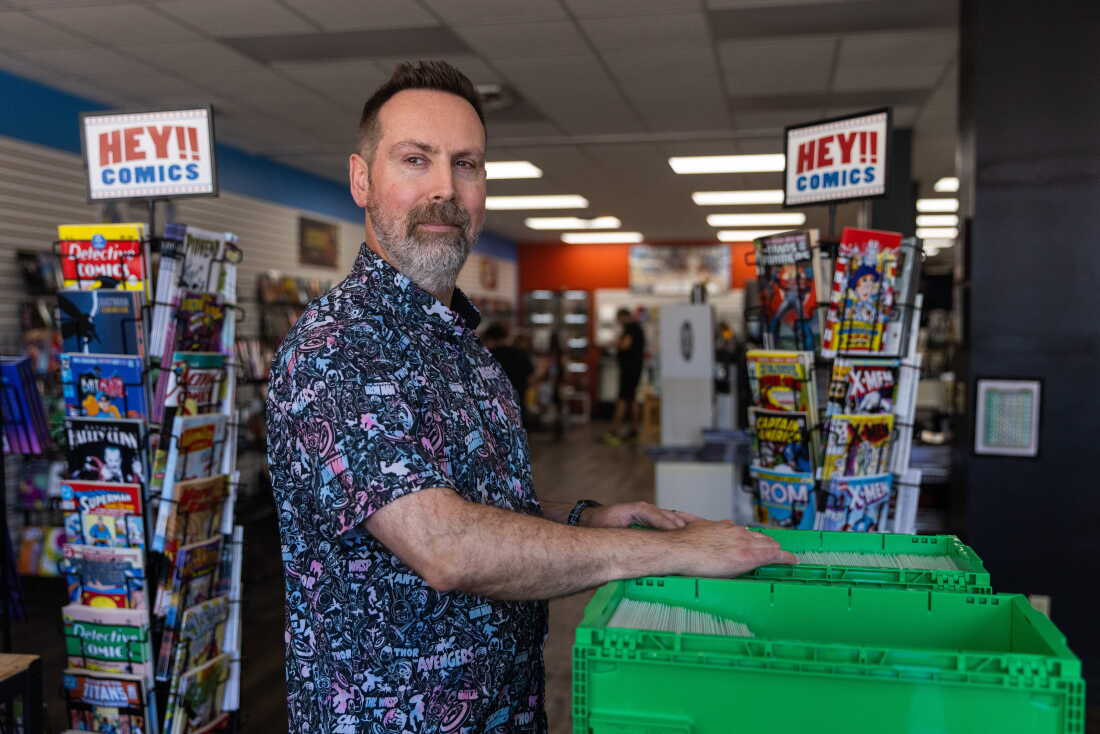
When Marc Bowker opened Alter Ego Comics in Lima, Ohio, he envisioned a sanctuary—a place where customers could escape reality through the pages of their favorite superheroes. But today, the real world is crashing through the four walls of his shop, and it's not a villain from a comic book causing the trouble. It's tariffs.
For over a year, small business owners like Bowker have been caught in the crossfire of U.S. trade policy, facing rising costs, shrinking margins, and a labyrinth of refund processes that seem designed to confuse. With the Supreme Court striking down key tariffs and a new trade war brewing with Canada, the uncertainty is far from over. Here's how one comic book store is navigating the storm.
Key Takeaways
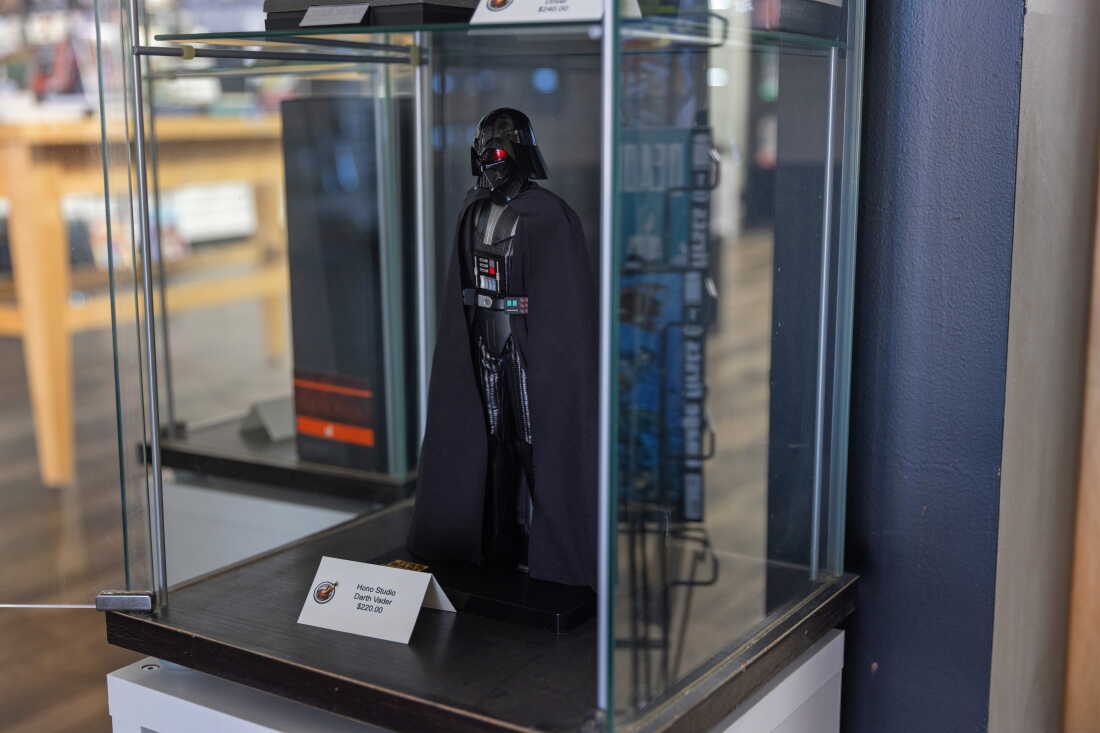
- Tariffs hit the core of the business: Action figures, which make up about 70% of Alter Ego Comics' revenue, were slapped with tariffs as high as 145% on Chinese imports. Bowker has paid over $16,000 in tariffs since the so-called "Liberation Day" tariffs took effect.
- Passing costs to customers backfired: Initially, Bowker added a 3% tariff fee to purchases, but it drove customers away. He eventually removed the fee, absorbing the cost himself, which cut into his profits.
- Sales plummeted: The action figure business dropped by 50% last year, a decline Bowker attributes largely to tariff-induced price hikes.
- Supreme Court ruling offered little relief: In February, the Supreme Court ruled that using IEEPA to impose tariffs was illegal, ordering refunds of over $160 billion. However, Bowker is doubtful he'll see any of his money back because his distributor, Sideshow Collectibles, is the one who paid the tariffs and would need to pass on the refund.
- Distributor hasn't received refunds yet: Sideshow told Bowker they haven't received any refunds from the government, leaving him in limbo. Bowker doesn't want to pressure a company he's worked with for 20 years.
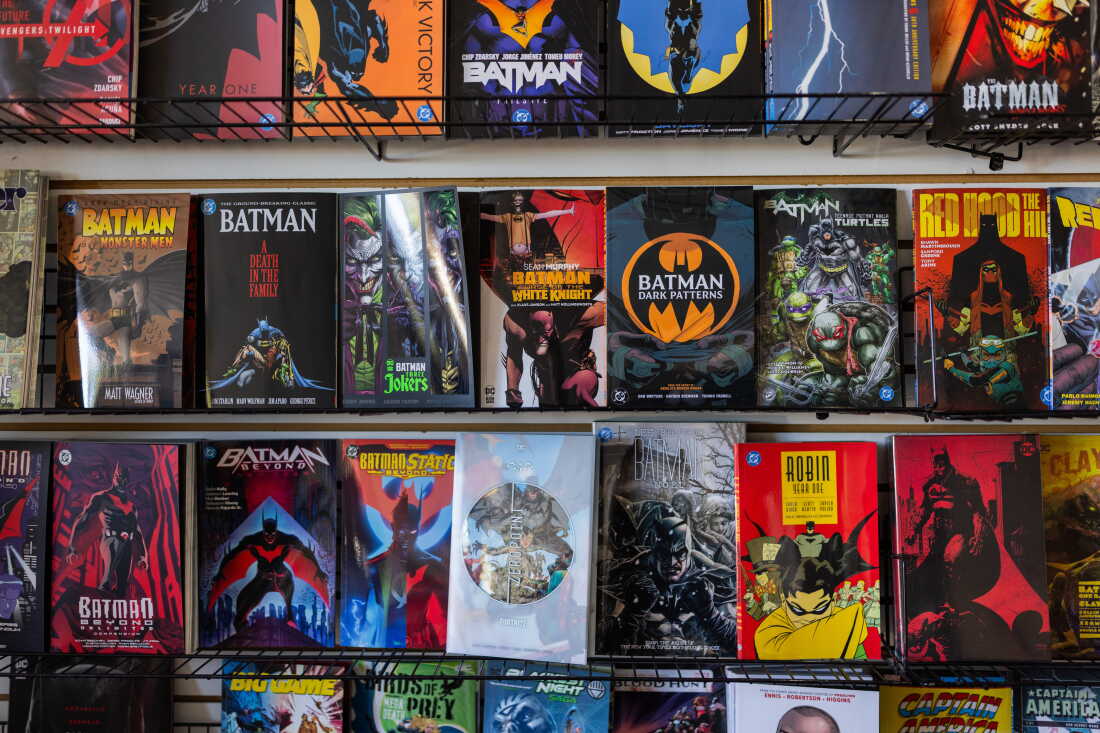
- New tariff threats loom: Comics, which are primarily imported from Canada, are not yet subject to the latest tariffs, but an escalating U.S.-Canada trade war could change that.
- Despite it all, business is up: Thanks to a comic book renaissance, fueled by hits like Absolute Batman, sales are actually rising this year, even as some customers tighten their budgets.
Deep Dive: The Ripple Effect of Trade Policy on Main Street
Bowker's story is a microcosm of a larger issue: trade policies designed to protect American industries often have unintended consequences for small businesses. The tariffs on Chinese goods, intended to boost domestic manufacturing, instead inflated costs for importers like Bowker, who had no alternative supply chain. The Supreme Court's ruling was a victory for legal purists, but the refund mechanism is so convoluted that the intended relief may never reach the businesses that actually bore the cost.
This highlights a critical flaw in tariff policy: the disconnect between who pays the government (the importer) and who ultimately suffers (the consumer and small retailer). Bowker's decision to absorb the 3% fee rather than pass it on shows the delicate balance small businesses must strike between staying competitive and staying solvent. The fact that his business is up this year is a testament to the resilience of niche markets, but it also masks the underlying fragility—if the Canada trade war escalates and comics become tariffed, the cost could be devastating.
Looking ahead, the comic book industry, which has been thriving on blockbuster titles and nostalgia, could be a casualty of geopolitical tensions. Bowker's uncertainty is shared by thousands of small business owners who are left guessing what the next policy shift will bring. The lack of clear communication and the slow pace of refunds erode trust in the system, making it harder for entrepreneurs to plan for the future. As trade wars continue to simmer, the real cost may be measured not in dollars, but in lost opportunities and the erosion of the American Dream for small business owners.
FAQ
Q: Will I get a refund if I paid tariffs on imported goods? A: If you directly paid U.S. Customs and Border Protection, you may be eligible for a refund. However, if you purchased goods from a distributor who paid the tariffs, you'll need to seek a refund from that distributor. As Bowker's experience shows, the process can be slow and uncertain.
Q: How can small businesses protect themselves from tariff volatility? A: Diversifying suppliers, negotiating flexible contracts, and building a cash reserve are key strategies. Staying informed about trade policy changes and joining industry associations can also provide early warnings and advocacy.
Q: Are comic books from Canada currently subject to tariffs? A: As of now, comics are not included in the current round of U.S.-Canada tariffs, but the situation is fluid. If the trade war escalates, comics could be added, which would significantly impact retailers like Alter Ego Comics.
Source: https://www.npr.org/2026/08/30/nx-s1-5939521/tariff-refunds-canada-trade-war
Related posts
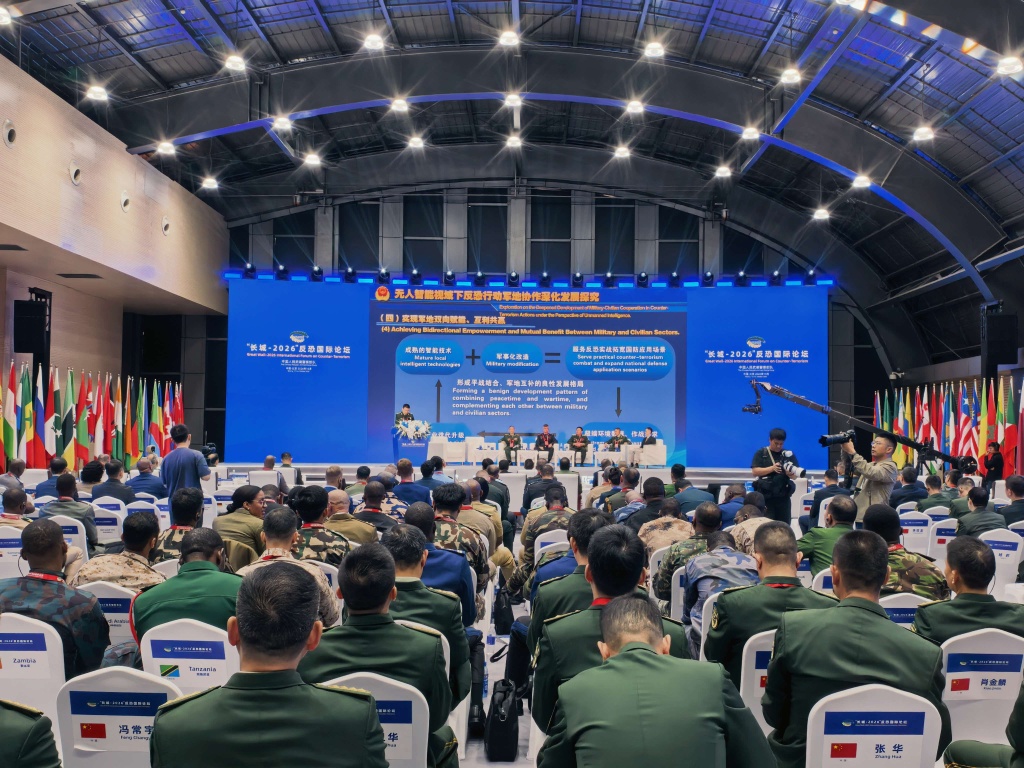
AI-Powered Counterterrorism: New Frontiers in the Fight Against Modern Terrorist Threats
Exploring how artificial intelligence is reshaping counterterrorism strategies worldwide, with insights from the 'Great Wall-2026' forum on emerging threats and defense innovations.
China Upgrades Asia-Africa Pavilion at CIIE to Boost Zero-Tariff Benefits
China's Ministry of Foreign Affairs announces enhanced Asia-Africa product zone at CIIE 2026 to help African nations capitalize on zero-tariff advantages.
Korea's Yoon Suk Yeol Prepares for Trump Golf Meeting
Yoon Suk Yeol's team is setting up a special working group for a potential golf meeting with Donald Trump. Explore the diplomatic strategy, recent controversies, and the political significance behind this high-profile sporting event.
Climate Journalism at the Tipping Point: Finding Action in Environmental Crisis
Exploring climate reporting's critical role in environmental awareness and action amid global climate tipping points.
US Lawmaker: AI Transcends Borders, Urging US-China Cooperation
Washington State Representative Roger Goodman emphasizes that AI risks don't recognize national boundaries, calling for enhanced US-China collaboration to ensure AI benefits humanity.
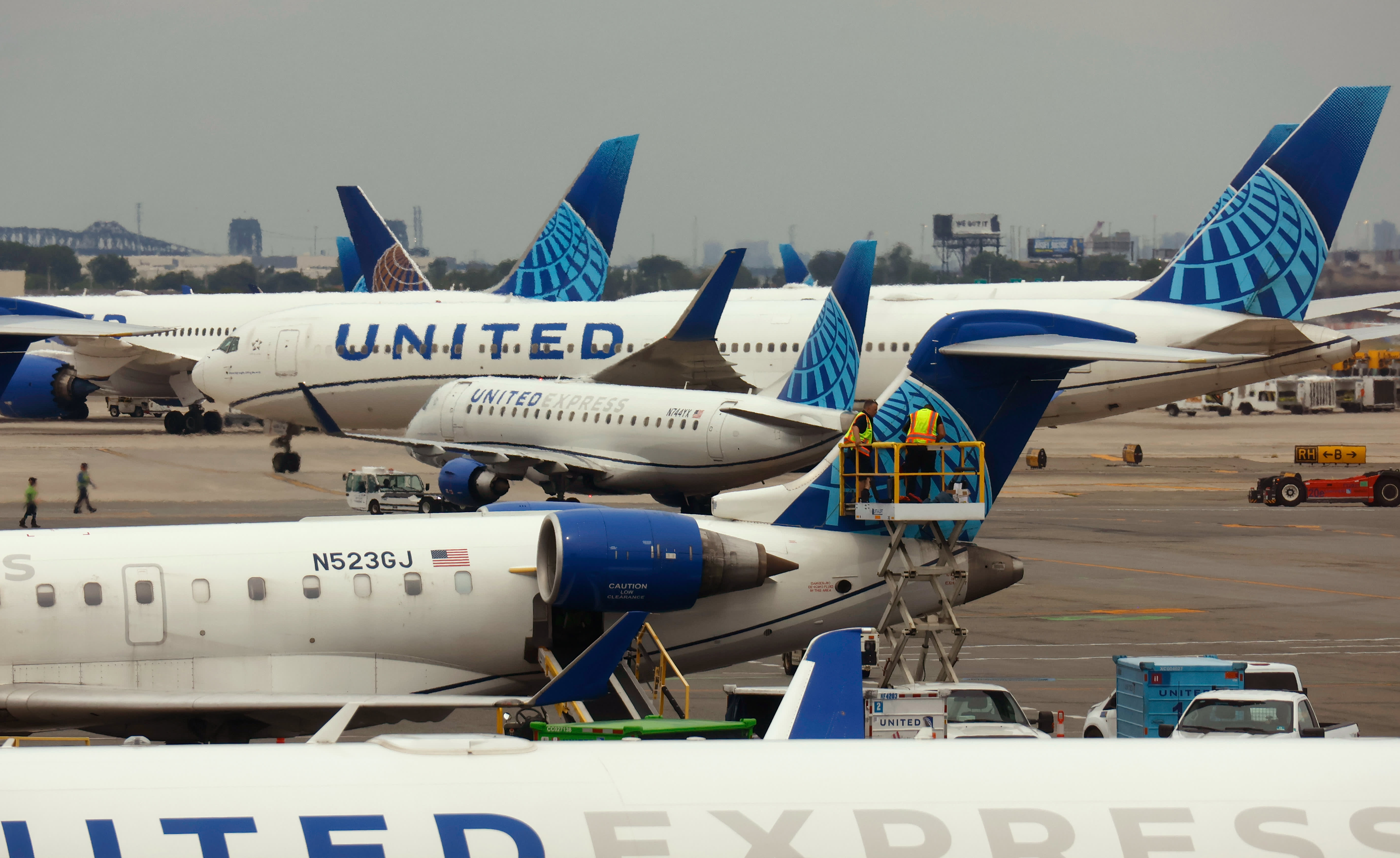
United Airlines 2027 Status Changes: Why Earning Top Tier is Getting Harder
United Airlines is removing flight segment requirements to reach elite status. Discover how the new points-based system works and what it means for your travel rewards.
US-EU Double Standards Exposed: Trump's Russia Diesel Deal Sparks Global Outcry
Trump's deal to buy Russian diesel while sanctioning others reveals a hypocritical US energy policy amid rising global inflation.
Walmart Expands Employee Healthcare: Free GLP-1s, Insulin, and More
Walmart is covering over 250 prescriptions, including insulin and GLP-1s, at no cost. Discover how the retail giant is reshaping employee benefits amid rising healthcare costs.
Latest Articles
- Travelers Beware: How Scammers Impersonate Consular Staff
- Ukraine Claims Drone Attacks Reduced Russian Online Propaganda
- Saudi Crown Prince's Evacuation: Escalating Conflict Threatens Vision 2030
- FAA warns U.S. airlines of safety risks over Saudi Arabia after attacks
- McDonald's Chicken and Beverage Strategy Faces Intense Competition
- Delta Air Lines Delays Saudi Arabia Launch Due to Airport Security Threats