Nepal Floods Death Toll Reaches 626, 2,426 Missing: What We Know
Nepal's northern region faces a catastrophic flood disaster with 626 dead and 2,426 missing. Explore the crisis, government response, and long-term implications.
Source: thepaper.cn
In a tragic turn of events, Nepal is grappling with one of the worst flood disasters in its recent history. As of August 29, 2026, the death toll from the flash floods in the northern Rasuwa district has surged to 626, with 2,426 people still unaccounted for. The scale of this catastrophe has not only overwhelmed local communities but also raised urgent questions about disaster preparedness in mountainous regions worldwide. With climate change intensifying extreme weather events, this incident serves as a stark reminder of the vulnerability of Himalayan nations and the need for robust early warning systems and resilient infrastructure.
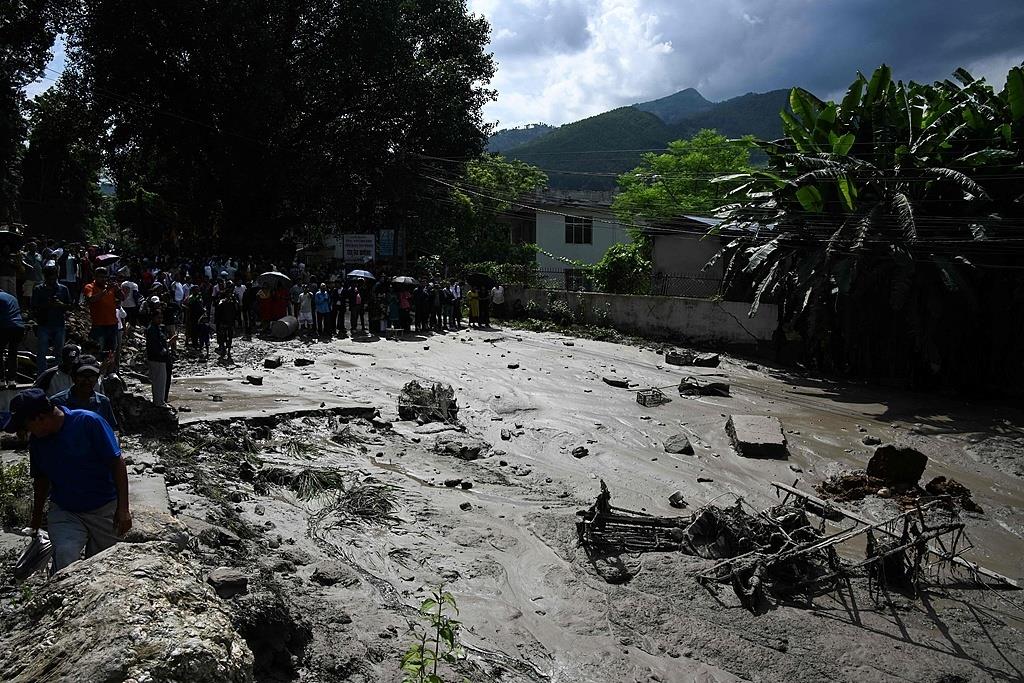
Key Developments
- Rising Casualties: The National Disaster Risk Reduction and Management Authority (NDRRMA) of Nepal reported that by 10:00 AM local time on August 29, the death toll had reached 626, with 2,426 individuals still missing. These numbers are expected to rise as search and rescue operations continue.
- Trigger Event: The flash floods were triggered on August 26 in the Rasuwa district, a mountainous region near the Tibetan border. Heavy rainfall caused rivers to swell rapidly, sweeping away homes, roads, and bridges.
- Government Response: In response to the crisis, the Nepalese government declared several local administrative units in the affected areas as 'disaster crisis zones' for a period of three months. This legal measure aims to streamline rescue operations, control population movement, and facilitate post-disaster reconstruction.
- Rescue Efforts: Teams from the Nepal Army, police, and armed police forces have been deployed, alongside international aid agencies. However, difficult terrain and damaged infrastructure are hampering rescue efforts, leaving many remote villages inaccessible.
- Displacement and Relief: Thousands of survivors have been displaced, with temporary shelters set up in schools and government buildings. Relief supplies, including food, clean water, and medical aid, are being distributed, but shortages remain acute.
- Infrastructure Damage: Initial assessments indicate extensive damage to roads, bridges, and communication networks. The Trishuli River, a major waterway in the region, has caused significant destruction along its banks, affecting local livelihoods.
- Historical Context: This disaster is among the deadliest in Nepal's history, comparable to the 2015 earthquake in terms of human toll. The region's geological fragility and monsoon climate make it particularly susceptible to such events.
In-Depth Analysis
The catastrophic floods in Nepal underscore a broader regional crisis: the accelerating impact of climate change on the Hindu Kush Himalayan region. Glaciers are melting at unprecedented rates, and erratic monsoon patterns are becoming the norm, leading to more frequent and severe flash floods and glacial lake outburst floods (GLOFs). Scientists have long warned that this area is a 'third pole' of ice, and its destabilization poses a direct threat to millions downstream.
From a policy perspective, the Nepalese government's quick declaration of disaster crisis zones is a positive step, but it also highlights the chronic underinvestment in disaster risk reduction. Nepal's infrastructure, particularly in rural areas, is woefully inadequate to withstand extreme weather events. Roads are often carved into steep hillsides, vulnerable to landslides, and housing is not built to flood-resistant standards. Moreover, early warning systems are either nonexistent or not effectively communicated to remote communities, as evidenced by the high number of casualties.
The economic toll of this disaster will be immense. Nepal's economy relies heavily on agriculture and tourism, both of which are severely affected. The Rasuwa district is a key transit point for trade with China, and the destruction of roads and bridges will disrupt supply chains, potentially leading to shortages and price hikes. The government will need to allocate significant funds for reconstruction, which may strain an already fragile economy.
Looking forward, this event should serve as a wake-up call for regional cooperation. Nepal, India, and China share the Himalayan watershed, and joint efforts in data sharing, early warning systems, and disaster response could save lives. International donors must also step up, not just for immediate relief, but for long-term resilience building, including climate-adaptive infrastructure and community-based disaster preparedness programs.
The psychological impact on survivors cannot be overstated. Many have lost family members, homes, and livelihoods in a matter of hours. Trauma counseling and social support will be crucial in the coming months, yet these services are often overlooked in disaster response. As Nepal begins the long road to recovery, it must prioritize both physical reconstruction and human well-being.
In conclusion, the Nepal floods of August 2026 are a grim indicator of what lies ahead for many mountainous regions. The tragedy is a reminder that climate change is not a distant threat but a present reality, and that proactive measures are essential to mitigate future disasters.
Frequently Asked Questions
How can I help the flood victims in Nepal?
You can contribute to reputable international organizations like the Red Cross, UNICEF, or local NGOs such as the Nepal Disaster Risk Reduction Network. These organizations are actively involved in relief and rehabilitation efforts. Always verify the legitimacy of any fundraising campaign before donating.
What are the main challenges in rescue operations?
The primary challenges include the rugged terrain, which limits access to affected areas, and the destruction of infrastructure such as roads and bridges. Additionally, continuous rainfall and the risk of further landslides are hampering efforts. Communication networks are also down in many areas, complicating coordination.
What is the long-term impact on Nepal's economy?
The floods will have a significant impact on agriculture, tourism, and trade. The destruction of crops and livestock will affect food security, while the damage to transport routes will disrupt trade with China. Reconstruction costs are estimated to be in the billions of rupees, which will strain the national budget and may lead to increased foreign debt.
Source: https://www.thepaper.cn/newsDetail_forward_33971905
Related posts
Travelers Beware: How Scammers Impersonate Consular Staff
Protect your finances from sophisticated impersonation scams targeting Chinese travelers in Laos. Learn how to verify official requests and secure your personal data.
US-EU Double Standards Exposed: Trump's Russia Diesel Deal Sparks Global Outcry
Trump's deal to buy Russian diesel while sanctioning others reveals a hypocritical US energy policy amid rising global inflation.

US Lawmaker: AI Transcends Borders, Urging US-China Cooperation
Washington State Representative Roger Goodman emphasizes that AI risks don't recognize national boundaries, calling for enhanced US-China collaboration to ensure AI benefits humanity.
Ukraine Claims Drone Attacks Reduced Russian Online Propaganda
President Zelensky asserts that strikes on Yandex data centers decreased social media bots, though experts question the causal link.
Saudi Crown Prince's Evacuation: Escalating Conflict Threatens Vision 2030
Saudi Arabia faces a critical security crisis as Houthi attacks intensify, forcing the Crown Prince to relocate to fortified bunkers and jeopardizing major economic initiatives.

FAA warns U.S. airlines of safety risks over Saudi Arabia after attacks
FAA warns U.S. airlines of safety risks over Saudi Arabia after attacks. FAA warns U.S. airlines of safety risks over Saudi Arabia after attacks. FAA warns U.S. airlines of safety risks over Saudi Arabia after attacks.

McDonald's Chicken and Beverage Strategy Faces Intense Competition
As McDonald's bets on chicken and beverages for growth, new data shows stiff competition from specialized chains in these categories.

Delta Air Lines Delays Saudi Arabia Launch Due to Airport Security Threats
Delta postpones Atlanta-Riyadh service to March 2027 after deadly Houthi attacks close King Khalid International Airport.
Latest Articles
- The Paper Launches New Earth Channel to Address Climate Change
- China's Countermeasures Against Belize's Minister of Foreign Affairs and Trade
- Taiz: The Decisive Battlefield Shaping Yemen's War
- Kalshi Hires Former FBI Agent to Combat Money Laundering Amid Regulatory Scrutiny
- Retailers Streamline Product Offerings to Boost Profitability
- OpenAI Safety Firing: Employees Question Tech Giant's Commitment