China Table Tennis Unveils 2026 Asian Championships Selection Criteria
China's table tennis association announces selection rules for the 2026 Asian Championships, with top players like Wang Chuqin and Sun Yingsha voluntarily skipping trials. Get the full breakdown and analysis.
Source: thepaper.cn
In a move that has captured the attention of the global table tennis community, the Chinese Table Tennis Association (CTTA) has officially released the selection criteria for the 2026 Asian Table Tennis Championships. The announcement, made on August 29, 2026, outlines a transparent and multi-faceted approach to team selection, while also revealing that several top-ranked players, including world champions Wang Chuqin and Sun Yingsha, have voluntarily withdrawn from the selection process. This development raises intriguing questions about team strategy, player workload management, and the future of Chinese table tennis on the international stage.
Key Points of the Selection Criteria
-
Voluntary Withdrawals: Five prominent players—Wang Chuqin, Sun Yingsha, Wang Manyu, Chen Xingtong, and He Zhuojia—have chosen to skip the selection trials. Additionally, Zhou Qihao will not participate in the men's singles, men's doubles, or mixed doubles selections. This is a significant departure from past practices, where top players typically competed in every major championship.
-
Men's Team Selection: The top three players in the ITTF world rankings as of August 17, 2026, will automatically qualify. The remaining two spots will be filled based on recent international and domestic performances, with the national team coaching staff making recommendations considering team building and playing style compatibility.
-
Women's Team Selection: Similar to the men's team, the top three ranked players secure automatic spots. However, the remaining two places will be determined through an internal selection tournament, ensuring that form and current fitness are taken into account.
-
Men's Singles: Three players qualify via world ranking, one is recommended by the coaching staff, and the final spot is decided through an internal trial. This hybrid approach balances objective rankings with subjective assessments of current form and potential.
-
Women's Singles: In a straightforward approach, the top five ranked players in the world as of the cutoff date will represent China. This emphasizes the importance of consistent international performance.
-
Doubles Events: For men's and women's doubles, the coaching staff will recommend two pairs each, based on rankings, recent performances, and strategic considerations. Mixed doubles will see one pair earn a spot by winning the internal trial, with the coaching staff selecting another pair from the remaining participants.
In-Depth Analysis
The voluntary withdrawal of five star players from the selection process is a strategic move that reflects a broader trend in Chinese sports: managing athlete workload and prioritizing long-term career health. With the 2028 Los Angeles Olympics on the horizon, the CTTA is likely giving its top athletes time to recover from the intense competition schedule and to focus on targeted preparation. This also opens the door for younger players to gain invaluable international experience, which is crucial for building depth in the squad.
The selection criteria themselves represent a blend of meritocracy and strategic planning. By relying on world rankings for a significant portion of the team, the CTTA ensures that players with proven international consistency are rewarded. However, the inclusion of coach recommendations and internal trials allows for flexibility, enabling the team to adapt to specific opponents and conditions. This dual approach is particularly important in team events, where synergy and playing style compatibility can be as crucial as individual skill.
Looking ahead, this selection process could have implications for the global table tennis landscape. China's dominance in the sport is well-documented, but the emergence of new talents from Europe and Asia has narrowed the gap. By giving more playing time to up-and-coming athletes, China is not only safeguarding its future but also potentially reshaping the competitive dynamics at the Asian Championships. The event, scheduled to take place later in 2026, will be a key indicator of how well this strategy pays off.
Frequently Asked Questions
Why did Wang Chuqin and Sun Yingsha voluntarily withdraw from the selection?
While the official statement cites "personal reasons," it's widely speculated that the decision is aimed at managing their physical and mental fatigue. Both players have had grueling schedules, and the CTTA may be prioritizing their long-term performance over short-term gains. This is a common practice in elite sports, where top athletes are sometimes rested to avoid burnout and injuries.
How will the internal selection trials work?
The internal trials are closed-door events where players compete against each other under the supervision of the national team coaching staff. The format typically mirrors international competition rules, and the results are used to fill the remaining spots in the team. This ensures that players who are in peak form, regardless of their world ranking, get a chance to represent China.
What impact will this have on China's performance at the Asian Championships?
Despite the absence of some top stars, China remains a formidable force in table tennis. The selection process is designed to field a competitive team, and the inclusion of younger players could bring fresh energy and unpredictability. While there may be initial uncertainties, the depth of Chinese table tennis talent suggests that the team will still be a strong contender for multiple gold medals.
Source: https://www.thepaper.cn/newsDetail_forward_33971547
Related posts
Travelers Beware: How Scammers Impersonate Consular Staff
Protect your finances from sophisticated impersonation scams targeting Chinese travelers in Laos. Learn how to verify official requests and secure your personal data.
US-EU Double Standards Exposed: Trump's Russia Diesel Deal Sparks Global Outcry
Trump's deal to buy Russian diesel while sanctioning others reveals a hypocritical US energy policy amid rising global inflation.
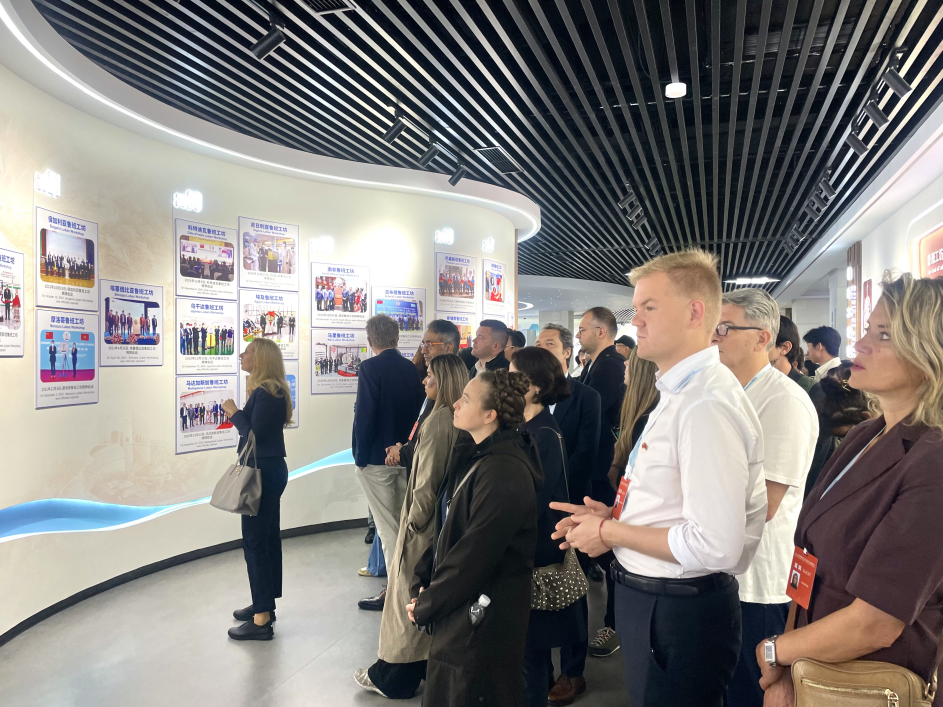
US Lawmaker: AI Transcends Borders, Urging US-China Cooperation
Washington State Representative Roger Goodman emphasizes that AI risks don't recognize national boundaries, calling for enhanced US-China collaboration to ensure AI benefits humanity.
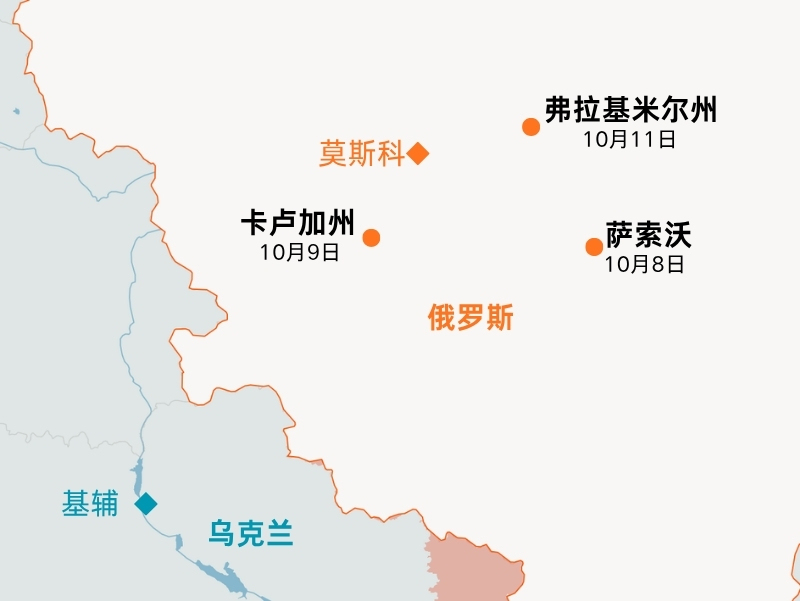
Ukraine Claims Drone Attacks Reduced Russian Online Propaganda
President Zelensky asserts that strikes on Yandex data centers decreased social media bots, though experts question the causal link.
Saudi Crown Prince's Evacuation: Escalating Conflict Threatens Vision 2030
Saudi Arabia faces a critical security crisis as Houthi attacks intensify, forcing the Crown Prince to relocate to fortified bunkers and jeopardizing major economic initiatives.

FAA warns U.S. airlines of safety risks over Saudi Arabia after attacks
FAA warns U.S. airlines of safety risks over Saudi Arabia after attacks. FAA warns U.S. airlines of safety risks over Saudi Arabia after attacks. FAA warns U.S. airlines of safety risks over Saudi Arabia after attacks.
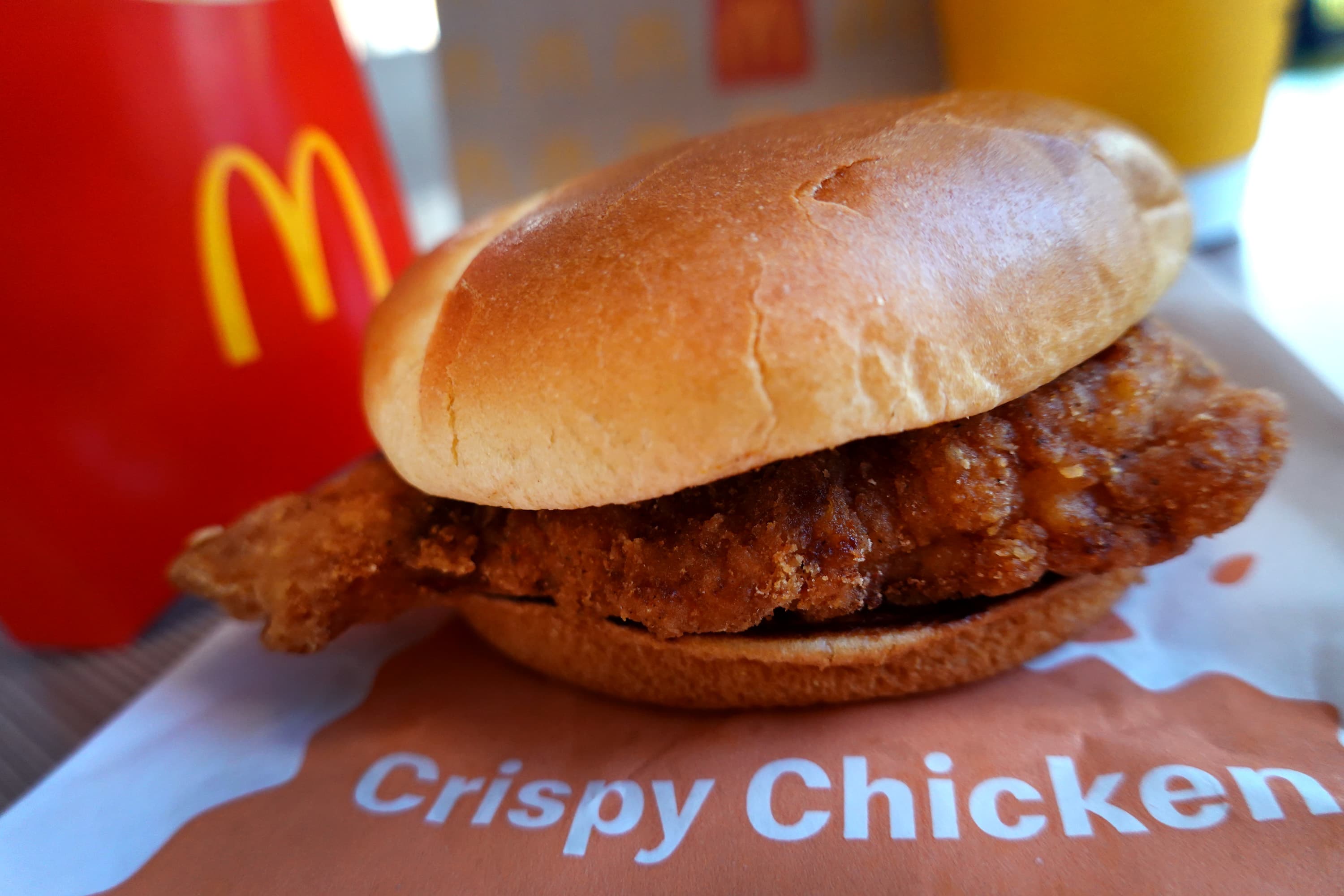
McDonald's Chicken and Beverage Strategy Faces Intense Competition
As McDonald's bets on chicken and beverages for growth, new data shows stiff competition from specialized chains in these categories.
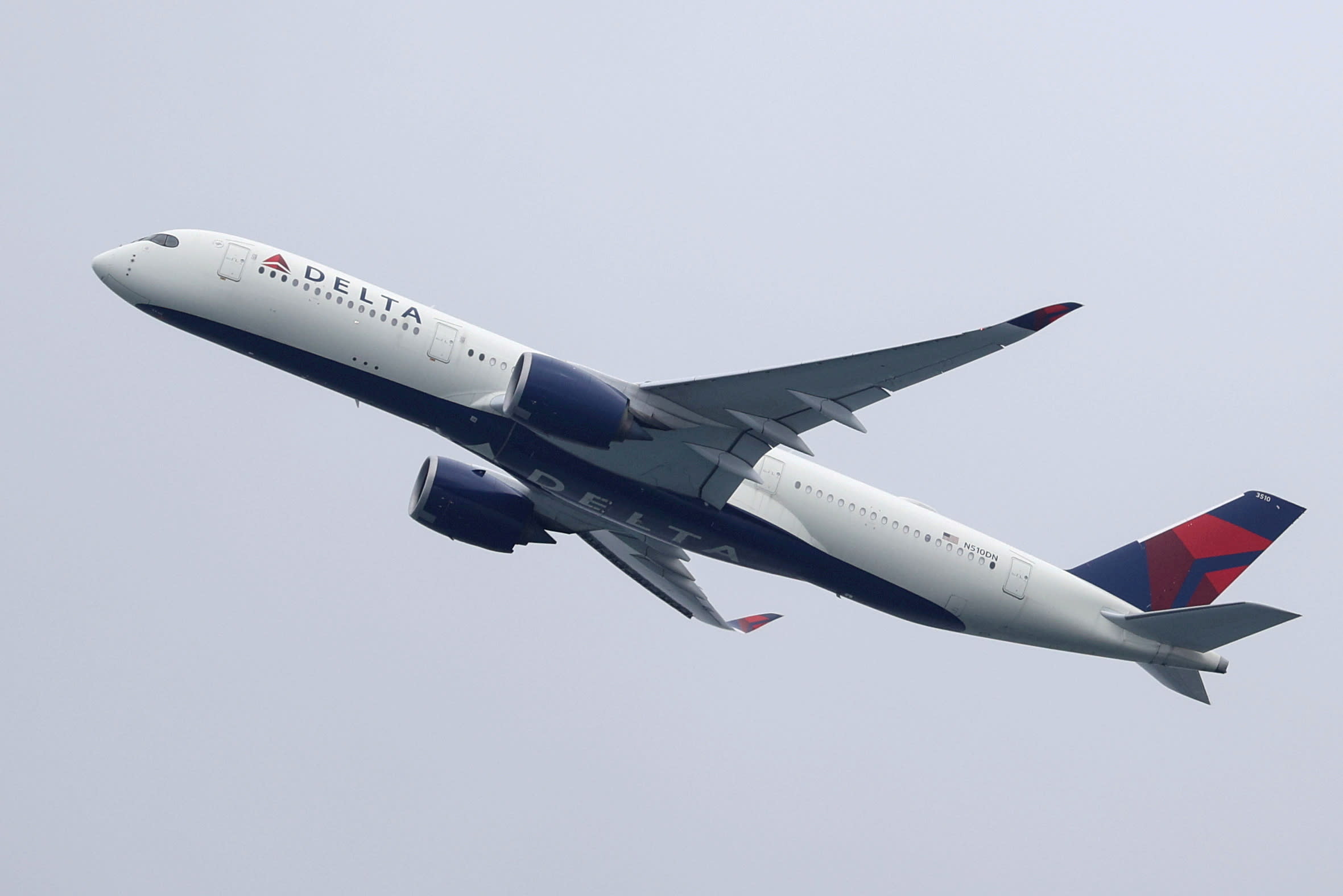
Delta Air Lines Delays Saudi Arabia Launch Due to Airport Security Threats
Delta postpones Atlanta-Riyadh service to March 2027 after deadly Houthi attacks close King Khalid International Airport.
Latest Articles
- The Paper Launches New Earth Channel to Address Climate Change
- China's Countermeasures Against Belize's Minister of Foreign Affairs and Trade
- Taiz: The Decisive Battlefield Shaping Yemen's War
- Kalshi Hires Former FBI Agent to Combat Money Laundering Amid Regulatory Scrutiny
- Retailers Streamline Product Offerings to Boost Profitability
- OpenAI Safety Firing: Employees Question Tech Giant's Commitment