Family Offices Boost Stock Allocations to Record High, CNBC Tracker Shows
Family offices increased stock holdings to 37% in Q2, the largest jump in years, signaling bullishness on AI and equities despite market concentration concerns.
Source: CNBC
Family offices, the private investment arms of the world's wealthiest families, are making a bold statement: they're betting big on public equities. According to the latest CNBC Family Office Portfolio Tracker, powered by Addepar, these sophisticated investors boosted their stock allocations to 37% in the second quarter, up from 34% in the first quarter. This marks the largest quarter-over-quarter shift in years and underscores a growing confidence in the AI-driven stock market rally, even as fears of a bubble and high market concentration persist. For everyday investors, this trend offers a rare glimpse into how the ultra-wealthy are positioning their portfolios—and what it might signal for the broader market.
Key Highlights
-
Stock Allocations Surge: Family offices increased their public equity holdings to 37% of their portfolios in Q2, up from 34% in Q1. This is the biggest quarterly jump in the past three to four years, according to Addepar CEO Eric Poirier. The rise was largely fueled by the strong performance of the S&P 500, which gained about 15% during the quarter.
-
Pullback from Alternatives: Allocations to private markets—including private equity, venture capital, private credit, and real estate—dropped by 3 percentage points, falling to 46%. This shift challenges the conventional wisdom that the richest investors prefer exotic alternative assets over retail-friendly stocks.
-
AI Trade Driving Interest: Poirier attributes much of the enthusiasm for equities to the AI thematic bet. "The AI thematic bet is getting so much action and so much activity, and it's being expressed in large part in public markets versus private markets," he said. This suggests family offices see public tech giants as the most direct way to capitalize on AI growth.
-
Top Stock Picks: The most commonly held stocks among family offices in Q2 were Microsoft (77% of offices), Amazon and Alphabet (76% each), Apple (70%), and Nvidia (69%). These mega-cap tech names dominate portfolios, reflecting a concentrated bet on the AI and cloud computing boom.
-
Private Credit Markdowns: The decline in alternative allocations was primarily driven by markdowns in private credit funds. Addepar found that 18% of recent vintage private credit funds (2020 or later) posted net asset value markdowns, compared to an average of 9% for older vintages. Real estate and venture capital funds also saw write-downs.
-
Cash Drawdown: Family offices reduced their cash holdings by less than 1 percentage point, indicating a desire to put more capital to work rather than sit on the sidelines.
-
Steady Fixed Income and Hedge Funds: Fixed income allocations held steady at 8%, hedge funds remained at 7%, and other alts (including commodities and collectibles) stayed at 6%. Private companies remained the largest non-public equity segment at 15%.

Deep Dive Analysis
The shift in family office allocations is more than just a number—it's a strategic signal. By allowing their stock holdings to grow as a share of their portfolios rather than rebalancing back to target weights, family offices are expressing a long-term bullish tilt toward public equities. This behavior contrasts with the traditional narrative that the ultra-wealthy favor illiquid, high-return alternatives. Instead, it suggests that the AI revolution is so compelling that even the most sophisticated investors are willing to embrace the volatility and concentration risks of public markets.
The move also reflects a pragmatic response to the current market environment. With private credit and real estate facing valuation pressures, public equities—particularly mega-cap tech stocks—offer liquidity and growth potential that alternatives currently lack. However, this concentration in a handful of stocks (Microsoft, Amazon, Alphabet, Apple, Nvidia) raises concerns about systemic risk if the AI trade falters. Family offices are essentially doubling down on the same bet that has driven market gains, which could amplify losses in a downturn.
Looking ahead, the third quarter will be critical. Poirier highlights interest rates and fixed income as key themes to watch. If the Federal Reserve cuts rates, bond prices could rally, potentially drawing capital away from equities. Conversely, if rates remain high, the allure of AI-driven stocks might persist. For family offices, the ability to pivot quickly between asset classes will be crucial. The data suggests they are not merely passive investors but active allocators willing to ride market momentum—a lesson that could inform retail investors' strategies as well.
Frequently Asked Questions
Why are family offices increasing stock allocations now? Family offices are capitalizing on the strong performance of public equities, particularly in the tech and AI sectors. The S&P 500's 15% gain in Q2 made stocks more attractive, while private market valuations, especially in private credit, have been marked down. This combination has made public equities a more compelling investment relative to alternatives.
What does this mean for retail investors? The trend suggests that even the wealthiest investors see value in public markets, particularly in AI-related stocks. However, it also highlights the risks of concentration. Retail investors should consider diversifying their portfolios and not overexpose themselves to a few mega-cap stocks, even if they appear to be winning bets.
How reliable is the CNBC Family Office Portfolio Tracker? The tracker uses actual portfolio data from hundreds of single family offices, aggregated and anonymized by Addepar, representing over $1.4 trillion in assets. Unlike surveys, which rely on self-reported intentions, this data reflects real holdings and transactions, providing a more accurate picture of family office behavior.
Source: https://www.cnbc.com/2026/08/27/family-offices-making-bullish-bet-on-stocks-according-to-cnbc-tracker.html
Related posts
Travelers Beware: How Scammers Impersonate Consular Staff
Protect your finances from sophisticated impersonation scams targeting Chinese travelers in Laos. Learn how to verify official requests and secure your personal data.
US-EU Double Standards Exposed: Trump's Russia Diesel Deal Sparks Global Outcry
Trump's deal to buy Russian diesel while sanctioning others reveals a hypocritical US energy policy amid rising global inflation.

US Lawmaker: AI Transcends Borders, Urging US-China Cooperation
Washington State Representative Roger Goodman emphasizes that AI risks don't recognize national boundaries, calling for enhanced US-China collaboration to ensure AI benefits humanity.
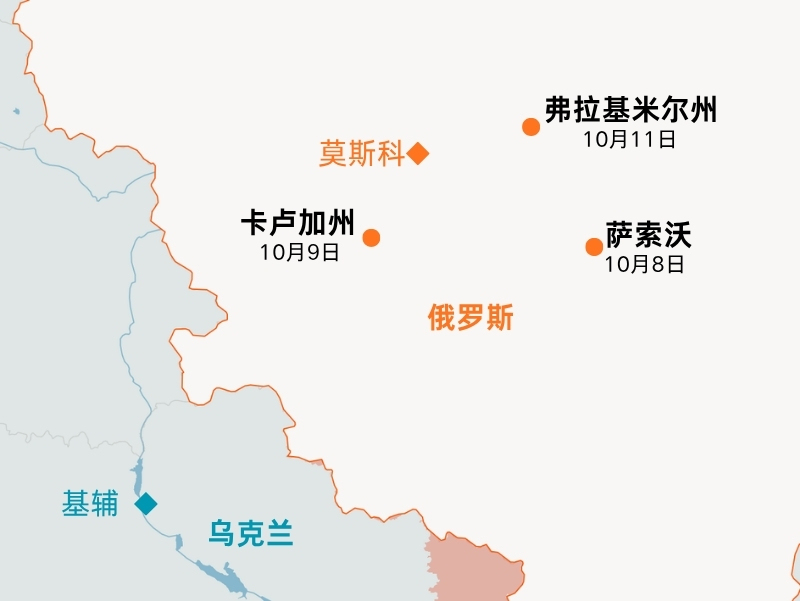
Ukraine Claims Drone Attacks Reduced Russian Online Propaganda
President Zelensky asserts that strikes on Yandex data centers decreased social media bots, though experts question the causal link.
Saudi Crown Prince's Evacuation: Escalating Conflict Threatens Vision 2030
Saudi Arabia faces a critical security crisis as Houthi attacks intensify, forcing the Crown Prince to relocate to fortified bunkers and jeopardizing major economic initiatives.

FAA warns U.S. airlines of safety risks over Saudi Arabia after attacks
FAA warns U.S. airlines of safety risks over Saudi Arabia after attacks. FAA warns U.S. airlines of safety risks over Saudi Arabia after attacks. FAA warns U.S. airlines of safety risks over Saudi Arabia after attacks.

McDonald's Chicken and Beverage Strategy Faces Intense Competition
As McDonald's bets on chicken and beverages for growth, new data shows stiff competition from specialized chains in these categories.

Delta Air Lines Delays Saudi Arabia Launch Due to Airport Security Threats
Delta postpones Atlanta-Riyadh service to March 2027 after deadly Houthi attacks close King Khalid International Airport.
Latest Articles
- The Paper Launches New Earth Channel to Address Climate Change
- China's Countermeasures Against Belize's Minister of Foreign Affairs and Trade
- Taiz: The Decisive Battlefield Shaping Yemen's War
- Kalshi Hires Former FBI Agent to Combat Money Laundering Amid Regulatory Scrutiny
- Retailers Streamline Product Offerings to Boost Profitability
- OpenAI Safety Firing: Employees Question Tech Giant's Commitment