Jackie Chan Opens Up About ADHD: A New Perspective on the Action Hero
Jackie Chan reveals his ADHD diagnosis, challenging stereotypes and sparking global conversations about adult ADHD. Discover how the action star turned his condition into a driving force for success.
Source: 旅行菌
When action legend Jackie Chan recently revealed that he has Attention Deficit Hyperactivity Disorder (ADHD), the news sent ripples through both his fanbase and the broader conversation about mental health. In a candid video, the 72-year-old actor smiled as he asked for tips on how to improve focus, a moment that humanized a condition often misunderstood. With over 40 million people in China alone reportedly living with ADHD, Chan's disclosure is more than a celebrity confession—it's a powerful step toward destigmatizing neurodevelopmental disorders globally.

Key Insights
- The Revelation: Jackie Chan publicly shared his ADHD diagnosis, revealing that he struggles with concentration and often forgets mundane tasks like watering his plants. His openness challenges the stereotype that ADHD only affects children.
- Misconceptions About ADHD: Many believe ADHD is just childhood hyperactivity that fades with age. However, research shows that ADHD persists into adulthood for up to 60% of cases, manifesting as inattention, impulsivity, and disorganization.
- Early Signs in Chan's Life: As a child at the China Drama Academy under Master Yu Jim-yuen, Chan was often punished for fidgeting and daydreaming. These behaviors, once dismissed as mischief, are classic ADHD symptoms.
- The Paradox of Hyperfocus: While Chan finds it hard to stay on task in daily life, he exhibits intense concentration during high-risk film stunts. This phenomenon, known as hyperfocus, is a common but often overlooked aspect of ADHD.
- ADHD as a Double-Edged Sword: Chan's boundless energy, often seen as a gift, comes with challenges like forgetfulness and difficulty with routine. His success is not due to ADHD alone but his decades of discipline in channeling that energy into filmmaking.
- Global Impact: By speaking out, Chan joins a growing list of celebrities who have shared their ADHD stories, helping to normalize the condition and encourage others to seek support.

In-Depth Analysis
Jackie Chan's disclosure is a watershed moment for ADHD awareness, particularly in Asia, where mental health discussions are often taboo. For decades, ADHD has been underdiagnosed in adults, partly due to the misconception that it's a childhood disorder. Chan's admission highlights that ADHD is a lifelong neurodevelopmental condition, not a phase. His ability to achieve global stardom despite—or perhaps because of—his ADHD offers a nuanced narrative: while the condition presents real challenges, it can also fuel creativity and hyperfocus when properly managed. Chan's career, marked by fearless stunts and innovative choreography, suggests that he found an outlet that aligns with his neurological wiring. However, it's crucial to separate the person from the disorder. Chan's success is a testament to his relentless work ethic and self-awareness, not a glorification of ADHD. His openness may inspire others to seek diagnosis and treatment, which often includes therapy and medication. As the entertainment industry increasingly embraces neurodiversity, Chan's story could pave the way for more inclusive conversations about how different brains work.

Frequently Asked Questions
Is ADHD only a childhood disorder?
No, ADHD is a neurodevelopmental disorder that often persists into adulthood. While hyperactive symptoms may decrease, inattention and impulsivity can remain, impacting daily functioning.
How can adults manage ADHD?
Management strategies include cognitive behavioral therapy, medication (e.g., stimulants), mindfulness practices, and organizational tools. Many adults also benefit from coaching and support groups.
What is hyperfocus in ADHD?
Hyperfocus is an intense state of concentration on a specific task, often at the expense of other responsibilities. It's a common experience for people with ADHD, allowing them to excel in areas of interest.

Source: https://mp.weixin.qq.com/s/B77LACqynlblFBBhvc1LaQ
Related posts

Volkswagen to Cut 100,000 Jobs: Inside the Biggest Automaker Restructuring
Volkswagen plans 100,000 job cuts, four German plant closures, and a halved model lineup by 2035 as profits collapse and China earnings shrink.

Alibaba Scrapped Its P-Level System: What It Means for Your Company
Alibaba dismantled its 19-year-old P-level hierarchy in 2023. Here's why high-level 'performers' drain profits, and how smaller firms can cut layers before it's too late.

China's 2026 Unicorn Rankings: AI Reshapes the Top 10
China ranks second globally with 381 unicorns. AI leads the 2026 list as ByteDance, Ant Group, and DeepSeek dominate. Explore the shifting landscape.

ByteDance Boosts AI Talent Incentives with Doubao Stock Hike
ByteDance raises Doubao stock price by 14.6% to retain AI talent, expands equity incentives, and integrates teams to accelerate AI adoption in the workplace.
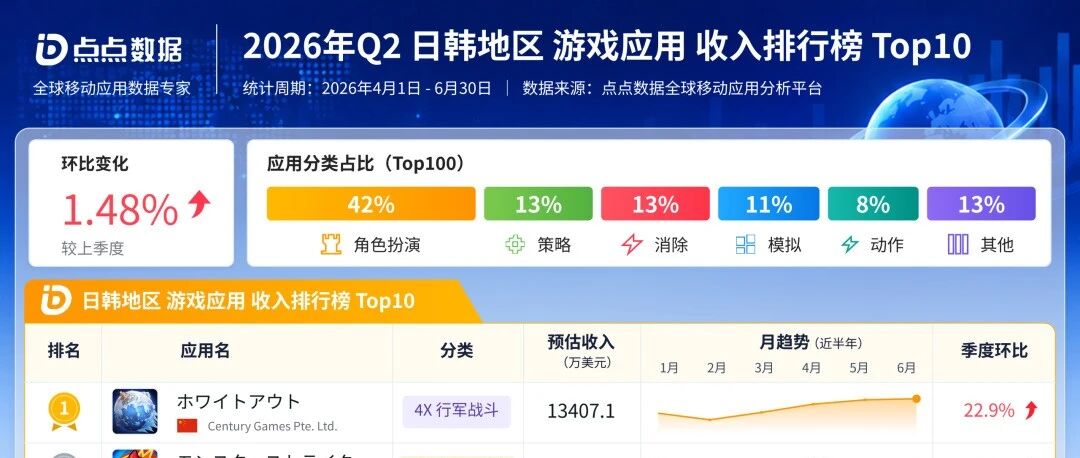
Chinese Mobile Games Dominate Japan & Korea Q2 2026 Revenue Charts
Diandian Interactive's Whiteout Survival and Kingshot top Japan/Korea Q2 2026 revenue rankings. Market shows steady growth with iOS users spending 1.2x more. Full analysis inside.

Global Mobile Gaming Revenue Dips 1% in August: Why Mid-Tier Games Are Losing
Sensor Tower's August report reveals a $66M monthly revenue drop in mobile gaming. Top titles grow while mid-tier suffers. Insights on market shifts, regional trends, and what it means for developers.

China Southern Airlines Incheon Airport Ground Staff Recruitment 2026: A Gateway for Bilingual Talent
China Southern Airlines is hiring ground staff at Incheon International Airport for 2026. Learn about the role, requirements, and why this is a strategic opportunity for Korean-Chinese bilinguals.

Korea Coast Guard 2026 Chinese Translation Exam: Key Dates & Rules
Korea Coast Guard's 2026 3rd recruitment Chinese translation written exam set for Sept 5. Learn schedule, scoring, ID rules, prohibited items, and results date.
Latest Articles
- Haze from Kalimantan Forest Fires Reaches Jakarta Sky
- COP17: Critical Moment for Biodiversity Framework Implementation
- Trump Signs Executive Order to Waive Key Sanctions on Russia Amid Energy Crisis
- LDP Senior Official Visits Yasukuni Shrine Amid Rising Regional Tensions
- Merck CEO: Cancer Vaccine Production Timeline to Shorten
- Porsche Unveils Mission S Concept: New Flagship Design Direction