Iran-US Nuclear Standoff: High-Stakes Diplomacy Amid Political Calculations
As tensions persist between Iran and the United States, diplomatic efforts continue with both sides maneuvering ahead of critical elections. The complex negotiations involve nuclear concessions, economic sanctions, and strategic positioning in the Middle East.
Source: thepaper.cn
In the complex geopolitical chess game between Iran and the United States, both nations are engaged in high-stakes diplomacy while simultaneously preparing for potential escalation. The current standoff represents one of the most delicate diplomatic balancing acts in recent international relations, with significant implications for global energy markets, Middle Eastern stability, and domestic politics in both Washington and Tehran.
Key Developments
-
Conditional Offers: Recent reports indicate that President Trump has denied willingness to lift sanctions on Iran in exchange for nuclear concessions, though officials suggest Iran has shown flexibility on nuclear matters. This contradictory messaging reflects the administration's complex approach to negotiations.
-
Indirect Negotiations: Both countries have engaged in separate talks with mediators, with confirmed plans for further indirect discussions. These negotiations focus on revising Iran's proposal presented during the UN General Assembly last week.
-
Persistent Disagreements: The fundamental divide remains unchanged - Iran seeks discussions about the Strait of Hormuz and US maritime blockades, while the Trump administration demands concrete nuclear program concessions. This fundamental misalignment continues to impede progress.
-
Mediator's Role: Qatari Prime Minister Sheikh Mohammed bin Abdulrahman Al Thani has emphasized the growing complexity of the conflict, noting the lack of a clear overall strategy to resolve the impasse. The mediation efforts continue despite these challenges.
-
Economic Pressure: Recent data shows over 20 million barrels of oil passed through the Strait of Hormuz in a single weekend - the highest volume since the conflict began. This increased traffic, combined with US sanctions, has created a complex economic calculus for both sides.
In-Depth Analysis
The current Iran-US negotiations represent a fascinating interplay of international diplomacy and domestic politics. On one hand, both nations maintain a facade of diplomatic engagement while simultaneously preparing for potential escalation. This dual-track approach reflects the deep mistrust that has characterized relations since the US withdrawal from the JCPOA.
From a strategic perspective, the situation presents a classic dilemma of who will blink first. As Dr. Andreas Kreig of King's College London notes, any concession by either side would be perceived as weakness by the other, creating a dangerous stalemate. This psychological dimension is further complicated by the upcoming US midterm elections, which have introduced significant political calculations into the diplomatic equation.
The economic dimension cannot be overlooked either. With 63% of Americans opposing military action against Iran, and rising fuel costs becoming a political liability, Trump faces pressure to resolve the situation diplomatically. However, his administration appears to be calculating that continued economic pressure will eventually force Iran to make concessions.
Iran's strategy appears to be playing a longer game, positioning itself as the more resilient party in this confrontation. By offering to reopen the Strait of Hormuz while demanding sanctions relief, Tehran appears to be testing whether the Trump administration can sustain economic pressure without triggering domestic backlash.
Looking ahead, the most likely scenario appears to be a prolonged conflict with periodic diplomatic overtures. Both sides seem to believe that waiting will yield better terms, creating a dangerous impasse that could escalate unexpectedly. The outcome will likely depend on which side miscalculates the other's resolve and capacity to endure economic and political pressure.
Frequently Asked Questions
What is the main point of contention in the negotiations? The fundamental disagreement centers on sequencing - Iran demands sanctions relief before making nuclear concessions, while the US insists on nuclear program changes before any sanctions are lifted. This deadlock has persisted despite multiple rounds of mediated discussions.
How might the US midterm elections impact the negotiations? If Republicans lose the midterm elections, Trump would face reduced domestic political constraints, potentially making him more likely to pursue military options rather than diplomatic solutions. Conversely, a Republican victory could strengthen his hand in demanding greater concessions from Iran.
What role does energy security play in this conflict? The Strait of Hormuz remains critical for global energy supplies, with approximately 20% of world oil trade passing through this chokepoint. Iran's control over this strategic waterway gives it significant leverage in negotiations, while the US seeks to maintain freedom of navigation in the region.
Source: https://www.thepaper.cn/newsDetail_forward_34171594
Related posts

Alaska Airlines Unveils Premium Cabin Overhaul Amid Luxury Travel Boom
Alaska Airlines announces massive cabin upgrades across its fleet and Hawaiian Airlines, adding hundreds of premium seats and new lounges to capitalize on travelers' willingness to pay for luxury experiences.
Potential Trump-Putin-Xi Trilateral Meeting at APEC Shenzhen
China remains noncommittal about possible trilateral talks between US, Russian, and Chinese leaders during APEC summit in Shenzhen.
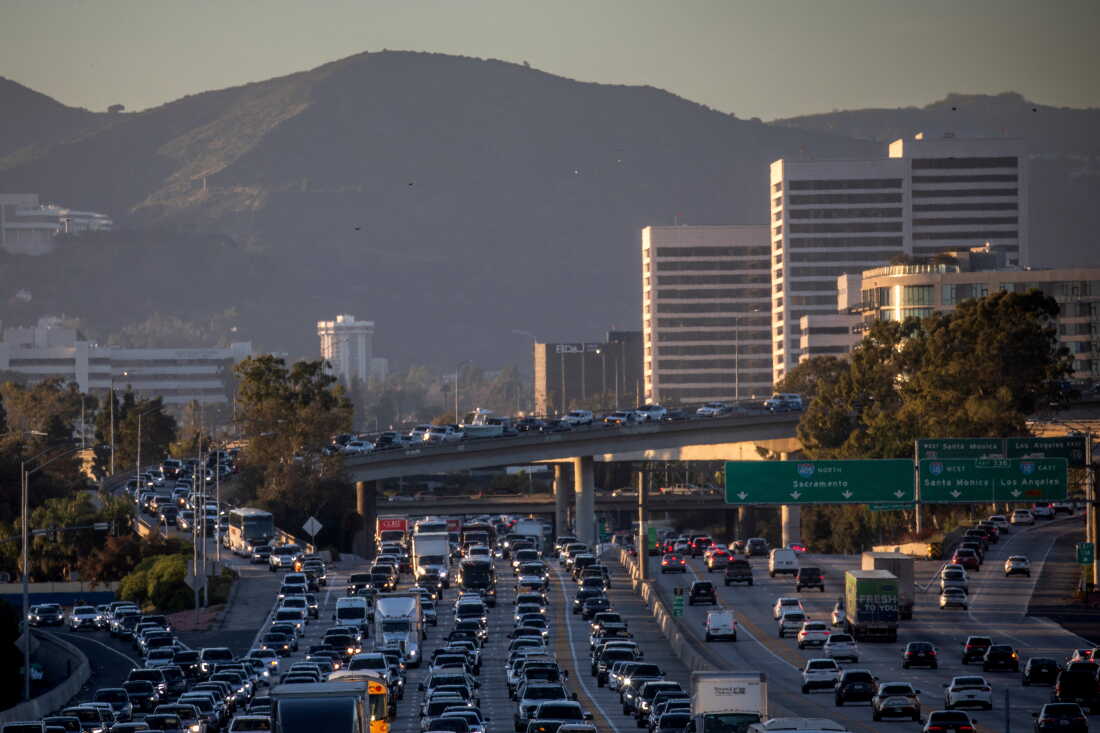
Trump Administration Rolls Back Fuel Efficiency Standards: What It Means for Consumers and the Auto Industry
The Trump administration has finalized rules to weaken fuel efficiency standards for new cars, aiming to lower sticker prices but raising concerns about long-term competitiveness and climate goals.
Trump Approval Rate Hits 36-Year Low Before Midterm Elections
President Trump's approval rating has plummeted to historic lows as midterm elections approach, with economic concerns and policy backlash driving voter dissatisfaction.

Disney Power Struggle: Bob Chapek's Memoir Reveals Weekly Boardroom Battles with Bob Iger
Former Disney CEO Bob Chapek reveals the intense internal conflict with Bob Iger in his new memoir, detailing how he raised concerns weekly and felt undermined during his tenure.
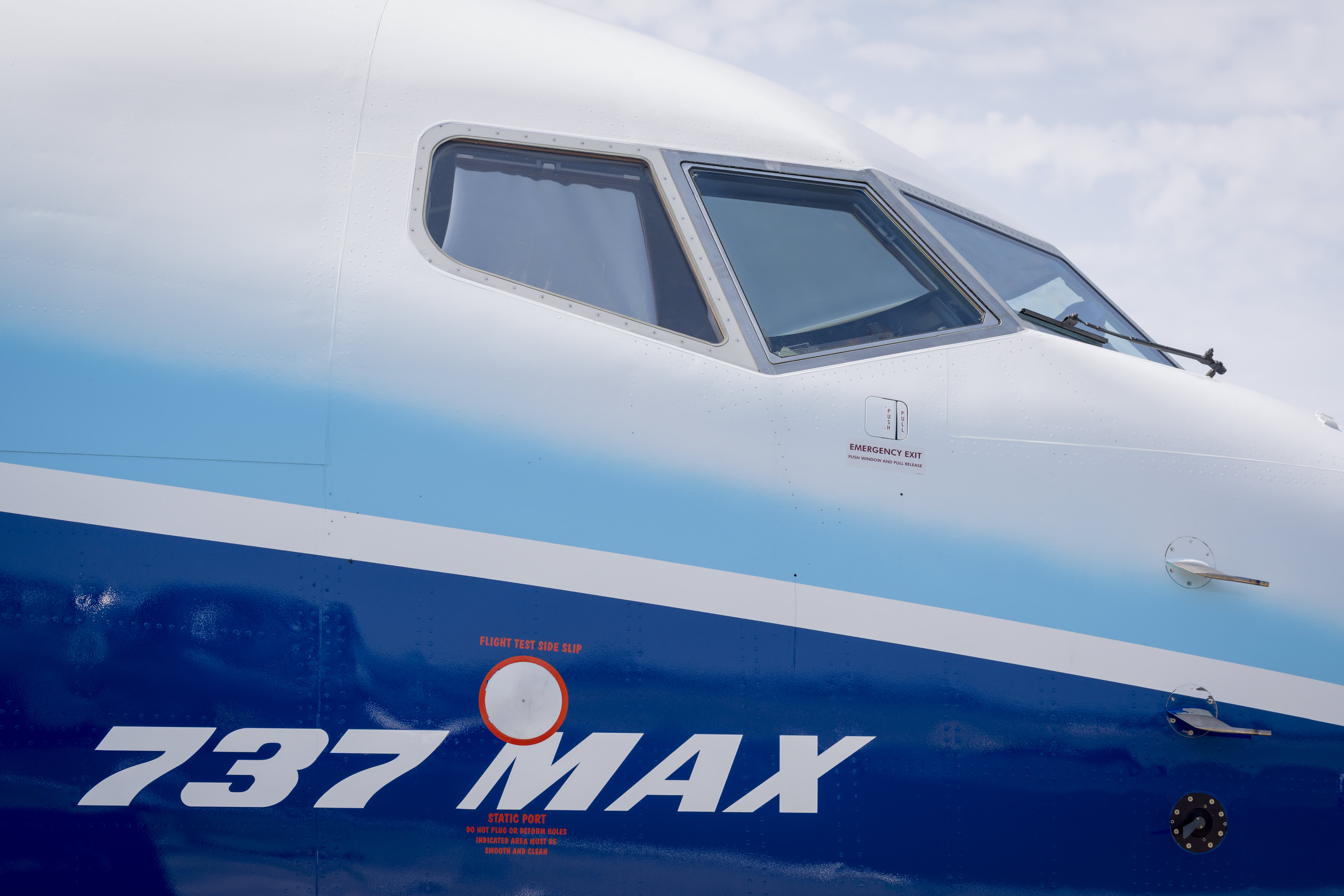
Boeing 737 Max 10 Certification Delayed: FAA Safety Review and Market Impact
FAO delays Boeing 737 Max 10 certification due to a software issue. CEO Ortberg expected approval soon, but safety concerns push the timeline back. See the market reaction and airline response.
US-China Summit: Diplomatic Dialogue on North Korea and Regional Stability
China and the United States exchanged views on the Korean Peninsula issue during their recent summit, emphasizing stability and continuity in foreign policy.
Iranian Foreign Minister: Prepared for 'Doomsday War' as Trump Holds the Cards
Iran signals readiness for conflict with US while offering diplomatic solutions amid rising tensions in the Middle East.
Latest Articles
- IPO Weekly: Two Leading Companies Set to Launch Before National Day Holiday
- Lowe's Drone Delivery: Revolutionizing Home Improvement with 20-Minute Service
- US-China Relations: Finding a Timeless Answer in a Changing World
- AI Safety Crisis: OpenAI, Anthropic Investigate 10,000+ Security Breaches
- Building a Stronger Bridge: The Enduring Legacy of the Flying Tigers
- Giant Pandas 'Ping Ping' and 'Fu Shuang' Begin Decade-Long Stay in Atlanta Zoo