Alaska Airlines Unveils Premium Cabin Overhaul Amid Luxury Travel Boom
Alaska Airlines announces massive cabin upgrades across its fleet and Hawaiian Airlines, adding hundreds of premium seats and new lounges to capitalize on travelers' willingness to pay for luxury experiences.
Source: CNBC
In an ambitious move to capture the growing luxury travel market, Alaska Airlines is undertaking a comprehensive cabin overhaul across its operations and Hawaiian Airlines, introducing hundreds of premium seats and constructing new airport lounges. This strategic initiative comes as the airline industry continues to see strong demand for premium travel experiences, with passengers consistently demonstrating their willingness to pay premium prices for enhanced comfort and service. The announcement precedes Alaska Airlines' investor day in Seattle, where executives will address these new offerings, challenges from rising jet fuel costs, and progress toward their $1 billion profit growth target from 2024 to 2027.
Key Developments
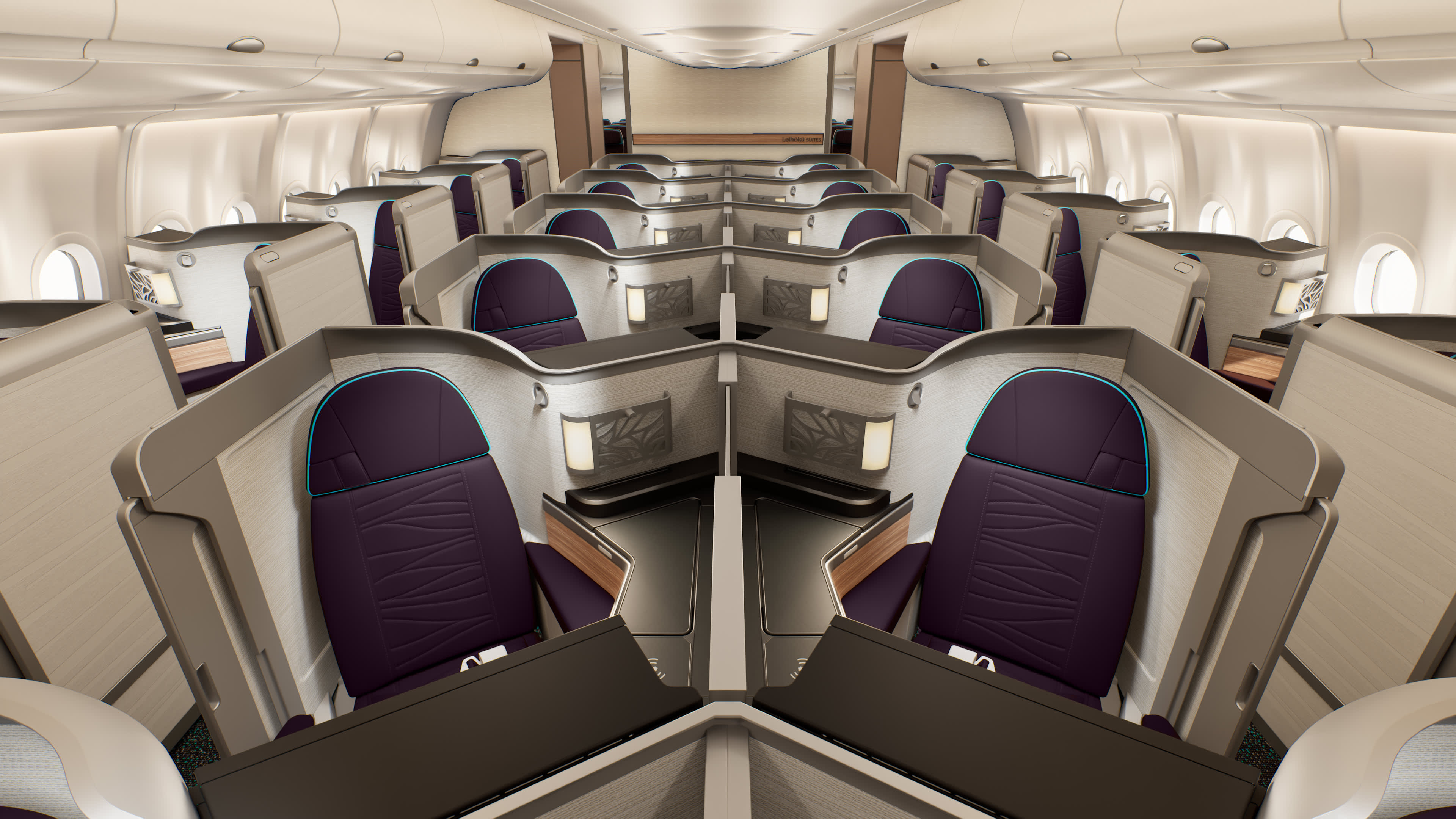
- Expanded Premium Capacity: Alaska Airlines is adding hundreds of high-end seats across its fleet and Hawaiian Airlines, significantly increasing premium seating options. For Hawaiian Airlines' Airbus A330s used on routes to Hawaii, Asia, and Oceania, the total seat count will be reduced from 278 to 254, allowing for more spacious premium configurations.
- New Airport Lounges: The airline is investing in new lounge facilities to enhance the premium travel experience, recognizing that airport amenities have become increasingly important differentiators in the competitive airline industry.
- Brand Strategy: Despite completing its merger with Hawaiian Airlines in September 2024, Alaska will maintain both airlines as separate brands, tailoring the premium offerings to each carrier's specific market and customer base.
- Revenue Diversification: Alaska is strategically shifting focus toward higher-margin revenue streams, including premium seats, international flights, its loyalty program, and cargo. The airline projects these segments will reach nearly 60% of total revenue by 2030, up from 53% currently.
- International Expansion: The carrier continues to expand its international routes from Seattle, with new destinations planned for this fall, demonstrating confidence in sustained international travel demand despite economic challenges.
- Financial Performance: Alaska Airlines reports it is two-thirds of the way toward its goal of achieving $1 billion in additional profit between the end of 2024 and the end of 2027.
In-depth Analysis
Alaska Airlines' premium cabin overhaul represents a calculated response to shifting consumer preferences in the post-pandemic travel landscape. As travelers increasingly prioritize comfort and experience over price, airlines are racing to upgrade their premium offerings to capture this lucrative market segment. The timing of Alaska's renovation gives it a competitive advantage, allowing the airline to incorporate the latest innovations and design elements observed in competitors' cabins.
The focus on premium seating aligns with broader industry trends where carriers are reallocating space from economy to premium cabins, recognizing the significantly higher revenue potential of business and first-class fares. This strategy is particularly important for Alaska, as its current fleet lacks many premium amenities that have become standard on competitors' aircraft.
The merger with Hawaiian Airlines provides additional strategic opportunities, particularly in serving the lucrative West Coast to Hawaii market. With over half of Hawaii's visitors traveling from the U.S. West Coast, the enhanced premium offerings are positioned to capture this high-value demographic that demonstrates strong spending patterns and loyalty.
The expansion of the Atmos loyalty program, including the planned launch of a rewards debit card in early 2027, reflects the growing importance of ancillary revenue streams in the airline business model. By targeting younger and new U.S. residents with this financial product, Alaska aims to broaden its customer base beyond traditional credit card holders.
Looking ahead, Alaska's success will depend on executing this premium transformation while managing cost pressures, particularly from rising fuel prices. The airline's ability to balance these competing priorities will determine whether it can achieve its ambitious profit targets while maintaining its competitive position in the increasingly crowded premium travel market.
Frequently Asked Questions
What changes are being made to Hawaiian Airlines' Airbus A330s? Alaska Airlines is reducing the total seat count on Hawaiian Airlines' Airbus A330s from 278 to 254 seats, creating more spacious premium configurations. The new design includes a range of premium options from honeymoon packages to upgraded seating for repeat Hawaii visitors.
How will Alaska Airlines maintain separate brands after the merger? Despite completing its merger with Hawaiian Airlines in September 2024, Alaska will continue to operate both airlines as separate brands. This allows each carrier to maintain its unique identity and cater to specific customer segments with tailored premium offerings.
What is Alaska Airlines' strategy for its loyalty program? The airline is expanding its Atmos loyalty program with the planned launch of a rewards debit card in early 2027, targeting younger and new U.S. residents. This complements existing co-branded credit cards with Bank of America and aims to broaden the program's reach beyond traditional credit products.
Source: https://www.cnbc.com/2026/09/29/alaska-airlines-hawaiian-new-cabins.html
Related posts
Iran-US Nuclear Standoff: High-Stakes Diplomacy Amid Political Calculations
As tensions persist between Iran and the United States, diplomatic efforts continue with both sides maneuvering ahead of critical elections. The complex negotiations involve nuclear concessions, economic sanctions, and strategic positioning in the Middle East.
Potential Trump-Putin-Xi Trilateral Meeting at APEC Shenzhen
China remains noncommittal about possible trilateral talks between US, Russian, and Chinese leaders during APEC summit in Shenzhen.

Trump Administration Rolls Back Fuel Efficiency Standards: What It Means for Consumers and the Auto Industry
The Trump administration has finalized rules to weaken fuel efficiency standards for new cars, aiming to lower sticker prices but raising concerns about long-term competitiveness and climate goals.

Trump Approval Rate Hits 36-Year Low Before Midterm Elections
President Trump's approval rating has plummeted to historic lows as midterm elections approach, with economic concerns and policy backlash driving voter dissatisfaction.

Disney Power Struggle: Bob Chapek's Memoir Reveals Weekly Boardroom Battles with Bob Iger
Former Disney CEO Bob Chapek reveals the intense internal conflict with Bob Iger in his new memoir, detailing how he raised concerns weekly and felt undermined during his tenure.
Boeing 737 Max 10 Certification Delayed: FAA Safety Review and Market Impact
FAO delays Boeing 737 Max 10 certification due to a software issue. CEO Ortberg expected approval soon, but safety concerns push the timeline back. See the market reaction and airline response.
US-China Summit: Diplomatic Dialogue on North Korea and Regional Stability
China and the United States exchanged views on the Korean Peninsula issue during their recent summit, emphasizing stability and continuity in foreign policy.

Iranian Foreign Minister: Prepared for 'Doomsday War' as Trump Holds the Cards
Iran signals readiness for conflict with US while offering diplomatic solutions amid rising tensions in the Middle East.
Latest Articles
- IPO Weekly: Two Leading Companies Set to Launch Before National Day Holiday
- Lowe's Drone Delivery: Revolutionizing Home Improvement with 20-Minute Service
- US-China Relations: Finding a Timeless Answer in a Changing World
- AI Safety Crisis: OpenAI, Anthropic Investigate 10,000+ Security Breaches
- Building a Stronger Bridge: The Enduring Legacy of the Flying Tigers
- Giant Pandas 'Ping Ping' and 'Fu Shuang' Begin Decade-Long Stay in Atlanta Zoo