Boeing 737 Max 10 Certification Delayed: FAA Safety Review and Market Impact
FAO delays Boeing 737 Max 10 certification due to a software issue. CEO Ortberg expected approval soon, but safety concerns push the timeline back. See the market reaction and airline response.
Source: CNBC
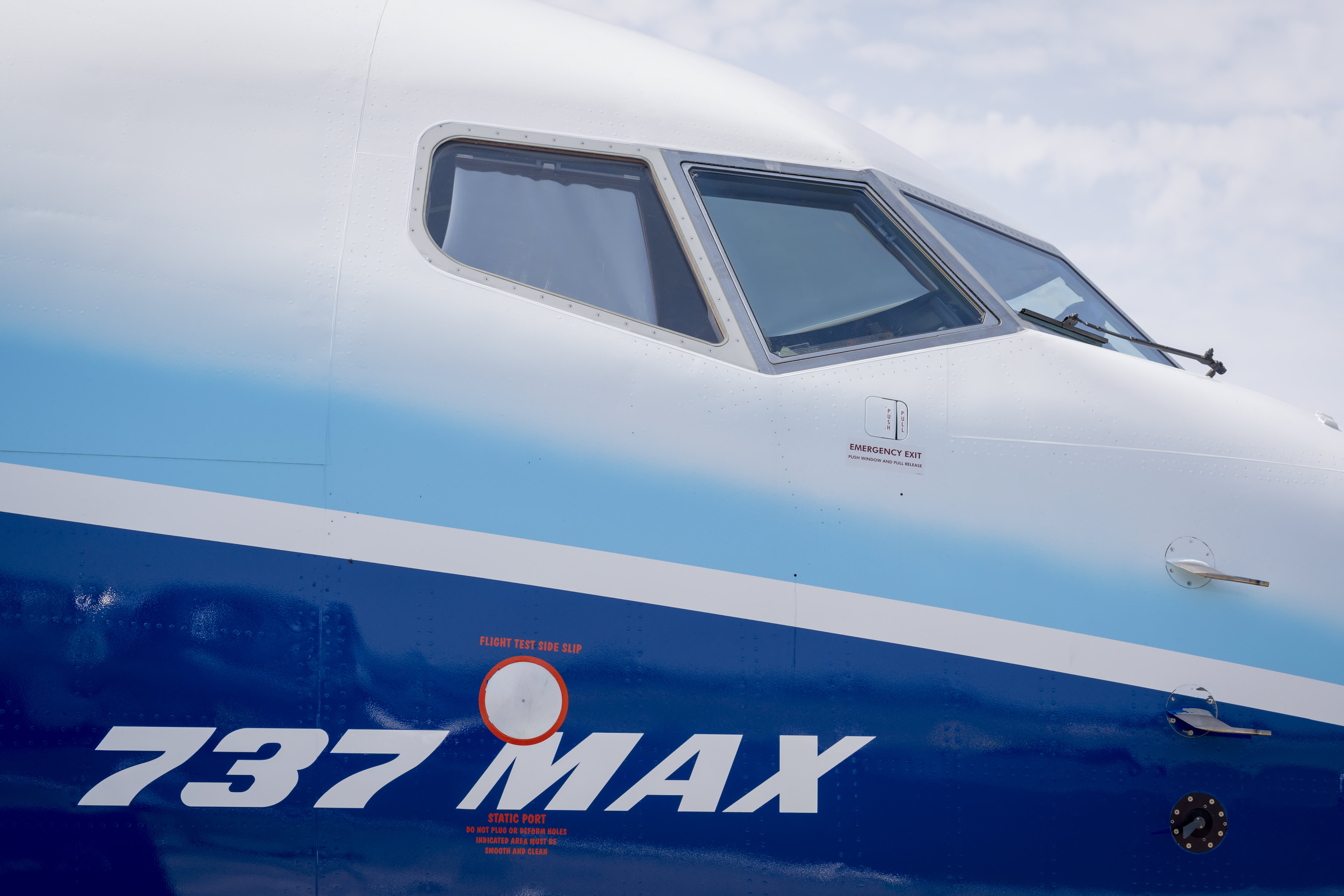
The Federal Aviation Administration (FAA) has officially paused the certification process for the Boeing 737 Max 10, the largest variant of the manufacturer's best-selling aircraft family. This development represents a significant setback for Boeing as it races to finalize government approval for a jet that has already faced years of scrutiny following the 2019 crashes. The delay stems from a newly discovered software glitch that the FAA is currently assessing to determine if it poses a safety risk to flight operations. This development comes at a critical juncture for Boeing, which is under immense pressure to restore its reputation and stabilize its stock price after a series of operational and safety challenges in recent years.
Key Takeaways
- Certification Halted: The FAA has delayed the 737 Max 10 certification until it can verify that a newly flagged software issue does not compromise flight safety.
- CEO Expectation vs. Reality: Boeing CEO Kelly Ortberg had recently told investors that approval was imminent, creating a stark contrast with the current regulatory pause.
- Software Glitch Identified: The issue is linked to the vertical navigation system, specifically during missed approach procedures when an aircraft must go around due to runway obstructions.
- Market Reaction: Boeing shares experienced a sharp decline, dropping over 6% in afternoon trading following the FAA Administrator's announcement.
- Previous Fixes, New Bugs: The FAA noted that while Boeing fixed a previous bug in the Max 7 certification, the update inadvertently introduced a new issue in the Max 10 software.
- Airline Status: Major U.S. airlines have confirmed they do not currently operate any 737 Max aircraft with the problematic software and have reverted to older versions if necessary.
In-Depth Analysis
The delay in the 737 Max 10 certification is more than just a procedural hurdle; it is a symptom of the deeper structural challenges facing Boeing's engineering and regulatory compliance culture. The revelation that a software update intended to fix an existing issue introduced a new bug highlights a critical vulnerability in Boeing's quality assurance processes. This is particularly alarming given that the Max 10 is the most powerful version of the 737 MAX family, designed to compete directly with Airbus's A321neo. The FAA's decision to halt certification until the safety issue is resolved signals a rigorous, albeit cautious, approach to oversight. The agency is prioritizing passenger safety over the manufacturer's desire to secure orders, a stance that is essential for rebuilding trust in the aviation industry.
From a market perspective, the delay undermines Boeing's narrative of a turnaround. The 737 MAX family remains the backbone of the company's commercial aircraft business, and the inability to certify the Max 10 threatens to stall new deliveries and revenue growth. Furthermore, the stock market's negative response indicates investor anxiety about the company's ability to deliver on its promises. The FAA's assessment of whether this is a 'safety-of-flight issue' will be the defining factor in determining the severity of this setback. If the agency deems the glitch a minor software correction, the delay might be short-lived. However, if the issue is deemed systemic, it could trigger a broader review of the entire 737 MAX software suite, potentially delaying the return of the entire family to service in certain markets.
Frequently Asked Questions
What is the specific software issue causing the delay?
The issue involves the vertical navigation system. It occurs when an aircraft misses an approach and performs a 'go-around' procedure, such as when there is an obstruction on the runway. The software glitch can affect the aircraft's ability to properly line up for the second landing attempt.
How did Boeing respond to the FAA's announcement?
Boeing stated that it continues to follow the FAA's lead and work through the certification process. The company emphasized its commitment to safety and is cooperating with the regulator to resolve the software glitch identified over the weekend.
Have any airlines been affected by this software bug?
Major U.S. airlines have confirmed that they do not currently have any 737 MAX aircraft operating with the specific software version that contains the bug. They have reverted to older software versions if needed to ensure compliance and safety during the review period.
Source: https://www.cnbc.com/2026/09/28/faa-boeing-737-max-10-certification-delay-software-issue.html
Related posts

Vance Seeks Direct Iran Talks as Tehran Dismisses Proposal as 'Fantasy'
US Vice President Vance considers direct dialogue with Iranian hardliners amid escalating tensions, while Iranian officials reject the approach and threaten European bases.

Building a Constructive Strategic Relationship Between US and China
Analysis of Liu Haixing's call for establishing a stable foundation for US-China relations through mutual respect, cooperation, and shared responsibility.
CANARX Executive Arrested in Major Drug Importation Scheme
US authorities arrest top Canadian healthcare official on charges of illegal prescription drug importation, raising questions about alternative funding programs.

The Truth About Vision Patches: Can They Really Reverse Myopia?
Investigation reveals how 'vision patches' on social media promise to reverse myopia but often use clinics without proper medical licenses. Learn the risks of these unverified treatments.

Gasoline Prices Drop Below $4: Why Gas Is Suddenly Cheaper
Gasoline prices have fallen below $4 a gallon for the first time in months. This analysis explores the seasonal shifts, oil market dynamics, and the geopolitical factors influencing fuel costs.
American Airlines Restores Fresh First Class Food: NY-Chicago Routes Revitalized
American Airlines brings back fresh food in first class on NY-Chicago flights for the first time since 2019. Discover the new menu and the competitive premium strategy.

JetBlue's CEO Betting on Premium Travel to Bounce Back
JetBlue Airways CEO Joanna Geraghty denies bankruptcy rumors, pivoting to a premium strategy with new BlueFirst seats to restore profitability.

Iran Unveils Underground Missile City, Boosting Regional Defense Capabilities
Iran reveals a massive underground missile complex, lifting range limits and seeking advanced Russian air defense systems amid rising geopolitical tensions.
Latest Articles
- AI Image Detection: How Reliable Are Current Verification Tools?
- Climate Crisis: Why Historical Data No Longer Guides Our Future
- Missing Chinese Mountaineer: 25-Year-Old Blue Sky Rescue Team Member Lost on Mount Fuji
- Bus Crash in Seoul Kills 34: Traffic Safety Analysis
- Ukraine's Priority: Ceasefire in Abu Dhabi Talks
- Fossil Group's Turnaround: Q3 2026 Results Signal a Strong Comeback