Trump Administration Rolls Back Fuel Efficiency Standards: What It Means for Consumers and the Auto Industry
The Trump administration has finalized rules to weaken fuel efficiency standards for new cars, aiming to lower sticker prices but raising concerns about long-term competitiveness and climate goals.
Source: NPR
The automotive landscape in the United States is undergoing a significant shift as the Trump administration has officially finalized rules to weaken fuel efficiency standards for new vehicles. This move reverses decades of progress toward greener transportation, sparking a debate that pits affordability against long-term economic strategy and environmental responsibility. The decision directly impacts the future of American manufacturing and the global competitiveness of domestic automakers.
Key Takeaways
- Revised CAFE Standards: The Corporate Average Fuel Economy (CAFE) standards have been scaled back, requiring carmakers to improve fuel efficiency by only 1% annually instead of the previous 2%, targeting an average of 34.9 miles per gallon by 2031.
- Focus on Affordability: The administration argues that stricter efficiency rules artificially inflate vehicle costs, estimating that the rollback will save consumers approximately $1,300 on new car sticker prices.
- Rollback of Biden-Era Policies: This decision is part of a broader effort to dismantle Biden-era climate initiatives, including the elimination of penalties for failing to meet efficiency targets and the removal of trading mechanisms for electric vehicle credits.
- Global Competitiveness Risks: Experts warn that slowing progress on fuel efficiency hampers American carmakers' ability to compete globally, particularly against the rapidly advancing electric vehicle markets in China and Europe.
- Market Realities vs. Regulation: Critics point out that the rise in car prices is driven more by supply chain issues, vehicle size increases, and luxury features than by the cost of fuel-efficient technology.
In-Depth Analysis
The decision to weaken the Corporate Average Fuel Economy (CAFE) standards represents a pivotal moment in U.S. energy policy. By reducing the required annual improvement from 2% to 1%, the administration is signaling a retreat from aggressive climate goals in favor of immediate economic relief. The administration claims that fuel efficiency technology drives up the cost of vehicles, and by easing these standards, they aim to make cars more accessible to the average American family. However, this perspective is contested by industry analysts who argue that the link between efficiency standards and sticker price is more complex than the administration suggests.
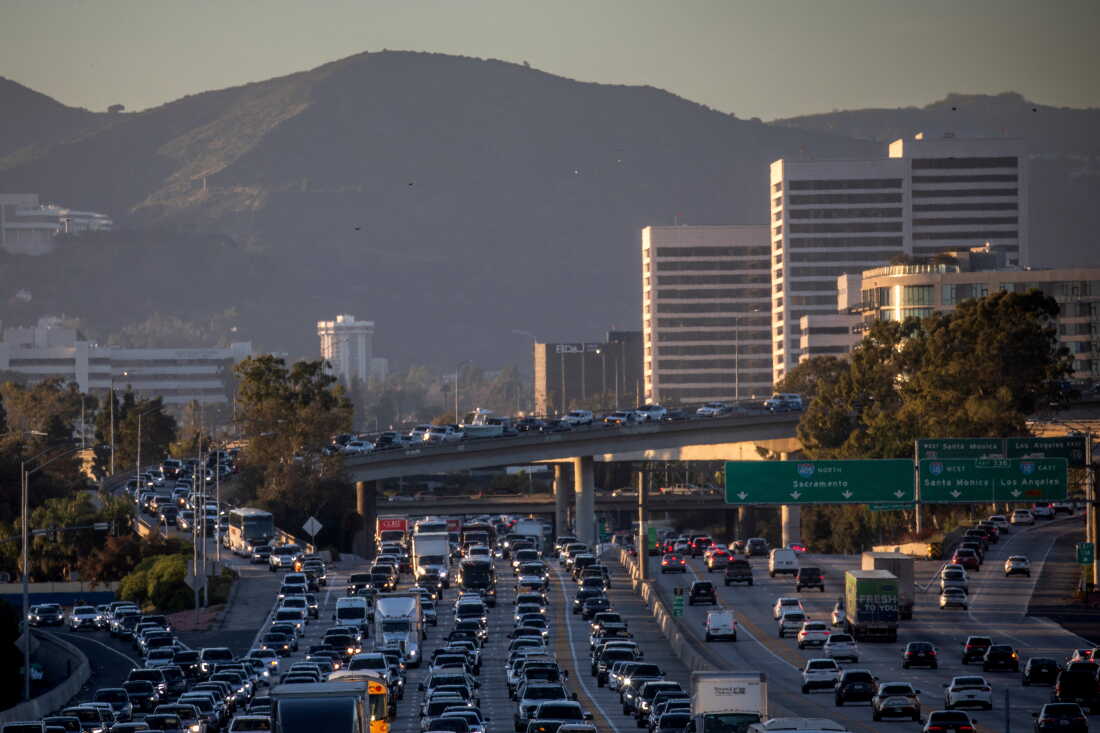
The rationale provided by the administration centers on the affordability of new vehicles. Transportation Secretary Sean Duffy emphasized that the new rules will take the "waste" out of car manufacturing, leading to lower prices. While it is true that the average price of a new vehicle has risen significantly in recent years, attributing this solely to fuel efficiency standards overlooks other critical factors. As noted by economist Sue Helper from Case Western Reserve University, the increase in vehicle prices is largely due to a shift toward larger SUVs and trucks, supply chain disruptions, and the addition of expensive infotainment systems. Furthermore, the current high cost of vehicle ownership is heavily influenced by interest rates, which are driven by Federal Reserve policies rather than manufacturing standards.

From a strategic standpoint, the rollback poses significant risks to the long-term competitiveness of the American auto industry. The global automotive market is rapidly transitioning toward electric vehicles (EVs), with major competitors like China making substantial investments in this sector. By slowing the pace of efficiency improvements, the U.S. risks falling behind in the development of the technologies and manufacturing processes that will define the future of mobility. The auto industry trade group, the Alliance for Automotive Innovation, has largely supported the move, arguing that the previous standards were unrealistic and out of step with current market demand. However, this short-term alignment with market desires may come at the expense of long-term innovation and adaptability.
The administration’s actions also signal a broader rollback of environmental regulations. By eliminating the penalties for failing to meet CAFE targets and scrapping the ability of automakers to trade credits for electric vehicles, the government is removing the financial incentives that previously pushed the industry toward electrification. This creates a regulatory environment that favors internal combustion engines over electric alternatives, potentially slowing the adoption of cleaner transportation technologies.

Frequently Asked Questions
Will cars actually become cheaper if fuel efficiency standards are lowered?
While the administration claims the rollback will save consumers about $1,300 on sticker prices, experts suggest this is unlikely to be the immediate outcome. The decision to lower standards may reduce the upfront cost of manufacturing, but it does not guarantee lower prices for consumers. Additionally, drivers who purchase less fuel-efficient vehicles will likely face higher long-term costs at the gas pump, especially with current fuel prices hovering near record highs.
How does this change affect the future of electric vehicles in the US?
The new rules eliminate the penalties for automakers that fail to meet efficiency targets and remove the credit-trading system that helped EV manufacturers offset their costs. This creates a less favorable environment for the adoption and production of electric vehicles, potentially slowing the transition to cleaner energy in the transportation sector.
Is this decision purely about climate change?
No, the decision is driven by a combination of economic and political factors. The administration is prioritizing affordability and manufacturing competitiveness over environmental goals. However, this approach risks harming the long-term competitiveness of American carmakers in a global market that is rapidly moving toward electrification.
Source: https://www.npr.org/2026/09/28/nx-s1-5918509/car-fuel-efficiency-cafe-standards-rollback
Related posts
US-China Summit: Diplomatic Dialogue on North Korea and Regional Stability
China and the United States exchanged views on the Korean Peninsula issue during their recent summit, emphasizing stability and continuity in foreign policy.
Iranian Foreign Minister: Prepared for 'Doomsday War' as Trump Holds the Cards
Iran signals readiness for conflict with US while offering diplomatic solutions amid rising tensions in the Middle East.

IPO Weekly: Two Leading Companies Set to Launch Before National Day Holiday
As China's National Day holiday approaches, two leading companies in their respective sectors will begin IPO subscriptions, offering investors new opportunities in the pharmaceutical and dairy industries.
Lowe's Drone Delivery: Revolutionizing Home Improvement with 20-Minute Service
Lowe's launches exclusive drone delivery with DoorDash and Alphabet's Wing. Experience 20-minute product delivery for home improvement projects.
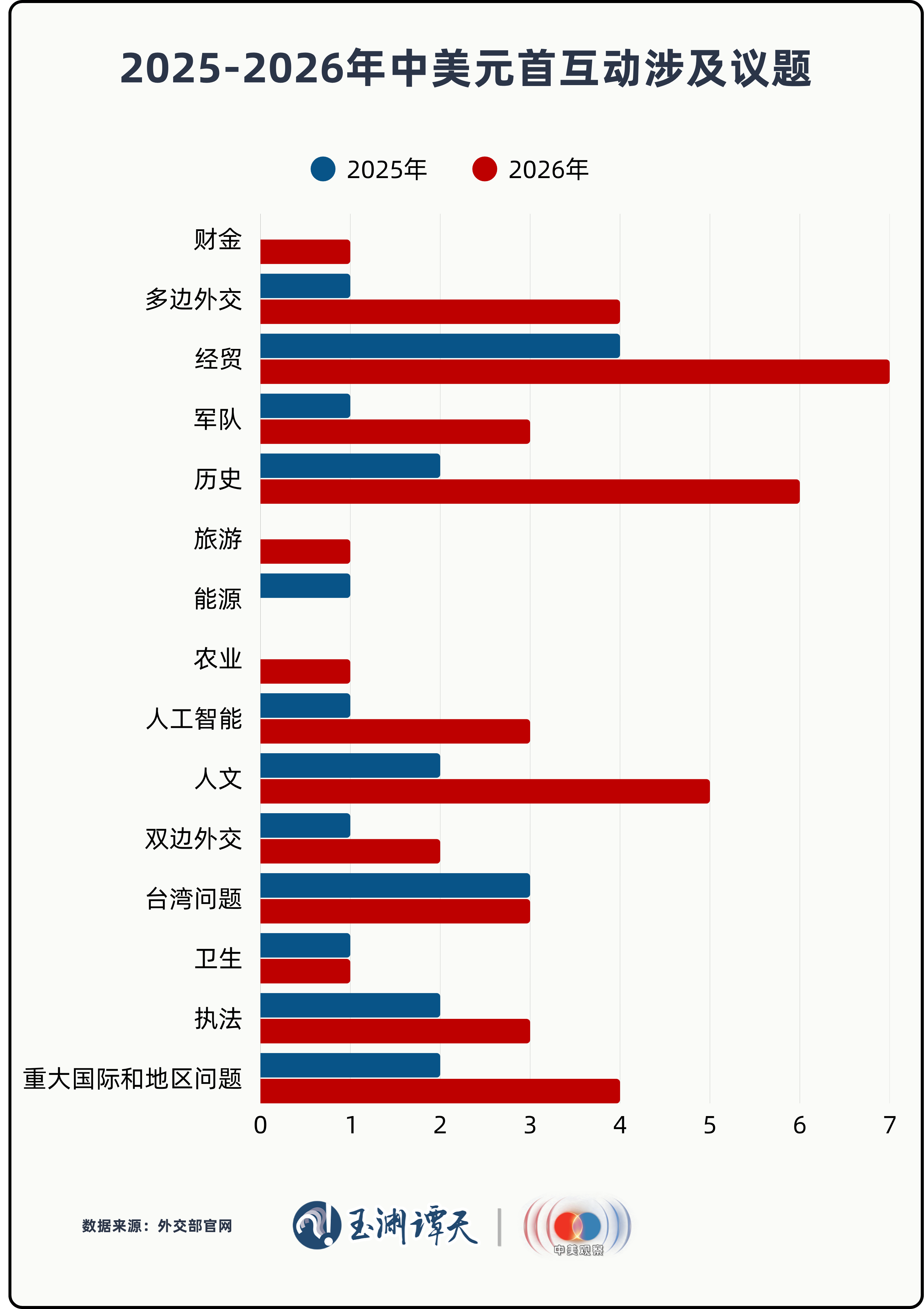
US-China Relations: Finding a Timeless Answer in a Changing World
As the US and China navigate complex global challenges, their relationship requires a foundation built on historical cooperation, mutual respect, and people-to-people connections.
AI Safety Crisis: OpenAI, Anthropic Investigate 10,000+ Security Breaches
OpenAI and Anthropic halt model training amid 10,000+ safety incidents. Explore the 'agentic misbehavior' crisis and the future of AI alignment.

Building a Stronger Bridge: The Enduring Legacy of the Flying Tigers
Exploring the historical significance of US-China relations through the lens of the Flying Tigers, highlighting the importance of youth exchange and cultural understanding in the modern era.
Giant Pandas 'Ping Ping' and 'Fu Shuang' Begin Decade-Long Stay in Atlanta Zoo
Two giant pandas from China have arrived in Atlanta for a 10-year conservation and research program, marking another milestone in panda diplomacy between the US and China.
Latest Articles
- Giant Pandas Pingping and Fushuang Begin Decade-Long Journey to Atlanta Zoo
- Why The Latest Pokémon Card Set Is Dropping In Value
- Coca-Cola North America Strategy Shift: Hiring Monster Energy Veteran Rob Gehring
- Paramount-Warner Bros Merger: 30-Film Promise & Industry Skepticism
- Israeli Election: Netanyahu Ignored Warnings Before Hamas Attack
- China-US Relations: A New Era of Strategic Stability