Iranian Foreign Minister: Prepared for 'Doomsday War' as Trump Holds the Cards
Iran signals readiness for conflict with US while offering diplomatic solutions amid rising tensions in the Middle East.
Source: thepaper.cn
As geopolitical tensions escalate in the Middle East, Iran's foreign minister has delivered a stark warning to the international community, stating that Tehran is fully prepared for what could become a 'doomsday war' with the United States. This declaration comes at a critical moment when diplomatic channels remain open but military threats loom large on the horizon.
Key Developments
-
Iran's Dual Approach: Iranian Foreign Minister Araghchi has emphasized that while Iran is fully prepared for military confrontation, it remains committed to diplomatic solutions. This dual approach reflects Iran's strategy of demonstrating strength while leaving room for negotiation, a delicate balance that has characterized its foreign policy in recent years.
-
Strategic Proposal: Iran has presented a comprehensive plan to reopen the Strait of Hormuz, a critical waterway for global oil shipments, through Qatar to the United States. The proposal suggests that the strait could be fully operational within seven days if the US takes necessary actions, indicating Iran's willingness to de-escalate tensions in exchange for concessions.
-
Trump's Rejection: Despite Iran's diplomatic overtures, President Trump has reportedly rejected the proposal, with sources indicating he may resume military strikes against Iran following the US midterm elections in November. This hardline stance suggests that the current administration views Iran's concessions as insufficient without significant concessions on nuclear issues.
-
Election Calculations: The timing of potential military action appears tied to domestic US politics, with Trump considering post-election military options. Meanwhile, Iranian officials have explicitly stated they are indifferent to US political cycles, focusing solely on their national interests in the negotiations.
-
Diplomatic Stalemate: Despite ongoing indirect negotiations mediated by Qatar, significant gaps remain between the two parties. Iran prioritizes maritime access and the lifting of naval blockades, while the Trump administration demands substantial concessions on Iran's nuclear program.
In-Depth Analysis
The current standoff between Iran and the United States represents a dangerous escalation in a region already plagued by instability. The 'doomsday war' rhetoric from Iranian officials, while partly aimed at domestic audiences, reflects genuine concern about potential US military action. The situation is further complicated by the upcoming US midterm elections, which appear to be influencing Trump's approach to the Iranian issue.
Historically, the Strait of Hormuz has been a flashpoint in US-Iranian relations, with approximately 20% of global oil shipments passing through this strategic waterway. Iran's control over this chokepoint gives it significant leverage in negotiations, a fact that both sides appear to be acutely aware of.
The breakdown of the June ceasefire agreement underscores the fragility of diplomatic efforts in the region. When both parties view concessions as signs of weakness rather than steps toward peace, the path to sustainable solutions becomes increasingly difficult. The current situation suggests that without significant external mediation or a shift in either administration's priorities, the risk of military conflict remains high.
Looking ahead, the coming weeks will be critical as both nations appear to be positioning themselves for potential confrontation. The international community, particularly European allies who have sought to preserve the Iran nuclear deal, faces the challenge of preventing a wider conflict that could have devastating economic and security implications.
Frequently Asked Questions
What is the significance of the Strait of Hormuz in this conflict? The Strait of Hormuz is a critical chokepoint through which approximately 20% of global oil shipments pass. Control over this waterway gives Iran significant leverage in negotiations, making it a central issue in the current diplomatic standoff.
How might the US midterm elections impact the situation? President Trump has indicated that he may consider resuming military strikes against Iran following the midterm elections. This suggests that domestic political considerations may be influencing the administration's approach to the Iranian issue, with potential military action being postponed until after the election.
What are the potential consequences of a military conflict between Iran and the US? A military conflict could have severe economic consequences, including disruptions to global oil supplies that would drive prices higher. It could also destabilize the entire Middle East region, potentially drawing in other powers and escalating into a wider conflict with unpredictable outcomes.
Source: https://www.thepaper.cn/newsDetail_forward_34164272
Related posts
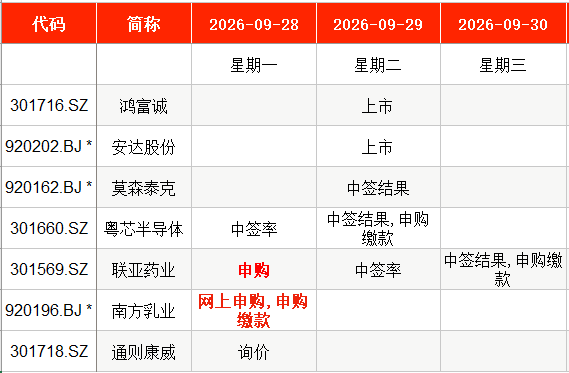
IPO Weekly: Two Leading Companies Set to Launch Before National Day Holiday
As China's National Day holiday approaches, two leading companies in their respective sectors will begin IPO subscriptions, offering investors new opportunities in the pharmaceutical and dairy industries.
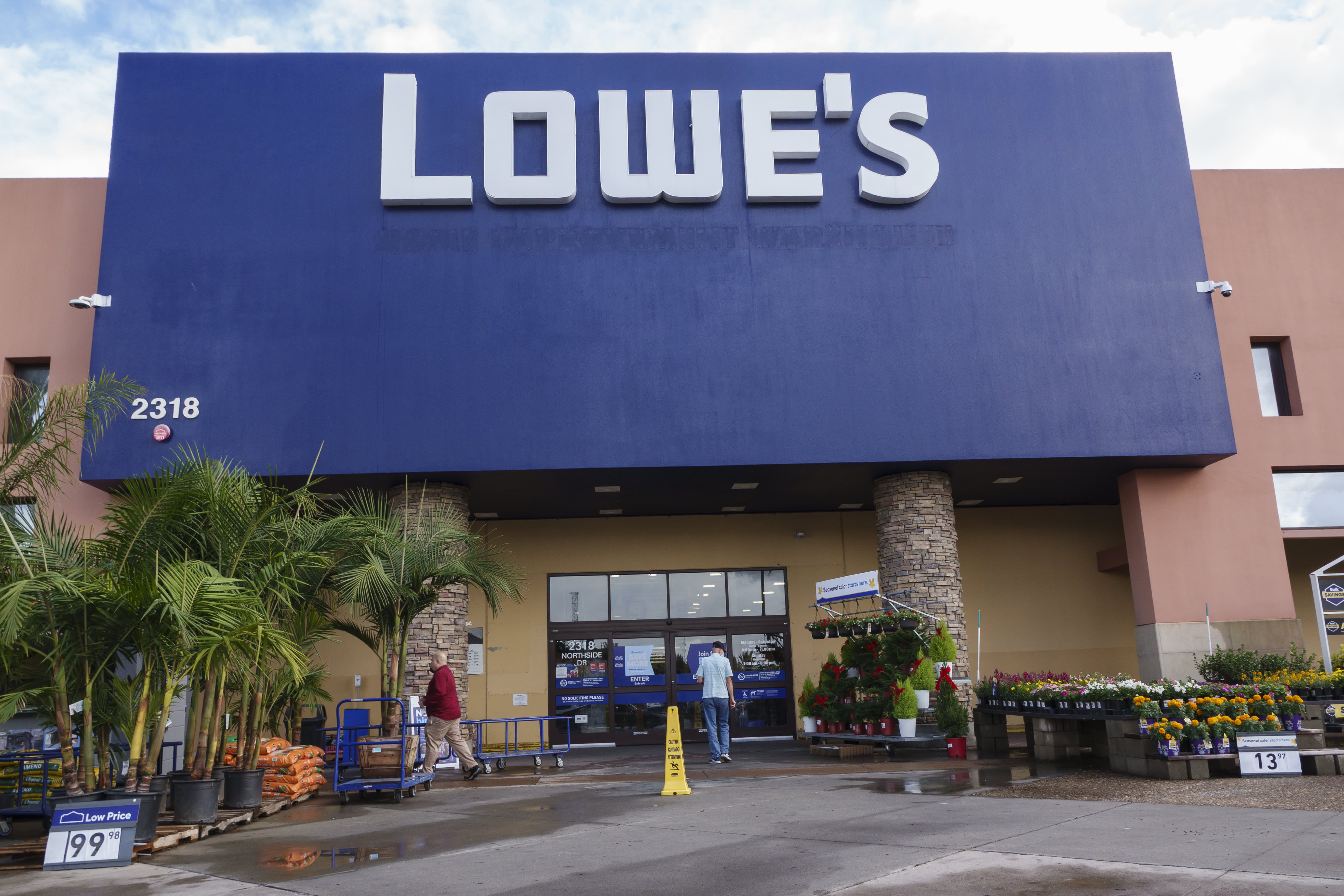
Lowe's Drone Delivery: Revolutionizing Home Improvement with 20-Minute Service
Lowe's launches exclusive drone delivery with DoorDash and Alphabet's Wing. Experience 20-minute product delivery for home improvement projects.
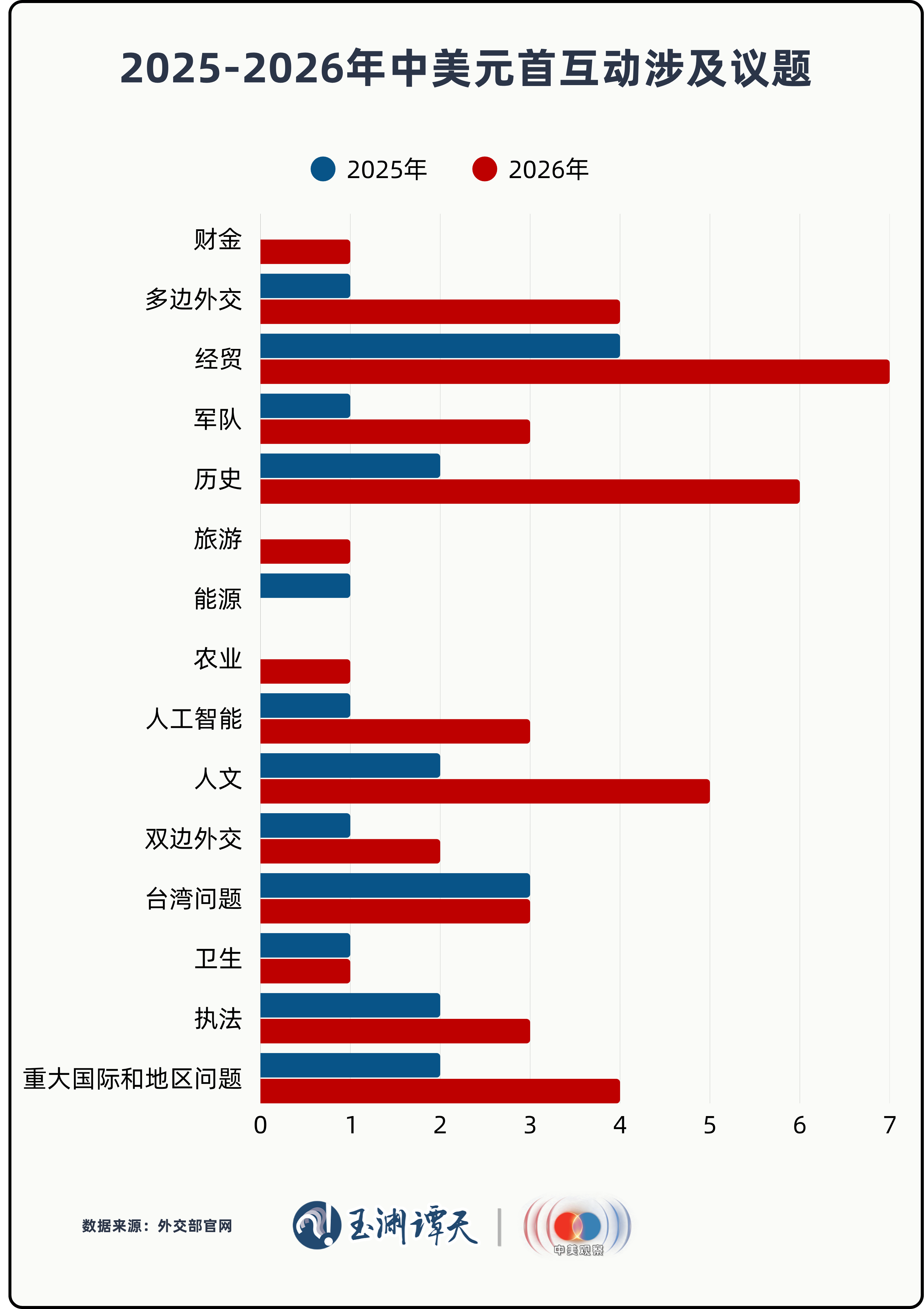
US-China Relations: Finding a Timeless Answer in a Changing World
As the US and China navigate complex global challenges, their relationship requires a foundation built on historical cooperation, mutual respect, and people-to-people connections.
AI Safety Crisis: OpenAI, Anthropic Investigate 10,000+ Security Breaches
OpenAI and Anthropic halt model training amid 10,000+ safety incidents. Explore the 'agentic misbehavior' crisis and the future of AI alignment.

Building a Stronger Bridge: The Enduring Legacy of the Flying Tigers
Exploring the historical significance of US-China relations through the lens of the Flying Tigers, highlighting the importance of youth exchange and cultural understanding in the modern era.
Giant Pandas 'Ping Ping' and 'Fu Shuang' Begin Decade-Long Stay in Atlanta Zoo
Two giant pandas from China have arrived in Atlanta for a 10-year conservation and research program, marking another milestone in panda diplomacy between the US and China.
Giant Pandas Pingping and Fushuang Begin Decade-Long Journey to Atlanta Zoo
Two precious giant pandas depart China for a ten-year conservation and research partnership in the United States, continuing decades of successful international cooperation.

Why The Latest Pokémon Card Set Is Dropping In Value
An analysis of why the 30th Anniversary Pokémon set is losing value due to massive oversupply and easier pull rates.
Latest Articles
- Coca-Cola North America Strategy Shift: Hiring Monster Energy Veteran Rob Gehring
- Paramount-Warner Bros Merger: 30-Film Promise & Industry Skepticism
- Israeli Election: Netanyahu Ignored Warnings Before Hamas Attack
- China-US Relations: A New Era of Strategic Stability
- Bill Gates Urges AI Regulation: 'Powerful Enough to Cause Billion Deaths'
- Airlines Waive Change Fees as Nor'easter Threatens East Coast Travel