China-US Relations: A New Era of Strategic Stability
An in-depth analysis of the recent China-US summit and the future of their strategic relationship.
Source: thepaper.cn
China-US Relations: A New Era of Strategic Stability
Introduction
The recent visit of Chinese President Xi Jinping to the United States marks a significant milestone in the relationship between the two countries. This article delves into the details of the summit, the new strategic direction outlined by both leaders, and the implications for the future of China-US relations.

Key Points
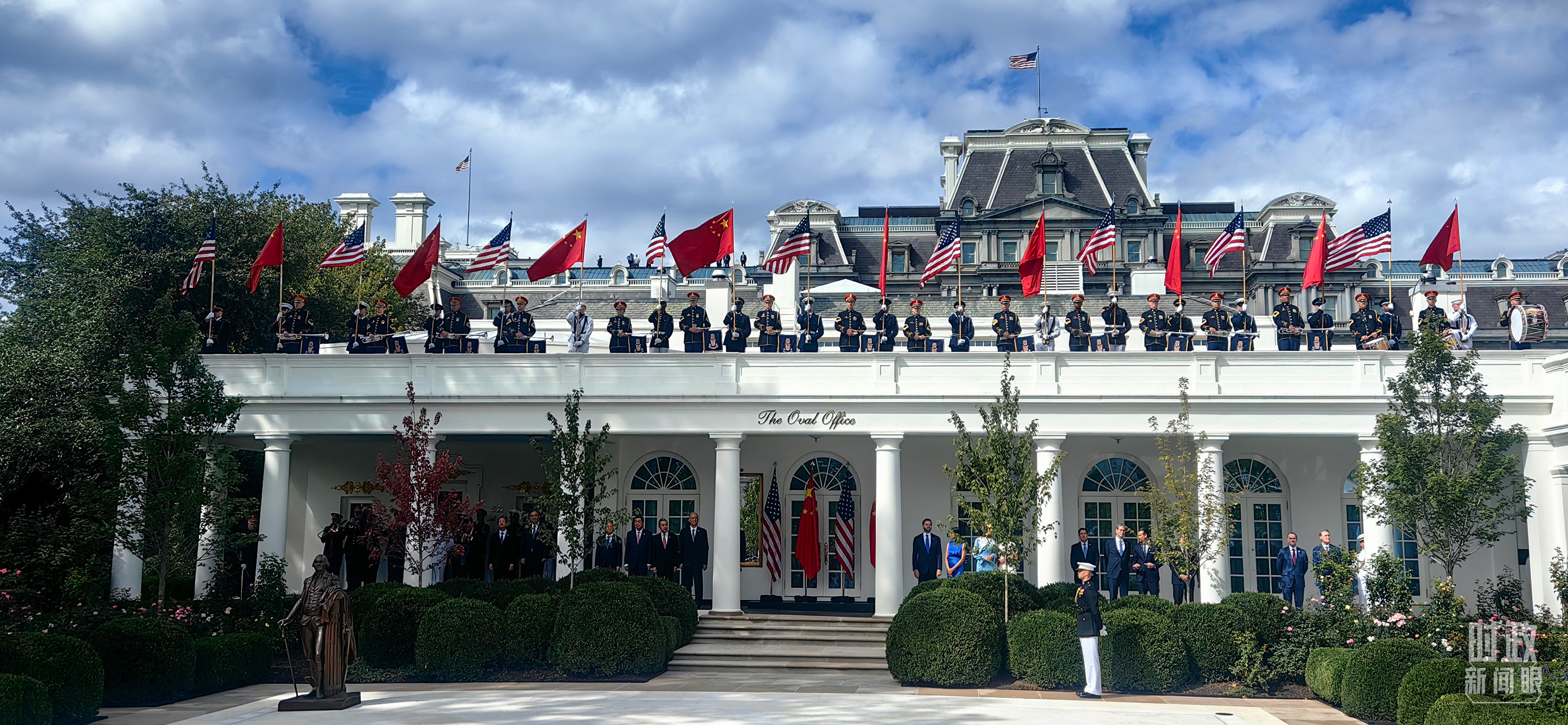
- High-level Welcome: The visit was met with high-level attention, with President Xi Jinping receiving a warm welcome from President Trump and his administration.
- Historical Interaction: The summit is unprecedented in its frequency, reflecting the importance both countries place on maintaining stable relations.
- New Strategic Direction: The two leaders agreed to establish a 'constructive strategic stable relationship', aiming for cooperation, competition, and peaceful coexistence.
- Four Stabilities: President Xi outlined the 'four stabilities' - positive stability through cooperation, benign stability through competition, controllable stability through differences, and lasting stability through peace.
- Economic Cooperation: The summit also focused on economic cooperation, with both leaders emphasizing the importance of expanding the list of cooperative areas and reducing issues of contention.
- People-to-People Exchanges: The leaders announced new initiatives to enhance cultural and educational exchanges between the two countries.

In-Depth Analysis
The new strategic direction of 'constructive strategic stable relationship' represents a significant shift in the way China and the United States view their relationship. It emphasizes a balance between cooperation and competition, aiming to create a stable and predictable environment for both countries. The 'four stabilities' provide a framework for managing differences and promoting mutual understanding.
The economic aspect of the summit is crucial. The agreement to expand cooperation and reduce contention is a positive step towards a more stable and prosperous economic relationship. The emphasis on people-to-people exchanges is also significant, as it can help build mutual trust and understanding between the two nations.
The future of China-US relations will depend on the implementation of these new initiatives. Both countries need to demonstrate a commitment to dialogue and cooperation, and to address their differences in a constructive manner.

Frequently Asked Questions
Q: What is the significance of the 'four stabilities'?
A: The 'four stabilities' - positive stability through cooperation, benign stability through competition, controllable stability through differences, and lasting stability through peace - provide a framework for managing the complex relationship between China and the United States.
Q: How will economic cooperation be enhanced?
A: The leaders agreed to expand the list of cooperative areas and reduce issues of contention, aiming for a more stable and prosperous economic relationship.
Conclusion
The recent China-US summit marks a new era in their strategic relationship. The establishment of a 'constructive strategic stable relationship' and the emphasis on cooperation, competition, and peaceful coexistence are significant steps towards a more stable and prosperous future for both countries.
Source
Source: https://www.thepaper.cn/newsDetail_forward_34148062
Related posts

Climate Crisis: Why Historical Data No Longer Guides Our Future
UN disaster chief warns that past patterns can't predict future risks as climate change accelerates, calling for revolutionary approaches to disaster prevention and adaptation.

AI Image Detection: How Reliable Are Current Verification Tools?
As AI-generated images proliferate, we examine the limitations of current detection technologies and why human verification remains essential.

Skydance Unveils $6 Billion Cost Savings Plan After Paramount-Warner Merger
Skydance outlines ambitious $6 billion cost reduction strategy through consolidation of streaming services, studios, and corporate functions following Paramount-Warner merger.

Honda to Invest $3 Billion in Ohio: A Strategic Shift in U.S. Manufacturing
Honda announces a $3 billion investment for a new assembly plant in Ohio, creating 2,000 jobs and boosting U.S. production capacity to 1.3 million units annually.

Boeing Announces 5% Workforce Reduction in Commercial Airplane Division
Boeing plans to cut 5% of its commercial airplane workforce as production ramp-up of 737 Max planes moves slower than expected, with notifications beginning in December.

Goodyear CEO Mark Stewart Steps Down Amid Turnaround Challenges
Goodyear announces immediate leadership change as Roger Wood takes interim role during company's transformation period.

Shinzo Abe's Successor Faces Internal Party Penalty for Tax Reform Stance
Former PM Ishiba penalized by LDP for abstaining on consumption tax cut vote amid fiscal concerns. Read the analysis.

NVIDIA's Supply Chain Woes: $11.4 Million Theft Raises Concerns
NVIDIA faces growing supply chain challenges as $11.4 million in high-value computing equipment disappears during transit, highlighting risks in semiconductor logistics.
Latest Articles
- Global Diplomatic Shifts: Rubio's Paris Visit, Abu Dhabi Summit, and ASEAN Summit 2026
- Climate Crisis as Economic and Security Issue: New Zealand Ex-Premier Helen Clark on COP31
- Australian Youth Receive Letter from Chinese President: Building Friendship Across Borders
- Thanksgiving Travel 2026: Why Frequent Flyer Miles Are Costing 32% More
- Poppi Founders Launch Jetty to Challenge Gatorade in Hydration Market
- China Urges Canada to Halt Support for Anti-China Activist and Stop Interfering in Internal Affairs