US-China Relations: Finding a Timeless Answer in a Changing World
As the US and China navigate complex global challenges, their relationship requires a foundation built on historical cooperation, mutual respect, and people-to-people connections.
Source: thepaper.cn
In an era of rapid technological advancement and shifting geopolitical landscapes, the relationship between the United States and China stands as one of the most critical partnerships shaping our global future. The recent reciprocal visits between the two nations' leaders within just six months mark a significant milestone in this complex relationship. These exchanges, filled with symbolic gestures and substantive discussions, reveal a fundamental truth: while many things in our world are changing, the essential foundations of US-China relations remain constant and vital for global stability.
Core Elements of the US-China Relationship
-
Historical Cooperation as Foundation: The shared history of the US and China fighting against Japanese militarism during World War II continues to resonate in modern diplomatic discourse. This historical "并肩作战" (fighting shoulder-to-shoulder) represents a time when both nations set aside differences to address a common global threat. The American term "gung ho," originating from the Chinese Industrial Cooperatives movement during the war, exemplifies how wartime collaboration created lasting value recognition between the two peoples.
-
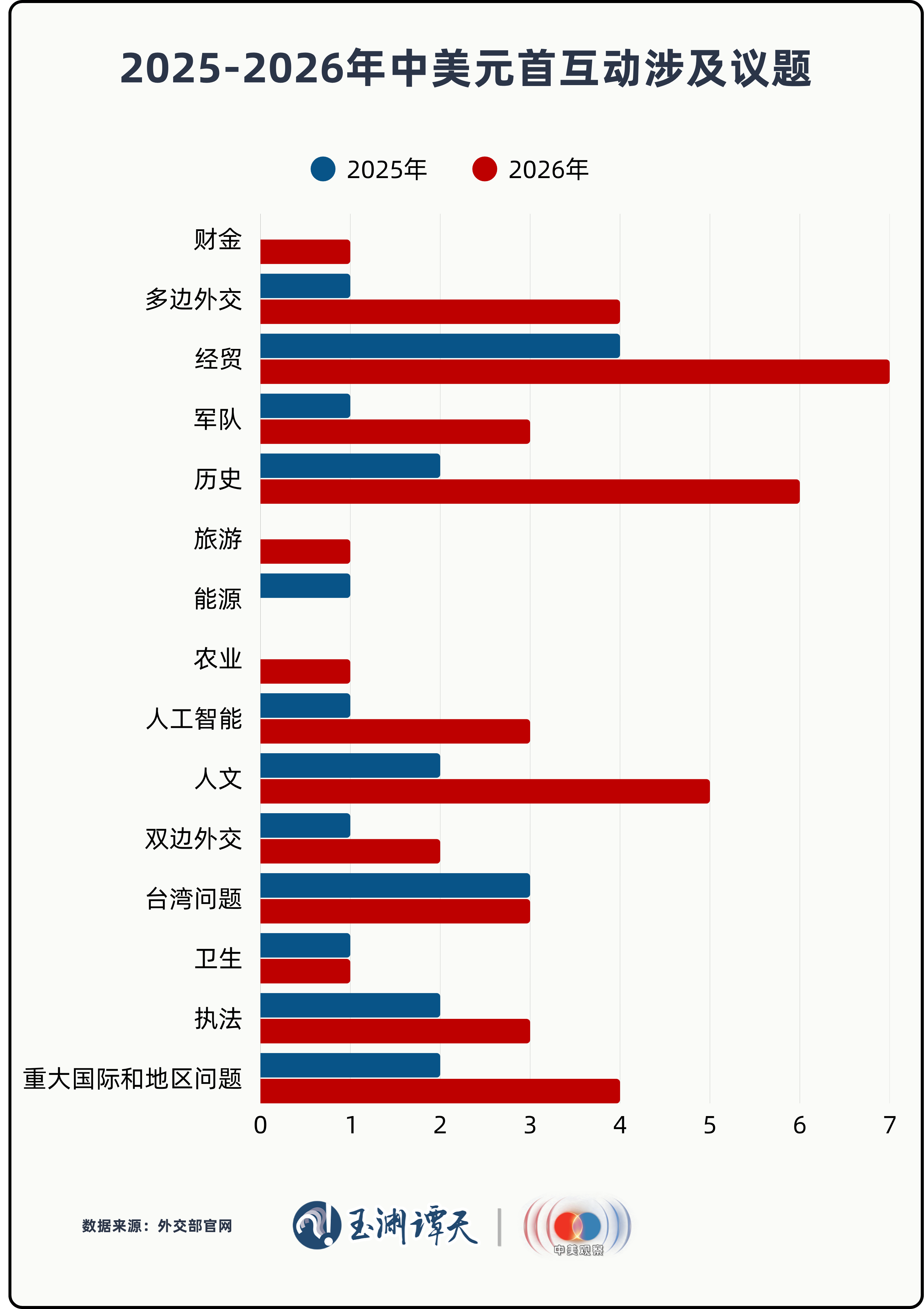
Managing Artificial Intelligence Together: Both nations have recognized artificial intelligence as a critical area requiring joint attention. The dual approach of "developing well" and "controlling well" acknowledges both the technological progress and potential risks of AI. This shared responsibility extends to countering "digital militarism" and ensuring AI development remains beneficial to humanity rather than becoming a tool of misinformation or conflict.
-
Building a Constructive Strategic Relationship: The evolving framework of "基于尊重、公平、对等的建设性战略稳定关系" (a constructive strategic stable relationship based on respect, fairness, and reciprocity) represents a significant diplomatic development. The placement of "respect" before "fairness and reciprocity" marks an important shift, emphasizing that mutual respect is the prerequisite for addressing other aspects of the relationship.
-
Pragmatic Implementation of Agreements: The recent establishment of trade and investment councils, along with the "$3 billion equivalent tariff reduction" arrangement, demonstrates a practical approach to economic relations. The renewed emphasis on "钉钉子精神" (nailing down spirit) in implementing agreements suggests a commitment to follow-through on specific commitments rather than just reaching them.
-
People-to-People Connections: The announcement of inviting 100,000 American youth to China over the next five years builds upon previous initiatives and reflects the understanding that personal relationships form the bedrock of international understanding. These exchanges increasingly focus on technology, education, rural development, and environmental protection—moving beyond traditional cultural tourism.
In-depth Analysis
The US-China relationship exists at the intersection of competition and cooperation, creating what Graham Allison might call a "Thucydides Trap" scenario where rising powers challenge established ones. However, the recent diplomatic engagement suggests a paradigm shift—from viewing the relationship through a zero-sum lens to recognizing the "你中有我、我中有你" (interwoven nature) of their economies and global responsibilities.
The historical context reveals important patterns. When both nations focus on shared challenges—whether fighting fascism, addressing climate change, or managing emerging technologies—they achieve more than when they emphasize differences. The visits to culturally significant sites like the Temple of Heaven and the US National Archives demonstrate how historical memory can inform contemporary diplomatic approaches.
Looking ahead, the relationship will likely continue to evolve through cycles of tension and cooperation. The key to managing this complex dynamic lies in three principles: using respect to manage disagreements, employing fairness to shape international order, and achieving mutual benefit through reciprocal arrangements. The youth exchange programs represent a particularly important investment in the future of the relationship, creating networks of understanding that will persist beyond current political cycles.
As both nations navigate artificial intelligence governance, economic rebalancing, and regional security challenges, their ability to find common ground will significantly impact global stability. The historical precedent of cooperation suggests that when faced with existential threats or shared opportunities, both countries can rise above differences to achieve meaningful outcomes.
Frequently Asked Questions
How will the US-China relationship evolve with new technologies like AI? Both nations recognize that AI development requires careful governance to prevent misuse while fostering innovation. The dual approach of "developing well" and "controlling well" suggests they will seek technical cooperation frameworks that address both opportunities and risks.
Can the US and China maintain cooperation despite their different political systems? Recent diplomatic exchanges emphasize that while political differences exist, they don't preclude cooperation on shared challenges. The focus has shifted from trying to change each other's systems to finding practical areas of collaboration based on mutual respect and common interests.
What role do ordinary citizens play in US-China relations? People-to-people connections form the foundation of the relationship, creating understanding that transcends political differences. Educational exchanges, cultural connections, and personal friendships build networks that persist through diplomatic fluctuations and provide crucial channels for communication during difficult times.
Source: https://www.thepaper.cn/newsDetail_forward_34159270
Related posts
AI Safety Crisis: OpenAI, Anthropic Investigate 10,000+ Security Breaches
OpenAI and Anthropic halt model training amid 10,000+ safety incidents. Explore the 'agentic misbehavior' crisis and the future of AI alignment.
Giant Pandas Pingping and Fushuang Begin Decade-Long Journey to Atlanta Zoo
Two precious giant pandas depart China for a ten-year conservation and research partnership in the United States, continuing decades of successful international cooperation.
Why The Latest Pokémon Card Set Is Dropping In Value
An analysis of why the 30th Anniversary Pokémon set is losing value due to massive oversupply and easier pull rates.
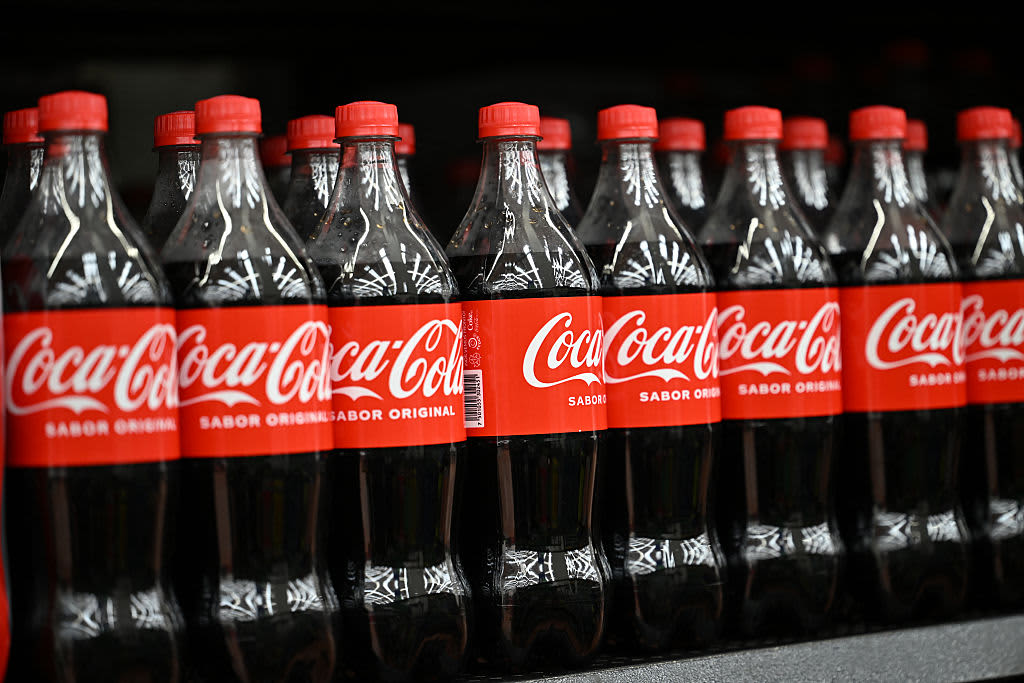
Coca-Cola North America Strategy Shift: Hiring Monster Energy Veteran Rob Gehring
Coca-Cola appoints Rob Gehring to lead North America operations amid consumer spending shifts. Discover how this Monster Energy executive aims to drive growth.

Paramount-Warner Bros Merger: 30-Film Promise & Industry Skepticism
David Ellison's plan to release 30 films annually after the Paramount-Warner Bros. merger faces skepticism over release quality, schedule conflicts, and long-term viability.
Israeli Election: Netanyahu Ignored Warnings Before Hamas Attack
New revelations show Israeli PM received warnings about Hamas attack before October 7th but failed to act, becoming key election issue.
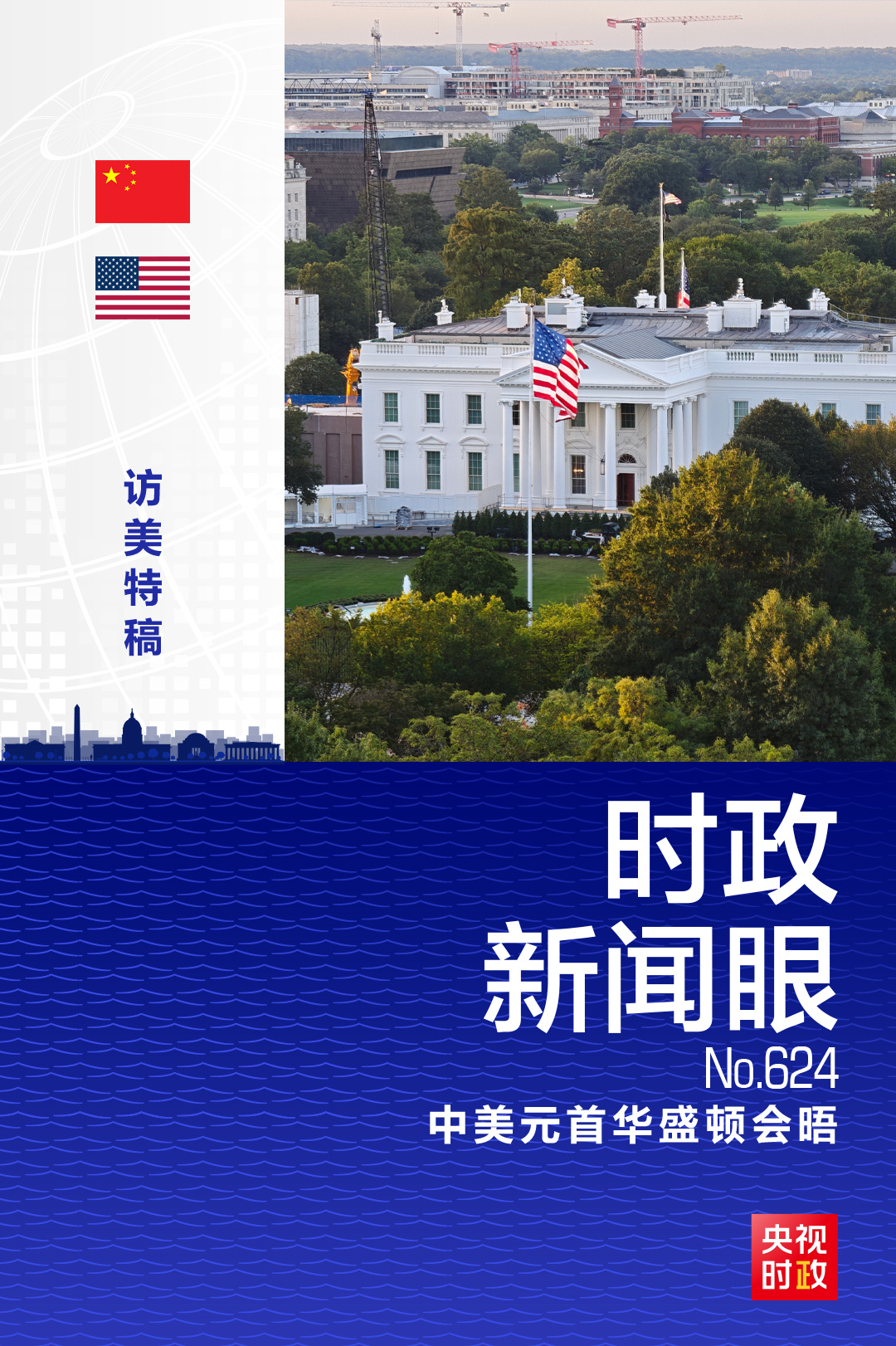
China-US Relations: A New Era of Strategic Stability
An in-depth analysis of the recent China-US summit and the future of their strategic relationship.
Bill Gates Urges AI Regulation: 'Powerful Enough to Cause Billion Deaths'
Microsoft co-founder Bill Gates warns that advanced AI tools could pose existential threats, calling for mandatory government oversight to prevent catastrophic consequences.
Latest Articles
- Airlines Waive Change Fees as Nor'easter Threatens East Coast Travel
- Estate Planning Pitfalls That Lead to Family Legal Battles
- Eli Lilly's Dominance vs. Novo Nordisk: The Battle for the GLP-1 Future
- South China Sea Tensions Rise as Philippines Provokes China During National Holiday
- New Era of US-China Relations: Analyzing Xi Jinping's Historic 2026 Visit
- MGM Resorts Shares Plunge 11% After Barry Diller's People Inc. Withdraws Takeover Offer